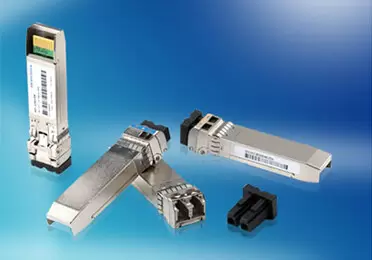
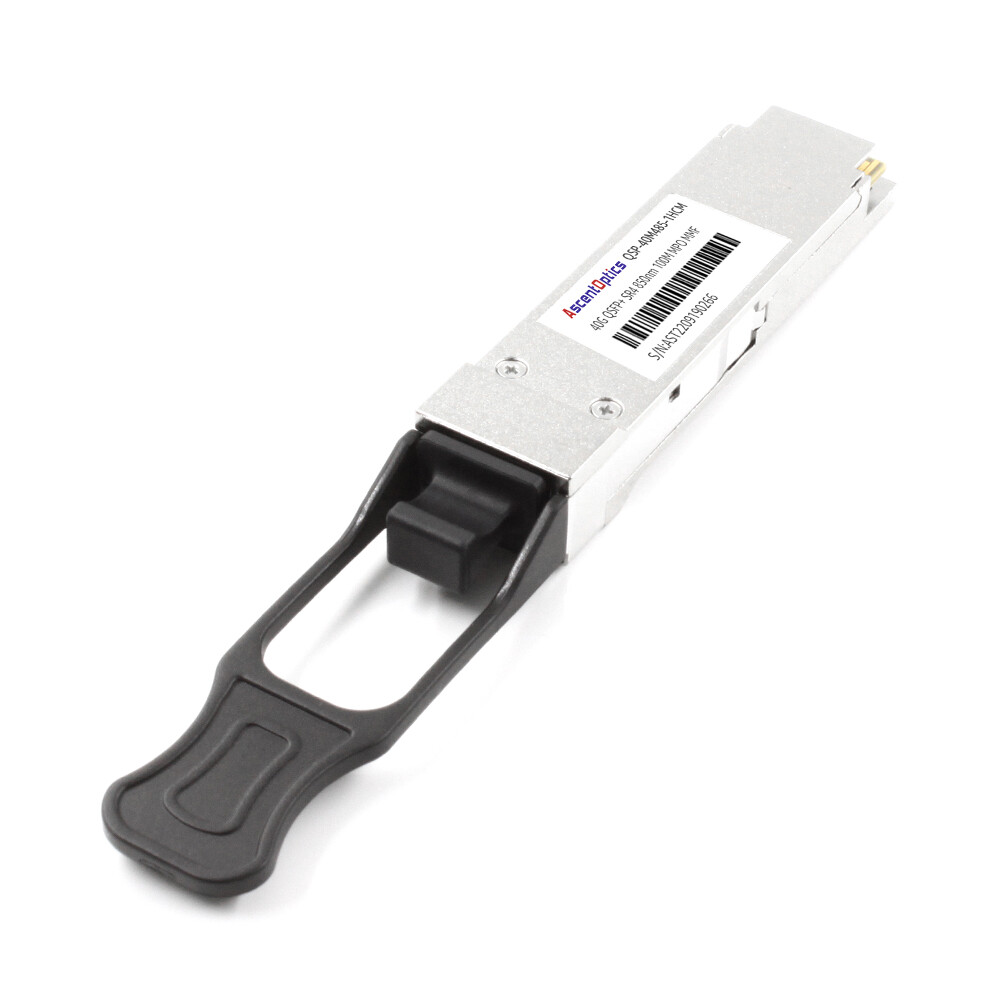
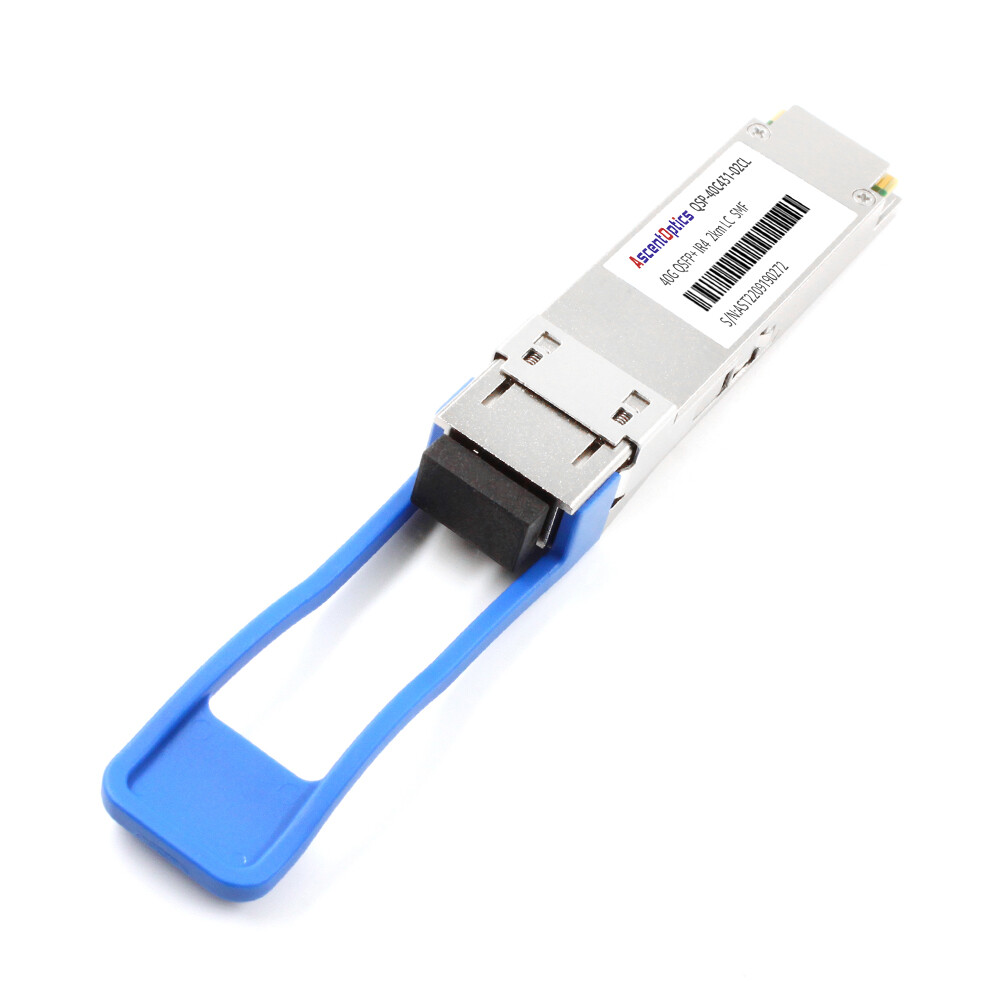
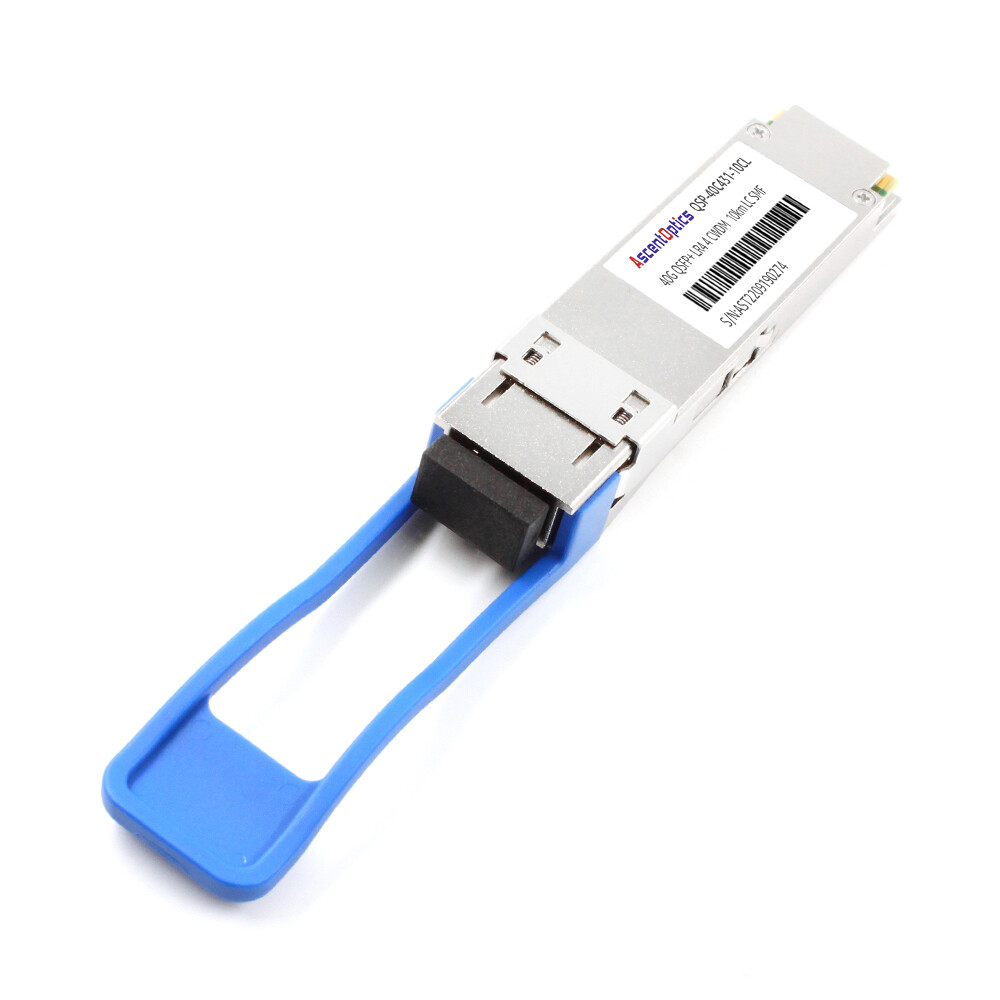
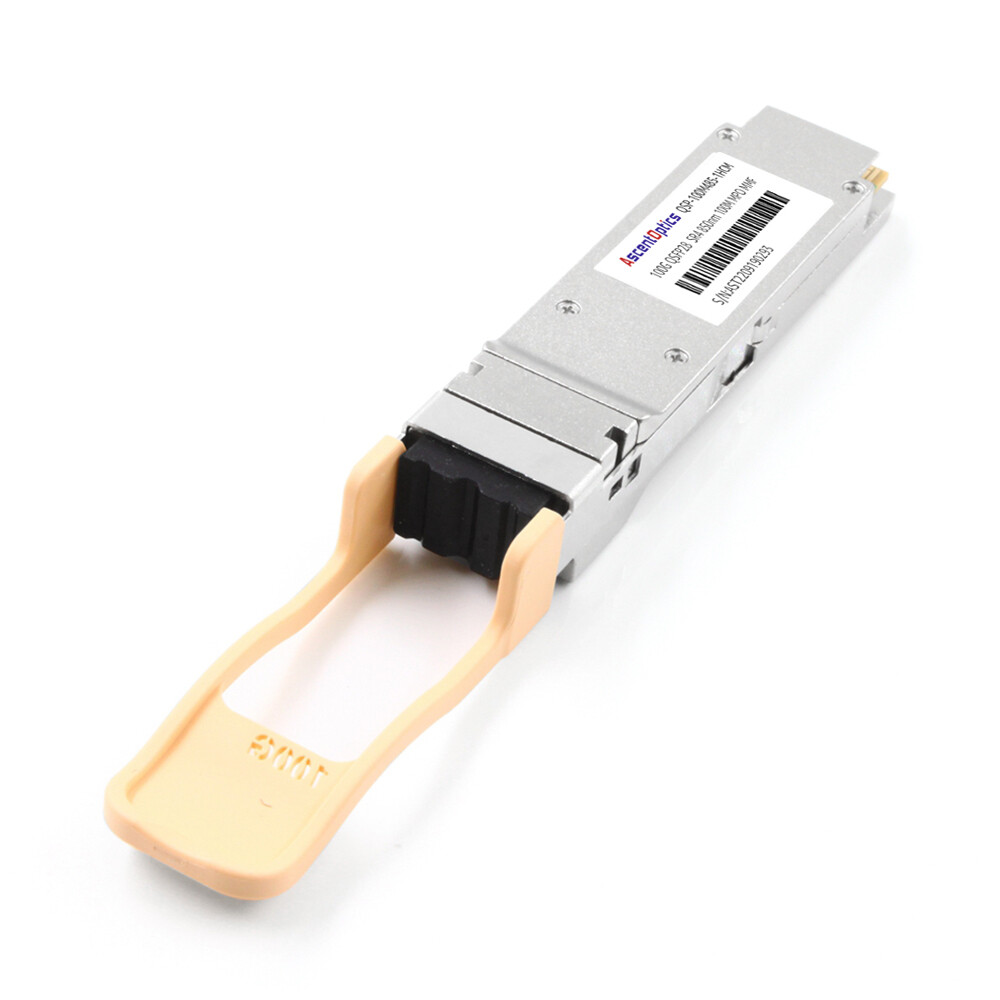
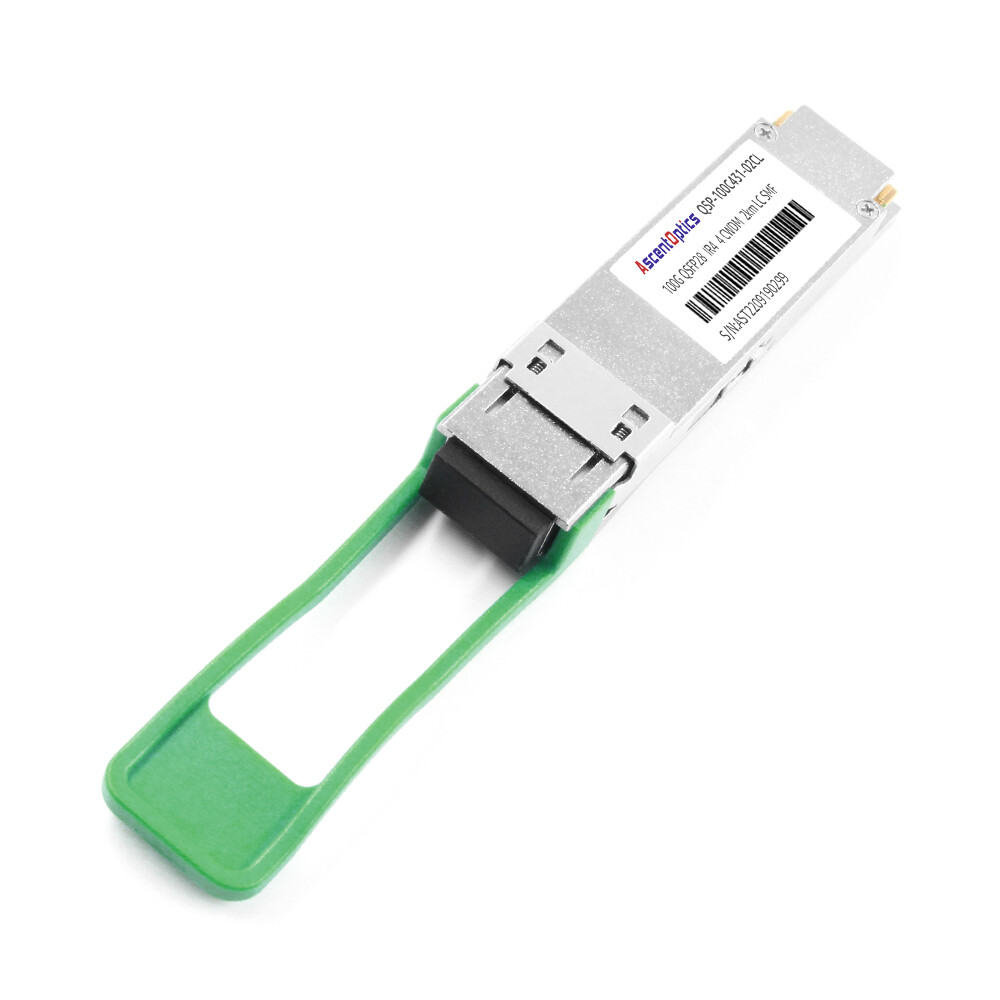
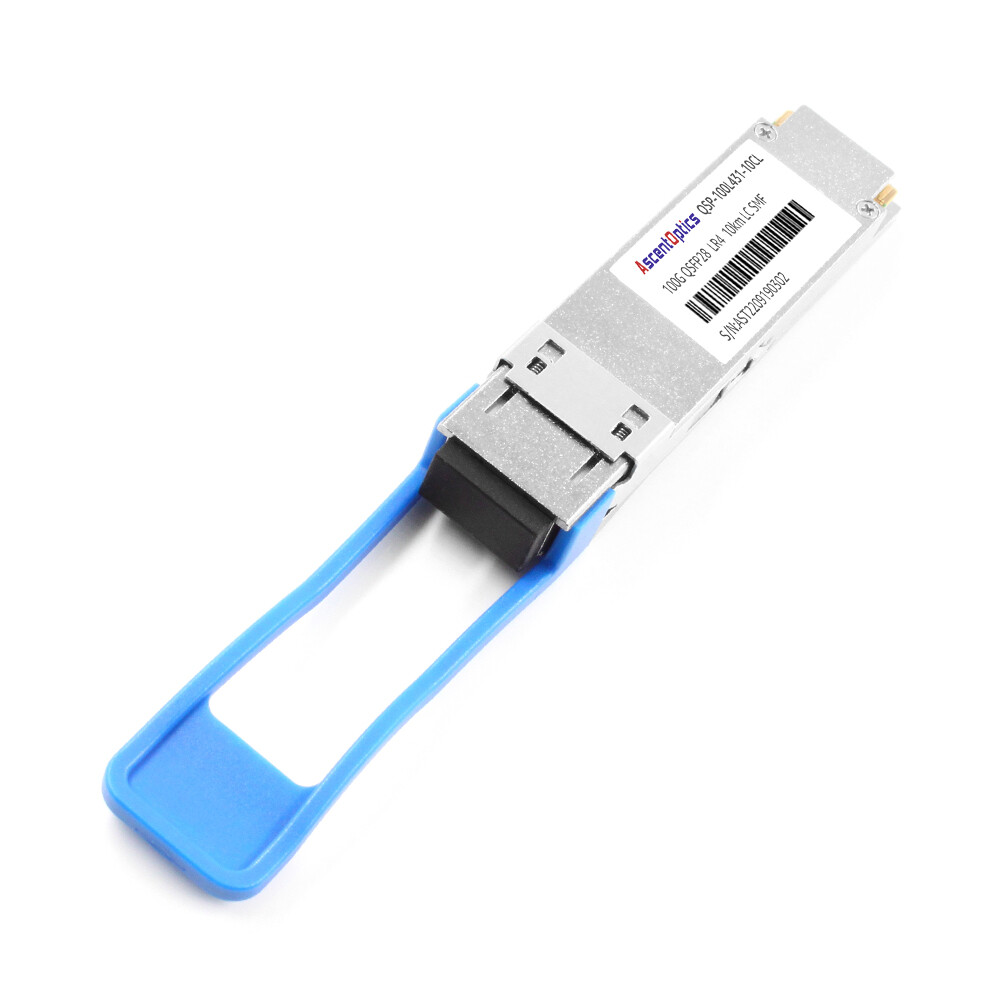
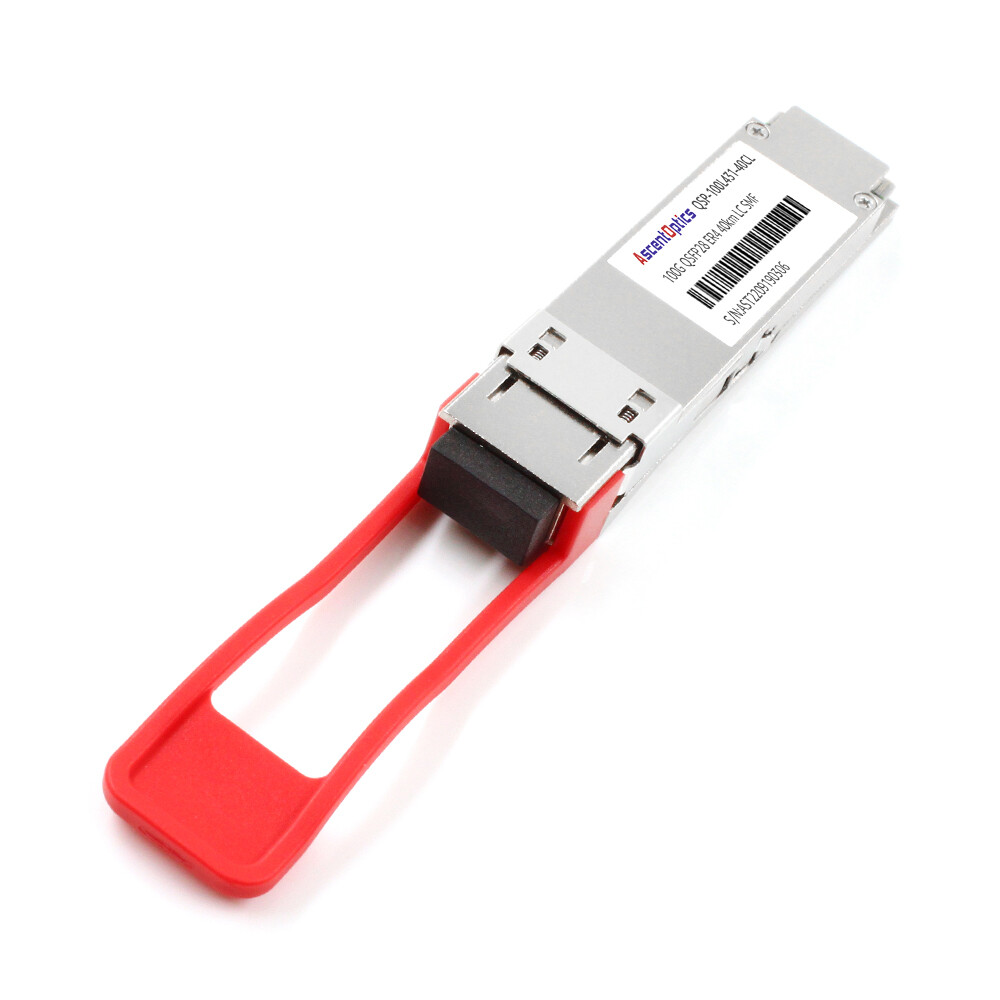
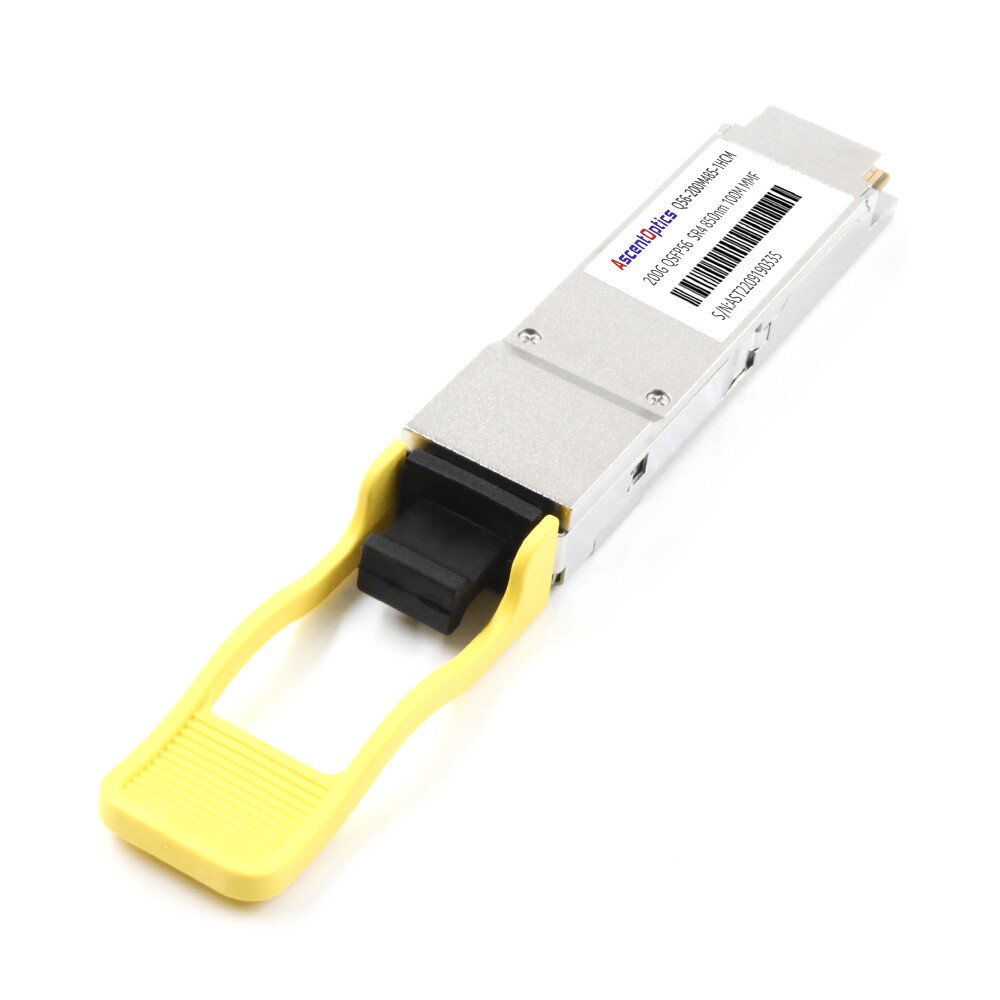
QSFP (Quad Small Form-factor Pluggable) modules adhere to Multi-Source Agreements (MSAs) rather than a single IEEE standard. The original QSFP MSA defined a 40G specification using four 10G channels; QSFP28 extended this to 100G via four 25G channels; QSFP56 supports 200G speeds using four 50G channels; and QSFP-DD (Double Density) achieves 400G speeds using eight 50G channels within the same port footprint. These MSA specifications ensure interoperability among products from different vendors regarding mechanical, electrical, and thermal characteristics. Key specifications include SFF-8436 for QSFP+, SFF-8665/8679/8680 for QSFP28, SFF-8636 for legacy management, and CMIS for modern high-speed modules.
What Does QSFP Stand For?
QSFP stands for Quad Small Form-factor Pluggable. The “Quad” refers to four electrical transmit lanes and four electrical receive lanes, providing four full-duplex channels within a single module. This four-lane architecture is what lets a QSFP module reach higher data transmission rates than single-lane SFP modules without requiring a proportionally larger footprint.
The first QSFP modules targeted 40 Gbps using four lanes at 10 Gbps each. Later generations increased the per-lane data rate and, in some cases, doubled the lane count. Today the QSFP family includes QSFP+, QSFP28, QSFP56, QSFP112, and QSFP-DD, each governed by a specific set of QSFP standards.
Understanding those standards matters because “QSFP compatible” is not a single guarantee. Mechanical fit, electrical signaling, optical PMD, and digital management can each be controlled by a different specification. A module that fits a cage is not guaranteed to communicate correctly until every layer matches.
The QSFP Standards Stack: How Specifications Work Together
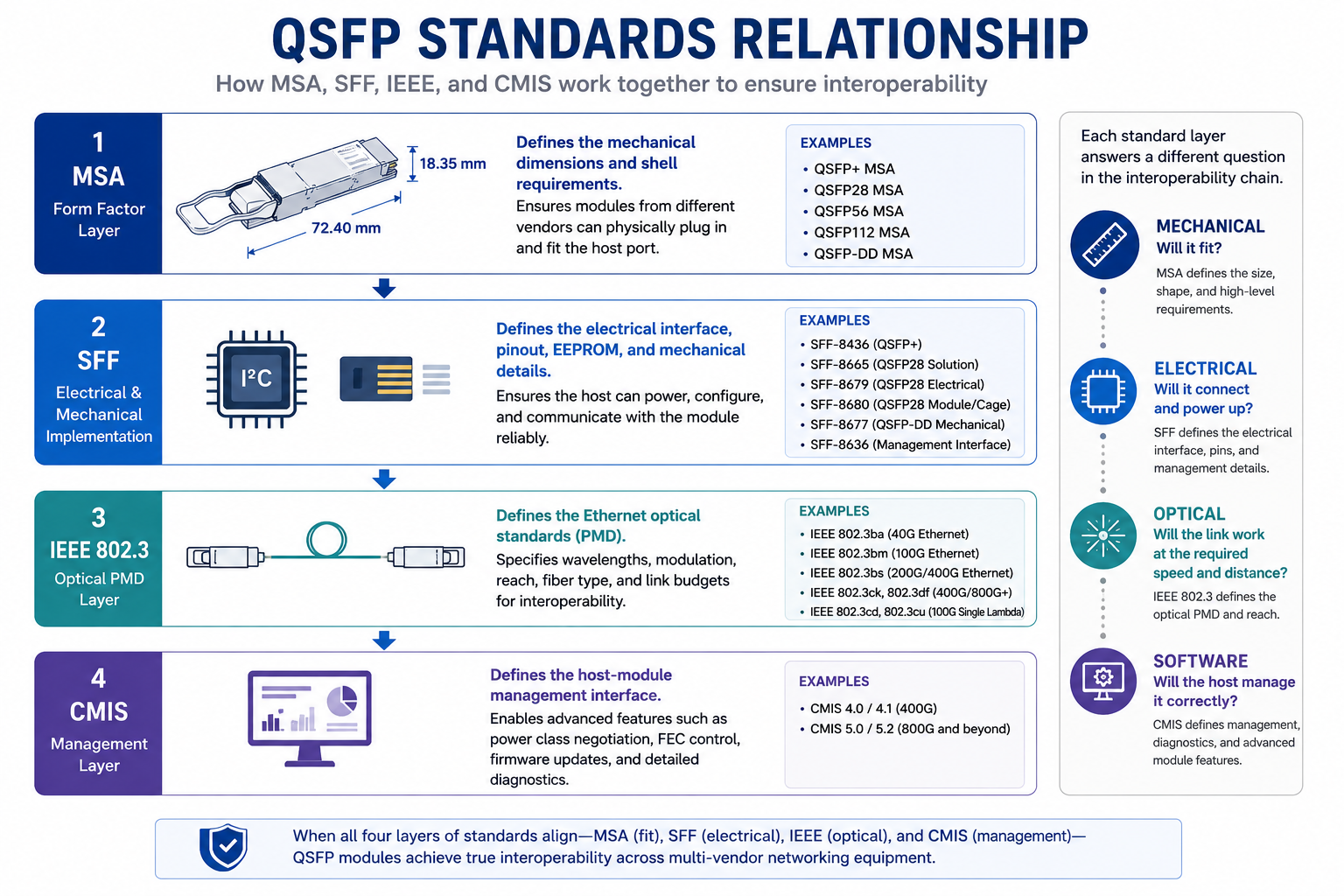
QSFP standards can be organized into four layers. Think of each layer as answering a different interoperability question.
| Layer |
Question It Answers |
Example Documents |
| MSA |
Will the module fit and plug in? |
QSFP+ MSA, QSFP-DD MSA, QSFP112 MSA |
| SFF |
How do the electrical and mechanical interfaces behave? |
SFF-8436, SFF-8665, SFF-8679, SFF-8680, SFF-8636 |
| IEEE 802.3 |
What optical PMD and reach does the link support? |
IEEE 802.3ba, 802.3bm, 802.3bs, 802.3ck,802.3cd,802.3cu |
| CMIS |
How does the host manage power, FEC, and diagnostics? |
CMIS 4.x, CMIS 5.x (OIF) |
Multi-Source Agreements (MSA)
MSAs are industry consortium agreements that define mechanical dimensions, electrical pinouts, and baseline management requirements. They exist so vendors can build modules independently while still producing interchangeable products. Major MSAs in the QSFP family include the QSFP+ MSA for 40G, the QSFP-DD MSA for 400G/800G, and the QSFP112 MSA for 400G in the legacy four-lane footprint.
Unlike IEEE standards, MSAs are developed by industry consortia to accelerate technology adoption before formal standardization. Many successful optical form factors—including QSFP-DD and OSFP—originated from MSAs.
SFF Specifications
The Small Form Factor Committee publishes detailed implementation documents that expand on MSA agreements. SFF-8436 governs the QSFP+ 4×10 Gb/s pluggable transceiver. SFF-8665, SFF-8679, and SFF-8680 define QSFP28 electrical interfaces, connectors, and module/cage dimensions. SFF-8636 defines the Digital Diagnostic Monitoring (DDM), memory map, and management interface used by QSFP+ and QSFP28 modules. Modern 400G and higher modules increasingly adopt CMIS.
IEEE 802.3 Ethernet Standards
While MSAs and SFF documents define the module, IEEE 802.3 defines the optical Physical Medium Dependent (PMD) standards such as 40GBASE-SR4, 100GBASE-LR4, and 400GBASE-DR4. These standards control wavelength, reach, fiber type, and link budgets.
Common Management Interface Specification (CMIS)
CMIS is now maintained by the Optical Internetworking Forum. It defines a unified host-module management interface that supports advanced features such as power-class negotiation, FEC configuration, and firmware updates. CMIS becomes essential at 400G and above.
QSFP+ Standards: The 40G Foundation
QSFP+ was the first widely deployed QSFP generation. It delivers 40 Gbps over four 10 Gbps lanes and remains common in legacy aggregation and core networks.
| Element |
QSFP+ Standard |
| Form factor/electrical |
QSFP+ MSA, SFF-8436 |
| Module/cage |
SFF-8436 |
| Management |
SFF-8636 (DOM/DDM) |
| Ethernet PMD |
IEEE 802.3ba |
| Common variants |
40GBASE-SR4, 40GBASE-LR4, 40GBASE-ER4, 40GBASE-CSR4, 40GBASE-BiDi |
| Typical power |
Up to ~3.5 W |
40GBASE-SR4 uses parallel multimode fiber with an MPO-12 connector and reaches 100 m on OM3 or 150 m on OM4. 40GBASE-LR4 uses four CWDM wavelengths over duplex single-mode fiber for 10 km. 40GBASE-ER4 extends that to 40 km.
These IEEE standards specify the optical behavior, but the QSFP+ MSA and SFF-8436 are what let a 40GBASE-LR4 module from one vendor plug into a switch from another vendor and initialize correctly.
QSFP28 Standards: The 100G Mainstream
QSFP28 modules support 100 Gbps using four 25 Gbps NRZ lanes. They dominate modern enterprise and cloud data-center spine-leaf networks.
| Element |
QSFP28 Standard |
| Transceiver solution |
SFF-8665 |
| Electrical / connector |
SFF-8679 |
| Module/cage |
SFF-8680 |
| Management |
SFF-8636 |
| Ethernet PMD |
IEEE 802.3bm, 802.3bj,IEEE 802.3cd |
| Common variants |
100GBASE-SR4, 100GBASE-LR4, 100GBASE-ER4, 100GBASE-CWDM4, 100GBASE-PSM4 |
| Typical power |
Up to ~4.5 W |
One practical benefit of the QSFP28 standard is backward compatibility. A QSFP28 port can accept a QSFP+ module and run it at 40 Gbps. The reverse is not true: a QSFP+ port cannot run a QSFP28 module because the electrical interface and lane rate exceed the older host’s capability.
QSFP56, QSFP112, and QSFP-DD: 200G to 800G Extensions
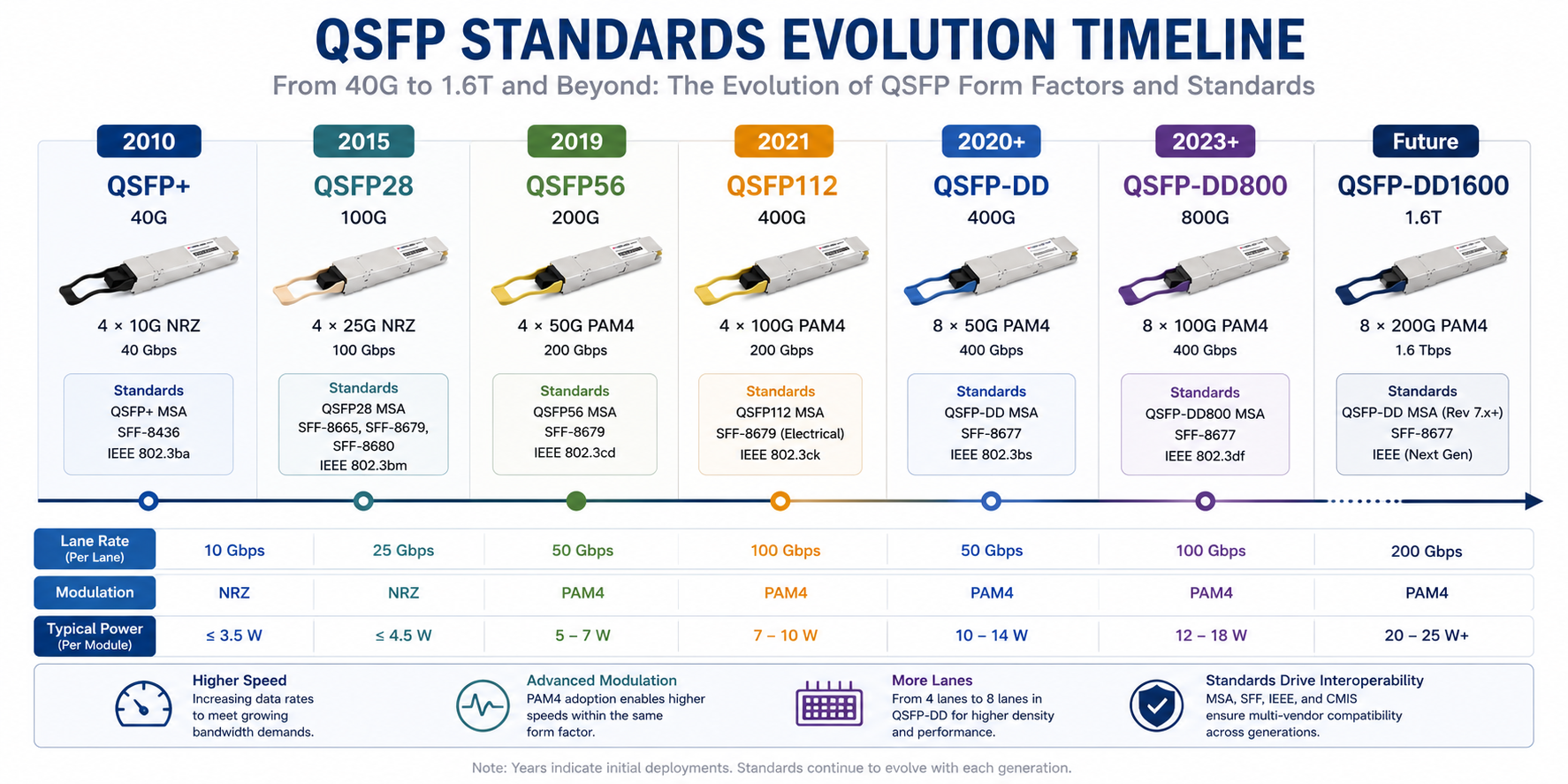
As data centers moved beyond 100G, the QSFP family evolved along two paths: higher lane rates in the same four-lane footprint, and double-density eight-lane designs.
QSFP56 uses four 50 Gbps PAM4 lanes to reach 200 Gbps. It relies on SFF-8679 for electrical signaling and requires Forward Error Correction (FEC) because PAM4 signaling is more susceptible to noise than NRZ. Most QSFP56 Ethernet implementations use KP4 FEC to maintain acceptable bit error rates with 50G PAM4 signaling. Power consumption rises to roughly 5–7 W.
QSFP112: 400G Without Double Density
QSFP112 pushes the legacy footprint further with four 100 Gbps PAM4 lanes for 400 Gbps total. The QSFP112 MSA defines the specification. QSFP112 maintains the same mechanical footprint as previous QSFP generations and is backward compatible with QSFP56, QSFP28, and QSFP+ modules when supported by the host hardware and firmware. Thermal and power limits become the main constraints. QSFP112 maintains the same mechanical footprint as previous QSFP generations and is backward compatible with QSFP56, QSFP28, and QSFP+ modules when supported by the host hardware and firmware.
QSFP-DD: Double Density for 400G, 800G, and 1.6T
QSFP-DD (Quad Small Form-factor Pluggable Double Density) keeps the same 18.35 mm width as QSFP28 but adds a second row of electrical contacts, increasing the lane count from four to eight. retains the same front-panel width as legacy QSFP modules while adding a second row of electrical contacts to double the lane count.
| Generation |
Lane Configuration |
Total Rate |
Typical Power |
| QSFP-DD (400G) |
8 × 50 Gbps PAM4 |
400 Gbps |
10–14 W |
| QSFP-DD800 |
8 × 100 Gbps PAM4 |
800 Gbps |
12–18 W |
| QSFP-DD1600 |
8 × 200 Gbps PAM4 |
1.6 Tbps |
20–25 W+ |
The QSFP-DD MSA publishes the hardware specification, with Rev 7.x covering 400G through 1.6T. SFF-8677 covers the mechanical specification. QSFP-DD ports accept older QSFP modules, enabling staged upgrades from 100G to 400G and beyond.
The latest QSFP-DD MSA revisions also define future 1.6T implementations using 8 × 200G electrical lanes.
CMIS: The Management Layer Behind Modern QSFP Standards
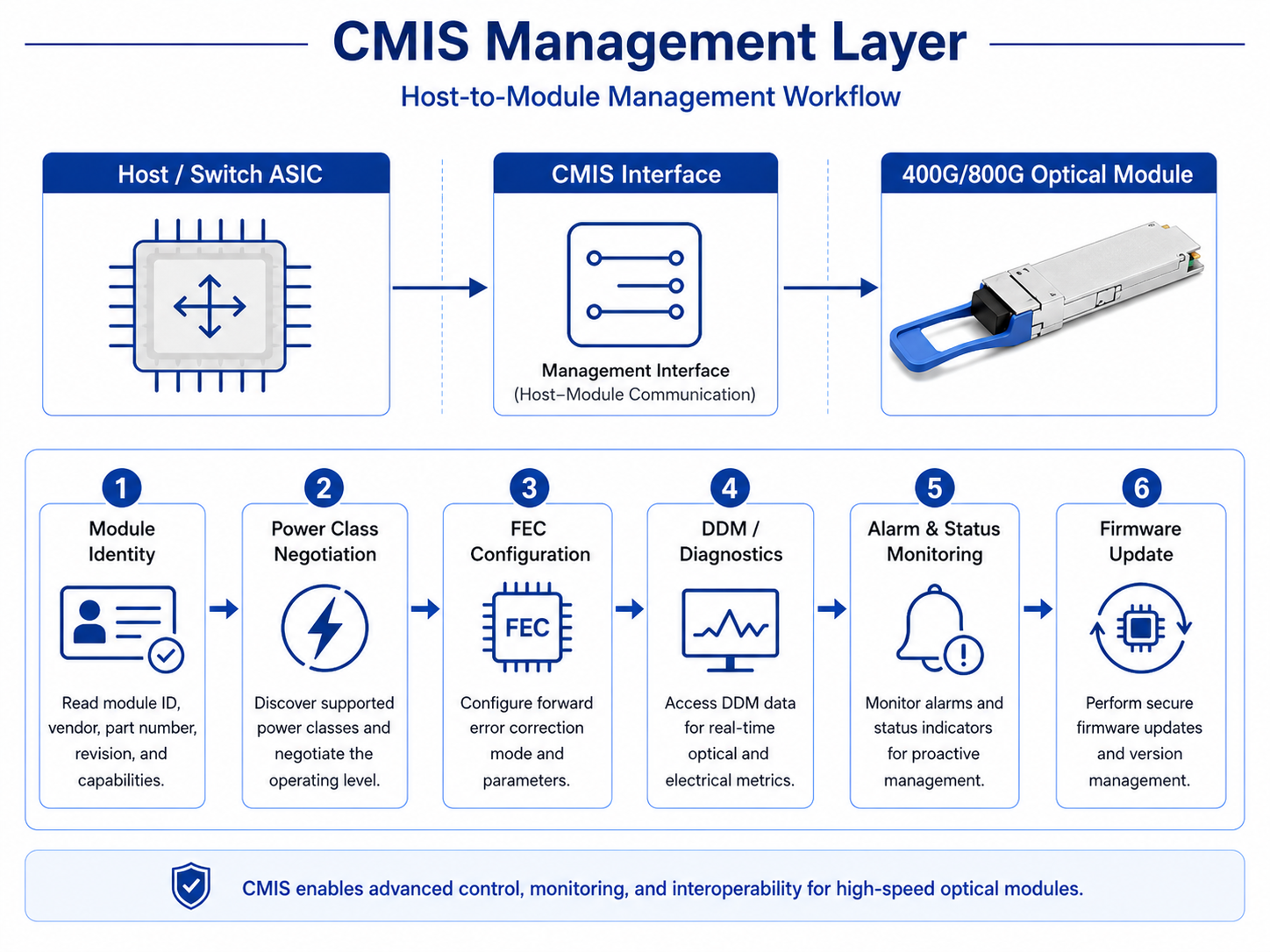
SFF-8636 served the QSFP+ and QSFP28 generations well, but 400G/800G modules need richer host communication. The Common Management Interface Specification (CMIS), now maintained by the Optical Internetworking Forum, addresses that gap.
CMIS defines how the host reads module identity, negotiates power classes, enables FEC, monitors Digital Diagnostics Monitoring (DDM), and applies firmware updates. Without CMIS support, a high-speed module may not initialize or may run at reduced performance. This is the layer that caught the engineer in our opening example.
CMIS 4.x supports most 400G QSFP-DD implementations. CMIS 5.x adds features for 800G and advanced diagnostics. When procuring 400G or 800G optics, verify both the module and the switch support the same CMIS revision.
CMIS also enables advanced module features such as application advertisement, adaptive power management, firmware activation, and event-driven monitoring.
Conclusion
QSFP standards consist of multiple complementary specifications rather than a single governing standard. While MSAs define the module form factor and interoperability requirements, SFF documents specify the electrical and mechanical implementation, IEEE 802.3 standards define Ethernet physical layers, and CMIS provides the management framework for modern high-speed optics.
As network speeds continue to evolve from 40G to 800G and beyond, understanding how these specifications work together is essential for selecting compatible transceivers, designing scalable infrastructure, and ensuring reliable interoperability across multi-vendor environments. By following the latest MSA, SFF, IEEE, and CMIS specifications, network operators can simplify deployments while preparing their data centers for next-generation AI, cloud, and high-performance computing applications.
Frequently Asked Questions
What is the difference between QSFP+ and QSFP28 standards?
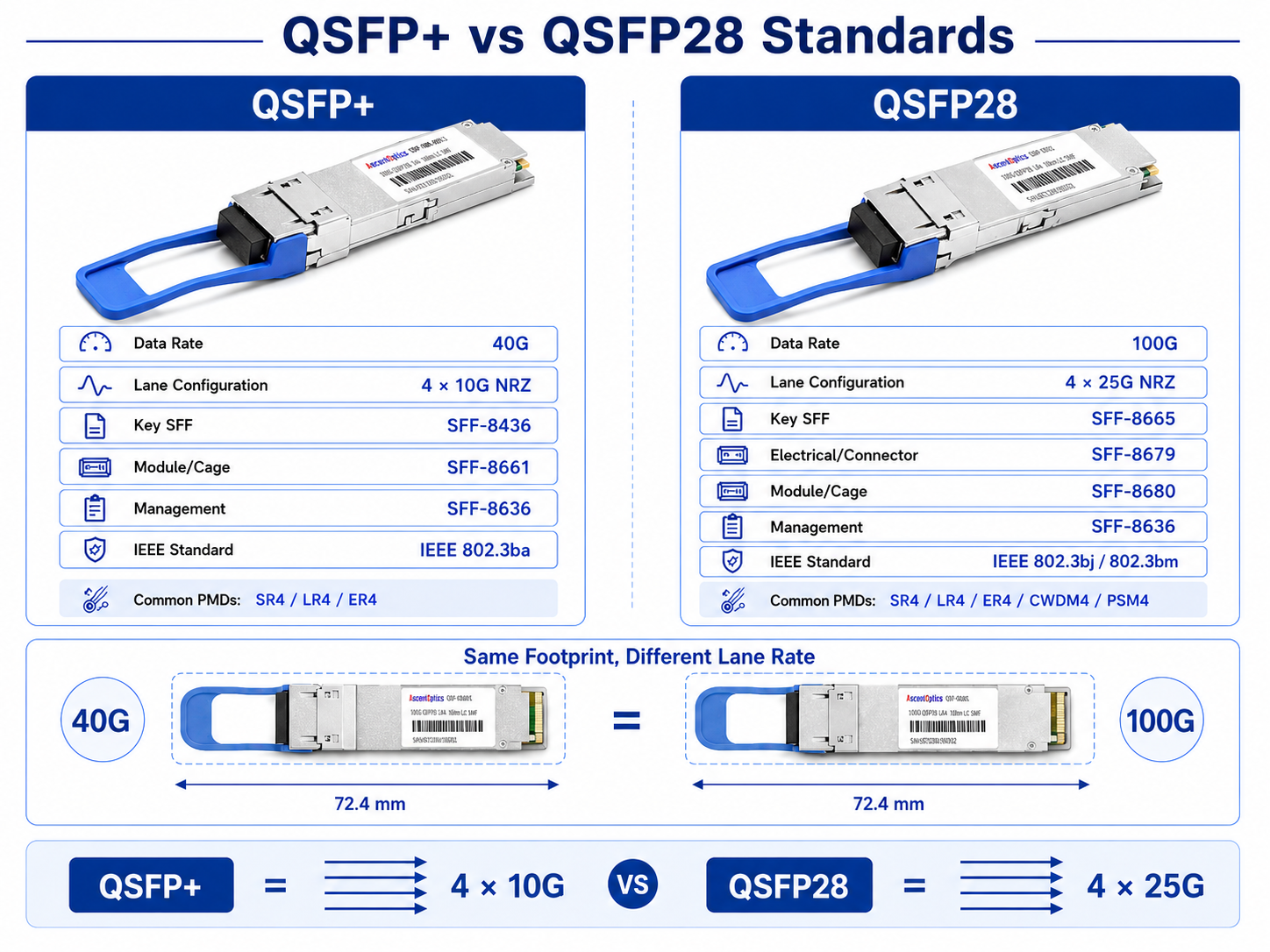
QSFP+ uses four 10 Gbps NRZ lanes for 40 Gbps total and is governed by SFF-8436. QSFP28 uses four 25 Gbps NRZ lanes for 100 Gbps total and is governed by SFF-8665, SFF-8679, and SFF-8680. The mechanical size is the same, but the electrical signaling and management details differ.
Is QSFP-DD backward compatible with QSFP28?
Yes. A QSFP-DD port accepts QSFP28, QSFP56, QSFP112, and QSFP+ modules and runs them at their native speeds. The reverse is not true; QSFP-DD modules require the extra row of electrical contacts that only QSFP-DD cages provide.
What does SFF-8436 define?
SFF-8436 is the QSFP+ 4×10 Gb/s pluggable transceiver specification. It defines the electrical interface, mechanical envelope, pinout, and memory map for 40G QSFP+ modules.
What is CMIS in optical transceivers?
CMIS is the Common Management Interface Specification. It standardizes host-to-module communication for power classes, FEC, firmware, and diagnostics. CMIS is required for 400G and 800G modules and is managed by the Optical Internetworking Forum.
Which IEEE standard defines 100GBASE-LR4?
IEEE 802.3ba originally defined 100GBASE-LR4 and 100GBASE-ER4. IEEE 802.3bm later added support for 100GBASE-SR4 and the CAUI-4 electrical interface used by QSFP28 modules.
Can MSA-compatible QSFP modules work in Cisco, Arista, or Juniper switches?
Yes, provided the module matches the platform’s form factor, power class, FEC, and management requirements. Some platforms enforce vendor-specific EEPROM codes, so it is important to confirm compatibility with the switch vendor or your optical module supplier.
Post Views: 2,419