Direct attach copper (DAC) cables, active optical cables (AOCs), and pluggable optical transceivers are all used for data center connectivity, but they solve different problems. DACs are often the most economical, lowest-power choice for short links. AOCs provide an integrated optical connection for moderate distances, while separate optical transceivers and fiber offer greater flexibility for structured cabling and longer reaches. The right choice depends on the required distance, port speed, host compatibility, power budget, and cabling design.
What Is a DAC Cable?
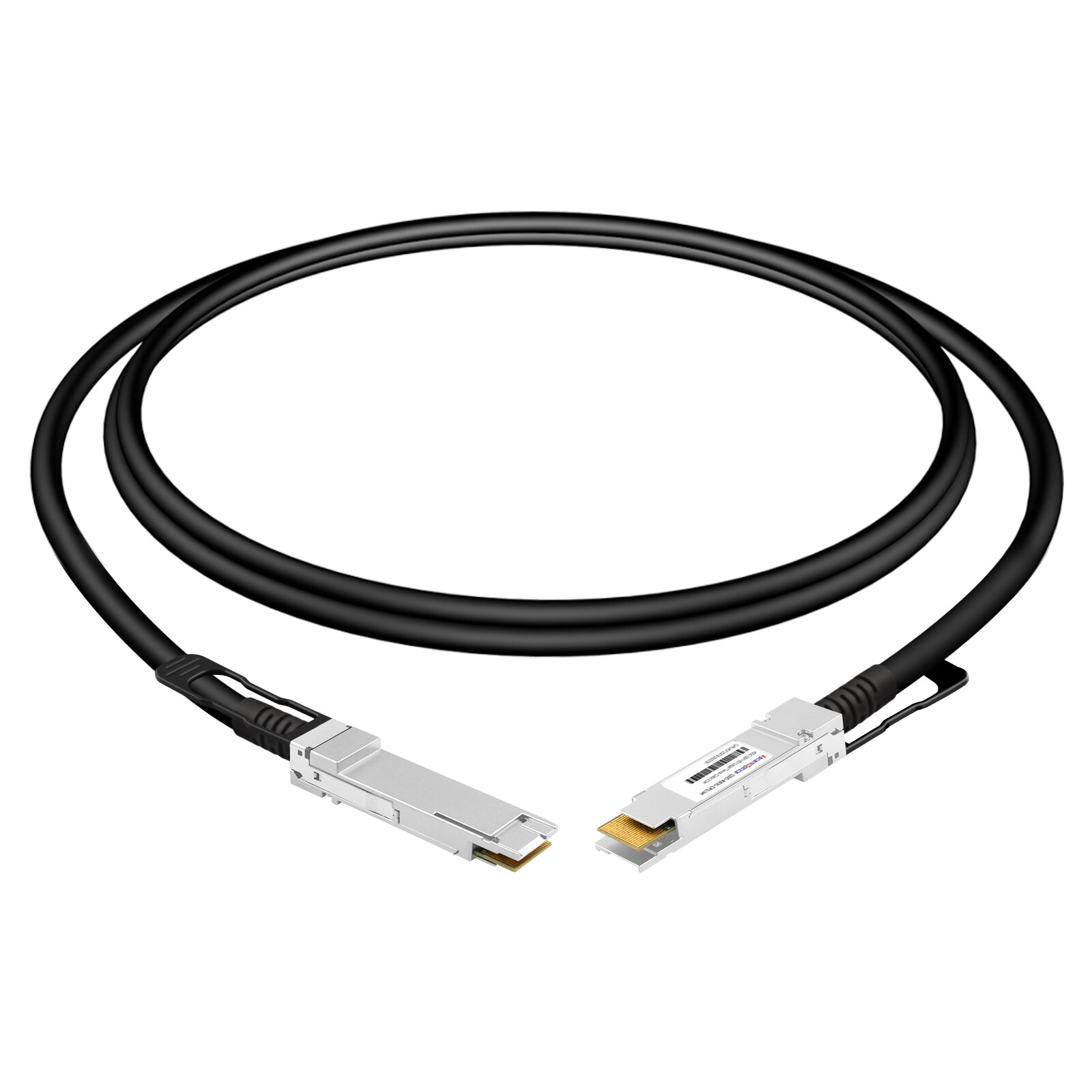
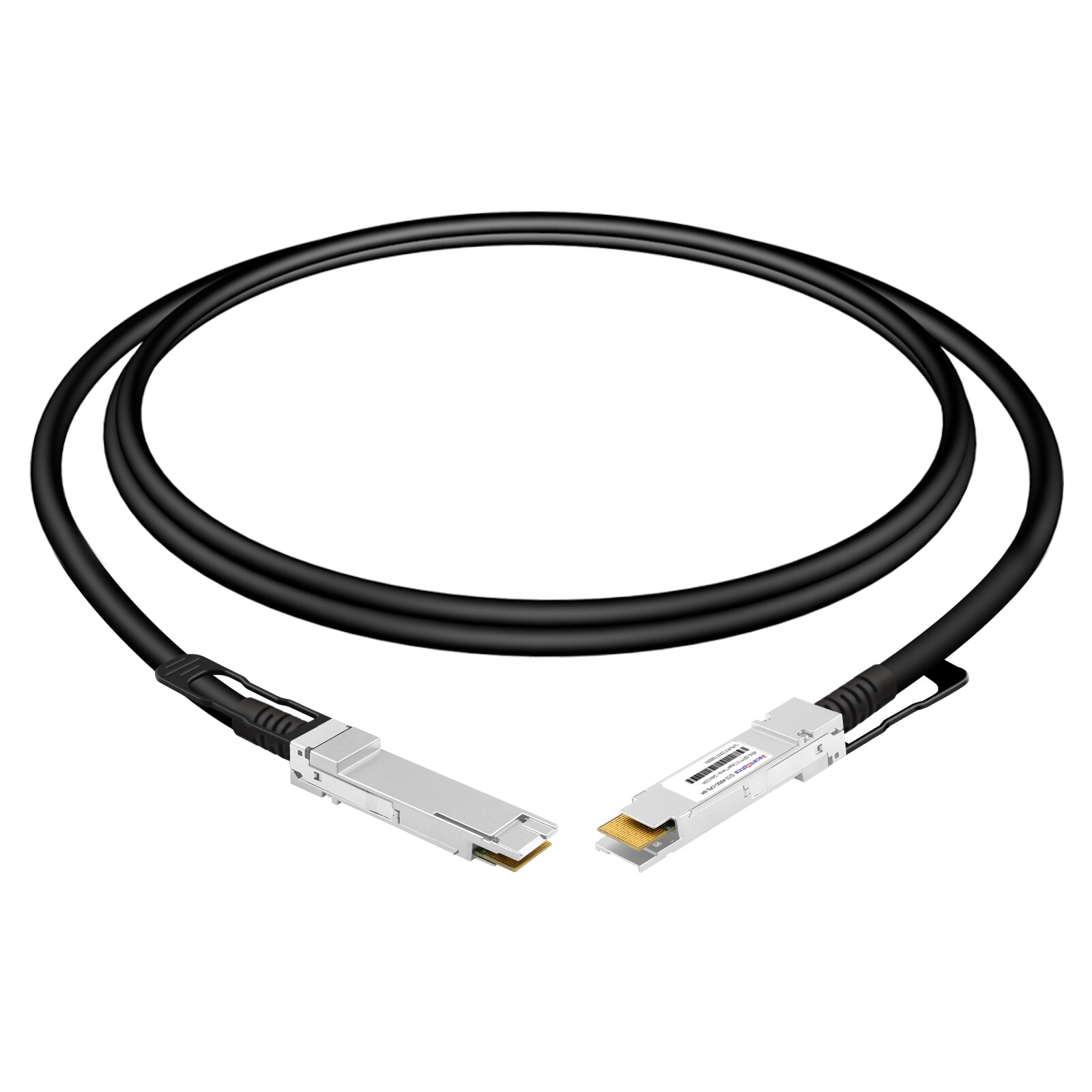
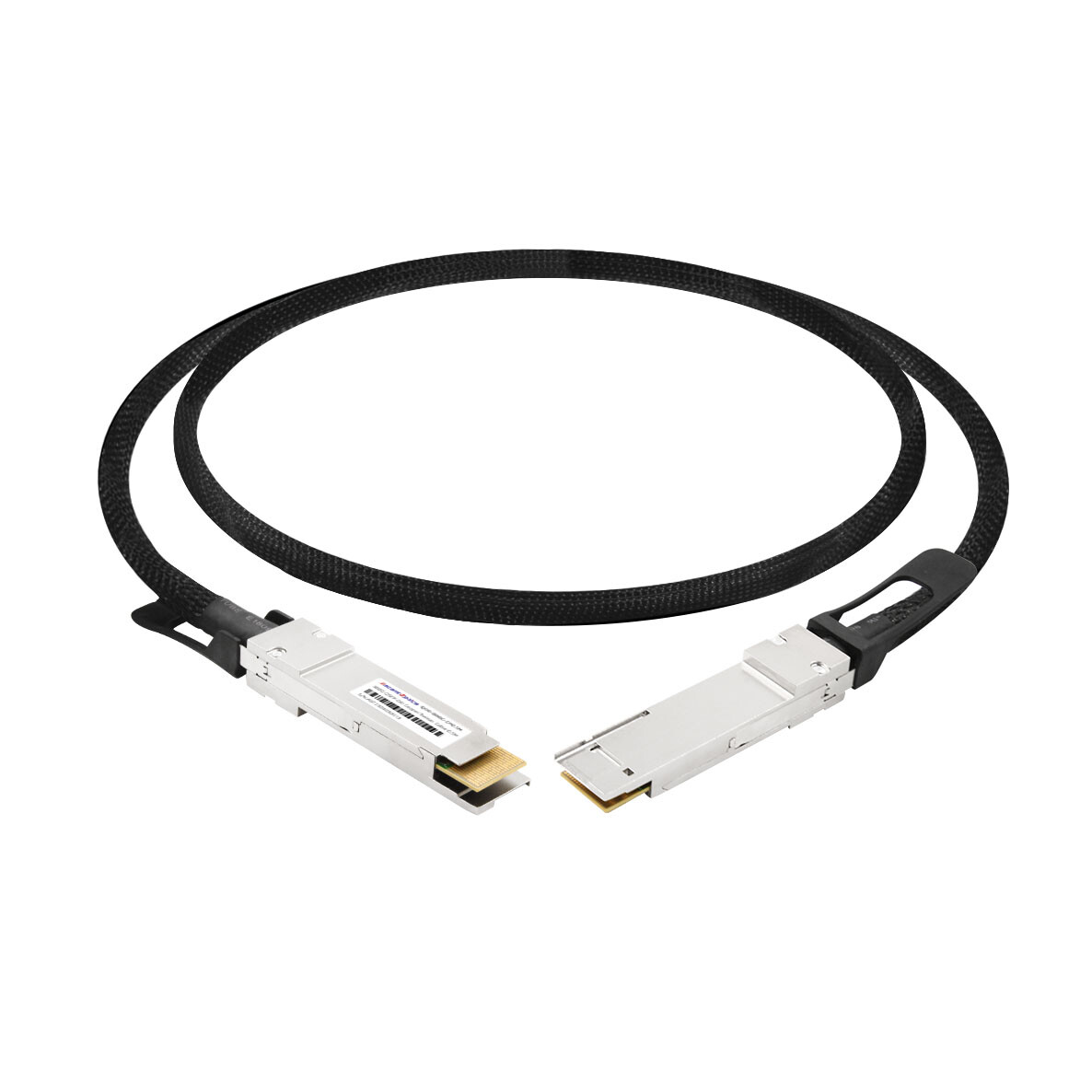
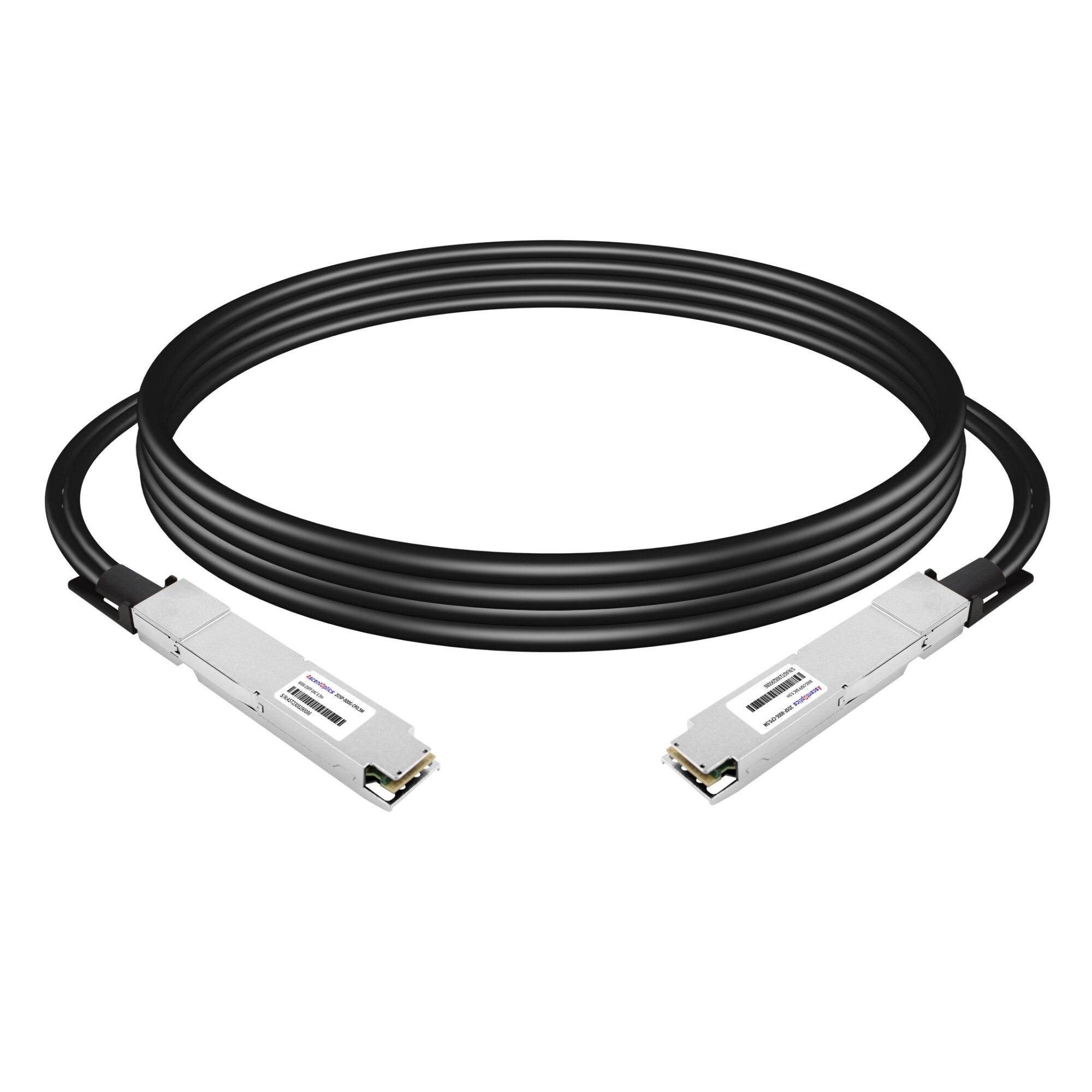
A direct attach copper (DAC) cable is a fixed-length twinax copper assembly with a transceiver-style connector at each end. The cable connects directly to compatible switch, server, or network-interface ports, so separate optical transceivers and fiber patch cords are not required.
DAC assemblies are commonly described in two categories:
- •Passive DAC: Uses no active signal-conditioning electronics in the cable assembly. It generally has the lowest power consumption and cost, but its supported reach is limited by electrical signal integrity.
- •Active copper cable (ACC): Includes active electronics to condition or equalize the electrical signal. It can support longer reach than a comparable passive DAC in some designs, but it costs more and consumes power. The supported reach and power depend on the specific cable.
Because a passive DAC does not perform optical-to-electrical or electrical-to-optical conversion, it can be an efficient option for short connections. However, reach and compatibility must be verified against the cable specification and the host equipment.
What Is an Optical Module?
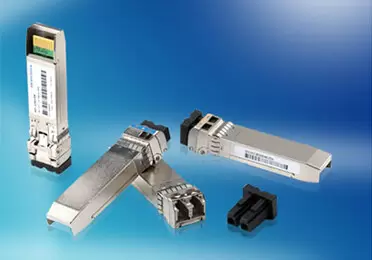
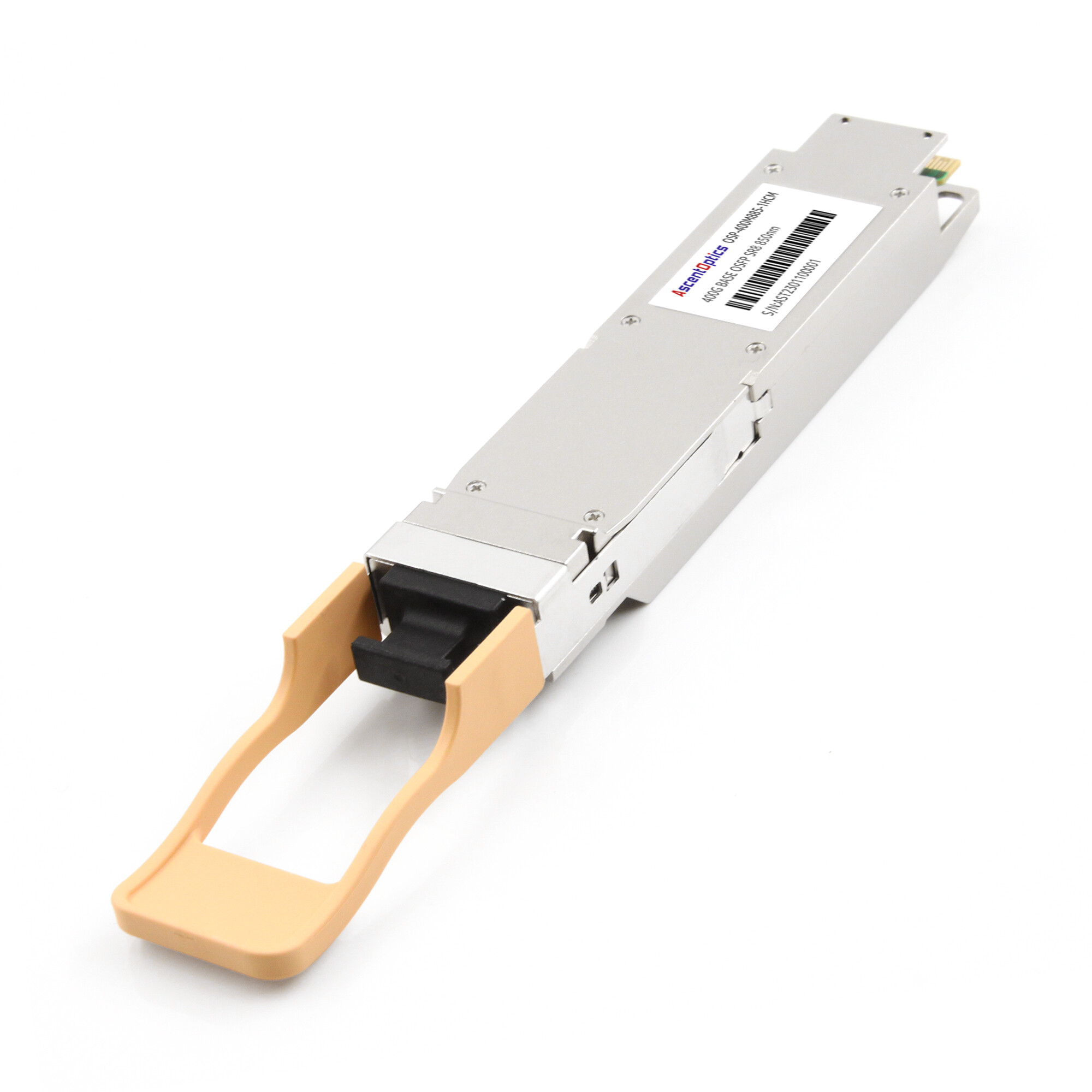
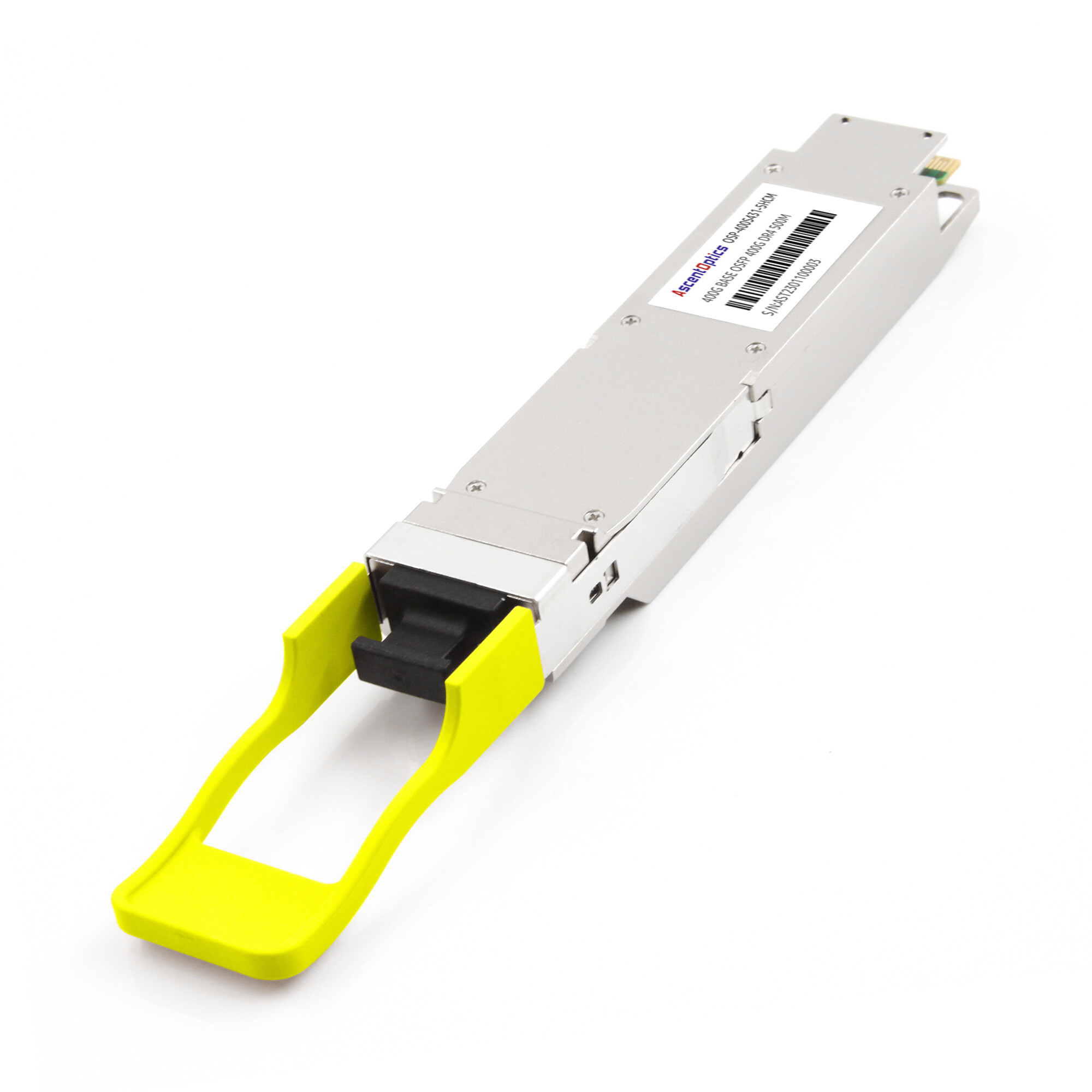
A pluggable optical transceiver converts electrical signals from a host device into optical signals for transmission over fiber, and converts received optical signals back into electrical signals. Common form factors include SFP/SFP+, QSFP28, QSFP-DD, QSFP112, and OSFP. The module is normally used with a separate, compatible fiber patch cord.
Reach depends on the transceiver standard, wavelength, fiber type, link budget, and specific product. Common naming conventions include:
- •SR: Short-reach optics, commonly used with multimode fiber. The supported distance varies by speed and standard.
- •LR: Typically designed for links up to around 10 km over single-mode fiber for many Ethernet transceiver families.
- •ER: Often supports reaches around 40 km, depending on the standard and product.
- •ZR / coherent optics: Some products support approximately 80 km or longer, but reach depends on the optical standard, line system, and deployment conditions. DWDM describes a wavelength-multiplexing approach and is not itself a universal reach class.
Optics enable longer links and more flexible cabling, but typically require more power and a higher initial investment than a passive DAC. Always check the module datasheet and the supported host-platform requirements.
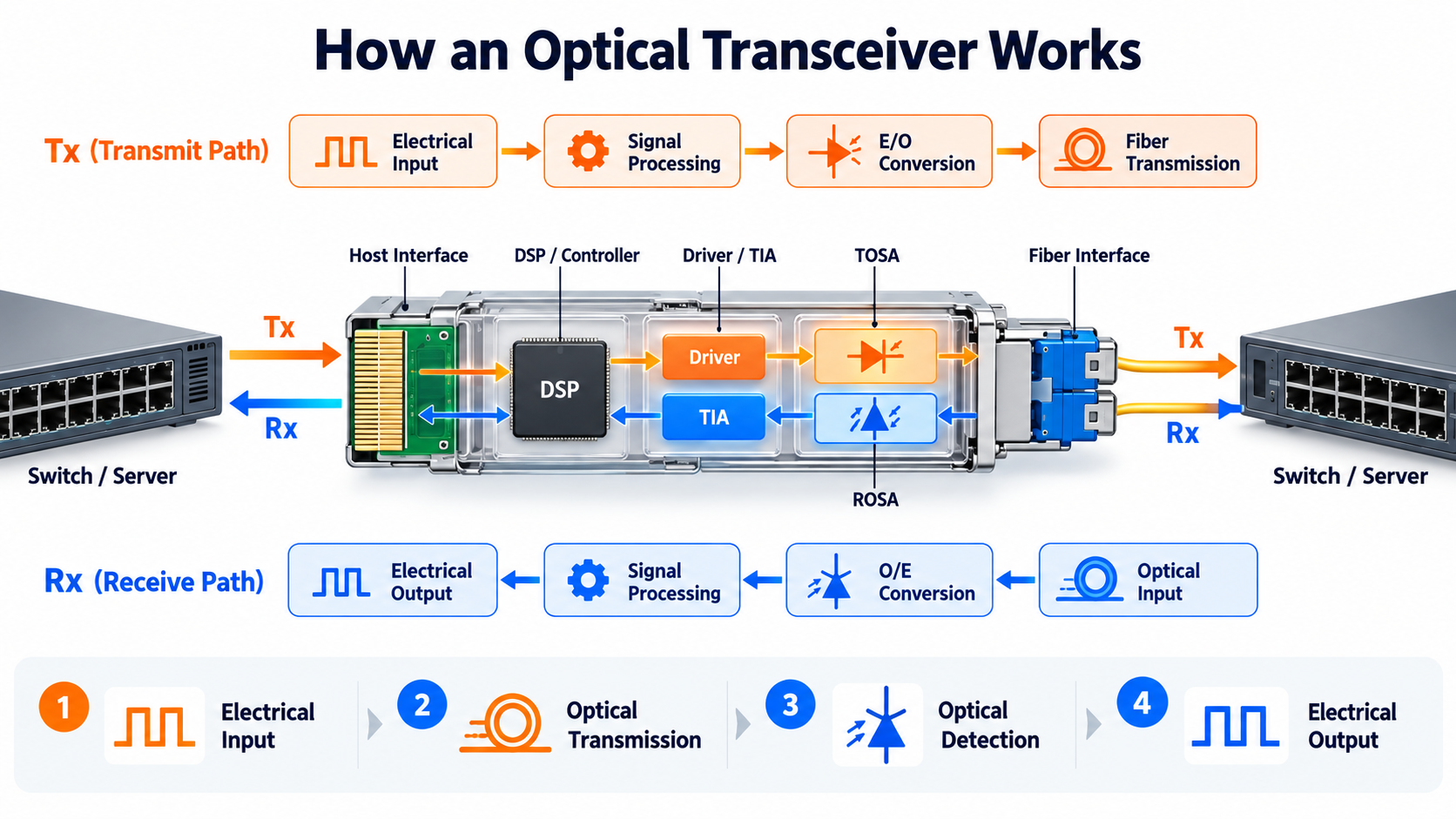
DAC Cable vs. Optical Module: Key Differences
The following comparison is a general guide. Actual values vary by speed, standard, and product model.
| Factor |
DAC Cable |
Optical Transceiver + Fiber |
| Reach |
Short links; supported length depends on speed and cable model. |
From short-reach links to tens or hundreds of kilometers for suitable products and systems. |
| Power |
Passive DAC adds virtually no cable-side power; ACC consumes power. |
Module power varies widely with speed, reach, and design. |
| Latency |
Passive DAC avoids optical conversion and optical-module processing. |
May add conversion and DSP/FEC-related latency, depending on implementation. |
| EMI |
Electrical signaling can be affected by EMI and crosstalk. |
Fiber as a transmission medium is immune to EMI; module electronics are not inherently immune. |
| Cable handling |
Twinax assemblies are often thicker and less flexible. |
Fiber is typically thinner and easier to route in dense structured cabling. |
| Initial cost |
Often the lowest-cost option for short links. |
Usually higher when modules and fiber are purchased separately. |
| Flexibility |
Fixed-length assembly; cable and ends are replaced as a unit. |
Modules and fiber patch cords can be selected or replaced independently. |
| Typical fit |
Short server-to-switch or switch-to-switch links. |
Longer links, patch panels, and structured cabling. |
Where AOC Fits
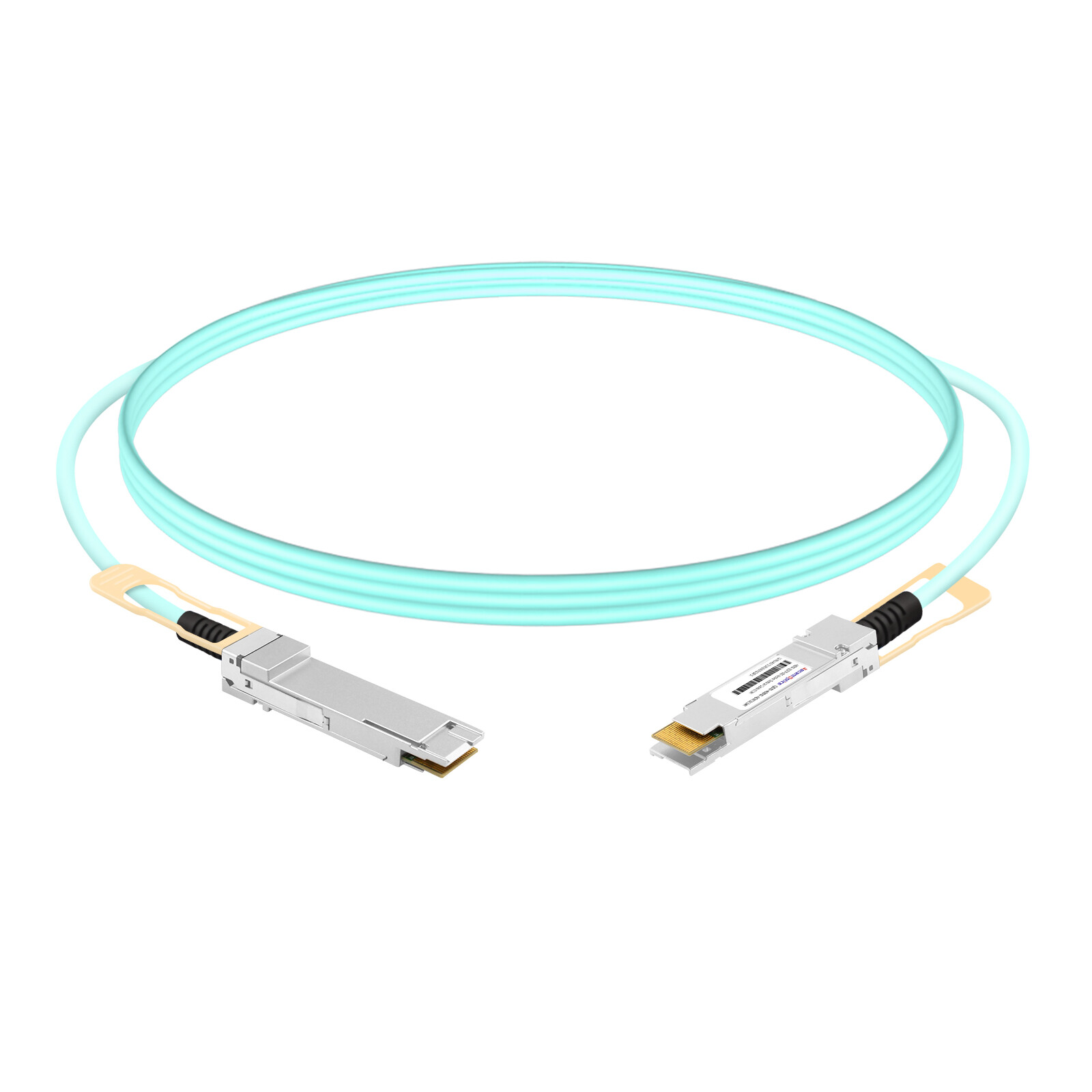
An active optical cable (AOC) is an integrated cable assembly with optical conversion electronics built into its ends and fiber in between. Unlike a DAC, it carries the signal optically through the cable; unlike a separate transceiver-and-fiber solution, the optical ends are not normally intended to be detached from the cable. AOCs can be useful when a link is too long for the preferred copper assembly or when a lighter, more flexible cable is desirable, but the exact reach and compatibility are product-specific.
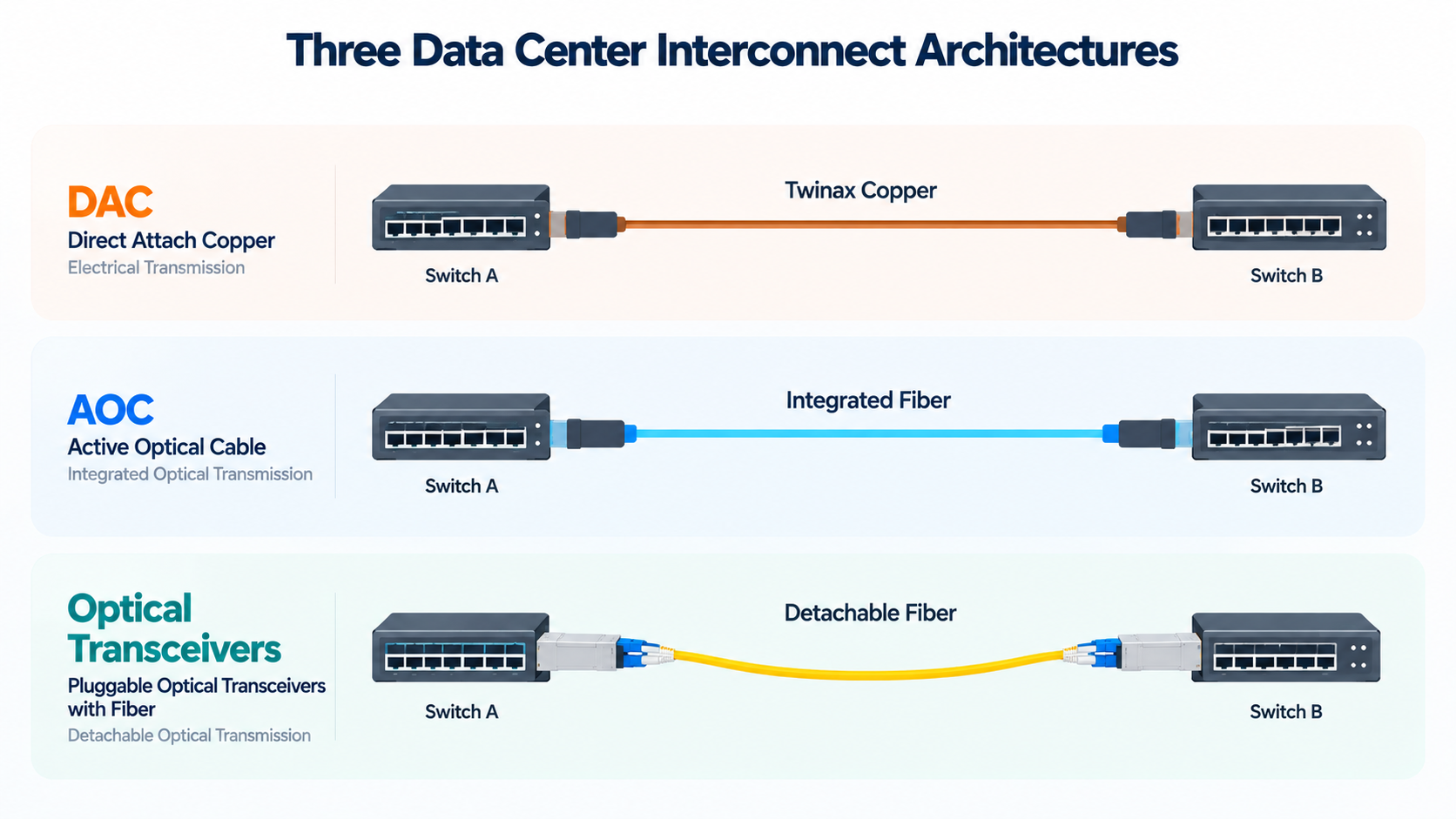
Distance: How to Choose the Right Medium
Distance is a useful first filter, but there is no single universal DAC reach limit for each Ethernet speed. Passive DAC reach depends on the electrical channel, cable construction, lane rate, host implementation, and compliance requirements. ACC may extend the supported reach for some applications. AOC reach also varies by product, while separate optical transceivers can support a wide range of distances.
Use the following as a starting point, not as a guaranteed specification:
- •Very short, stable links within a rack: consider passive DAC first, provided the cable length and host compatibility are validated.
- •Short links where passive copper cannot meet the reach or signal-integrity requirement: compare ACC and AOC options.
- •Links routed through patch panels, structured cabling, or longer inter-row distances: separate optical transceivers and fiber are often the more practical solution.
Do not select a cable based on distance alone. Confirm the supported cable type, length, data rate, connector, firmware/platform compatibility, and any vendor qualification requirements.
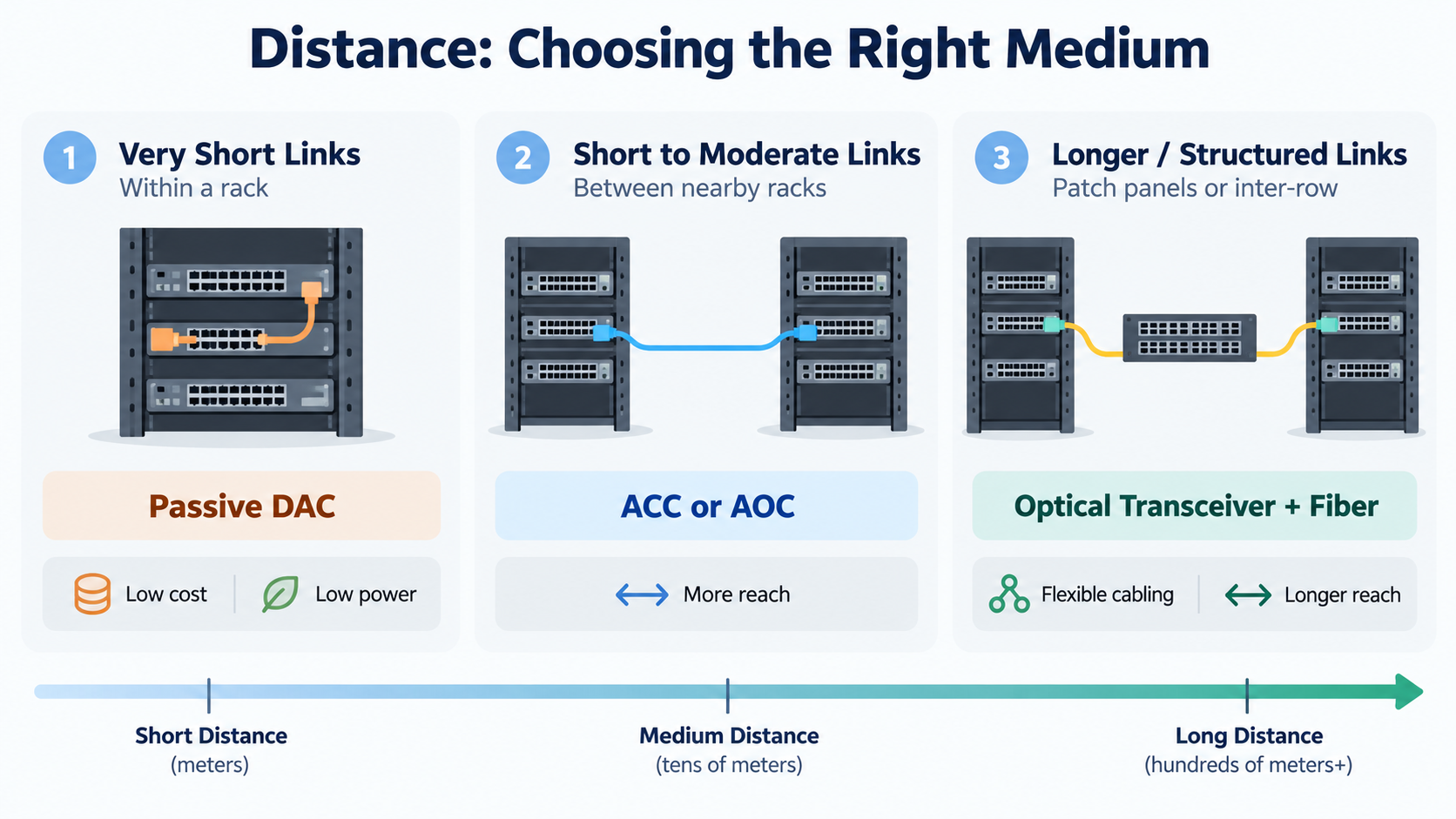
Power Consumption and Heat
A passive DAC has virtually no active cable-side power consumption. An ACC or AOC uses active electronics, and a pluggable optical transceiver also consumes power. The amount varies by product, reach, optical architecture, and signal-processing implementation; therefore, a single wattage range should not be treated as universal.
For high-density AI and HPC systems, per-port power can add up across a large switch. For example, 64 optical modules drawing 15 W each would consume 960 W in aggregate. This is an illustrative calculation, not a claim that every 800G module draws 15 W. Use the actual module specifications and account for system cooling requirements when building the power budget.
Cost and Total Cost of Ownership
For a short link, a passive DAC is often the least expensive option because it does not require separate optical transceivers or fiber patch cords. ACC and AOC assemblies usually cost more than passive DACs, while the cost of a transceiver-and-fiber link depends on the module type, reach, fiber plant, and quantities purchased. This is a general pattern rather than a guaranteed price hierarchy.
Total cost of ownership also includes power, cooling, maintenance, spares, and future changes. Separate optical modules and patch cords can offer more flexibility when links are reconfigured or when an existing fiber plant can be reused. A fixed-length DAC can be economical when the topology is stable and its reach is sufficient.
Latency, EMI, and Cable Management
Passive DACs generally avoid the optical conversion and optical-module processing stages, which can make them attractive for short, latency-sensitive links. However, end-to-end latency depends on the complete system, including SerDes, FEC, DSP, and switching or forwarding behavior. The medium alone does not determine total latency.
Copper links can be affected by electromagnetic interference and crosstalk, depending on cable design, shielding, installation, and the electrical environment. Fiber as a transmission medium is immune to EMI, although the electronic circuitry in optical transceivers can still be affected by its environment.
DAC assemblies are often thicker and less flexible than fiber cables, which can complicate routing in dense racks. Fiber can improve cable management and airflow, but it requires appropriate bend-radius control, connector cleanliness, and handling. The best choice balances electrical performance, routing, serviceability, and deployment cost.
When to Use a DAC, AOC, or Optical Transceiver
Use these guidelines as an initial shortlist; verify the exact product and host-platform requirements before deployment.
- •Passive DAC: short, stable connections where the supported reach is sufficient and minimizing cost and cable-side power is important.
- •ACC: short electrical links that need active signal conditioning to meet a required reach, when a compatible ACC is supported.
- •AOC: integrated optical cabling for links where fiber-based transmission and a fixed cable assembly are suitable.
- •Optical transceiver + fiber: longer distances, structured cabling, patch-panel environments, or deployments that benefit from separately replaceable modules and fiber.
Quick Decision Checklist
- 1. What is the actual cable route length, including routing slack?
- 2. Does the host platform support the selected cable or transceiver type and data rate?
- 3. Does the product datasheet validate the required reach and operating conditions?
- 4. Would ACC or AOC meet the link requirement better than passive DAC?
- 5. Will patch panels, future moves, power limits, or maintenance needs affect the total cost?
The choice should be driven by validated reach, compatibility, power, and the physical cabling plan—not by brand preference alone. A vendor-neutral comparison of the exact products is the most reliable way to choose.
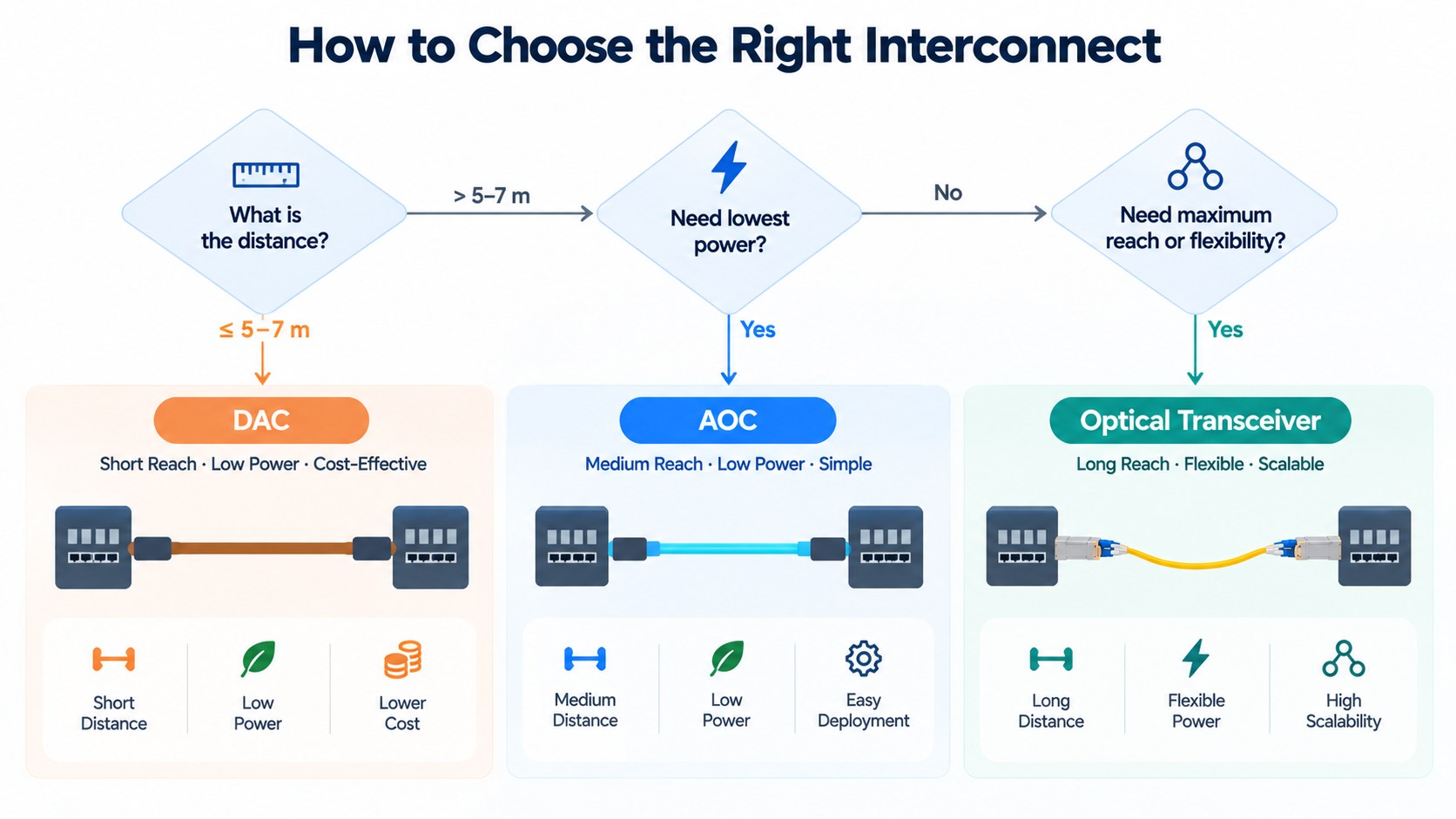
Conclusion
DAC cables are often the best fit for short, stable links where low cost and minimal cable-side power matter. ACC can extend the reach of some electrical links, while AOCs provide an integrated optical alternative. Separate optical transceivers and fiber are usually preferable when the deployment needs longer reach, structured cabling, or greater flexibility. Start with the required distance, then verify compatibility, power, and product-specific specifications before making the final choice.
FAQ
Is a DAC cable better than an optical module?
Neither is universally better. DAC is often more economical for short links, while optical transceivers support a broader range of distances and cabling designs.
What is the difference between DAC and AOC?
DAC carries electrical signals over copper. AOC uses optical transmission through fiber, with optical conversion components integrated into the cable ends.
Can DAC cables be used for 400G and 800G?
Yes, compatible DAC products are available for high-speed links, but supported length depends on the product, host platform, and electrical channel. Check the datasheet.
Do optical modules always consume more power than DAC cables?
Passive DACs have virtually no active cable-side power consumption. ACCs, AOCs, and optical transceivers use active electronics, with power varying by model.
When should I choose optical transceivers instead of DAC?
Consider separate optical transceivers and fiber for longer links, structured cabling, patch-panel deployments, or installations that need independently replaceable modules and fiber.
Does fiber have lower latency than copper?
Not necessarily. Passive DACs avoid optical conversion stages, but total latency depends on the complete link and equipment implementation.
Are optical fibers immune to electromagnetic interference?
The fiber transmission medium is immune to EMI. The electronic components at the transceiver ends can still be affected by their operating environment.
Post Views: 140