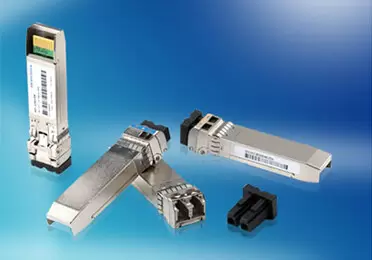
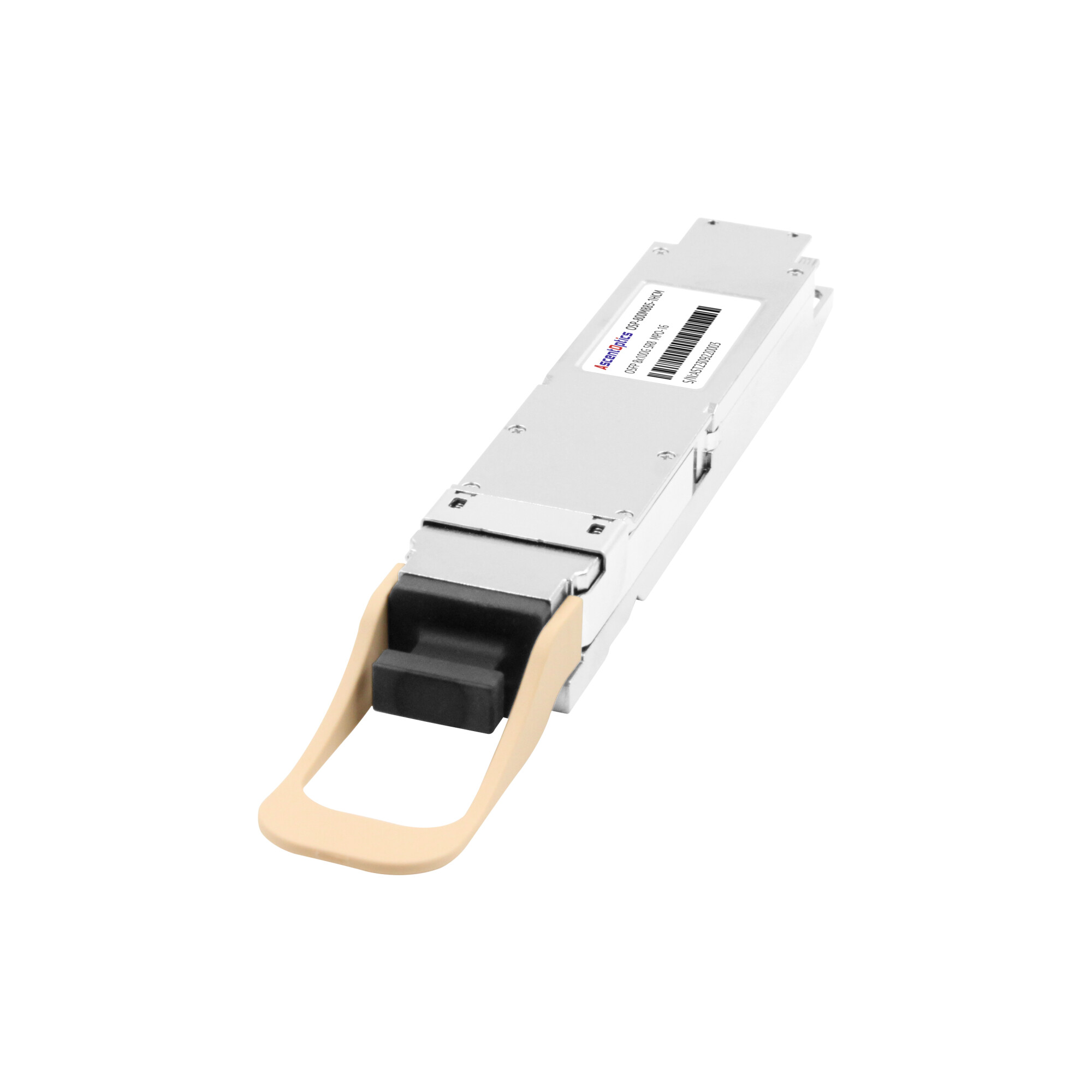
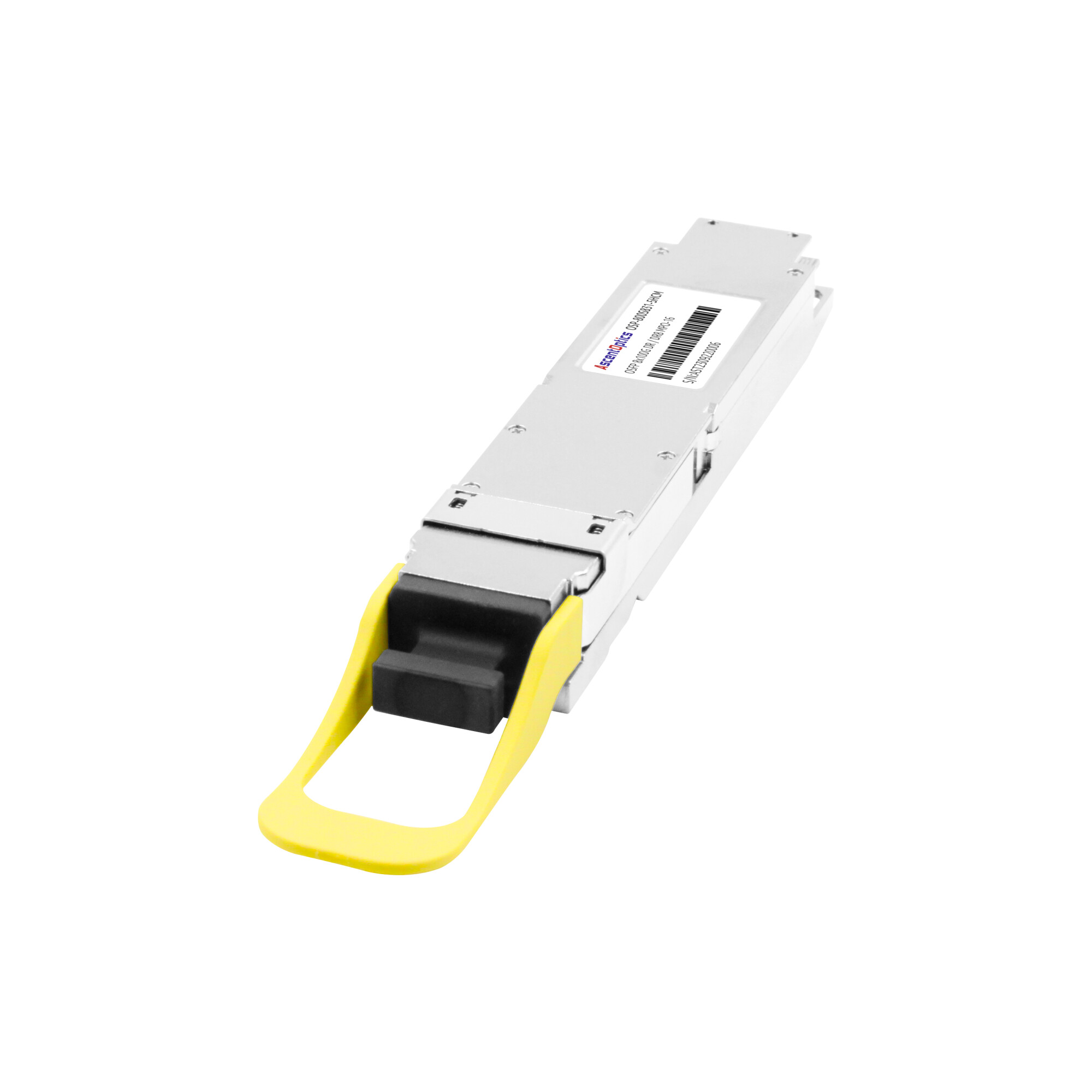
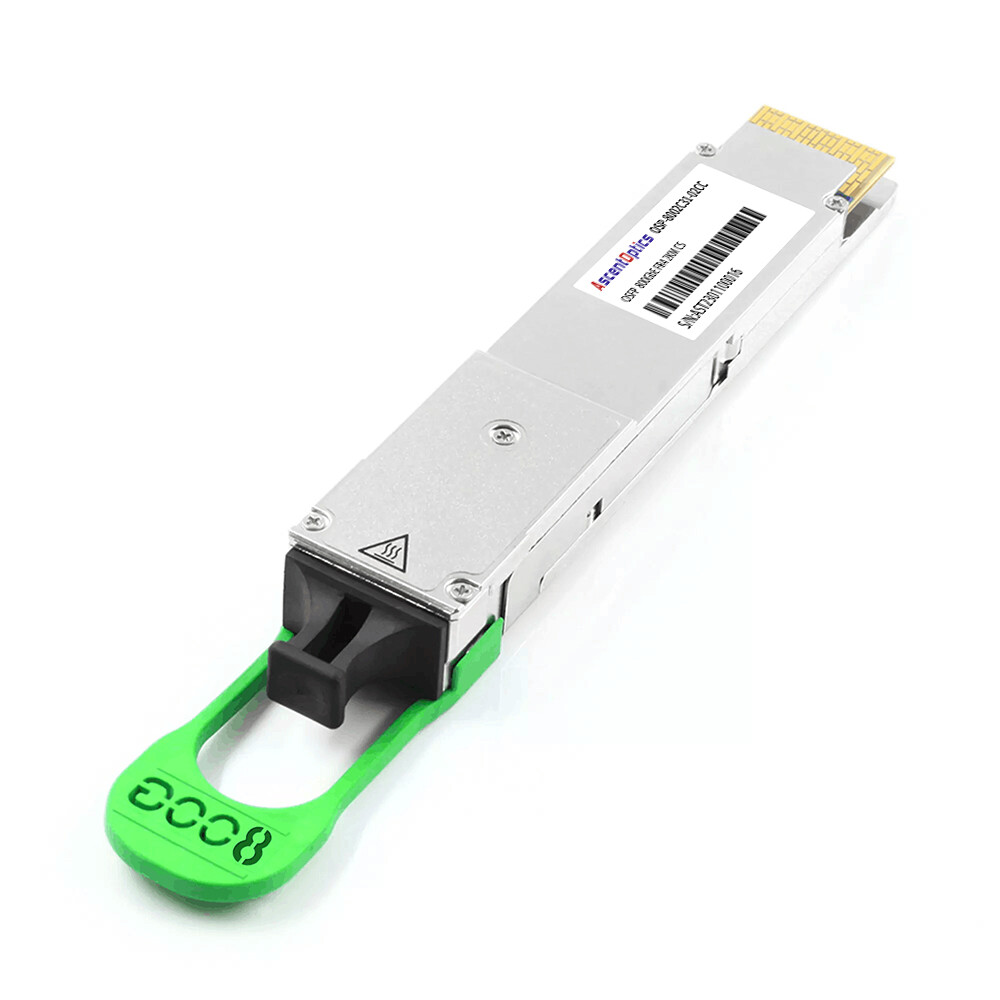
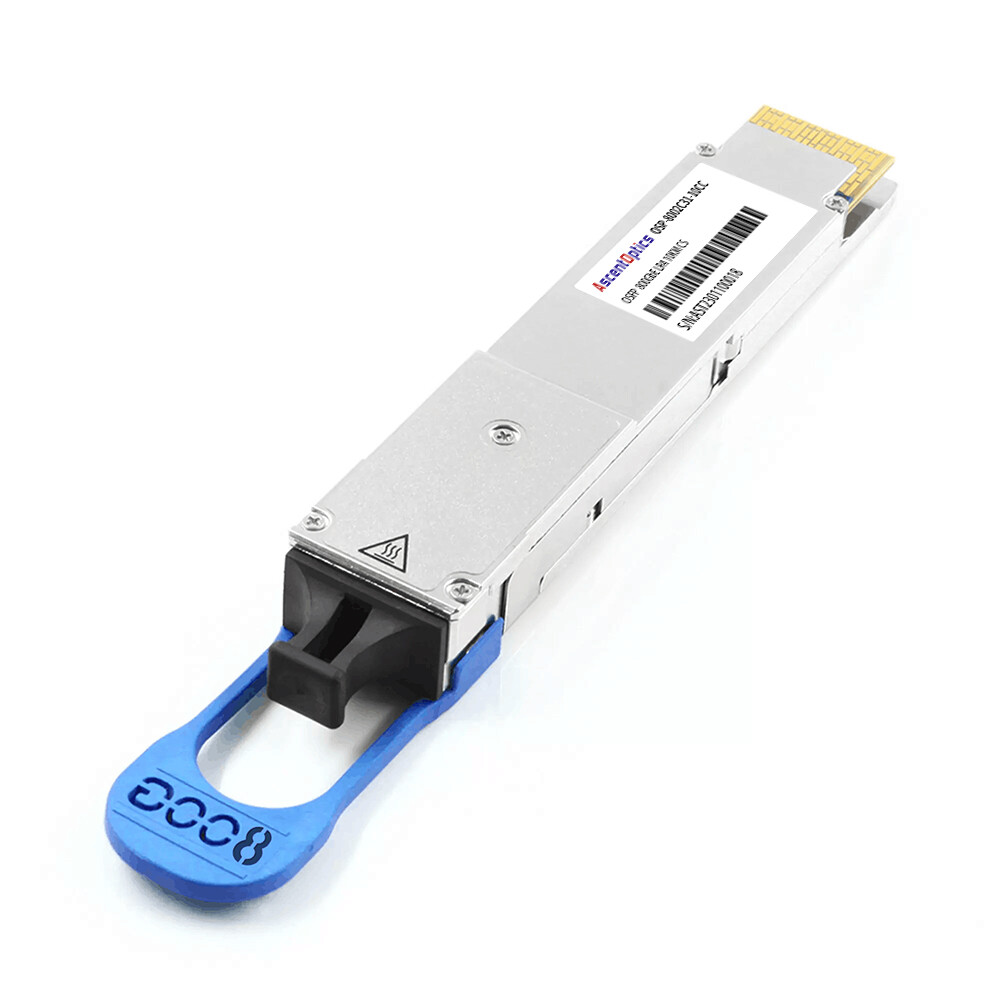
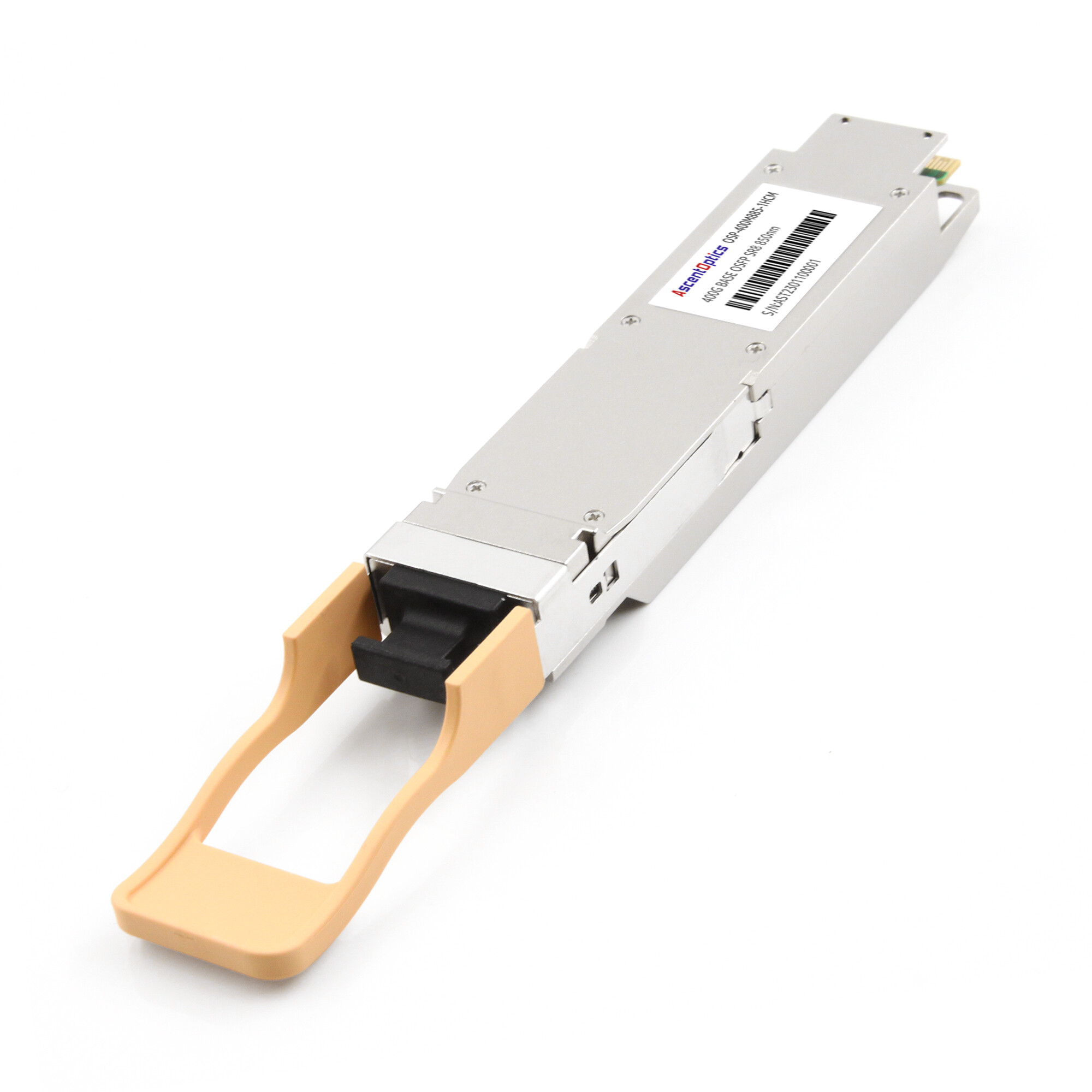
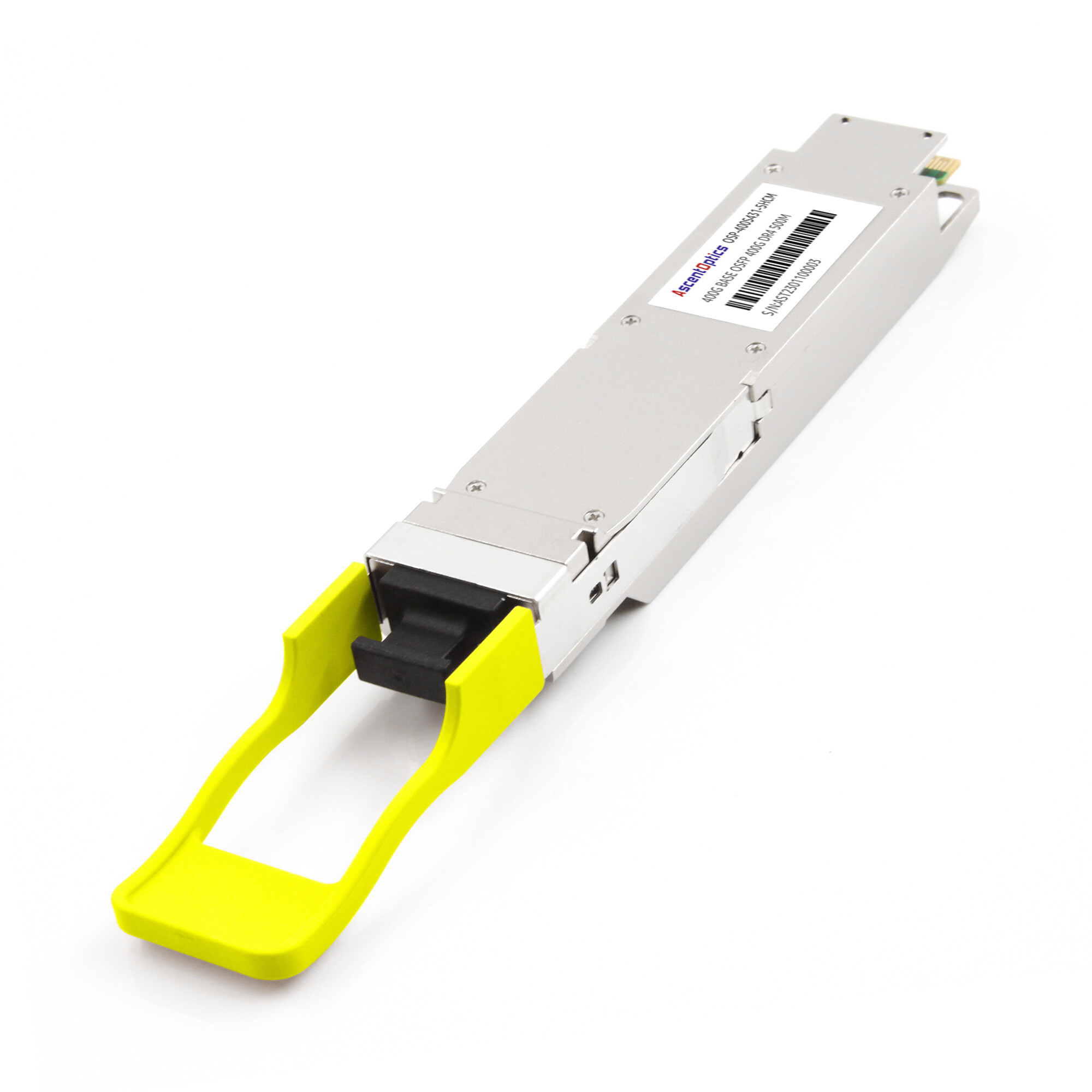
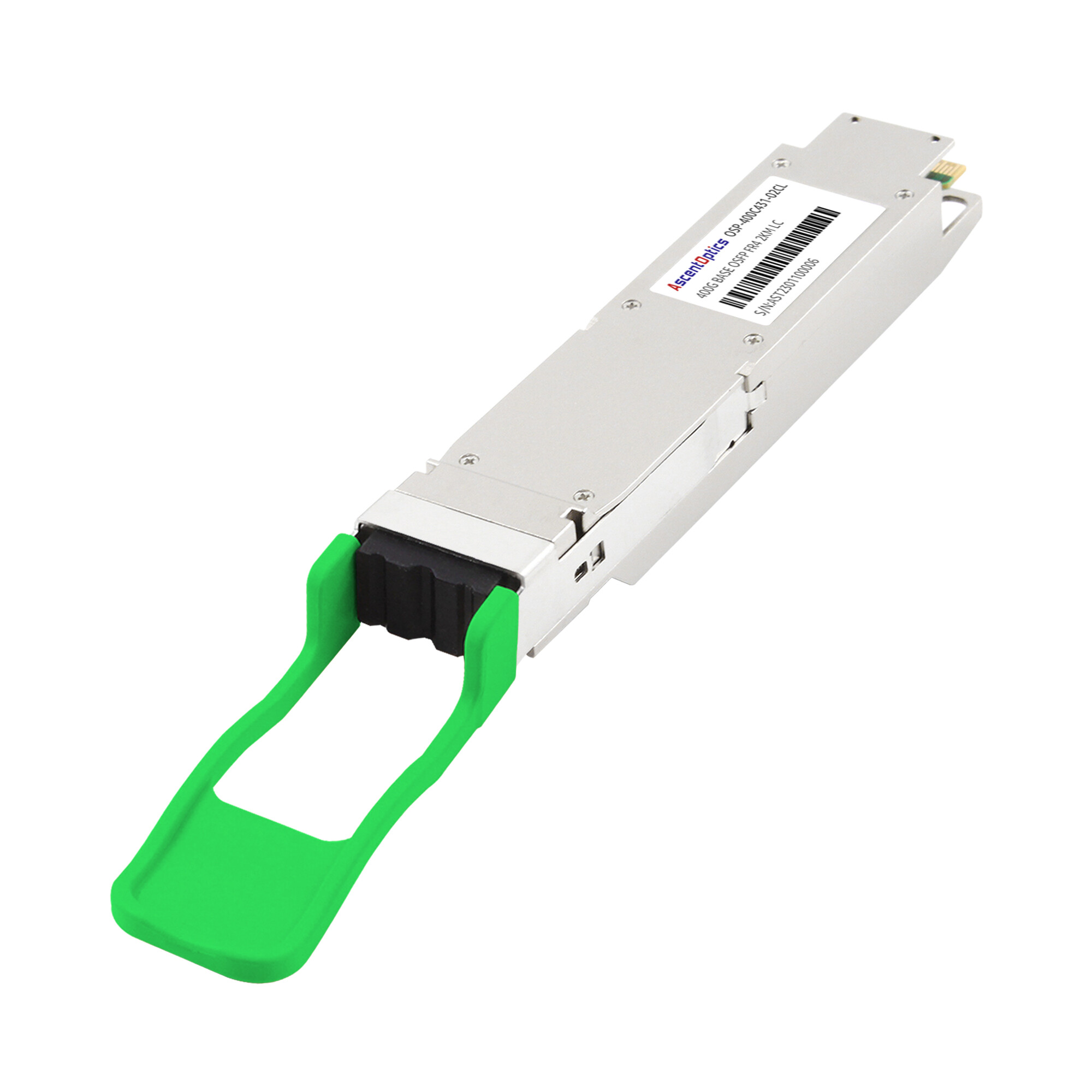
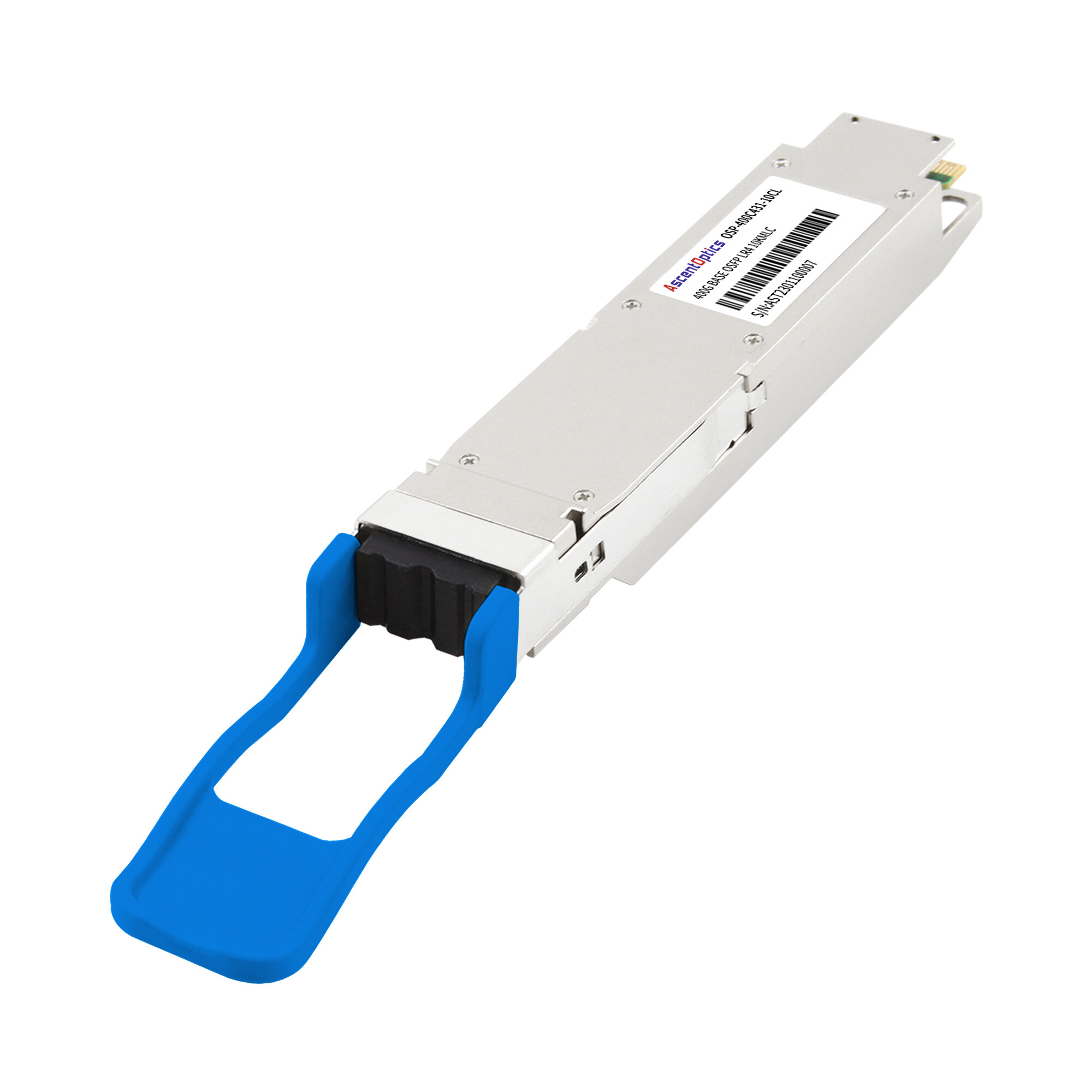
The contest between 800G and 400G optical modules is essentially a trade-off between bandwidth demand and cost-efficiency. With a mature ecosystem and cost-effective deployment, 400G remains the optimal choice for price-performance; meanwhile, 800G targets AI clusters and hyperscale data centers, offering superior density and energy efficiency. There is no one-size-fits-all upgrade path; achieving a smooth evolution requires careful consideration of fiber infrastructure, power budgets, and traffic models projected for the next three years.
400G vs 800G: What’s the Difference at a Glance
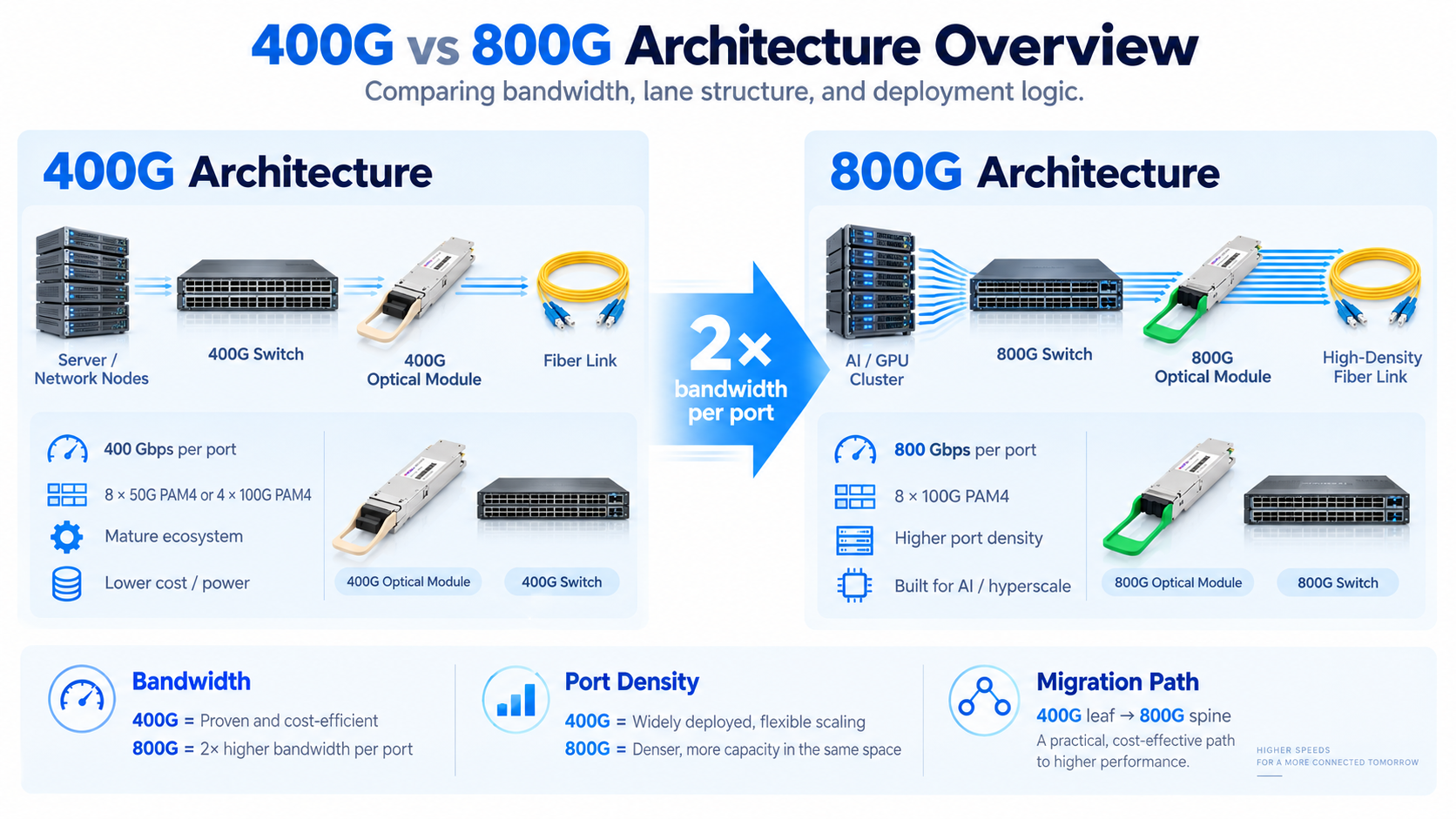
At the most basic level, a 400G optical transceiver delivers 400 Gbps per port, while an 800G module delivers 800 Gbps. For the same aggregate bandwidth, 800G can roughly halve the port count, which simplifies cabling and improves port utilization in dense designs.
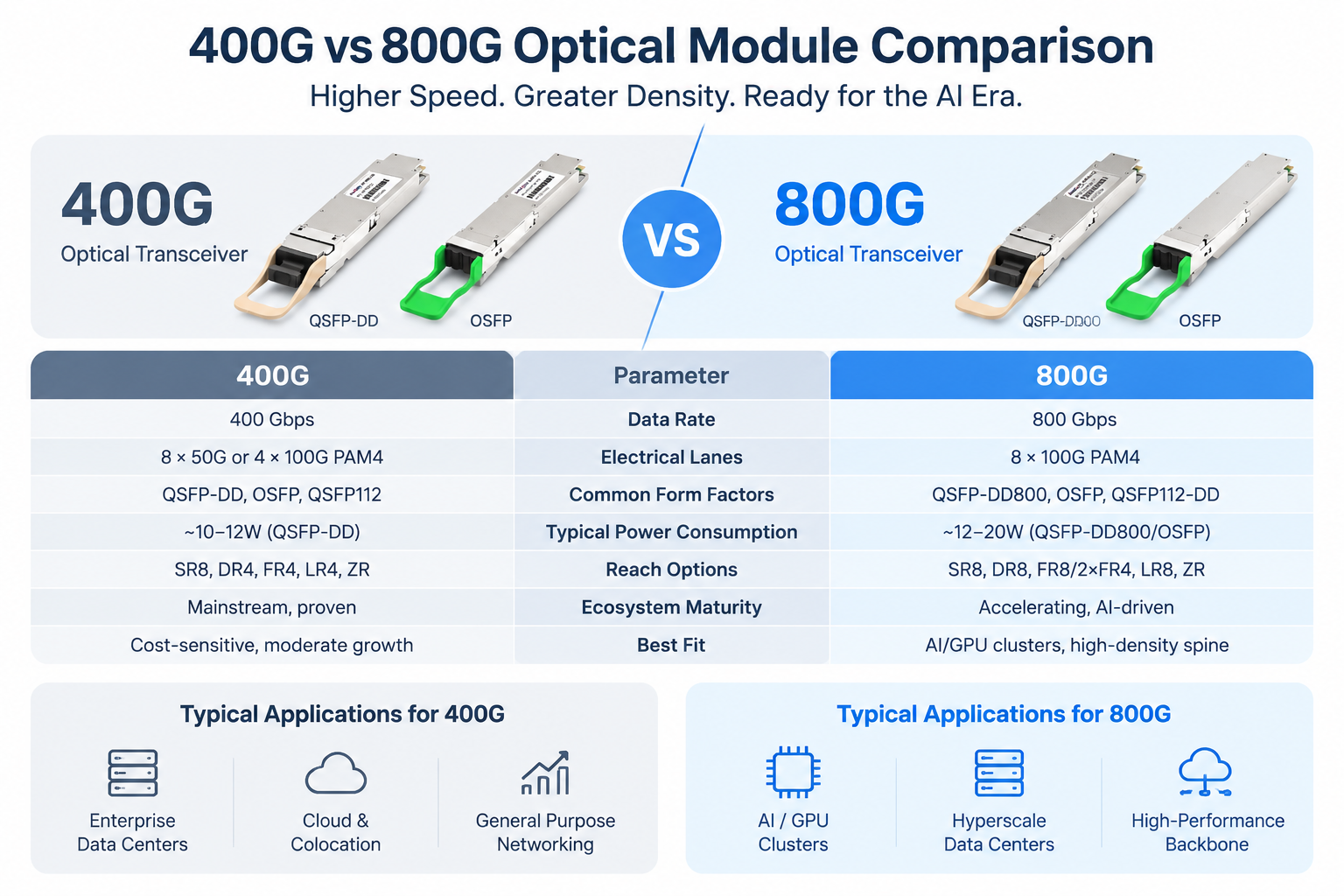
The comparison runs deeper than raw speed, though. Here is the at-a-glance view:
| Parameter |
400G Optical Transceiver |
800G Optical Transceiver |
| Data rate |
400 Gbps |
800 Gbps |
| Electrical lanes |
8 × 50G or 4 × 100G PAM4 |
8 × 100G PAM4 |
| Common form factors |
QSFP-DD, OSFP, QSFP112 |
QSFP-DD800, OSFP, QSFP112 |
| Typical power |
~10–12W (QSFP-DD) |
~12–20W (QSFP-DD800/OSFP) |
| Reach variants |
SR8, DR4, FR4, LR4, ZR |
SR8, DR8, FR8/2×FR4, LR8, ZR |
| Maturity |
Mainstream, proven |
Accelerating, AI-driven |
| Best fit |
Brownfield, cost-sensitive, moderate growth |
Greenfield AI/GPU fabrics, high-density spine |
One point worth stressing early: 800G is not a single module. It spans multiple form factors and optical variants, each with different power and reach trade-offs.
400G Optical Transceivers: The Mature Workhorse
400G Optical Transceivers have become an established high-speed connectivity option across cloud, enterprise, colocation, and data center environments. Their mature ecosystem, broad deployment base, and relatively lower cost per port make 400G a practical choice for many networks.
Form Factors
Common 400G form factors include QSFP-DD, OSFP, and QSFP112, depending on the switch platform and electrical interface.
- QSFP-DD: A widely deployed compact form factor for 400G data center connectivity. Compatible platforms can also support lower-speed operation within the QSFP family.
- OSFP: A larger form factor that provides additional thermal headroom and is widely used in high-performance and AI networking platforms.
- QSFP112: Uses 112G-class electrical signaling and can support 400G implementations with four high-speed lanes.
Optical Variants
Common 400G optical solutions include:
- 400G SR4/SR8: Short-reach multimode fiber applications, depending on the implementation
- 400G DR4: Up to approximately 500 m over single-mode fiber
- 400G FR4: Up to approximately 2 km over single-mode fiber
- 400G LR4: Up to approximately 10 km over single-mode fiber
- 400G ZR/ZR+: Coherent solutions for DCI and longer-distance applications
Actual transmission distance and connector requirements depend on the specific transceiver and network design.
Power and Cost Profile
400G modules generally consume less power per module than 800G modules, although power varies significantly by form factor, optical reach, and module architecture.
Because the 400G ecosystem is relatively mature, 400G can also provide advantages in terms of module availability, interoperability, and overall deployment cost.
For networks with moderate traffic growth and sufficient existing capacity, 400G can remain a cost-effective choice.
800G Optical Transceivers: Built for High-Density Networking
800G Optical Transceivers are increasingly used in AI clusters, hyperscale data centers, HPC systems, and other bandwidth-intensive environments.
The main driver is the rapid growth of east-west traffic between GPUs, servers, switches, and storage systems. Higher-speed interfaces allow network operators to increase bandwidth per port while maintaining high switch port density.
Form Factors
Important 800G pluggable form factors include OSFP, QSFP-DD800, and QSFP112-DD, depending on the switch platform and electrical architecture.
- OSFP: Provides a relatively large module footprint and strong thermal headroom, making it well suited to high-density AI and HPC networking.
- QSFP-DD800: Extends the QSFP-DD family toward 800G-class connectivity and supports high-density data center deployments on compatible platforms.
- QSFP112-DD: Uses 112G-class electrical signaling per lane and can support 800G implementations using eight high-speed lanes.
The appropriate form factor depends on the switch ASIC, host electrical interface, thermal requirements, power budget, and system architecture.
Optical Variants
Common 800G optical solutions include:
- 800G SR8: Short-reach multimode fiber applications
- 800G DR8: Approximately 500 m over single-mode fiber, depending on implementation
- 800G 2×FR4: Up to approximately 2 km using single-mode fiber and duplex LC connectivity
- 800G FR8: Longer data center links, depending on implementation
- 800G LR/coherent solutions: Designed for longer-distance applications, depending on the optical architecture
The exact reach, connector type, and fiber requirements should always be verified against the specific transceiver specification.
Power and Thermal Considerations
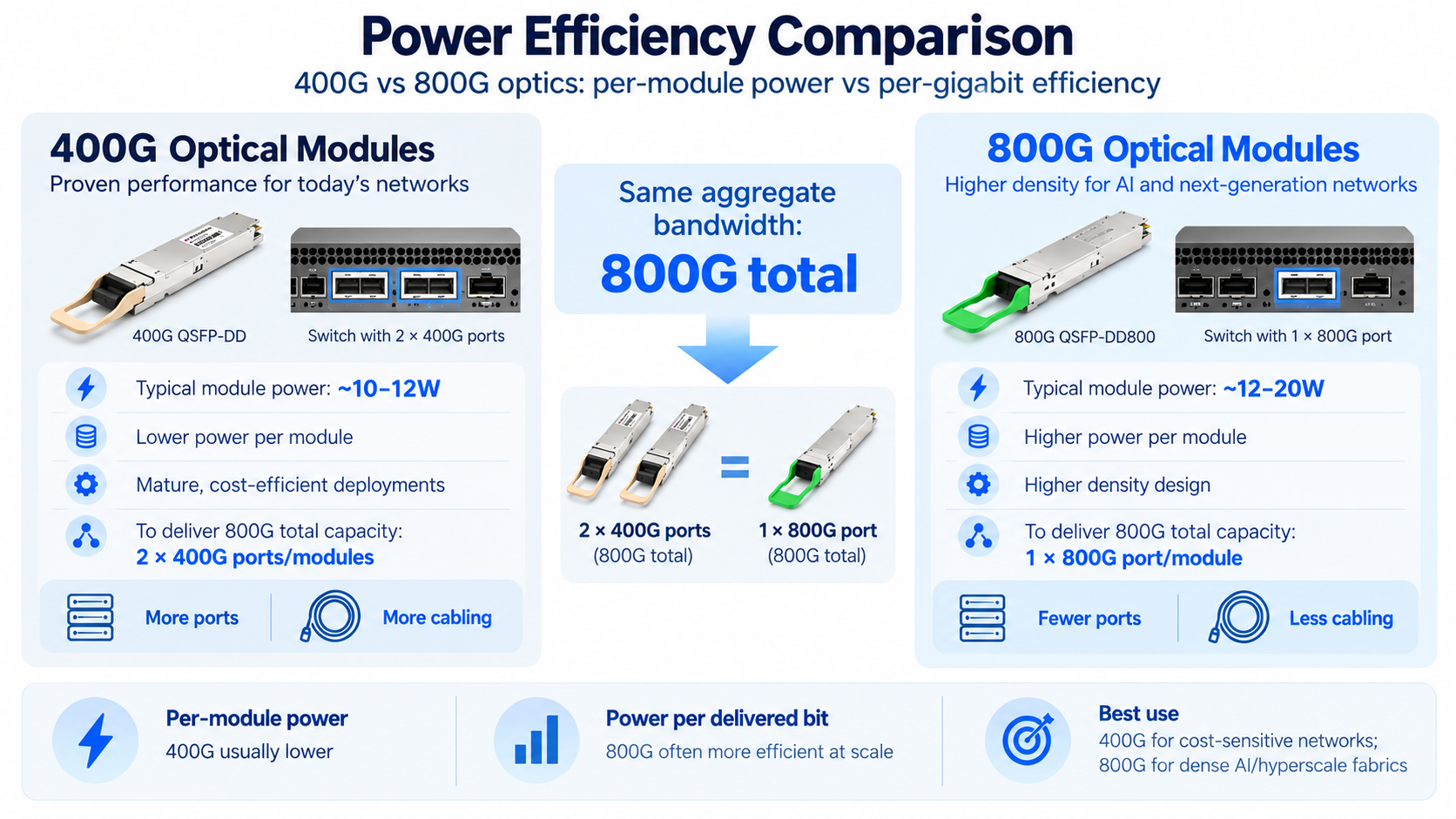
Power is where the migration gets real. A QSFP-DD800 module typically draws 12–15W, and OSFP can reach 15–20W (up to 24W budgets for high-power coherent). Per module, 800G uses more energy than 400G. But at scale it can be more efficient on a watts-per-gigabit basis, because one 800G port replaces two 400G ports and the associated switch line cards.
Thermal management is therefore an important consideration. Switch airflow, module power, rack density, and cooling capacity should all be evaluated before deploying large numbers of 800G optics.
Key Differences: Bandwidth, Lanes, Power, and Cost
The difference between 400G and 800G is not simply the nominal data rate. Network operators should also consider lane architecture, power consumption, port density, optical reach, and total cost of ownership.
Lane Architecture
Many 400G Ethernet implementations use 8 × 50G-class PAM4 electrical lanes, while other implementations use 4 × 100G-class lanes.
800G implementations commonly use 8 × 100G-class electrical lanes, while newer architectures can use 112G-class signaling.
This means that an 800G deployment requires switch ASICs and host interfaces capable of supporting the required high-speed SerDes architecture. An existing 400G switch cannot automatically operate at 800G simply by installing an 800G optical module.
Power Efficiency
An 800G module generally consumes more power than an individual 400G module. However, because one 800G port provides approximately twice the bandwidth of a 400G port, the overall system can achieve better bandwidth density and potentially lower power consumption per delivered gigabit.
The actual benefit depends on switch architecture, port utilization, module power, and cooling overhead.
Cost per Bit
400G generally has an advantage in module cost because of its mature ecosystem and broad deployment base.
800G can become more attractive when network bandwidth requirements are high because fewer ports, optics, and associated switch resources may be required to provide the same aggregate bandwidth.
For this reason, the most useful comparison is not simply the price of one transceiver, but the total cost per delivered gigabit over the expected network lifecycle.
When to Upgrade from 400G to 800G
Not every network needs 800G yet. These are the conditions that tip the balance toward migration.
AI Cluster and GPU Attach-Ratio Drivers
This is the single biggest force behind 400G to 800G upgrades. In a dense GPU cluster, the optical requirement scales with the number of accelerators, not just the number of servers.
Capacity and Traffic Growth
Hyperscale traffic is growing 30% or more annually, driven by AI training and inference. If your port utilization is consistently above 60% and climbing, 800G at the spine buys headroom without adding another layer of switching.
Greenfield vs Brownfield
Greenfield AI and GPU builds increasingly specify 800G from day one, often OSFP for thermal headroom. Brownfield sites with existing QSFP-DD infrastructure often take a slower path, adding 800G only where congestion is real.
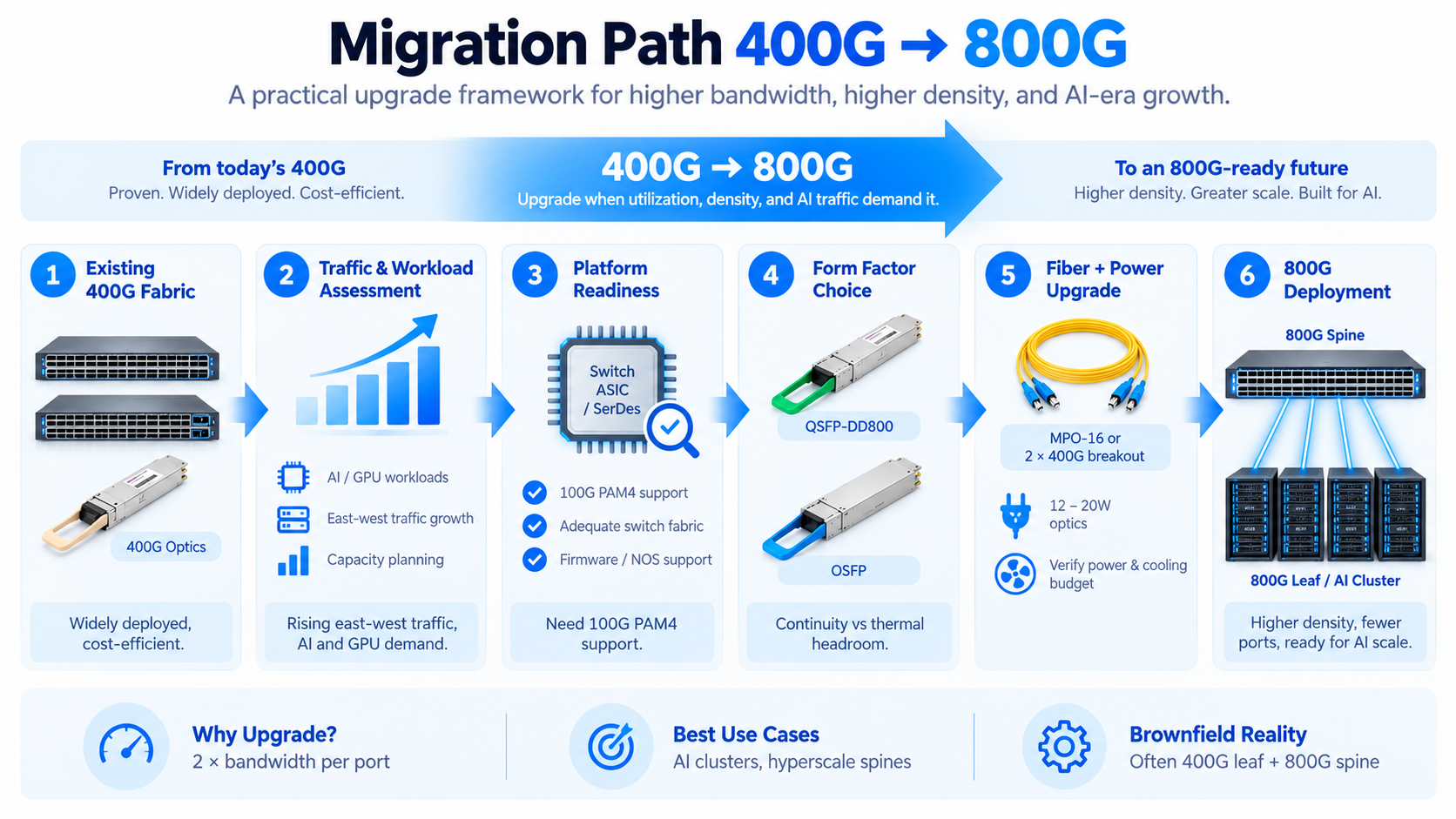
400G to 800G Migration Checklist
Before upgrading from 400G to 800G, verify the following:
- 1. Switch ASIC and SerDes: Confirm support for the required 800G electrical interface, including 100G-class or 112G-class lane architectures.
- 2. Form factor: Verify whether the platform supports OSFP, QSFP-DD800, QSFP112-DD, or another 800G form factor.
- 3. Fiber infrastructure: Check the existing fiber type, connector, polarity, insertion loss, and link budget against the selected 800G optical module.
- 4. Optical architecture: Confirm whether the application requires SR8, DR8, 2×FR4, FR8, or another optical solution.
- 5. Power and cooling: Verify switch, rack PDU, airflow, and cooling capacity for the planned module density.
- 6. Firmware and interoperability: Check the switch vendor’s qualified transceiver list and validate interoperability before large-scale deployment.
- 7. Breakout requirements: Confirm support for the required breakout configuration, such as 2×400G, 4×200G, or 8×100G.
- 8. TCO: Compare optics, switch ports, power, cooling, spares, cabling, and maintenance costs over the expected deployment lifecycle.
When 400G Still Wins
800G is not universally the right answer. In several common situations, 400G remains the better business decision.
Brownfield continuity. If your fabric is built on QSFP-DD 400G, staying on 400G avoids replacing line cards, re-certifying firmware, and pulling new MPO-16 trunking. The switch to 800G is not a simple module swap; it is a platform refresh.
Moderate utilization. If your 400G network has sufficient headroom and traffic growth is predictable, upgrading to 800G may not provide enough immediate value to justify the additional investment.
Power and cooling constraints. Dense 800G racks need more airflow and, in some cases, liquid cooling. If your facility is not provisioned for it, the retrofit cost can erase the TCO savings.
800G vs 400G: A Practical Decision Framework
Here is a simple decision sequence you can apply to your own fabric.
- 1. Map the workload. Is your traffic dominated by dense east-west GPU traffic, or by general-purpose east-west and north-south? Dense GPU clusters favor 800G. General-purpose fabrics often do not need it yet.
- 2. Check the switch platform. Does your ASIC support 100G PAM4 SerDes? If not, an 800G migration implies a platform refresh, not just new optics.
- 3. Assess the fiber plant. Check whether the existing fiber type, connector, polarity, and link budget are compatible with the selected 800G optical architecture. Some 800G modules use multi-fiber connectors, while others use duplex LC connectivity.
- 4. Run the power and thermal numbers. Confirm your PDU and cooling can sustain 12–20W optics at your planned density.
- 5. Model TCO per delivered bit. Compare the all-in cost of a denser 400G fabric against a leaner 800G fabric over 3–5 years, including power, spares, and lead times.
The result is rarely all-or-nothing. Most networks land on a hybrid: 800G at the spine and in AI pods, 400G at the leaf and in conventional workloads.
Conclusion
Choosing between 400G and 800G depends on network capacity, infrastructure, power, and budget. 800G offers higher bandwidth and port density for AI and high-performance data centers, while 400G remains a cost-effective choice for many existing deployments.
A phased migration can allow organizations to adopt 800G where higher capacity is needed while continuing to use 400G for less demanding connections. Before upgrading, verify transceiver compatibility, fiber and connector requirements, link budget, power, and platform support.
Frequently Asked Questions
What is the difference between 400G and 800G optical modules?
A 400G optical module provides up to 400 Gbps of aggregate bandwidth, while an 800G module provides up to 800 Gbps. The two generations use different high-speed electrical and optical architectures, with 800G generally requiring higher-speed SerDes and more advanced signal integrity management.
Is 800G backward compatible with 400G?
Not automatically. An 800G module requires a compatible 800G switch port and electrical interface. Some 800G platforms can also support lower-speed operation or breakout, but this depends on the specific switch and transceiver.
Does 800G use more power than 400G?
Generally, yes on a per-module basis. However, 800G can provide better power efficiency per delivered gigabit because one port provides approximately twice the bandwidth of a 400G port.
Do I need 800G for an AI data center?
Not necessarily. Large AI and GPU clusters can benefit significantly from 800G because of their high east-west traffic requirements. Smaller AI deployments and less bandwidth-intensive workloads may still be well served by 400G.
What fiber is used for 400G and 800G?
It depends on the optical module. Short-reach SR solutions typically use multimode fiber, while DR, FR, LR, and coherent solutions generally use single-mode fiber.
Can 800G replace two 400G links?
In terms of aggregate bandwidth, one 800G port can provide approximately the same nominal bandwidth as two 400G ports. However, the two configurations are not necessarily interchangeable because switch architecture, port mapping, breakout, cabling, and network topology must be considered.
What is QSFP112-DD?
QSFP112-DD is a high-speed QSFP-DD-family form factor designed around 112G-class electrical signaling per lane. An 800G implementation can use eight high-speed lanes to provide 800G-class Ethernet connectivity.
Is 400G still worth deploying?
Yes. 400G remains a practical choice for many data center, cloud, enterprise, and colocation applications. It can be especially attractive when existing infrastructure has sufficient capacity and cost is a primary consideration.
When should I upgrade from 400G to 800G?
Consider upgrading when traffic growth, AI/GPU workloads, port density, or network congestion justify the additional investment. The decision should be based on capacity requirements, switch compatibility, power and cooling, cabling, and total cost of ownership.
Post Views: 1,218