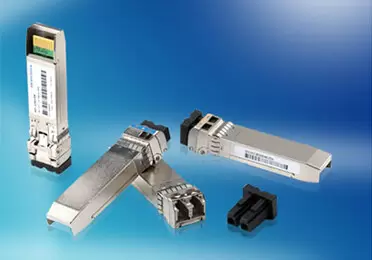
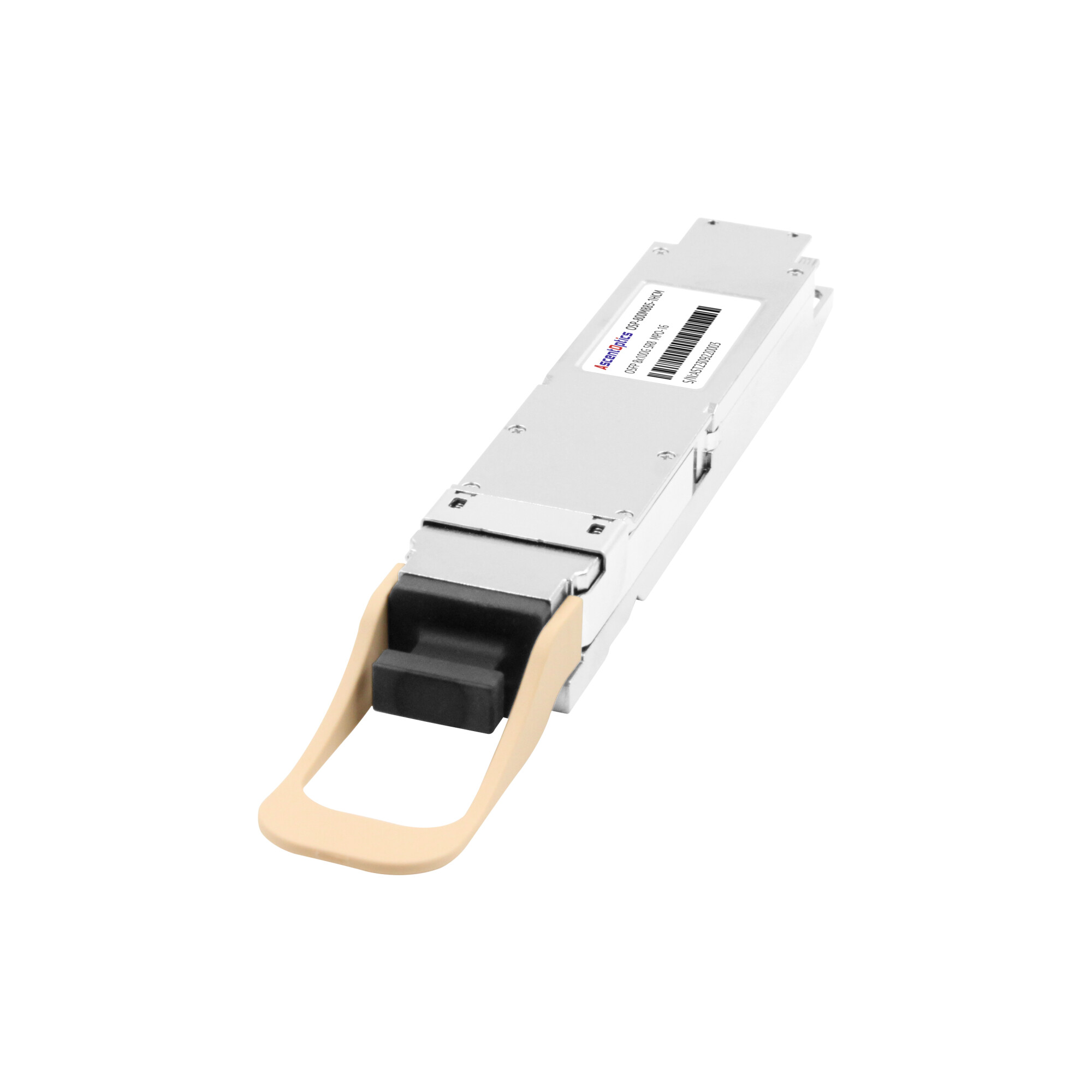
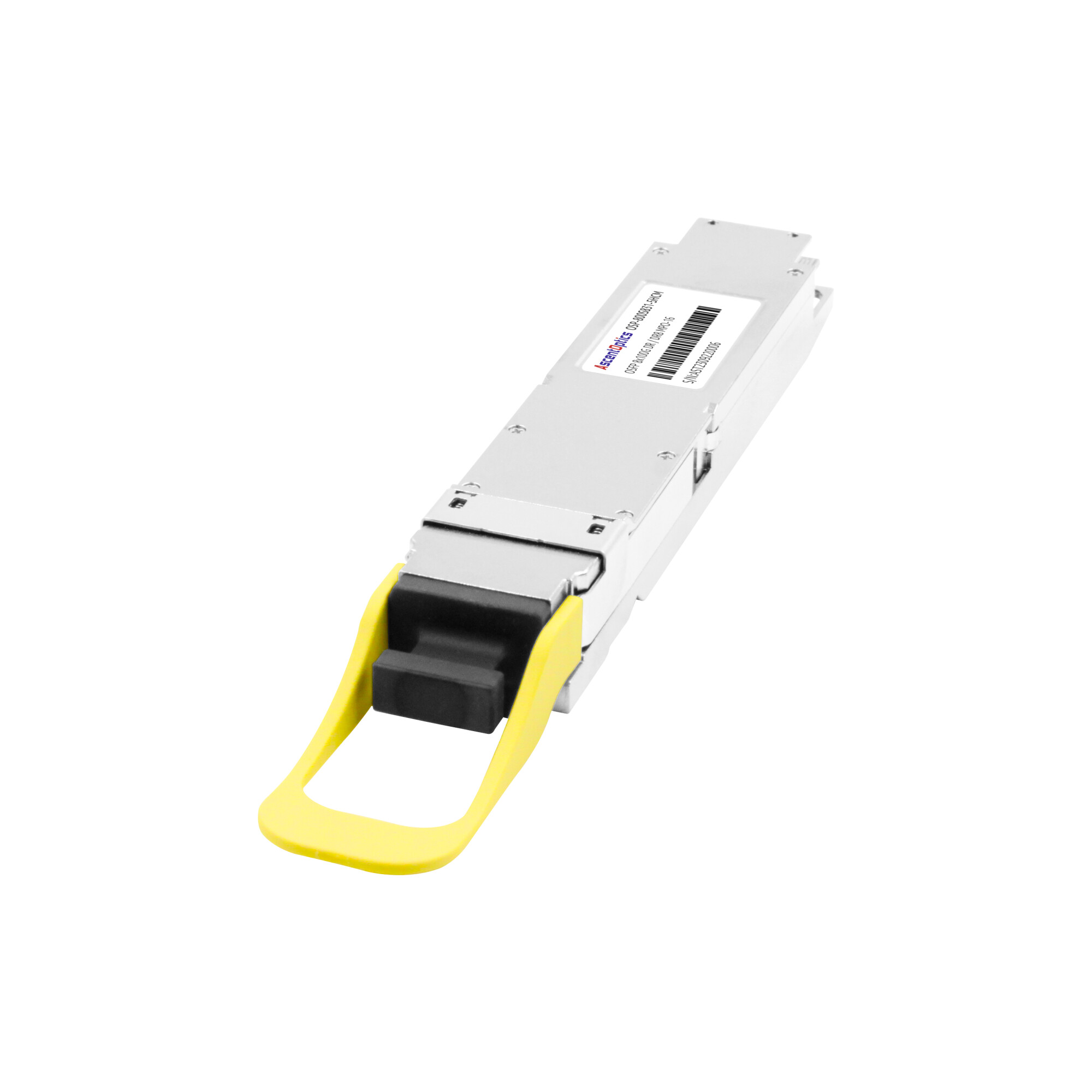
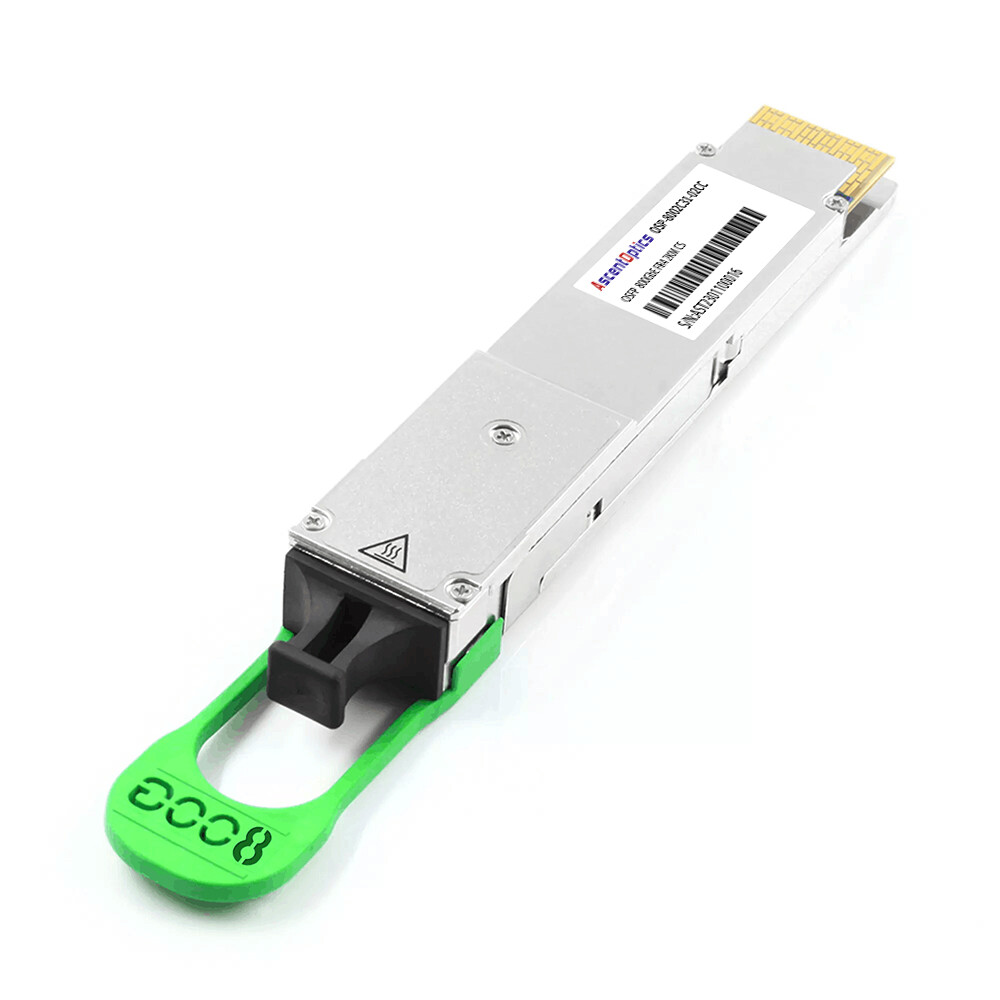
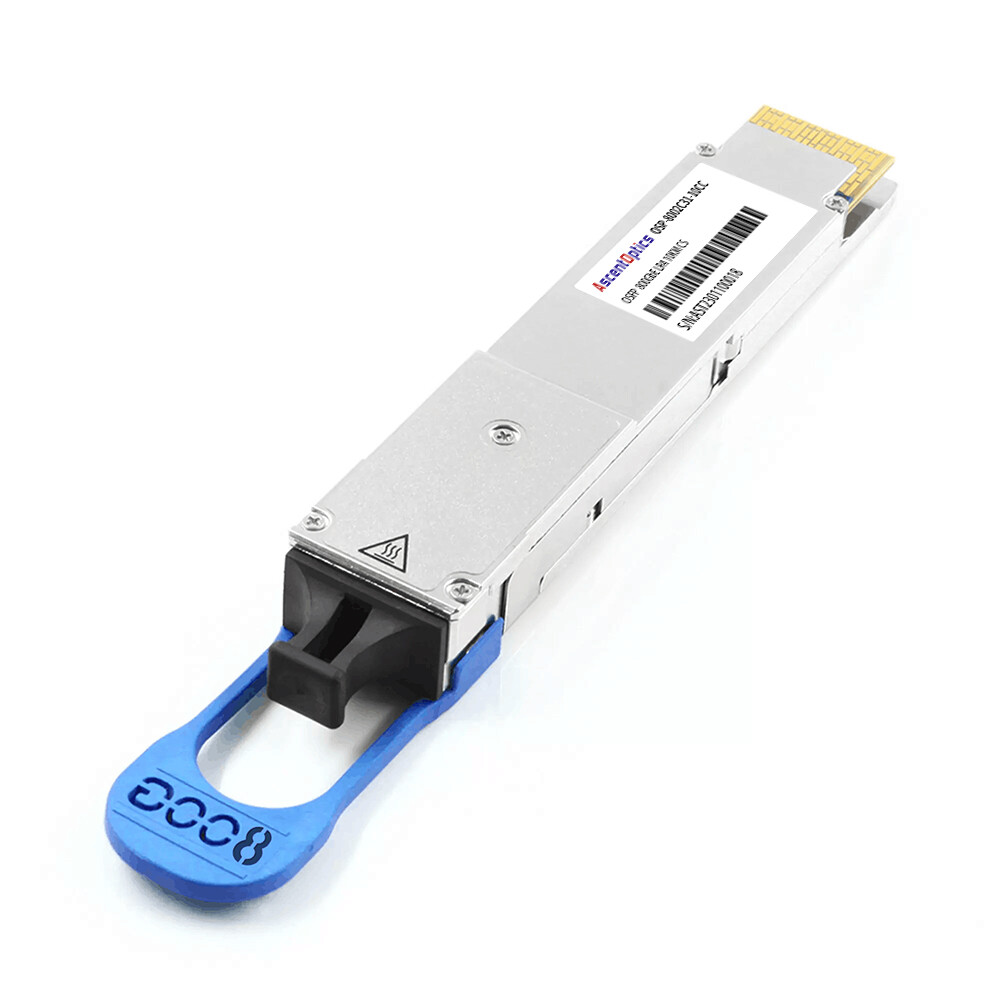
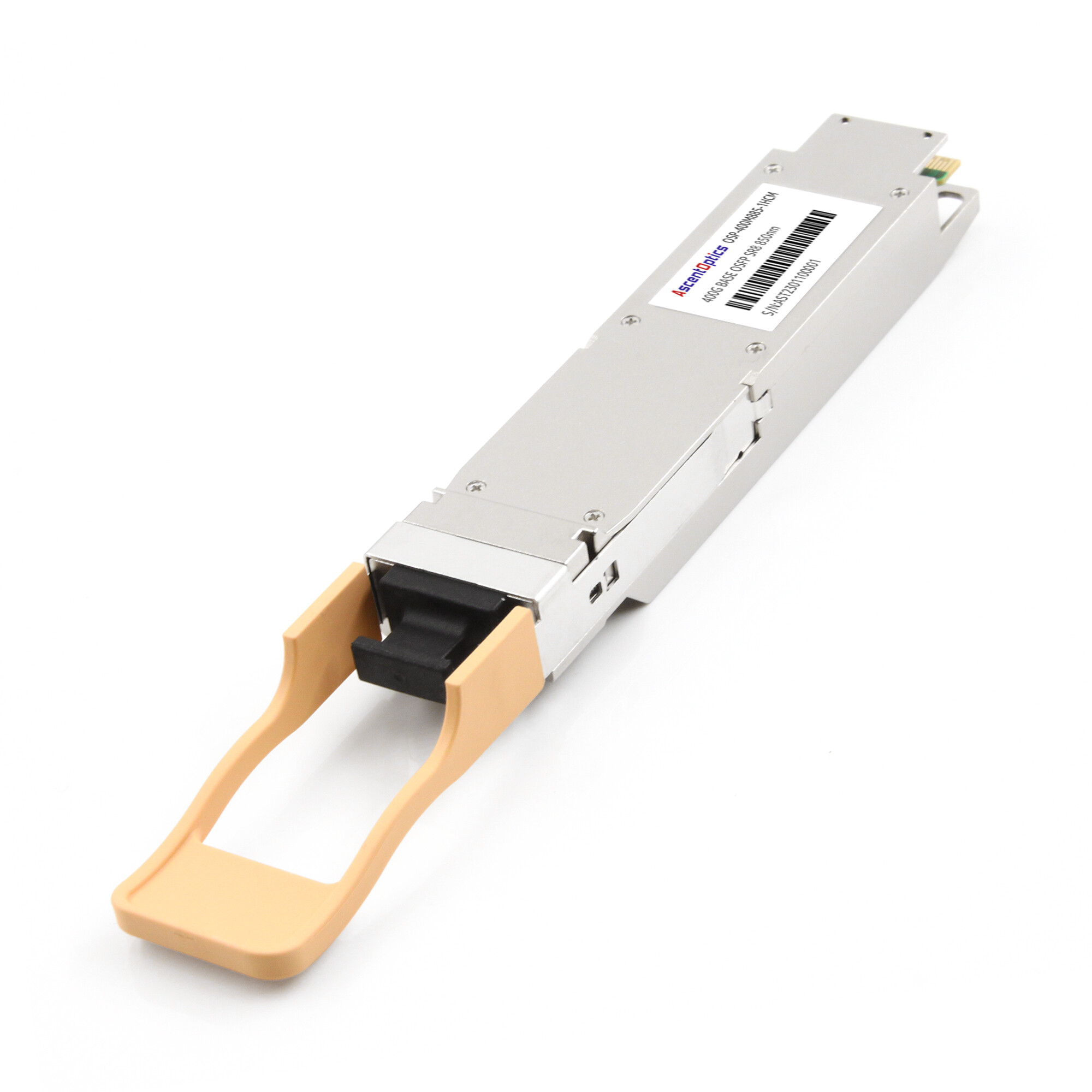
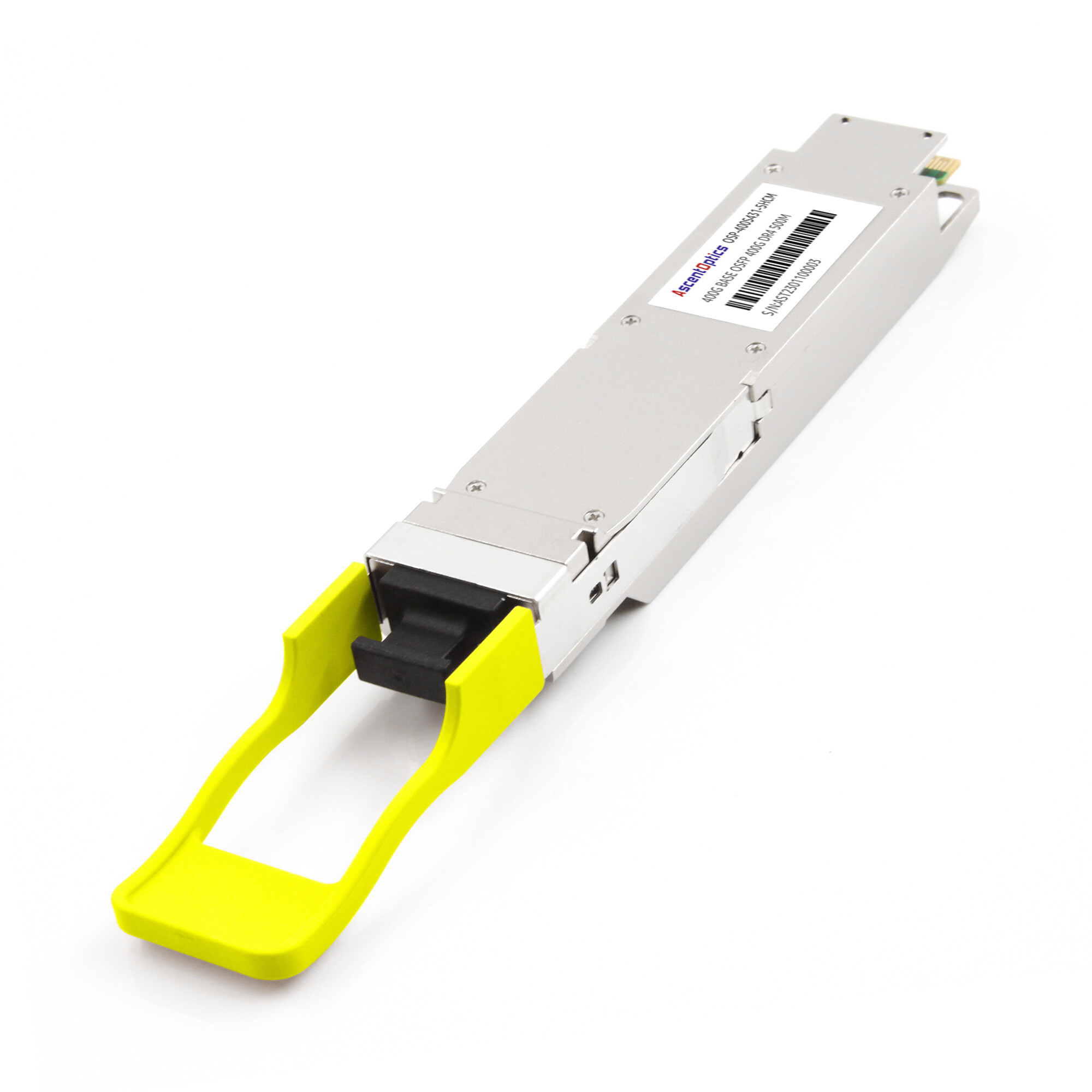
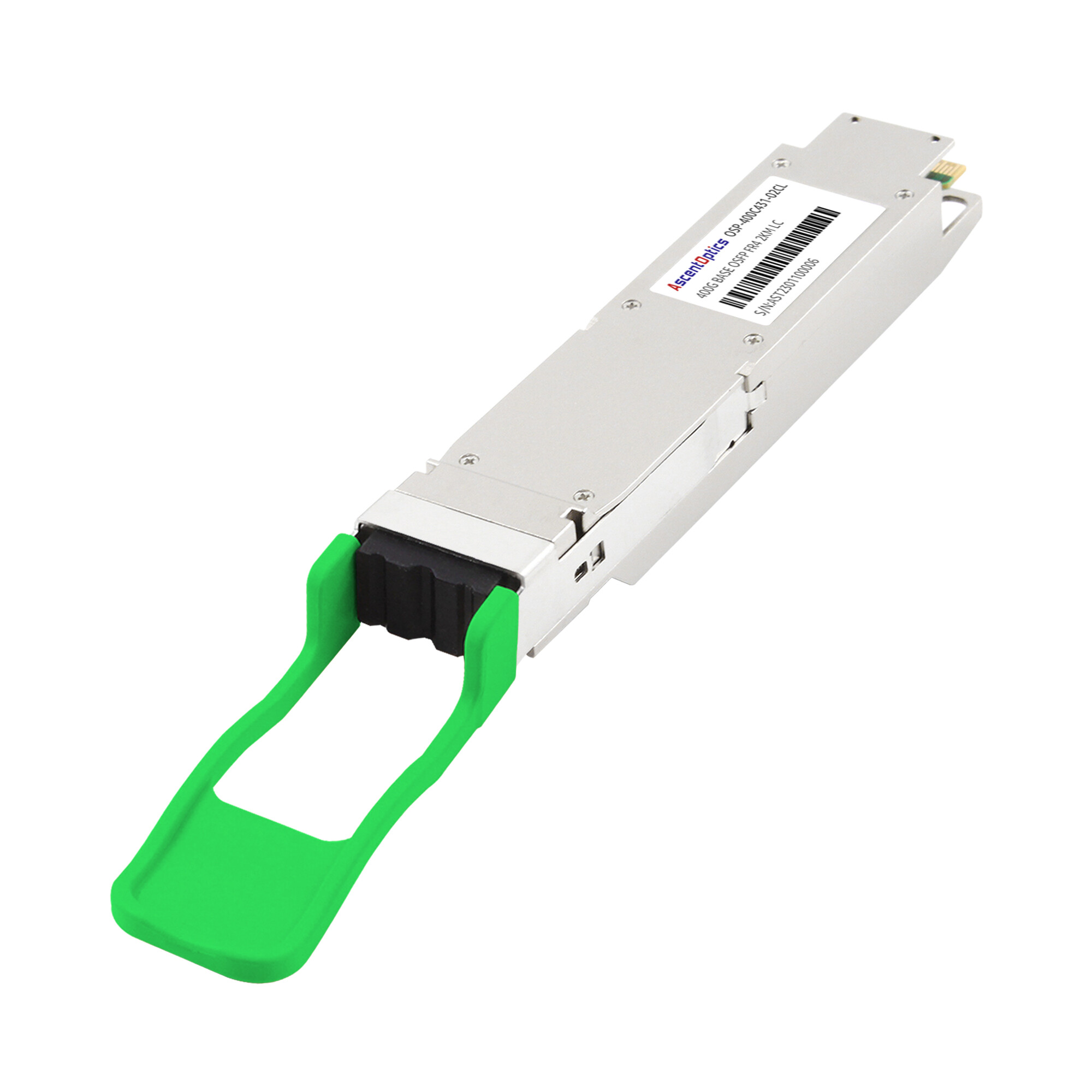
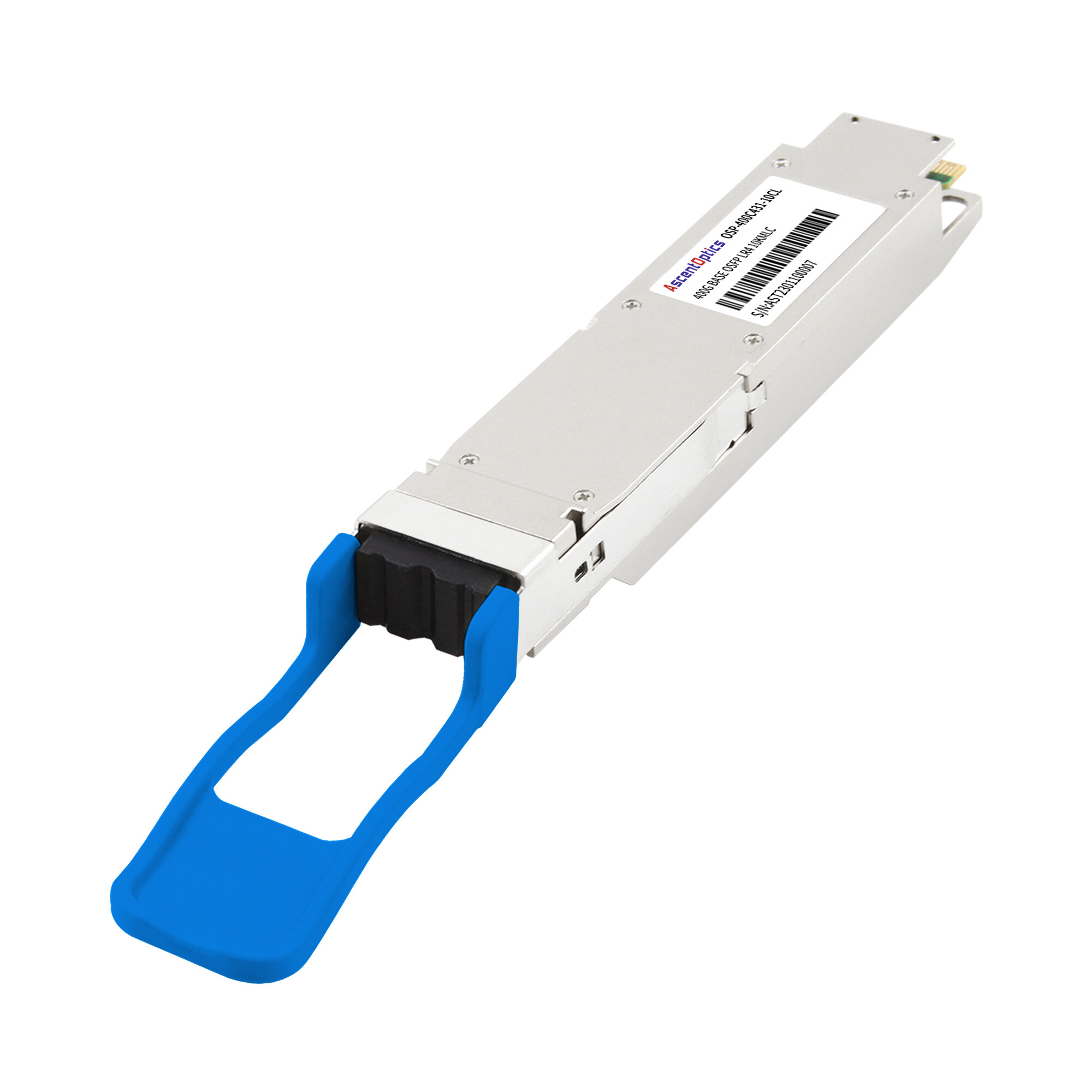
For network engineers dedicated to scaling hyperscale data centers, 800G optical module compatibility represents a critical, cutting-edge challenge. Given the variety of form factors—such as QSFP-DD and OSFP—and interface types—including SR8, DR4, and 2xFR4—interoperability hinges heavily on firmware, FEC algorithms, and host board signal integrity. Mismatches can lead to issues such as bit errors, thermal throttling, or link instability. Successful deployment requires verifying PHY capabilities, managing DSP tuning, and adhering to CMIS standards, thereby transforming compatibility management from a mere checklist exercise into a professional practice that ensures live network reliability.
What Does 800G Compatibility Actually Mean?
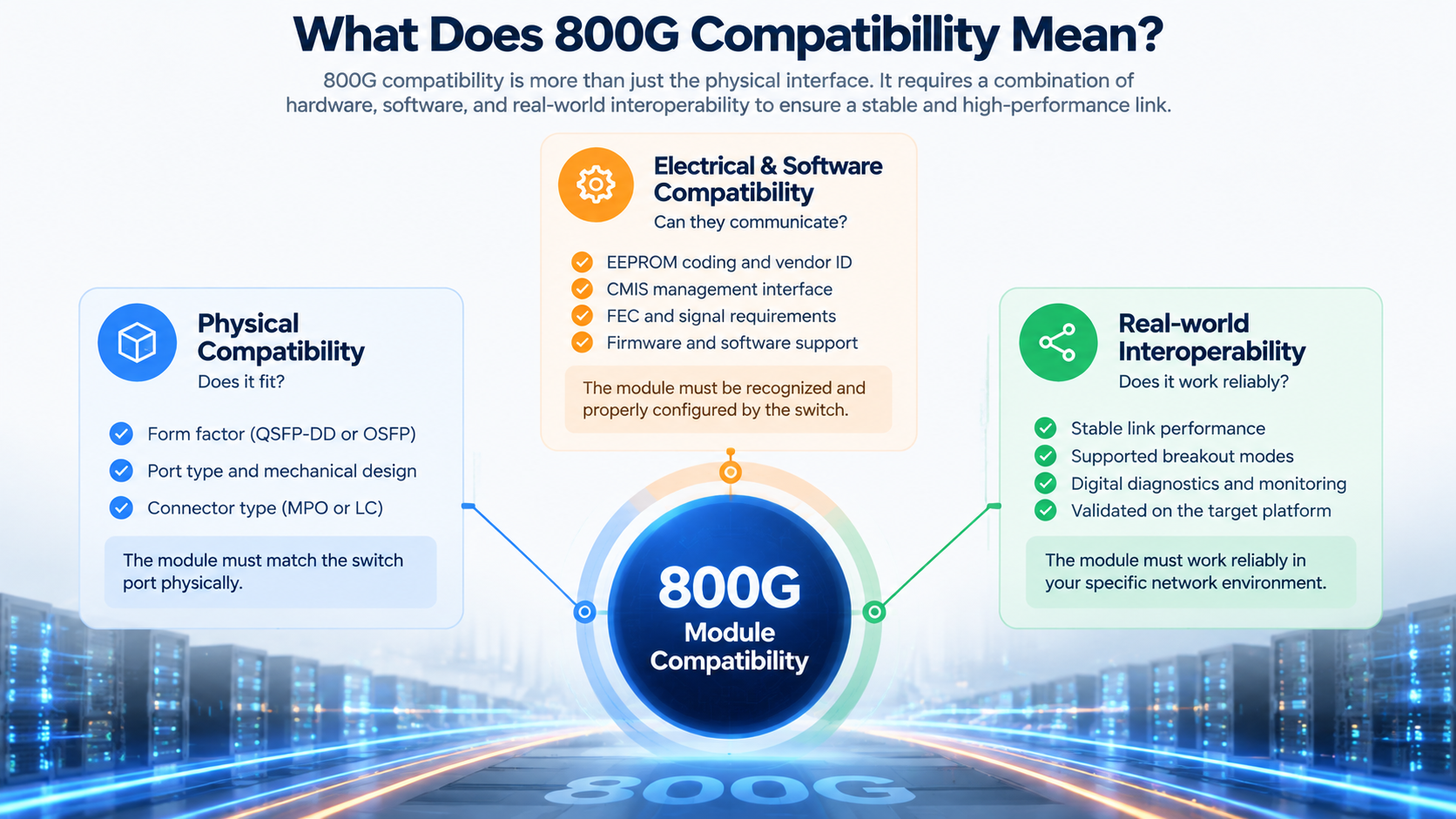
When a network engineer asks whether an 800G module is compatible with a switch, they are really asking three different questions at once. Understanding this is the first step to avoiding the failure scenario above.
Physical Compatibility
The first layer is the simplest and the easiest to get wrong. 800G modules ship in two pluggable form factors: QSFP-DD and OSFP. These are physically distinct packages that are not interchangeable. A QSFP-DD module will not seat in an OSFP cage, and an OSFP module will not seat in a QSFP-DD port.
This is not a minor distinction. It means your switch port determines your form factor, and you cannot fix a mismatch with a firmware update. If your platform is OSFP-only, you buy OSFP modules. If it is QSFP-DD-only, you buy QSFP-DD.
Electrical and Host-Software Compatibility
Fitting in the cage is only the beginning. The module must also match the switch at the electrical and software level. Modern 800G modules carry a small memory device, the EEPROM, that stores vendor coding: the manufacturer OUI, part number, serial number, and capability fields.
The host switch reads this coding at insertion. If the coding does not match what the host operating system expects, the switch may reject the module entirely. Common symptoms include an “unsupported transceiver” warning, a port that never comes up, or a link that negotiates at the wrong speed.
Management also matters. 800G modules report temperature, power, and diagnostics through CMIS, the Common Management Interface Specification. A module with broken or incomplete CMIS support will look dead to your monitoring stack even if the link works.
Compatibility vs. Interoperability
Here is the distinction almost every vendor guide skips. Compatibility means the module is recognized and links up. Interoperability means it stays up under sustained traffic, with correct breakout behavior and stable bit error rates.
The two are not the same. A miscoded module can power on, negotiate, and pass light for hours before failing under load, exactly as the engineer at the AI lab discovered. When you validate 800G optical module compatibility, you need to test for both.
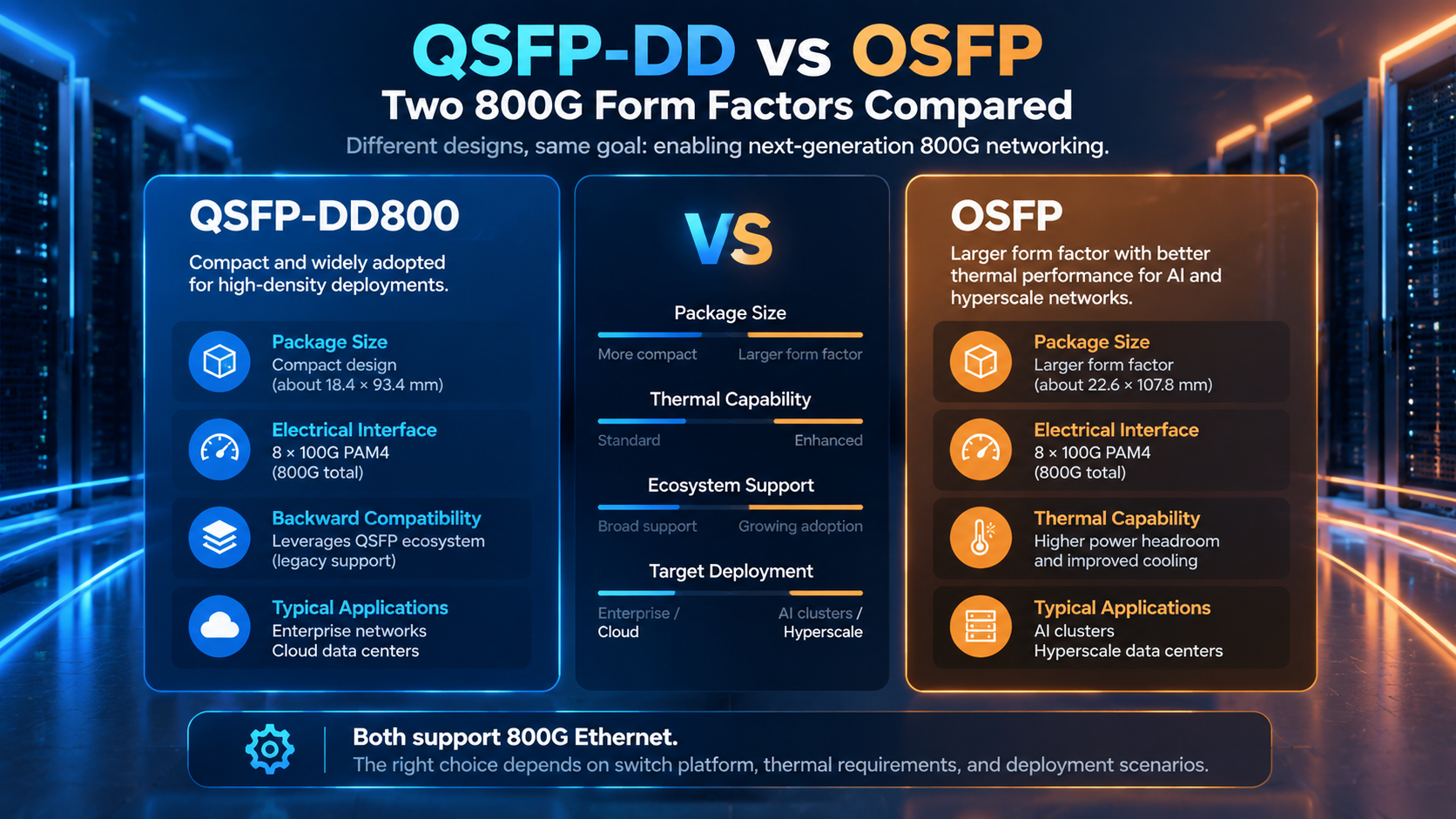
800G Form Factors: QSFP-DD vs OSFP
Your switch platform decides this for you, but you should still understand why the two form factors exist and what each one trades off. We cover the decision in depth in our QSFP-DD vs OSFP comparison.
QSFP-DD: Density and Backward Compatibility
QSFP-DD, short for Quad Small Form-factor Pluggable Double Density, is the compact option. QSFP-DD800 uses the established QSFP mechanical footprint while adding an eight-lane electrical interface. It supports 800G transmission using 8×100G PAM4 lanes, enabling higher bandwidth while maintaining compatibility with existing QSFP-based infrastructures.
Its biggest advantage is backward compatibility. QSFP-DD ports are designed to support backward compatibility with QSFP-based modules, including QSFP56 and QSFP28, depending on switch platform validation and software support. That lets operators reuse existing optics during a phased upgrade, which matters a lot when you are migrating a large fabric on a budget.
The tradeoff is thermal. QSFP-DD modules typically operate around a 12 to 15 watt envelope. That is fine for short-reach and medium-reach optics, but it gets tight for high-power coherent or DSP-heavy modules.
OSFP: Thermal Headroom and AI Workloads
OSFP, the Octal Small Form-factor Pluggable, is physically larger. It carries eight 100 Gbps lanes just like QSFP-DD, but the bigger package allows more surface area for cooling.
That extra space translates into a higher power budget, roughly 15 to 20 watts and beyond. It is why OSFP dominates AI and hyperscale environments, where dense racks of high-power modules generate serious heat. For NVIDIA AI networking platforms such as Quantum-2 InfiniBand and Spectrum-X, OSFP has become the primary form factor due to its superior thermal capability and support for high-density AI workloads.
The tradeoff is that OSFP does not natively accept older QSFP modules. Adapters exist, but they add cost, power, and a potential failure point.
QSFP-DD vs OSFP at a Glance
| Attribute |
QSFP-DD |
OSFP |
| Lanes |
8x100G PAM4 |
8x100G PAM4 |
| Package size |
Compact |
Larger |
| Thermal envelope |
~12-15W |
~15-20W+ |
| Backward compatibility |
QSFP28/QSFP56/QSFP+ |
Via adapter only |
| Typical use |
Enterprise, Cisco, some Arista |
NVIDIA, AI, hyperscale, coherent |
| Port density |
Higher |
Lower |
800G Module Variants and Their Compatibility Requirements
Form factor is only half the story. Within each form factor, 800G modules come in several optical variants that differ in reach, fiber type, and connector. Getting the variant wrong is a compatibility failure too, because the connector and fiber must match on both ends.
The Main 800G Variants
- •800G SR8 uses multimode fiber and reaches about 100 meters. It is the shortest, cheapest 800G link for same-rack or adjacent-rack connections.
- •800G DR8 runs 500 meters over single-mode fiber using an MPO-16 parallel connector. It is the workhorse for AI leaf-to-spine links.
- •800G FR8 reaches 2 kilometers over single-mode fiber, while 800G LR8 extends to 10 kilometers.
- •800G 2xFR4 is a dual-port design that presents as two independent 400G FR4 links over duplex LC fiber. It is popular for the leaf-to-spine tier where you want 400G granularity.
Each variant uses a different fiber type and connector. An SR8 module needs multimode MPO cabling. A DR8 module needs single-mode MPO-16. A 2xFR4 module needs duplex LC single-mode. Cross these up, and the link simply will not light.
Breakout Compatibility
Breakout is where 800G compatibility gets genuinely useful, and genuinely easy to misconfigure. A single 800G port can fan out into multiple lower-speed links, but only for parallel variants.
- •An 800G DR8 interface can support breakout to 2×400G DR4 in platforms that support lane mapping. Some systems may also support 8×100G breakout configurations depending on switch ASIC and software capability.
- •The 800G 2xFR4 integrates two independent 400G FR4 optical interfaces inside one module, allowing direct connection to two 400G ports or breakout architectures.
Breakout must be enabled on the switch port and match the module type. This is a common source of “the link is up, but the breakout does not work” support tickets.
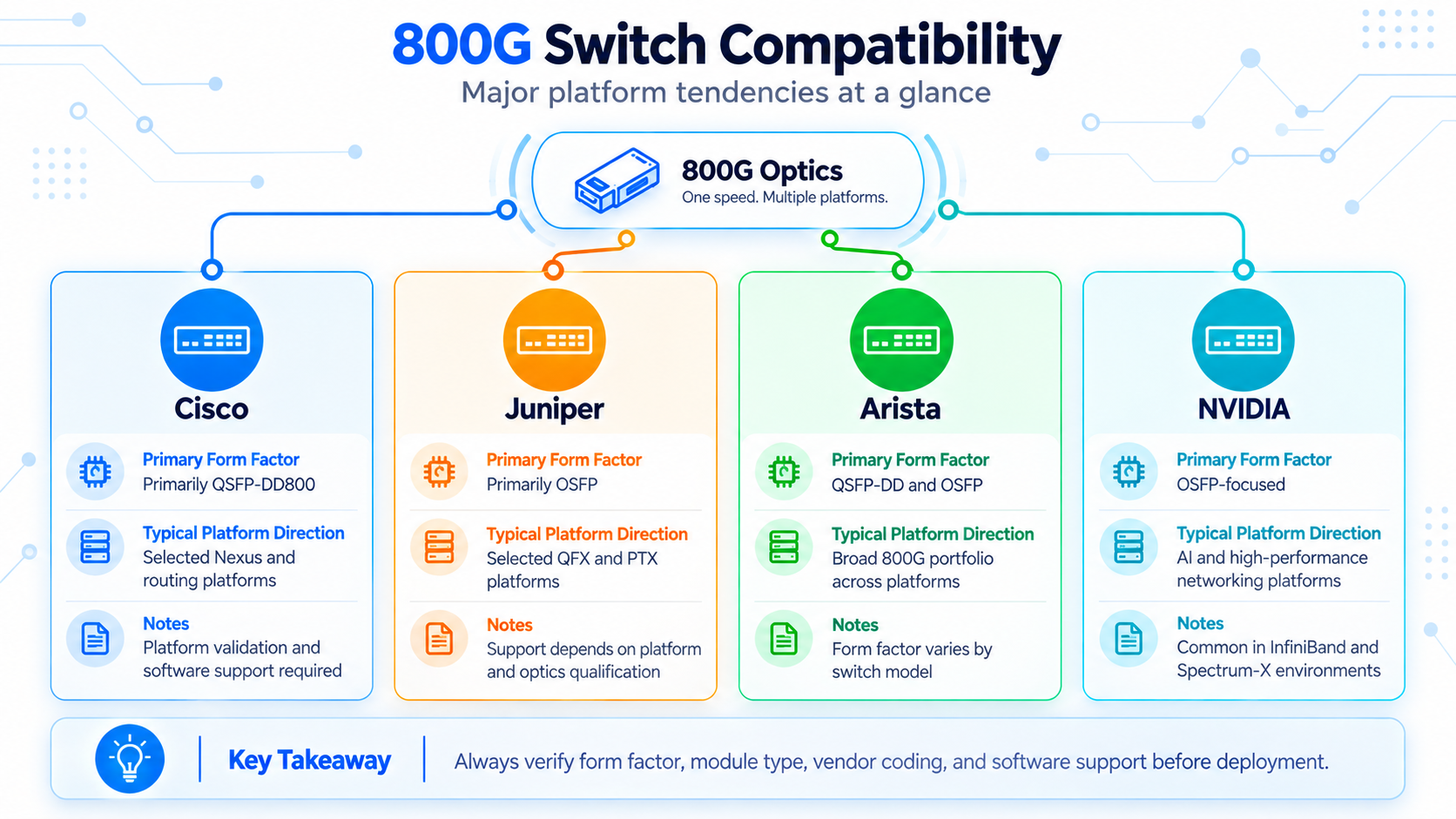
800G Switch Compatibility: Cisco, Juniper, Arista, NVIDIA
The single most useful question you can ask is whether your switch platform supports a given 800G module. Here is how the major vendors break it down.
Cisco
Cisco supports 800G primarily through QSFP-DD modules such as the QDD-800G-DR8. Cisco supports 800G optics mainly through QSFP-DD800 interfaces on selected Nexus and routing platforms, with platform-specific validation required.
Verified platforms include the Nexus 9000 series, the 8000 Series routers like the 8111-32EH, and NCS transport systems. Cisco’s official OSFP 800G data sheet lists the qualified SKUs and supported line cards.
Juniper
Juniper uses OSFP-based 800G interfaces in its latest high-performance routing and data center platforms, while supported optics depend on specific hardware models. Compatible 800G OSFP modules, including the OSFP-2X400G-FR4-P, run on PTX series routers and QFX data center switches such as the QFX5230-64D and QFX5240. Juniper publishes its own qualified optics list for 800G.
Arista
Arista offers both form factors across its platforms. The 7060X5 series, such as the DCS-7060DX5-32S, provides native 800G OSFP ports, while other platforms ship with QSFP-DD. This flexibility lets Arista balance thermal performance against optics cost.
NVIDIA
NVIDIA is the most OSFP-committed vendor, and for good reason. The Quantum-2 QM9700 and QM9790 InfiniBand switches are OSFP-exclusive, with no QSFP-DD option. Spectrum-X Ethernet platforms follow the same path. If you are building an NVIDIA AI fabric, OSFP is not a choice; it is the requirement.
Vendor Compatibility Matrix
| Vendor |
Primary form factor |
Example platforms |
Notable 800G variants |
| Cisco |
QSFP-DD |
Nexus 9000, 8000 Series |
DR8, 2xFR4 |
| Juniper |
OSFP |
PTX, QFX5230/QFX5240 |
2xFR4, FR8 |
| Arista |
OSFP + QSFP-DD |
7060X5, 7800R3 |
DR8, 2xFR4 |
| NVIDIA |
OSFP (exclusive) |
Quantum-2, Spectrum-X |
SR8, DR8, 2xFR4 |
The takeaway is simple. Cisco leans QSFP-DD, Juniper leans OSFP, Arista does both, and NVIDIA is OSFP-only. Match the module to the platform before you match it to the link budget.
800G MSA Standards and Multi-Vendor Interoperability
The reason third-party 800G modules work across different switch brands at all comes down to multi-source agreements. These industry standards define the mechanical, electrical, and management interfaces that all compliant modules share.
The Standards That Enable 800G Compatibility
- •QSFP-DD800 MSA defines the QSFP-DD800 form factor, eight 100G electrical lanes, and backward compatibility. Its first hardware specification was released in March 2020.
- •OSFP MSA governs the OSFP form factor and its eight 100G lanes.
- •IEEE 802.3df defines Ethernet specifications including 800GbE and future higher-speed interfaces.
- •OIF 800ZR and OpenZR+ cover 800G coherent pluggables for data center interconnect.
- •CMIS and C-CMIS define the management interface for monitoring and firmware updates.
A module that complies with these standards has a strong foundation for multi-vendor interoperability. That is what lets an 800G OSFP 2xFR4 module on one end talk to two 400G QSFP-DD FR4 modules on the other end, as long as the protocol and optical channel rate match.
Standards Enable, They Do Not Guarantee
Here is the nuance that matters in practice. MSA compliance covers the physical and electrical interface, but it does not cover the host vendor’s specific EEPROM coding. Cisco, Juniper, and Arista each validate optics against their own operating systems, and each expects certain coding values in the module EEPROM.
That is why a module can be fully MSA-compliant and still trigger an “unsupported transceiver” warning on a specific platform. The solution is proper vendor-specific coding, which is exactly what OEM and ODM module suppliers control.
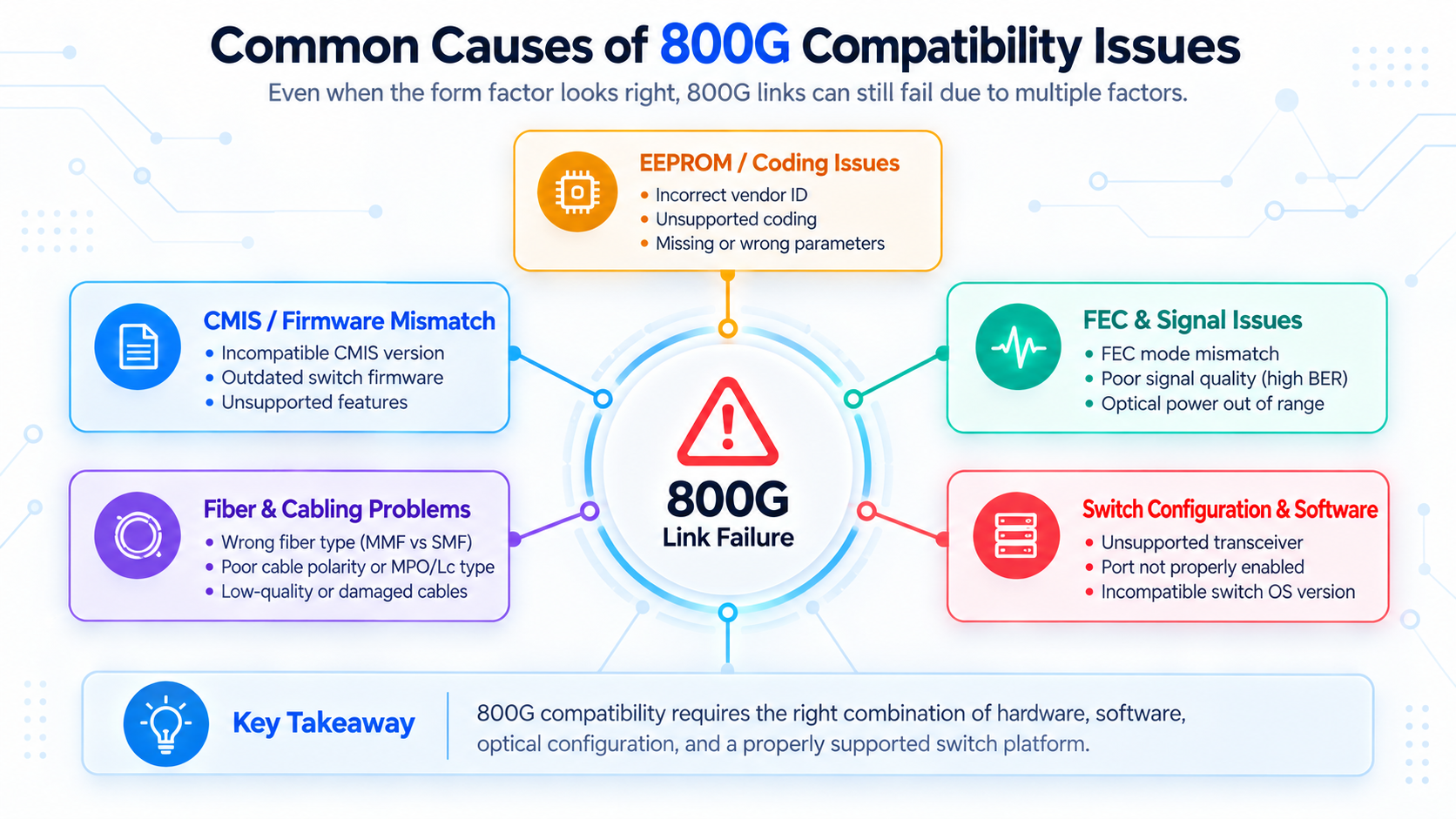
Common Causes of 800G Compatibility Issues
Even when an 800G optical module meets industry standards, compatibility issues can still occur during deployment. The following are the most common causes engineers should check before installation.
Understanding the most common failure points can help network engineers avoid unexpected downtime and reduce troubleshooting time.
1. Incorrect EEPROM Coding
800G switches verify module information through EEPROM data, including vendor ID, part number, and supported features.
A module with incorrect vendor-specific coding may trigger errors such as “unsupported transceiver” or fail to establish a link, even if the optical specifications are identical.
2. CMIS and Firmware Compatibility
800G modules rely on CMIS for monitoring and management functions, including temperature, power, and diagnostics.
Compatibility issues may occur when the module firmware or CMIS implementation does not fully match the host switch requirements.
3. FEC and Signal Compatibility
800G Ethernet relies on advanced DSP processing and FEC to maintain stable high-speed transmission.
Incorrect FEC configuration, unsupported link modes, or signal integrity limitations can cause:
- •Link instability
- •Increased BER
- •Traffic errors under load
4. Optical Interface and Fiber Mismatch
Selecting the wrong optical variant or fiber infrastructure is another common issue.
For example:
- •800G SR8 requires multimode MPO-16 fiber
- •800G DR8 requires single-mode MPO-16 fiber
- •800G 2xFR4 uses duplex LC single-mode fiber
A mismatch in fiber type or connector configuration will prevent the link from operating correctly.
5. Switch Platform and Software Limitations
800G compatibility depends not only on the optical module but also on the switch hardware and software.
Engineers should verify:
- •Switch model and port type
- •Supported optical modules
- •Breakout configuration
- •NOS software version
A successful 800G deployment requires matching the optical module, coding, firmware, and switch platform as a complete system.
Conclusion
800G optical module compatibility is a three-layer question, and each layer has to be right. The form factor must match your switch cage. The EEPROM coding and CMIS support must match your host operating system. And the module must actually interoperate under load, not just light up on the bench.
The decision path is repeatable: identify your switch platform, confirm whether it is QSFP-DD or OSFP, select the right optical variant for your reach and fiber, then verify vendor coding before you commit. Standards like the QSFP-DD800 MSA, OSFP MSA, and IEEE 802.3df make multi-vendor operation possible, but vendor-specific coding is what makes it work on your specific hardware.
Frequently Asked Questions About 800G Optical Module Compatibility
1. Are QSFP-DD and OSFP 800G modules interchangeable?
No. QSFP-DD800 and OSFP are different form factors and cannot be used interchangeably. The switch port type determines which 800G module should be selected.
2. Can any 800G optical module work with an 800G switch?
No. Compatibility depends on multiple factors, including form factor, optical type, EEPROM coding, CMIS support, and switch software validation.
3. What is the difference between 800G SR8, DR8, and 2xFR4?
800G SR8 is designed for short-distance multimode connections, while DR8 supports longer single-mode links for AI data center networks. 800G 2xFR4 provides two independent 400G links using duplex LC fiber.
4. Why does my switch show “Unsupported Transceiver” for an 800G module?
This is usually caused by incorrect EEPROM coding, unsupported firmware, or missing platform validation. A vendor-compatible coded module is required for proper recognition.
5. Can an 800G DR8 module support 400G breakout?
Yes, an 800G DR8 module can support 2×400G DR4 breakout on platforms that support lane mapping and proper software configuration.
6. How can I verify 800G module compatibility before deployment?
Check the switch model, port type, optical specification, fiber infrastructure, vendor coding, and software support before installation. A complete compatibility check helps prevent link failures.
Post Views: 1,097