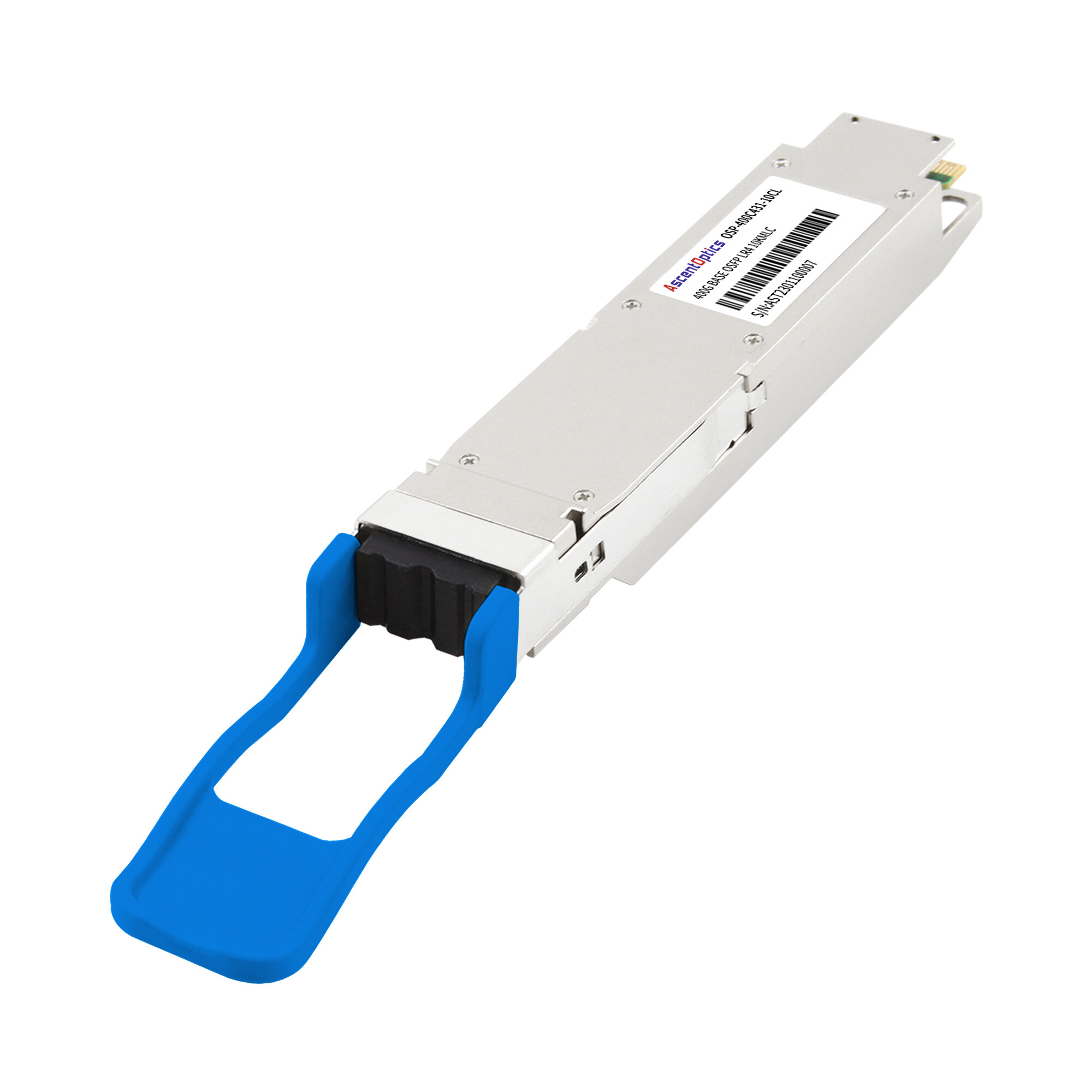
The InfiniBand Subnet Manager (SM) serves as the core control plane for high-performance networks, responsible for topology discovery, route calculation, and switch configuration. OpenSM is the open-source reference implementation providing standardized link management, while Nvidia UFM builds upon this foundation by adding enterprise-grade capabilities such as centralized monitoring, intelligent path optimization, and congestion control. Working in tandem, they ensure the network is free from single points of failure through proactive probing and failover mechanisms, guaranteeing that InfiniBand clusters operate efficiently with minimal latency.
What Is an InfiniBand Subnet Manager?
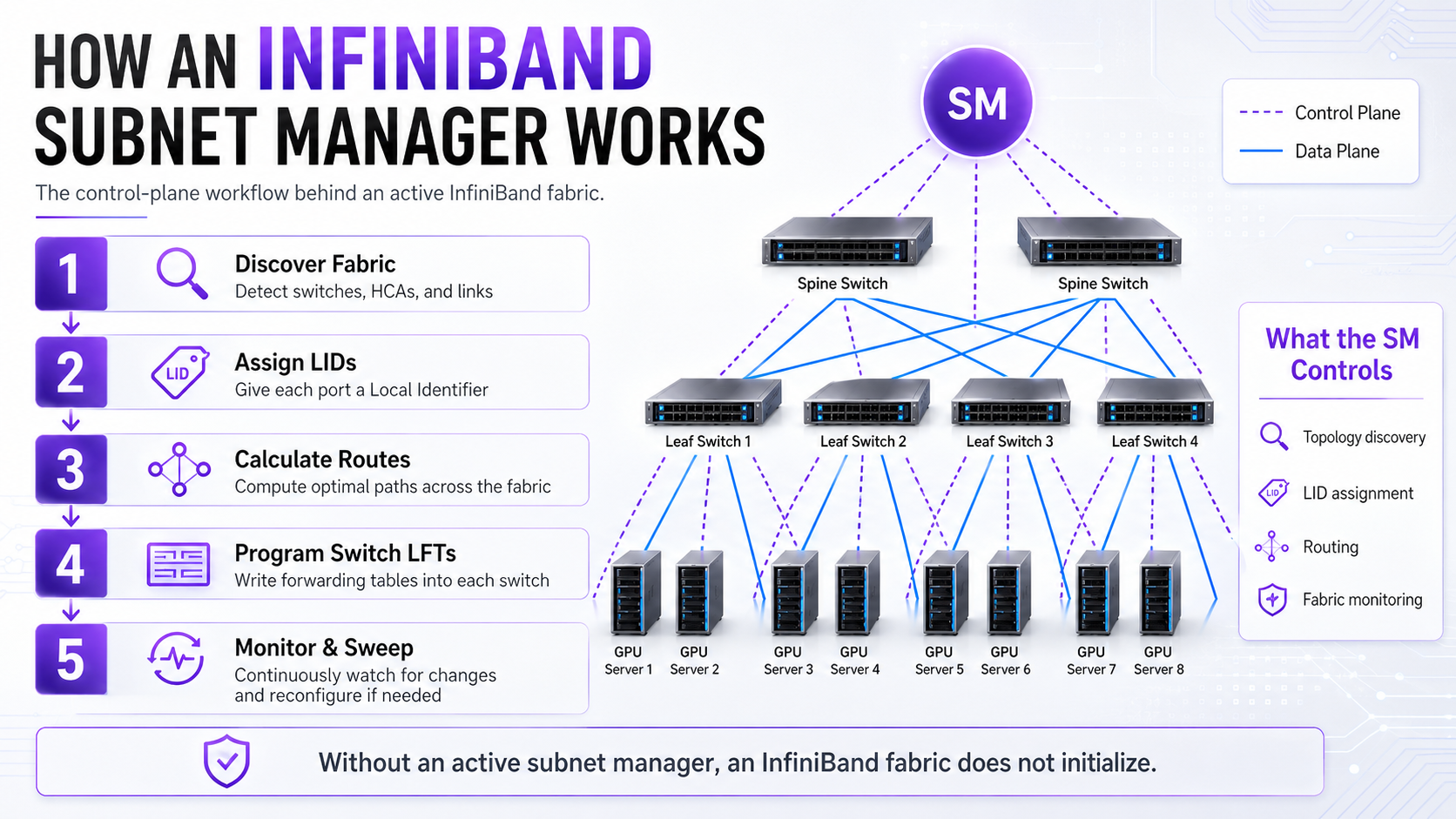
An InfiniBand subnet manager (SM) is the centralized control plane that discovers, activates, and manages an InfiniBand fabric. It assigns Local Identifiers (LIDs) to every port, computes routing tables, and pushes them into the switches so traffic can actually flow. Without an active SM, an InfiniBand network will not initialize.
This is the single biggest difference between InfiniBand and Ethernet. Ethernet switches self-organize through spanning tree and MAC learning. InfiniBand does not. It is a managed fabric that waits for a subnet manager to tell every port what its address is and how to reach every other port.
Its main functions include:
- •Discovering switches, Host Channel Adapters (HCAs), and links
- •Assigning Local Identifiers (LIDs) where required
- •Calculating routes through the fabric
- •Programming forwarding information into InfiniBand switches
- •Managing partitions and Quality of Service (QoS)
- •Responding to topology changes
- •Monitoring the state of the fabric
Without an active Subnet Manager, an InfiniBand fabric cannot be fully initialized and brought into normal forwarding operation.
The SM talks to a small software agent, the Subnet Management Agent (SMA), embedded in every host channel adapter and switch. Together they form a management plane that is separate from the data plane. That separation is what lets InfiniBand deliver deterministic, credit-based, lossless transport. It is also why the fabric does nothing until the SM runs.
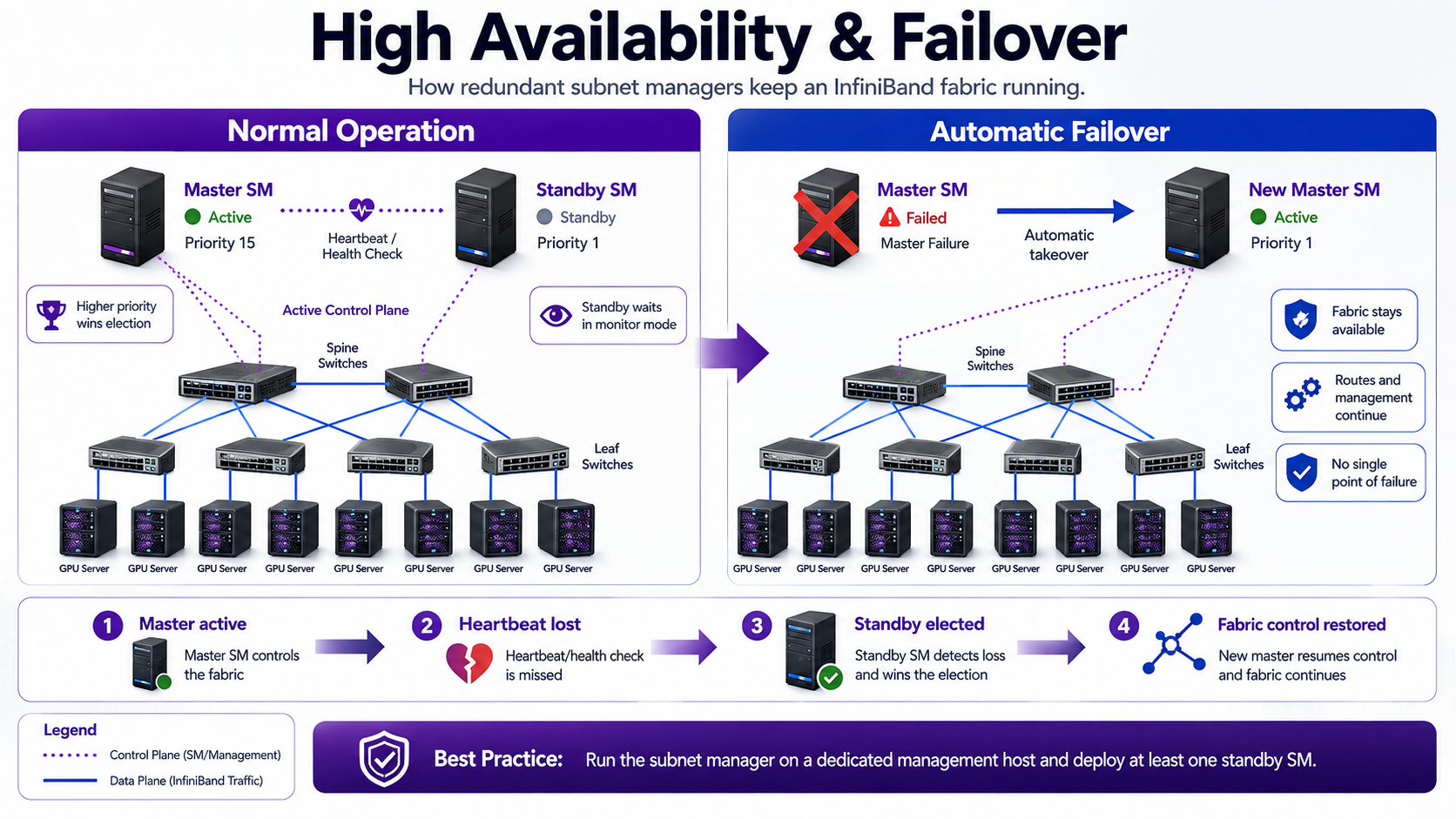
A subnet can host more than one SM. One becomes the master; the rest sit in standby and take over if the master fails. In practice, most deployments run one or two.
What Does the InfiniBand Subnet Manager Do?
The subnet manager is not a passive observer. It performs four core jobs that keep an InfiniBand fabric healthy.
Fabric Discovery and LID Assignment
When an InfiniBand fabric starts or changes, the Subnet Manager discovers the available devices and links. It obtains information about switches, HCAs, and ports and establishes the topology of the subnet.
The SM also assigns Local Identifiers (LIDs) to applicable ports. LIDs are used by InfiniBand addressing and forwarding mechanisms within a subnet.
If a port has not received a valid LID, communication may not be possible. For example, diagnostic output showing a Base LID of 0x0 can indicate that the port has not completed normal subnet configuration.
Routing and Forwarding Table Programming
After discovering the topology, the Subnet Manager calculates routes through the fabric.
For switch-based forwarding, the SM programs forwarding information into the switches. These forwarding tables determine which output port should be used when traffic travels toward a particular destination.
When the topology changes—for example, when a link goes down, a new device is connected, or a switch is restarted—the Subnet Manager can rediscover the affected portion of the fabric and recalculate routing information as necessary.
Monitoring and Sweeps
The SM does not configure the fabric and walk away. It runs light sweeps roughly every 5 to 10 seconds to catch new adapters, changed port states, or link failures. A heavy sweep, which fully rediscovers the topology, runs after a significant event such as a trap or a node reboot.
Partitioning and Quality of Service
The Subnet Manager can also participate in traffic isolation and Quality of Service configuration.
P_Keys (Partition Keys) can be used to control communication between groups of endpoints. They are particularly useful in environments where multiple workloads or user groups share the same InfiniBand fabric.
InfiniBand also provides mechanisms involving Service Levels (SLs) and Virtual Lanes (VLs) to support differentiated traffic handling and Quality of Service.
These capabilities are important in large AI and HPC environments where compute, storage, management, and other traffic types may coexist.
The Main Ways to Run a InfiniBand Subnet Manager
There are several ways to provide the Subnet Manager function in an InfiniBand environment. The appropriate approach depends on the hardware platform, fabric size, operational requirements, and management model.
OpenSM (Host-Based, Open Source)
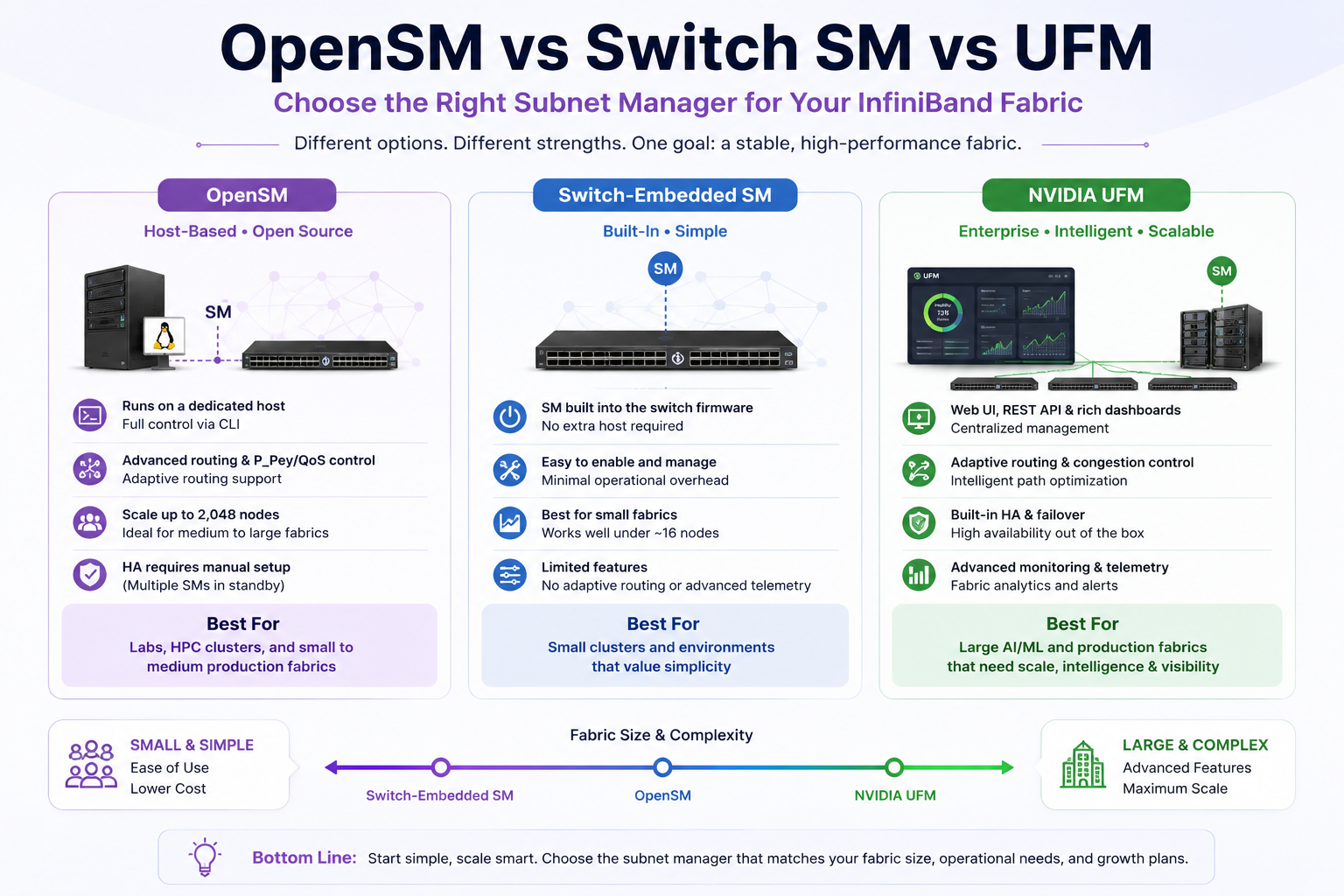
OpenSM is the open-source InfiniBand subnet manager that ships with Linux distributions and the NVIDIA MLNX_OFED and HPC-X stacks. It runs as a daemon on a server with an InfiniBand port and gives you full control over P_Keys, QoS, and routing. It is free, but it is command-line only and requires you to set up high availability yourself.
For most labs, academic clusters, and small production fabrics, OpenSM is the right call. It supports fabrics up to 2,048 nodes, which covers a large share of real-world deployments.
Switch-Embedded Subnet Manager
Many InfiniBand switches include a subnet manager in their firmware. You enable it once and the switch manages the fabric with no extra host. This is the simplest option for a small cluster. The trade-off is limited functionality: no adaptive routing, no advanced congestion control, and no rich telemetry. It works well under roughly 16 nodes but does not scale gracefully beyond that.
NVIDIA UFM (Unified Fabric Manager)
NVIDIA Unified Fabric Manager (UFM) is an enterprise-oriented platform for managing and monitoring InfiniBand and high-performance networking environments.
Depending on the UFM edition and deployment, it can provide capabilities such as:
- •Centralized fabric management
- •Topology visualization
- •Monitoring and telemetry
- •Event and fault management
- •REST APIs
- •Automation
- •Routing and optimization capabilities
- •Integration with large-scale AI and HPC environments
UFM is particularly useful when an InfiniBand fabric needs centralized management, visibility, automation, and operational monitoring beyond the basic functionality provided by a standalone Subnet Manager.
It should not be viewed simply as a larger version of OpenSM. UFM is better understood as a broader fabric-management platform that can incorporate and manage subnet-management functionality within an enterprise environment.
OpenSM vs Switch-Embedded SM vs UFM
Here is how the three compare at a glance:
| Feature |
OpenSM |
Switch SM |
NVIDIA UFM |
| Cost |
Free |
Bundled with switch |
Licensed |
| Scale |
Up to 2,048 nodes |
Small (<16 nodes) |
Large / AI-scale |
| Interface |
CLI |
Switch CLI |
Web UI + REST API |
| Adaptive routing |
Via tuning |
Not supported |
Supported |
| Telemetry |
Limited |
Limited |
Rich dashboards |
| High availability |
Manual setup |
Basic |
Built-in |
The comparison should be treated as a general guide rather than a universal feature matrix. Exact capabilities depend on the software version, switch platform, UFM edition, and deployment architecture.
InfiniBand Routing Algorithms Explained
One of the most useful knobs in an InfiniBand subnet manager is the routing engine. OpenSM supports several, and the right one depends on your topology.
- •MinHop is the default. It picks the shortest path and works fine for small or irregular fabrics.
- •Up/Down (UPDN) prevents deadlocks in topologies that contain loops. Use it when your fabric is not a clean fat tree.
- •Fat-tree optimizes routing for symmetric, leaf-spine fat-tree fabrics.
- •DOR (Dimension Order Routing) is a deadlock-free scheme for mesh and hypercube layouts.
- •Torus-2QoS targets 2D and 3D torus topologies with two quality-of-service levels.
- •Routing Chains let you combine different engines across different regions of one fabric.
One engine you will not find is LASH. It is not supported by the current SM implementations, despite appearing in older documentation. If you are migrating a config, confirm your routing engine is still valid.
Subnet Manager High Availability and Failover
A fabric with a single subnet manager has a single point of failure. That is why serious deployments run a standby.
Multiple SMs coordinate through an election. Each SM has a priority from 1 to 15, where higher wins. When priorities tie, the SM with the lower GUID becomes master. The standby polls the master with a heartbeat and takes over automatically if it stops responding.
A single Subnet Manager creates a potential management-plane failure point. For production InfiniBand fabrics, multiple SM instances can be deployed so that another SM can become active if the current master becomes unavailable.
Multiple Subnet Managers participate in an election process. The active SM is generally selected according to configured priority and other identification parameters defined by the implementation.
In an OpenSM deployment, administrators can configure multiple SM instances on separate hosts or management systems and assign different priorities.
For example, a production environment might use:
- •One primary Subnet Manager
- •One standby Subnet Manager
- •Separate physical or logical hosts
- •Different SM priorities
- •Independent power and network paths where practical
The standby SM should not be treated as a replacement for proper monitoring. Administrators should also monitor SM status, fabric events, link state, and system logs.
Best Practice
Whenever possible, avoid running the only Subnet Manager on a compute node that is frequently rebooted, upgraded, or repurposed.
A dedicated management host or a highly available management architecture can reduce the risk of an administrative operation unintentionally affecting fabric control.
The Optical Layer: What the Subnet Manager Actually Manages
Most people focus solely on the software layer, creating a blind spot; after all, every LID, routing instruction, and scan command generated by the subnet manager is meaningful only if the underlying physical links remain intact. This is precisely where optical transceivers and cables come into play.
InfiniBand Speed and Form Factors
InfiniBand has kept pace with AI bandwidth demand through three recent generations, each tied to a specific optical form factor:
- •HDR : 200Gb/s-class InfiniBand, commonly associated with QSFP56
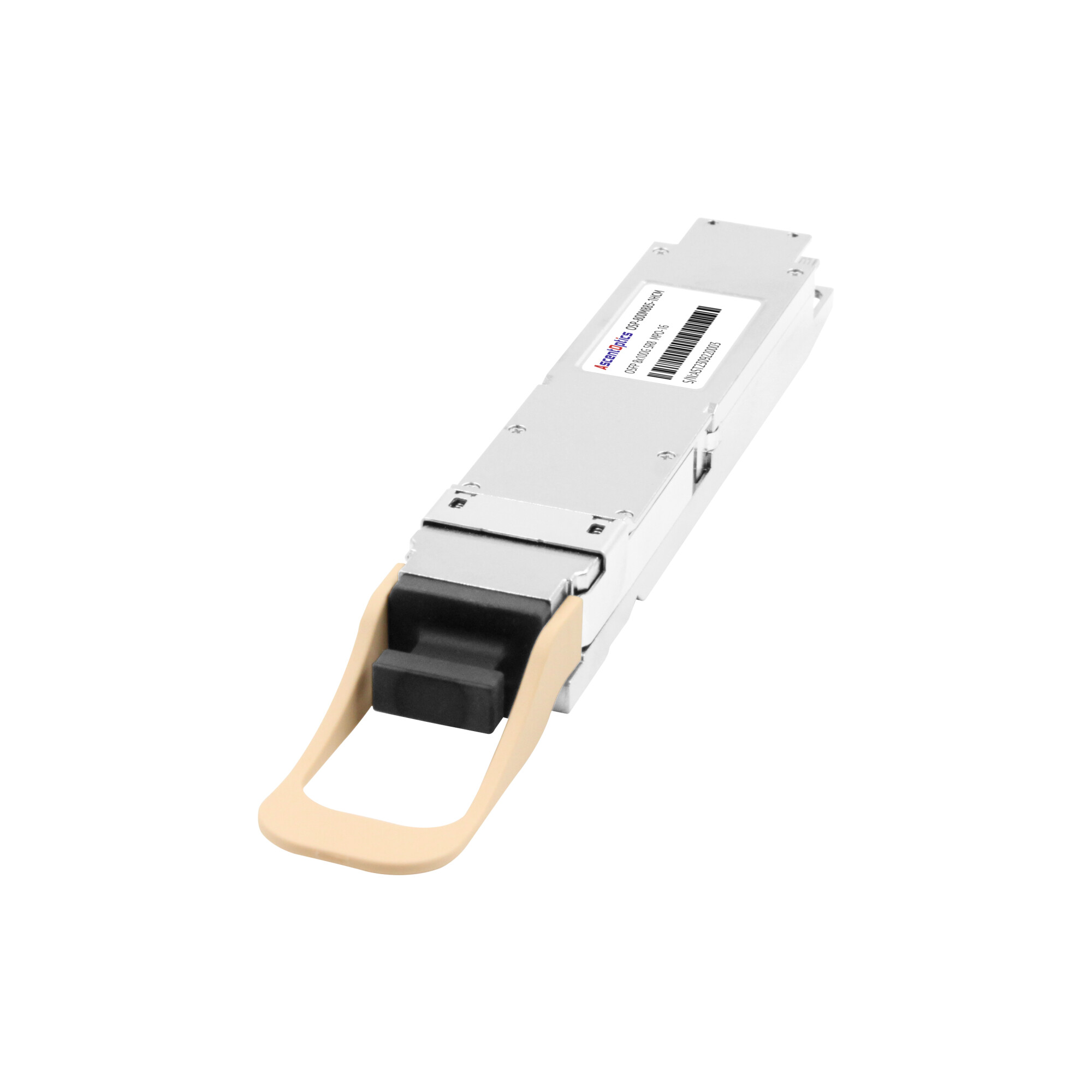
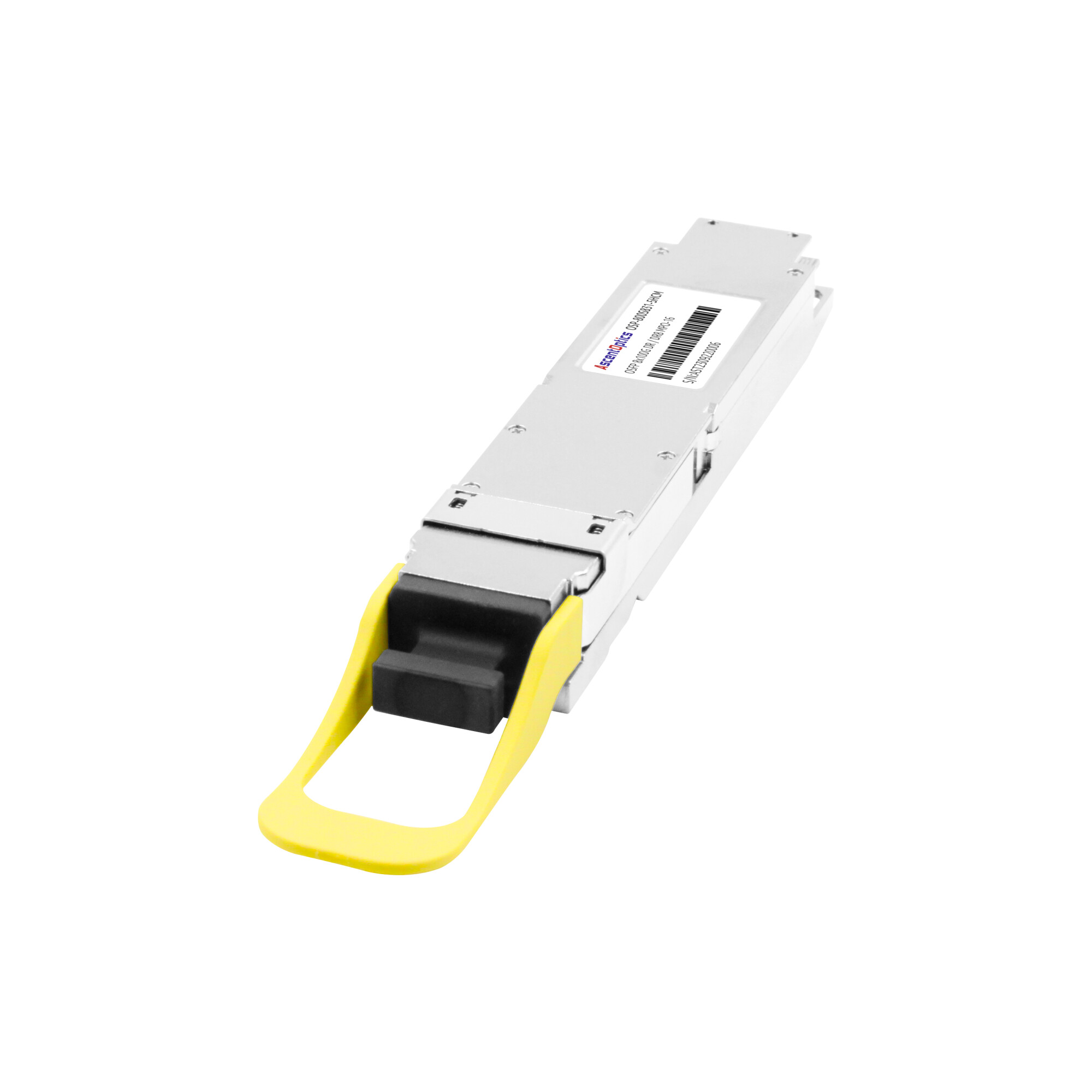
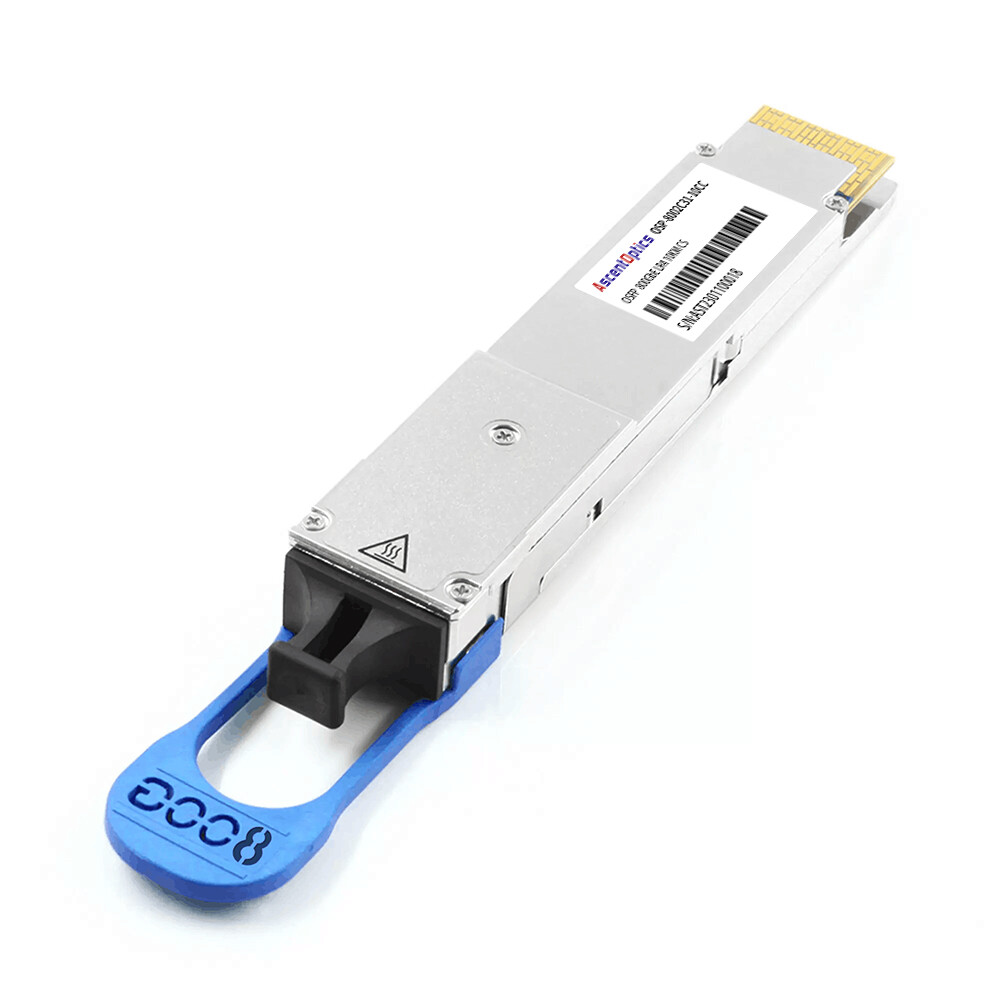
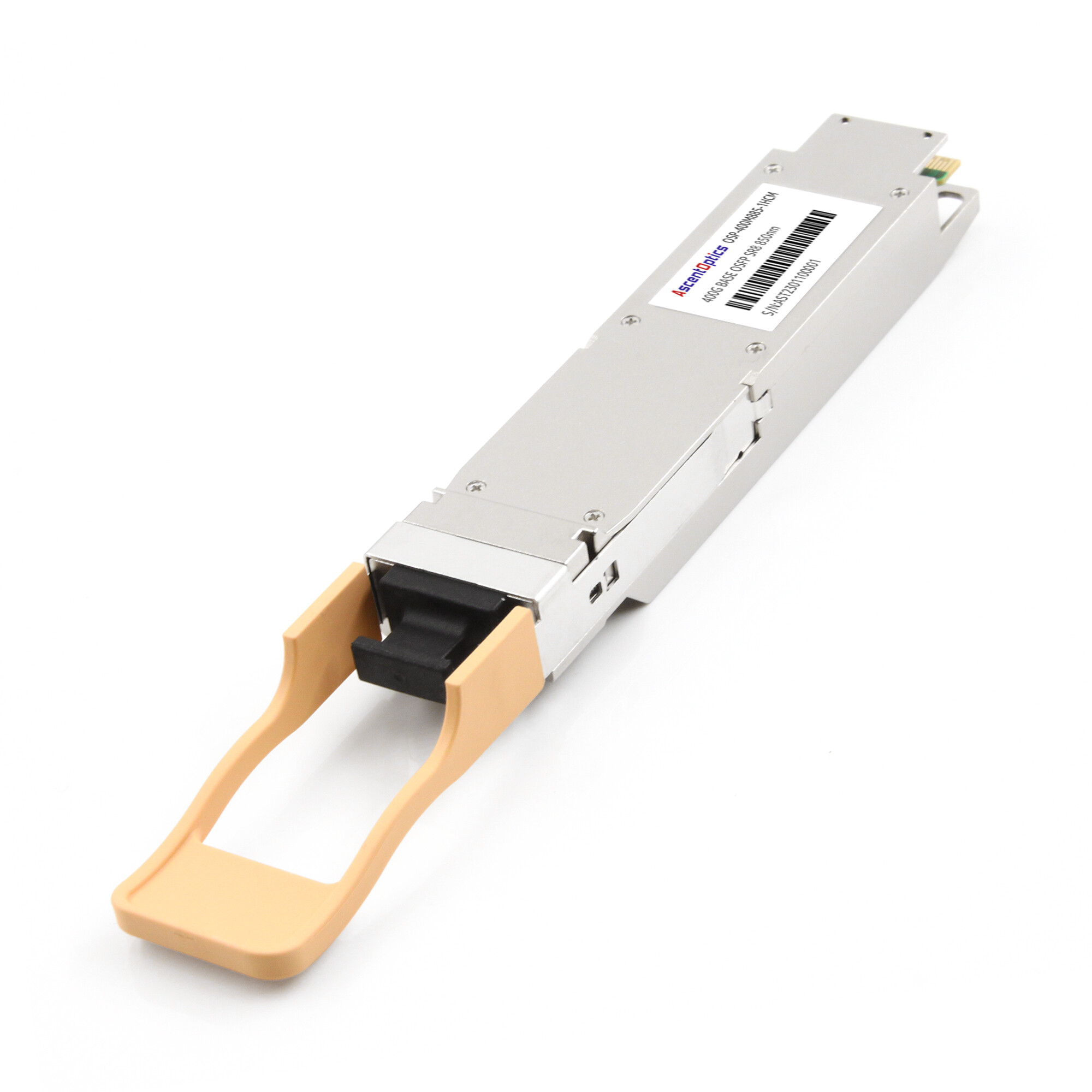
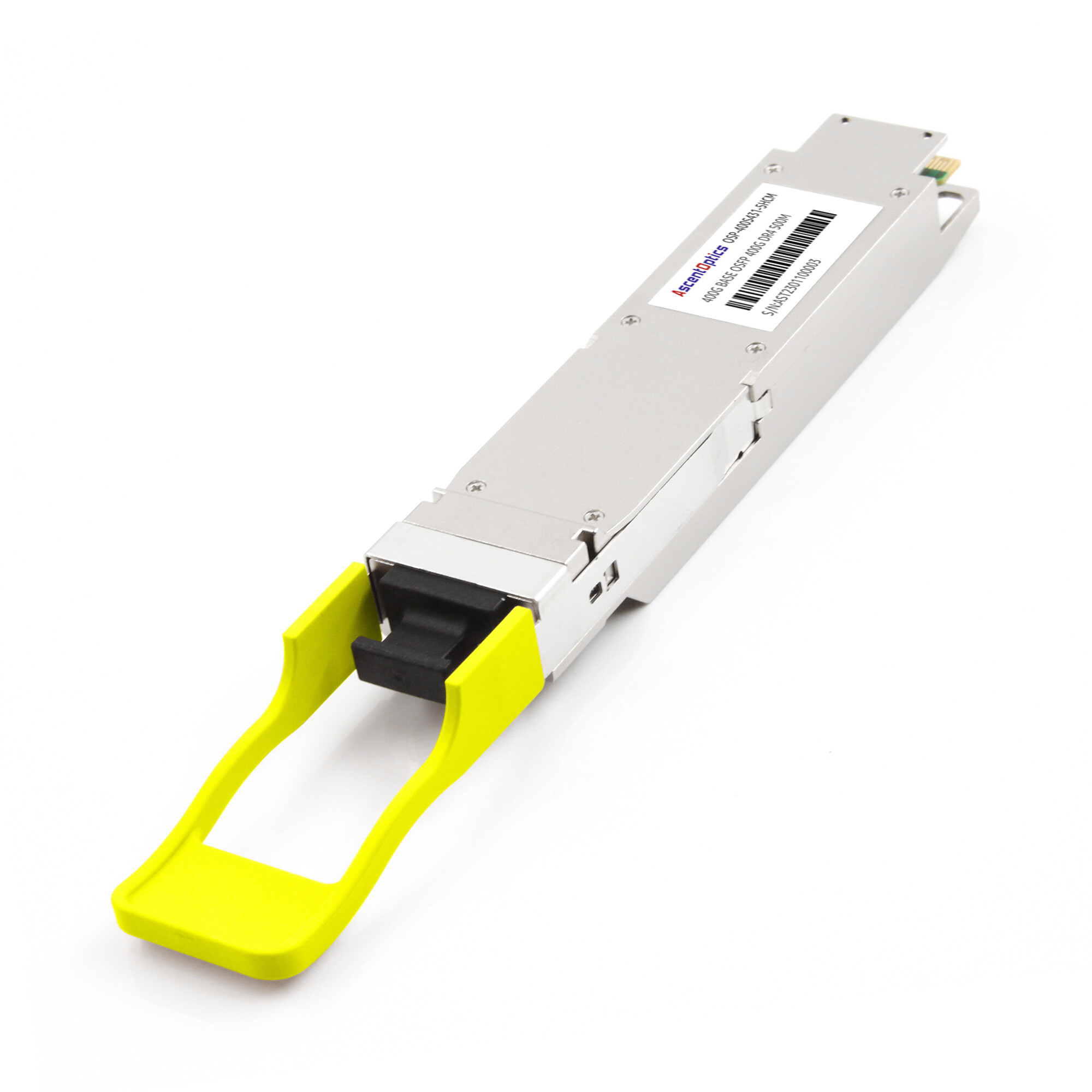
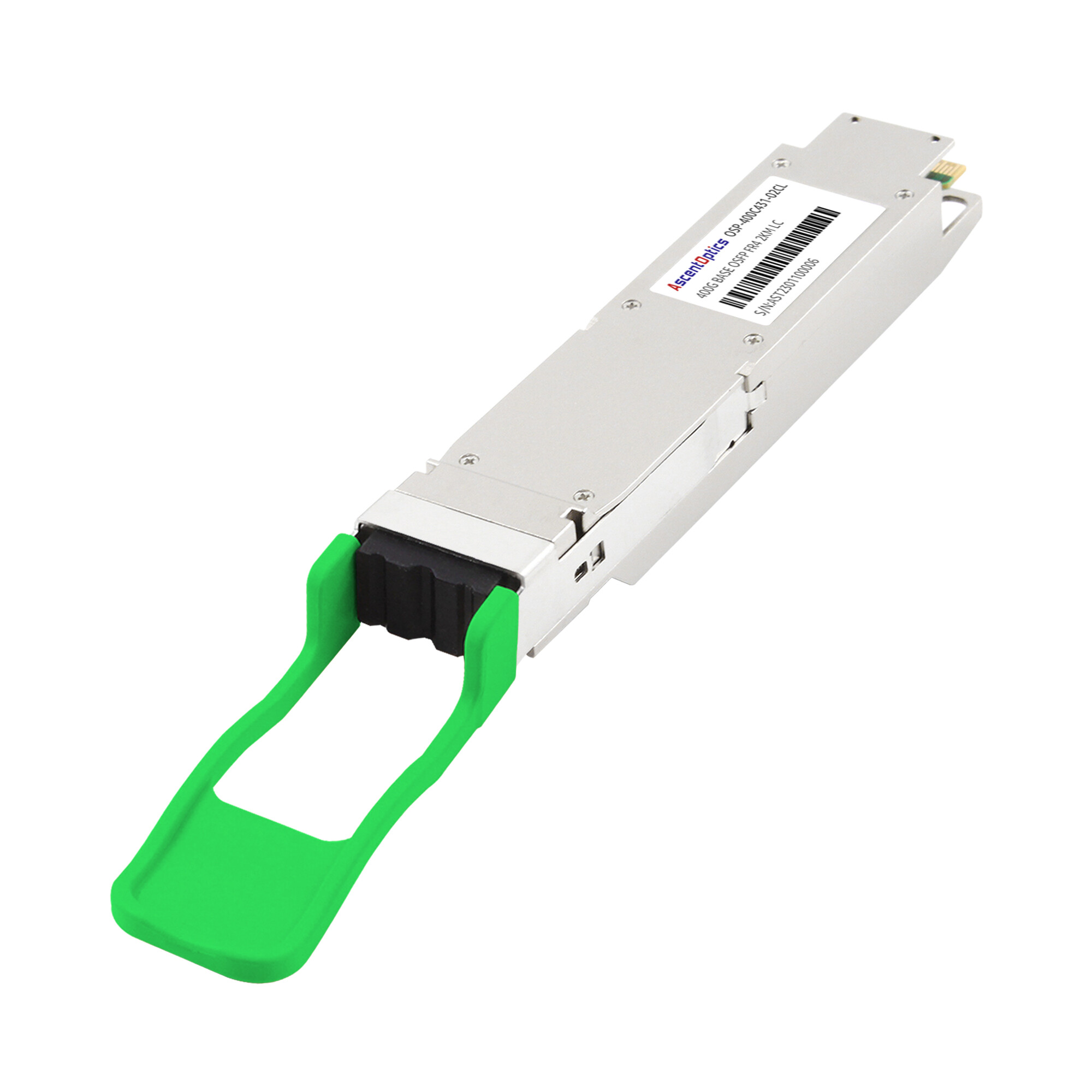
- •NDR: 400Gb/s-class InfiniBand, commonly associated with OSFP
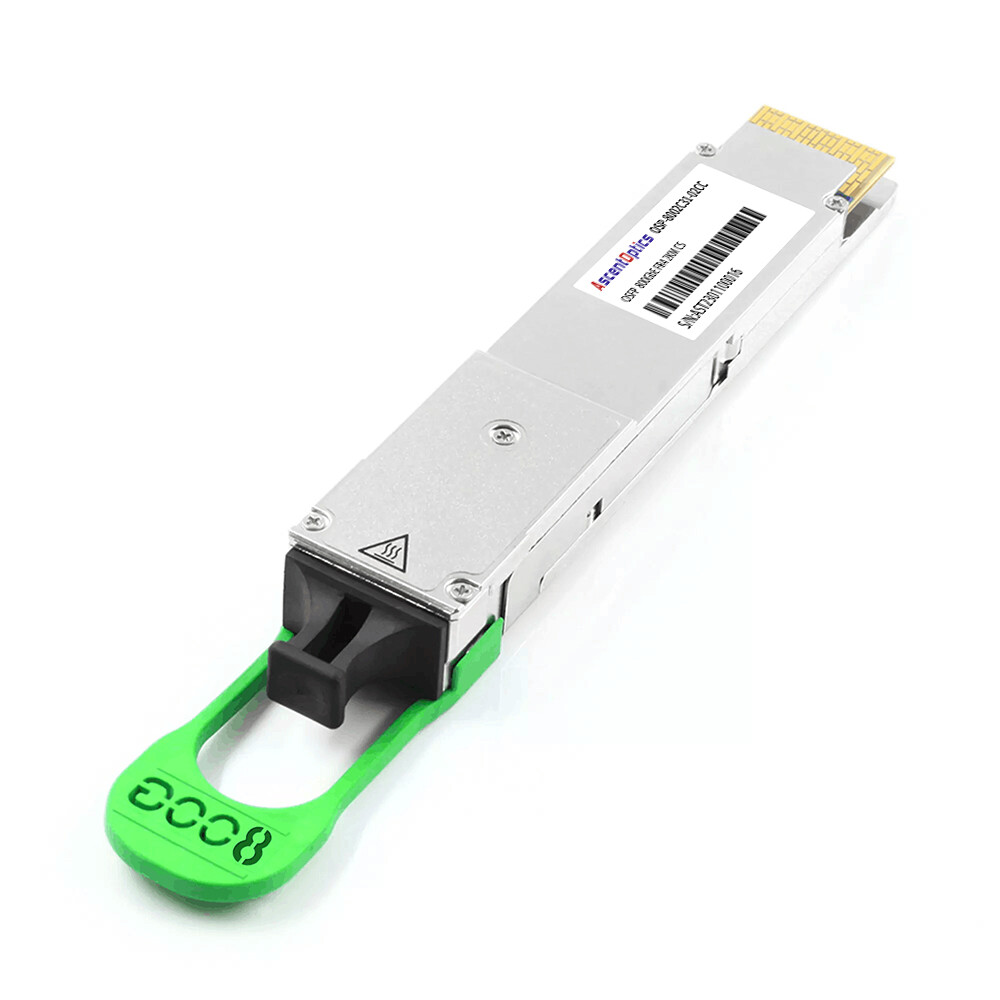
- •XDR: 800Gb/s-class InfiniBand, associated with newer high-performance platforms and OSFP-based implementations
Here is the part that trips up new buyers. An OSFP module built for InfiniBand looks mechanically identical to one built for Ethernet. The two are coded differently and are not interchangeable. Plug an Ethernet-coded OSFP into an InfiniBand switch, and it will not link.
DAC, AOC, or Optical Module?
The choice between DACs, AOCs, and optical transceivers depends primarily on link distance, power consumption, cable density, cost, and platform requirements.
| Reach |
Media |
Typical IB Role |
| Up to 2 to 3 m |
Passive DAC copper |
In-rack GPU-to-switch links |
| Up to 30 m |
AOC (active optical cable) |
Short inter-rack links |
| 100 m |
SR multimode modules |
Switch-to-switch in a pod |
| 500 m |
DR single-mode modules |
Leaf-to-spine |
| 2 to 10 km |
FR / LR single-mode |
Inter-pod and DCI |
For latency-sensitive AI workloads, short-reach DR modules are often preferred because they reduce DSP processing and, with it, latency. The right optical module depends on your reach and your latency budget, not just your speed.
How Optical Link Quality Shows Up in the SM
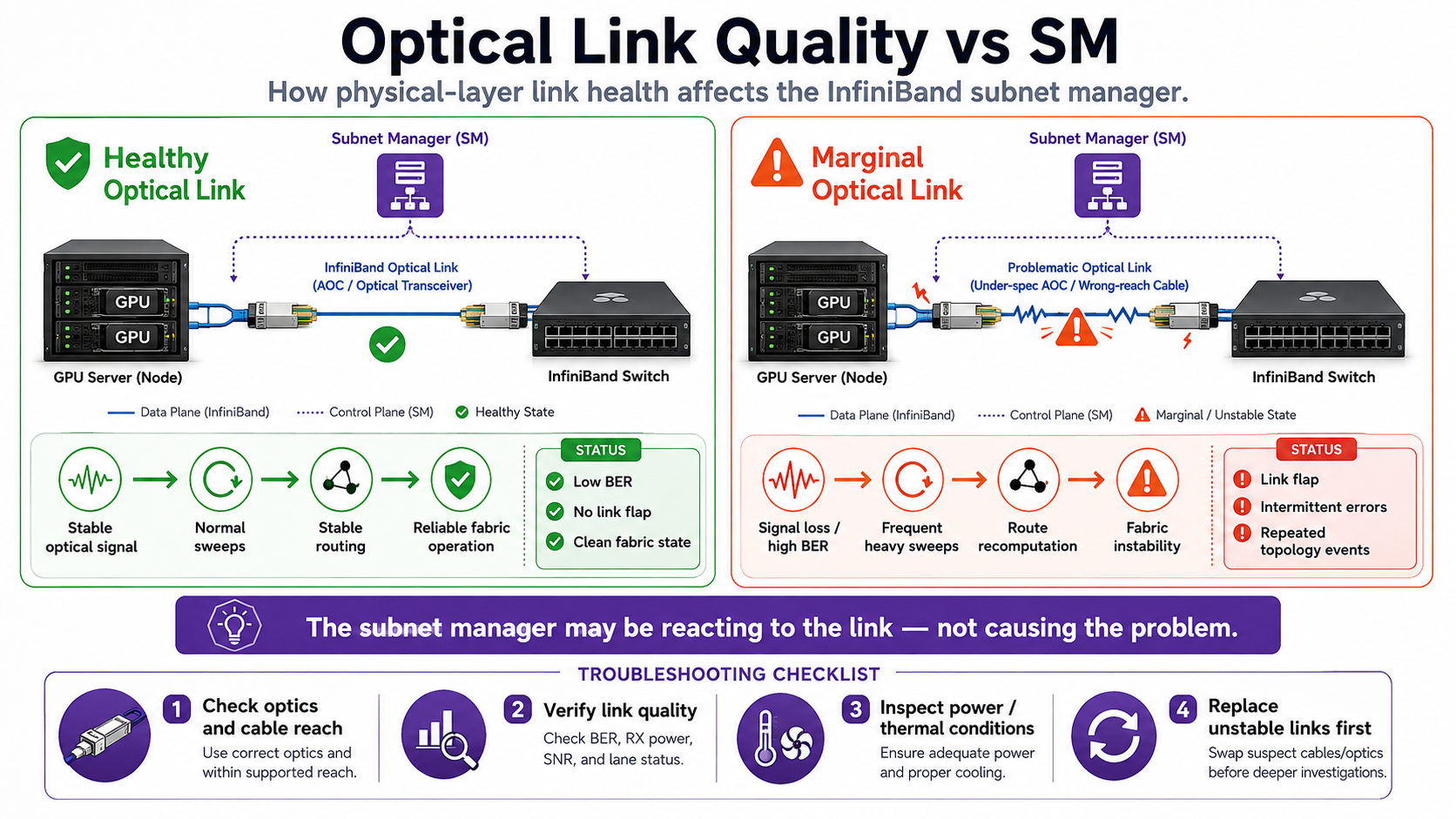
The subnet manager and the optical layer are not separate worlds. A marginal link, one with high bit-error rate or intermittent signal loss, surfaces inside the SM as frequent heavy sweeps and repeated route recomputation.
Consider a team that deployed a 400G fabric and could not understand why opensm.log kept reporting heavy sweeps every few minutes. The fabric was stable in software. The cause was a batch of under-specified AOC cables running slightly beyond their rated reach, dropping signal under thermal load. The SM was not failing; it was reacting to flapping links the whole time. Replacing the cables with the correct reach eliminated the sweeps overnight.
That connection matters because it changes how you troubleshoot. When an InfiniBand subnet manager looks unstable, check the physical layer before you blame the software.
The Optical Transceivers Your Fabric Runs On
The subnet manager is the brain of an InfiniBand fabric, but the data plane is carried by optical transceivers and cables. A fabric that is configured correctly in software still needs links that meet its speed, reach, and signal-integrity requirements.
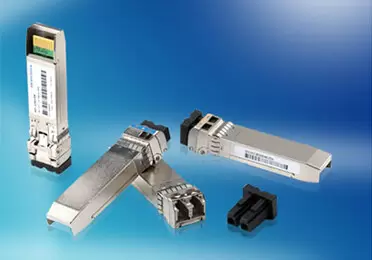
Ascent Optics supplies InfiniBand-compatible optical transceiver modules across the speed range, from QSFP28 optical transceivers for 100G links to QSFP-DD and OSFP modules for 400G and 800G fabrics. Every module follows MSA and IEEE standards, so it integrates with mainstream InfiniBand and Ethernet hardware.
For 100G InfiniBand and Ethernet fabrics specifically, 100G QSFP28 optical modules deliver reliable, low-latency transmission across the short and medium reaches where most AI training traffic lives. Getting the optical layer right is the difference between a fabric that sweeps cleanly and one that never stops recomputing its routes.
Conclusion
An InfiniBand fabric lives or dies by its subnet manager. That single piece of software assigns the LIDs, computes the routes, and holds the whole topology together, and nothing moves until it runs.
The key takeaways are simple. First, every fabric needs an active subnet manager, and ports will stay in Initializing without one. Second, you have three ways to run it: free host-based OpenSM, a switch-embedded SM for small clusters, or NVIDIA UFM for large production fabrics. Third, always run a standby SM so one failure does not take down your cluster. Fourth, the subnet manager and the optical layer are linked, so a fabric that looks unstable is often reacting to a marginal link, not a software bug.
Post Views: 1,446