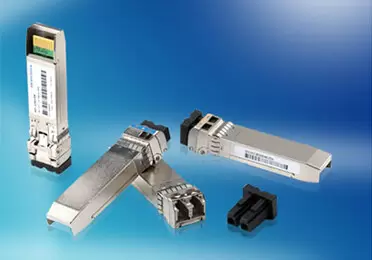
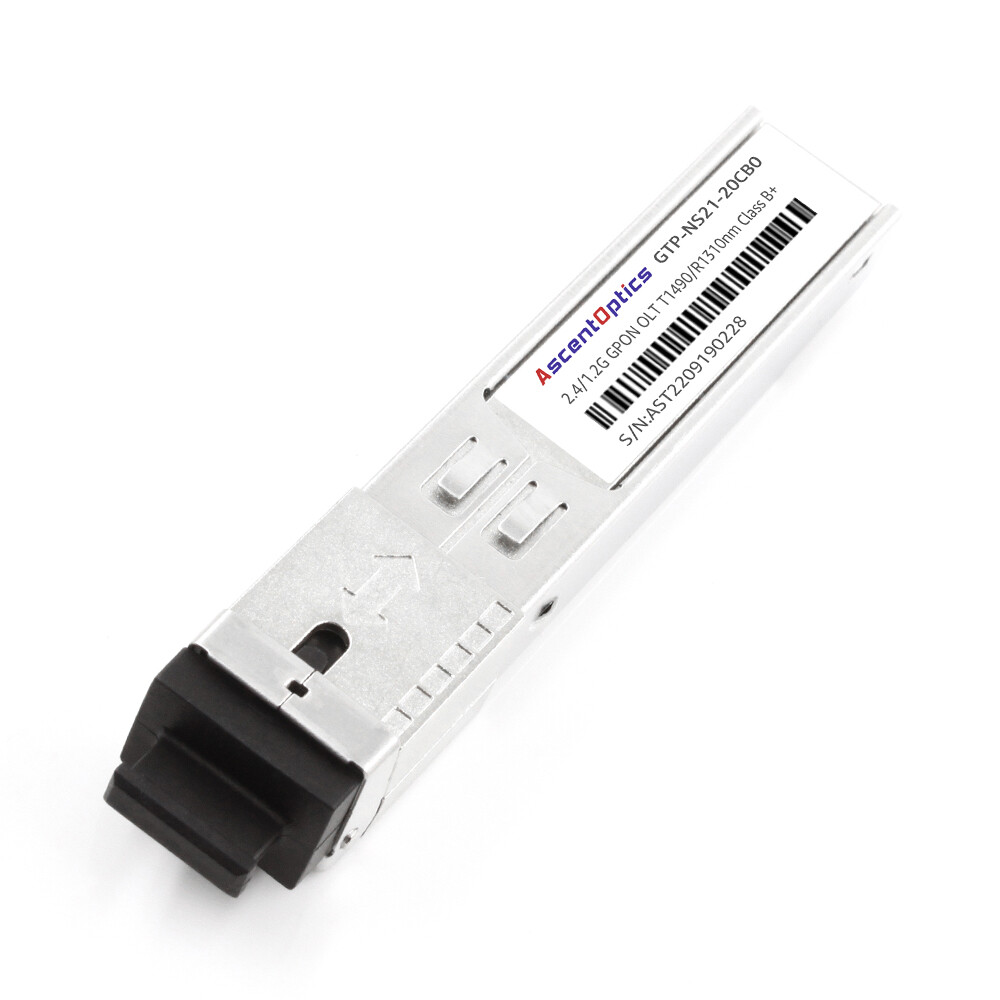
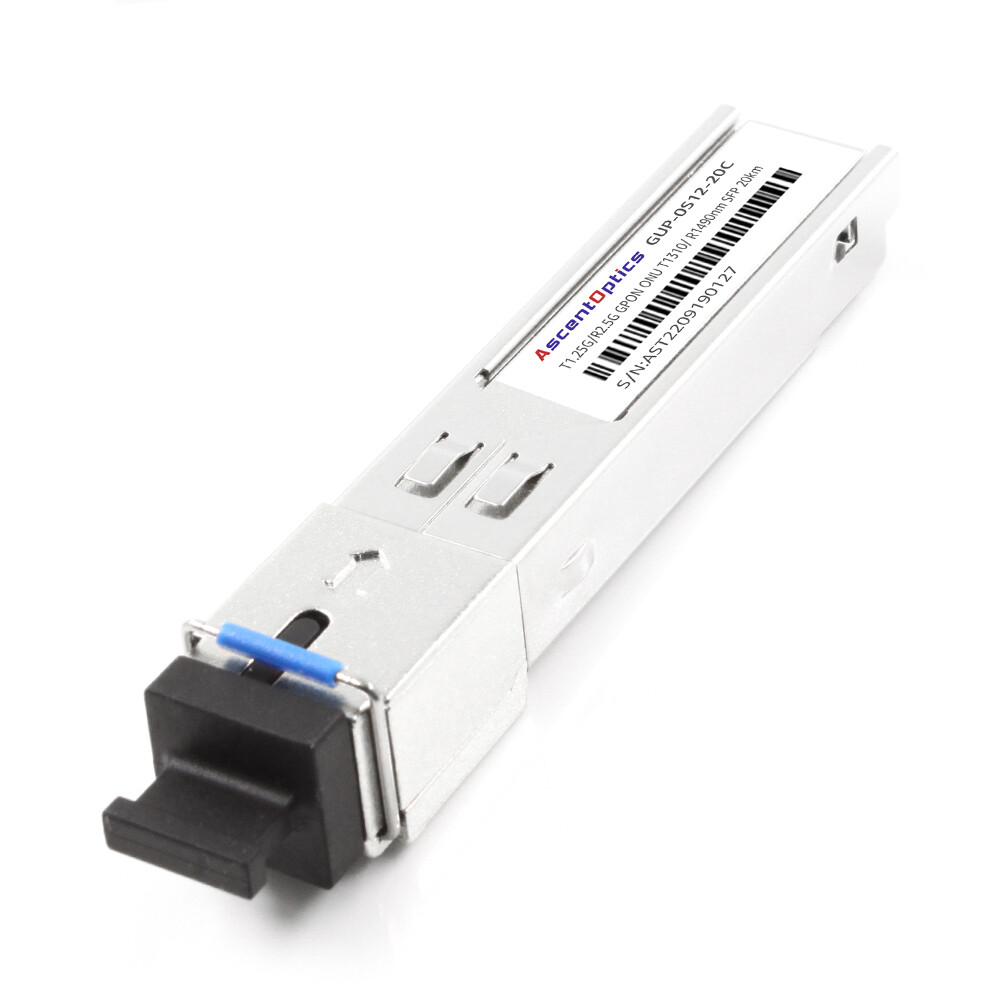
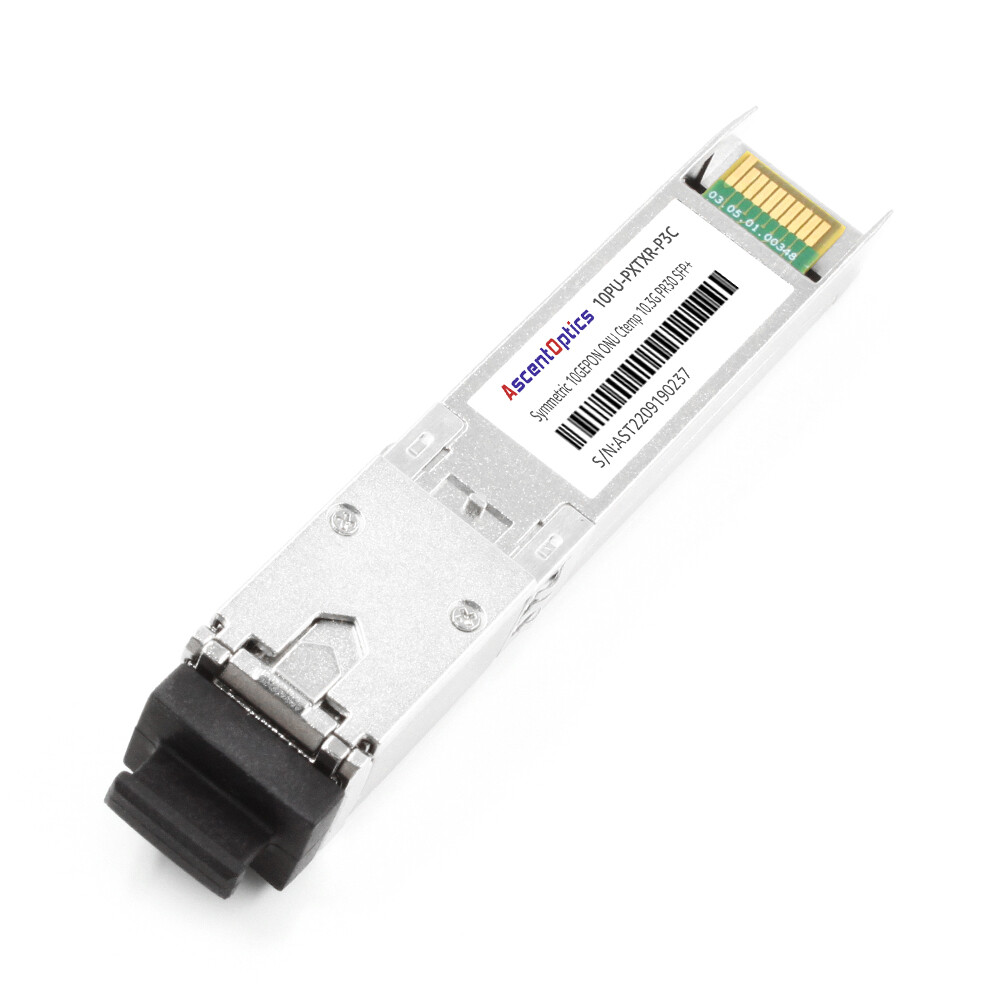
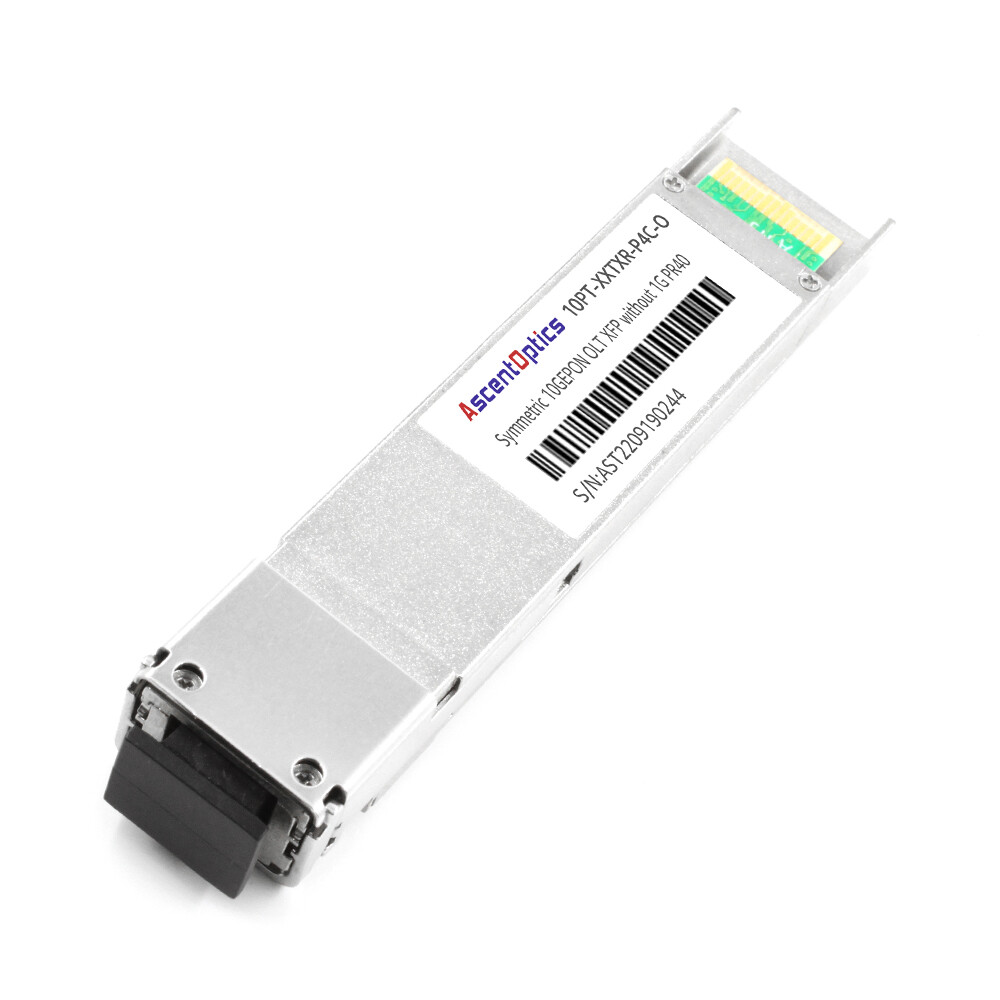
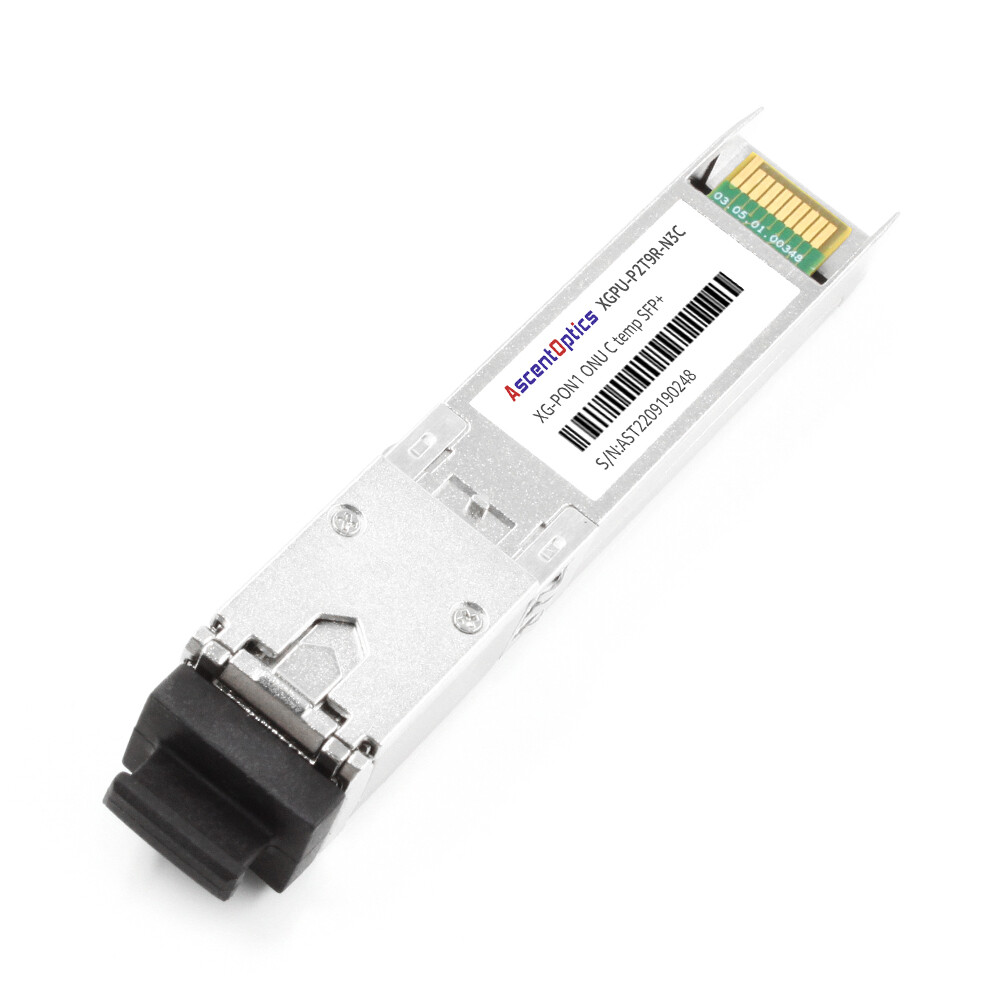
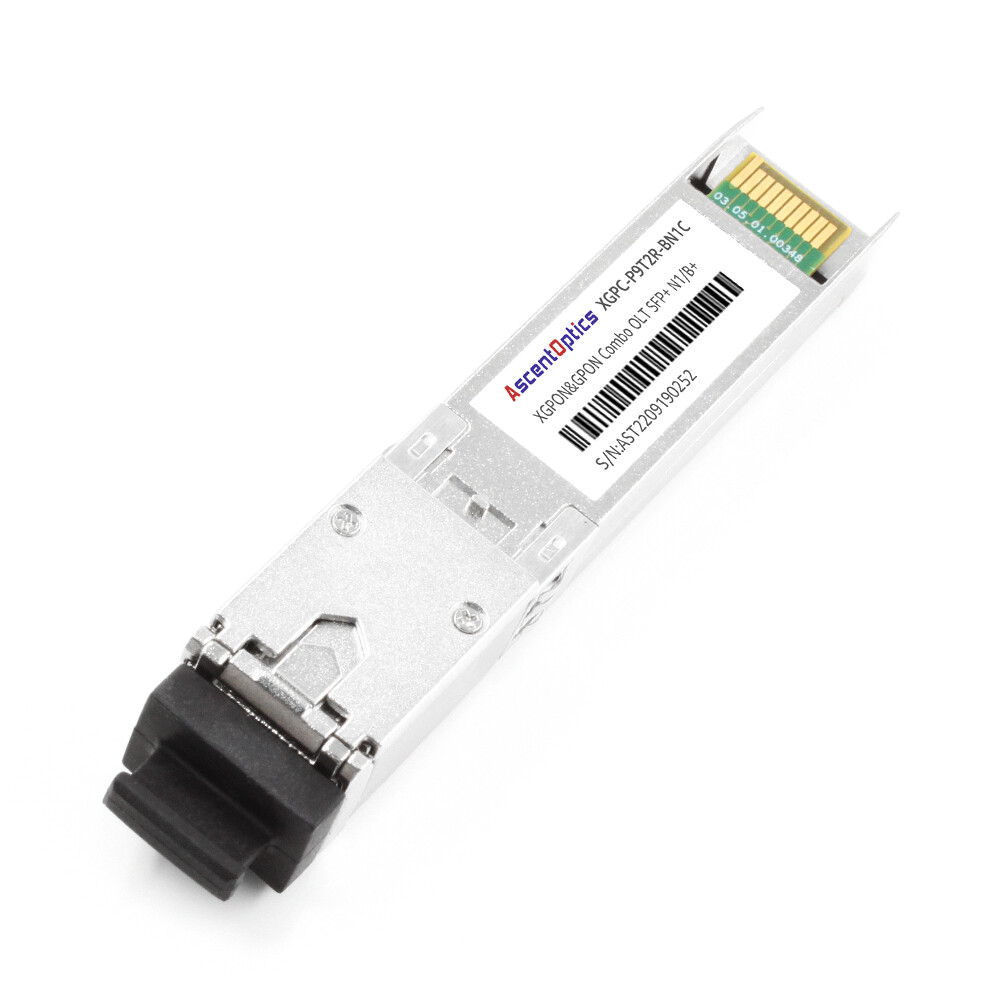
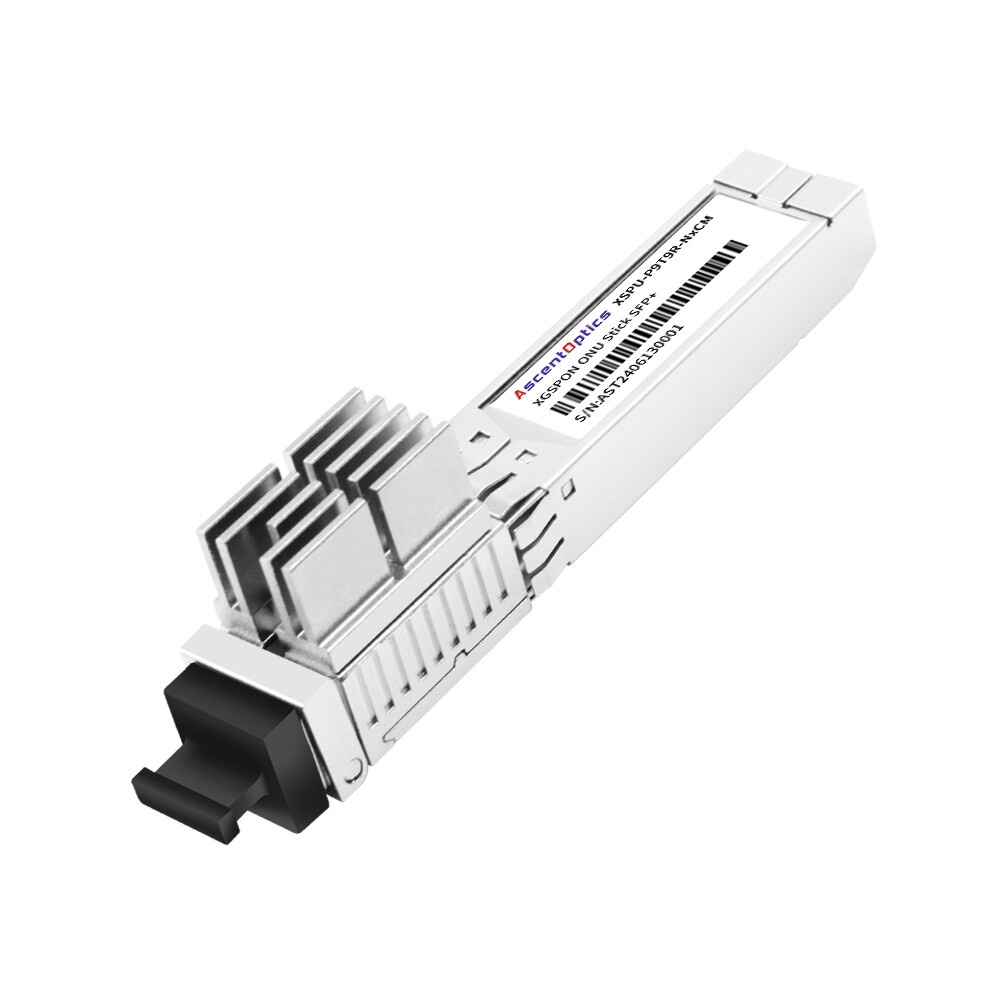
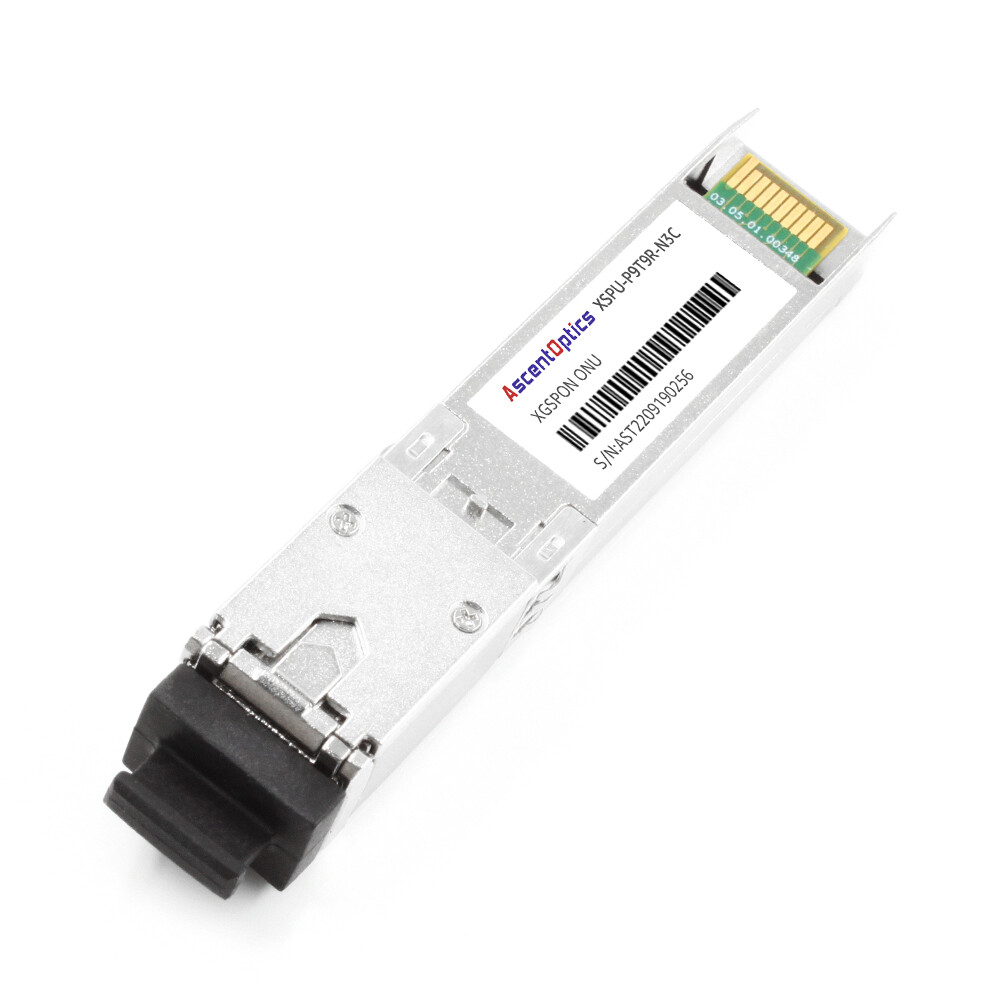
The compatibility of PON optical modules is influenced by standards, data rates, wavelengths, and form factors. Since GPON, EPON, XG-PON, and XGS-PON differ in protocols and power budgets, OLT and ONU types must be verified when mixing them to ensure stable interoperability.
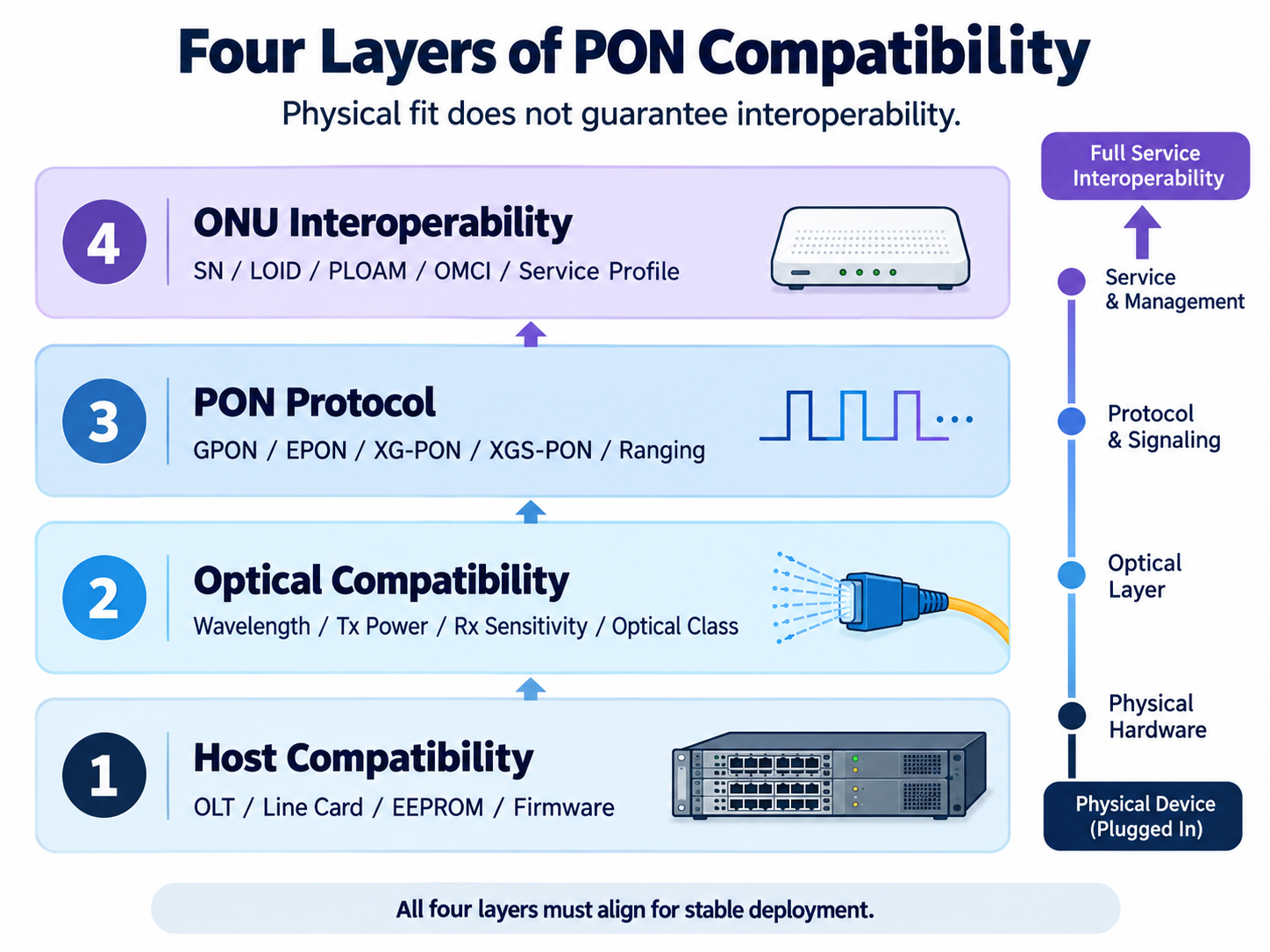
If you have deployed data-center optical transceivers, you already know the rule: match the form factor, wavelength, and data rate, and the link comes up. PON optical module compatibility breaks that rule. PON module compatibility has two layers: host-side transceiver compatibility and network-side ONU/OLT interoperability.
What Is a PON Optical Module?
A PON optical module is a pluggable optical transceiver used in a passive optical network (PON). In an FTTx fiber optic networking deployment, a single fiber feeds many subscribers through passive optical splitters, with no active electronics in between. The modules sit at the two ends of that tree: one in the central office, one at the customer premises.
PON optical module compatibility depends on more than the physical SFP/SFP+ connector. It depends on the PON technology (GPON, EPON, XG-PON, XGS-PON), the optical class, the wavelength plan, and — most important — the OLT vendor’s management software.
OLT vs. ONU Modules: Two Different Roles
The two ends of a PON use different modules.
OLT modules live in the optical line terminal at the central office. A GPON OLT module typically terminates up to 64 or 128 subscribers, while an XGS-PON OLT module can serve even more. These modules use SFP form factors for GPON and SFP+ for XG-PON and XGS-PON.
ONU modules live at the customer premises. Many ONTs have the optics built in, but “SFP ONU” or “ONU stick” modules plug into a router or switch that has a standard SFP port. They turn customer equipment into a PON endpoint.
The distinction matters because the compatibility rules are different on each side. OLT modules must match the OLT card and the vendor’s provisioning system. ONU modules must satisfy the OLT’s registration and authentication logic. Get either one wrong, and the link will not come up.
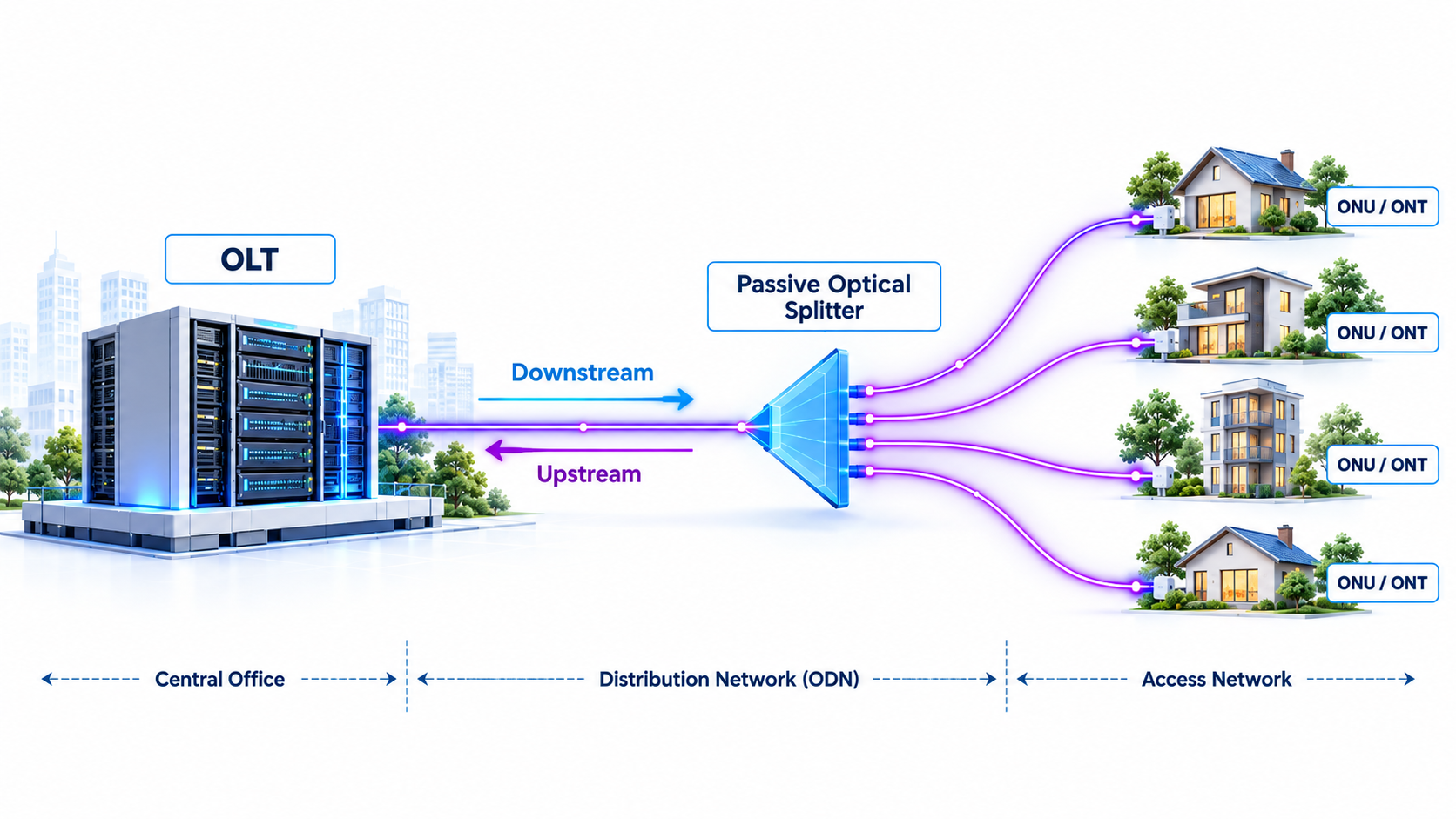
PON Module Types: GPON, EPON, XG-PON, XGS-PON
Before you can assess PON module compatibility, you need to identify which technology the network uses. The four main types share a passive-splitter architecture but differ in data rate, wavelength, and standard.
| Technology |
Standard |
Down / Up Rate |
Down / Up Wavelength |
Form Factor |
| GPON |
ITU-T G.984 |
2.488 Gb/s/1.244 Gb/s |
1490 nm / 1310 nm |
SFP |
| EPON |
IEEE 802.3ah |
1G / 1G |
1490 nm / 1310 nm |
SFP |
| 10G-EPON |
IEEE 802.3av |
10G/1G or 10G/10G |
1577 / 1270 nm nominal |
SFP+ |
| XG-PON |
ITU-T G.987 |
10G / 2.5G |
1577 nm / 1270 nm |
SFP+ |
| XGS-PON |
ITU-T G.9807.1 |
10G / 10G |
1577 nm / 1270 nm |
SFP+ |
GPON (ITU-T G.984)
GPON is the workhorse of global FTTx deployments. It delivers 2.488 Gbps downstream and 1.244 Gbps upstream on a single fiber, using 1490 nm downstream and 1310 nm upstream. GPON OLT modules use the SFP form factor and are offered in optical classes B+, C+, and C++, which trade off reach and split ratio. The ITU-T G.984 standard defines the physical and protocol layers.
EPON and 10G-EPON (IEEE 802.3ah / 802.3av)
EPON uses the same 1490 nm / 1310 nm wavelengths as GPON but runs at a symmetric 1 Gbps. 10G-EPON jumps to 10 Gbps using the 1577 nm / 1270 nm plan shared with XG-PON. EPON is common in some regions and in enterprise and cable-MSO deployments.
XG-PON and XGS-PON (ITU-T G.987 / G.9807.1)
XG-PON provides 10 Gbps downstream and 2.5 Gbps upstream; XGS-PON makes it 10 Gbps in both directions. Both use 1577 nm downstream and 1270 nm upstream, and both use the SFP+ form factor. XGS-PON is the fastest-growing mainstream segment, as operators migrate from GPON to symmetrical 10G service.
Combo PON Modules
A combo PON module integrates two transmitters and two receivers in one SFP+, so a single OLT port can serve both GPON and XGS-PON subscribers at once. This allows operators to migrate subscribers from GPON to XGS-PON while reusing the existing passive ODN, provided that the OLT platform and line card support Combo PON operation.
PON Optical Classes: The Link Budget Behind Compatibility
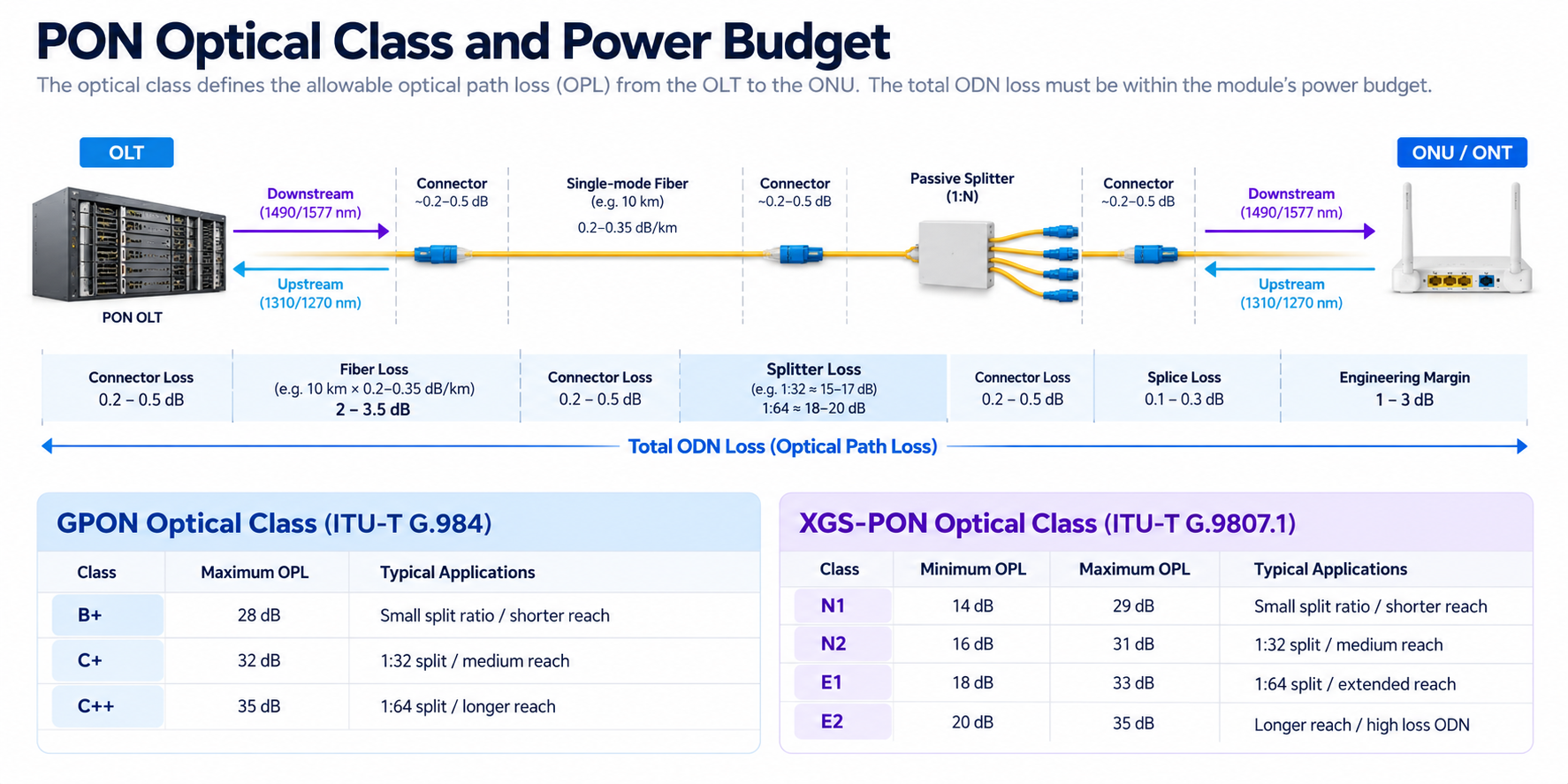
Every PON module is assigned an optical class that describes its link budget — the difference between transmit power and receiver sensitivity. That budget must cover all the loss in the fiber plant: fiber attenuation, connectors, and, above all, the optical splitter.
A 1:32 splitter alone introduces roughly 15 to 18 dB of insertion loss. A 1:64 splitter adds more, and a 1:128 splitter more still. If your module’s class does not cover the worst-case loss on the tree, subscribers at the far end will see no signal or a flood of errors.
| Technology |
Class |
Typical Link Budget |
| GPON |
B+ |
13–28 dB |
| GPON |
C+ |
17–32 dB |
| GPON |
C++ |
up to ~35 dB |
| XGS-PON |
N1 |
~29 dB |
| XGS-PON |
N2 |
~31 dB |
| XGS-PON |
E1 |
~33 dB |
| XGS-PON |
E2 |
~35 dB |
The class drives two practical decisions: how far the link can reach, and how many subscribers it can split. A higher optical class provides a larger allowable ODN loss budget, which can support longer fiber routes, higher split ratios, or additional passive losses depending on the network design.
This is where “compatible” can mean “fits but underperforms.” For example, a 1:64 split may contribute roughly 18–20 dB of practical splitter loss before fiber, connectors, splices, and engineering margin are included. A module therefore should be selected from the calculated end-to-end ODN loss rather than the split ratio alone.
Why PON Compatibility Is Harder Than Ethernet
Unlike conventional Ethernet transceivers, PON deployments involve not only physical-layer optical compatibility but also PON transmission-convergence, registration, authentication, and ONU management interoperability.
A standard Ethernet transceiver is largely “dumb.” It converts electrical signals to optical and back. If the wavelength, rate, and form factor match, the switch brings the link up. PON modules do all of that too, but they must also cooperate with the OLT’s management software.
Add to that the registration and authentication step. Most OLTs require each ONU to authenticate using a serial number, a LOID (logical identifier), or a PLOAM password before it is allowed on the network. Vendors also enforce this differently.
Wavelength Coexistence: GPON and XGS-PON on One Fiber
One question comes up constantly: are GPON modules compatible with XGS-PON OLTs? The answer is no at the module level, but the two technologies are designed to coexist on the same fiber.
GPON uses 1490 nm downstream and 1310 nm upstream. XGS-PON uses 1577 nm downstream and 1270 nm upstream. Because the wavelengths are separated, a passive WDM filter — commonly called a WDM1r — can combine them on one fiber and split them again at the other end. Because their wavelength bands are separated, GPON and XGS-PON can coexist over the same ODN when the required coexistence filtering and optical-budget conditions are met.
This is what makes combo PON modules and gradual migration possible. An operator can run GPON and XGS-PON subscribers on the same passive tree, upgrading customers one at a time without touching the fiber plant. But the module itself must match its technology: a GPON module cannot speak XGS-PON, and vice versa.
So the practical rule is: match the module to the PON technology, and use combo modules or wavelength coexistence only where the OLT and the fiber plan explicitly support it.
OLT Vendor Compatibility Matrix
Vendor lock-in is the defining challenge of PON optical module compatibility. Here is how the major OLT vendors behave in practice.
| OLT Vendor |
Typical Platforms |
Third-Party Module Support |
| Huawei |
MA5600T, MA5800, SmartAX |
Restricted by default; requires interoperability mode / firmware |
| Nokia (Alcatel-Lucent) |
7360 ISAM, 7362 ISAM |
Most stringent; validates equipment ID and OMCI behavior |
| ZTE |
C300, C600 |
Strict OMCI; requires auto-discovery / interop mode |
| FiberHome |
AN6000-series |
More forgiving of non-standard OMCI messages |
| Calix / ADTRAN / Dasan |
E7, Total Access, V5824 |
Vendor-specific; verify part numbers |
Huawei OLTs are locked to Huawei-branded ONUs by default. A third-party ONU may register errors such as “Insufficient ONT interoperability access license” or report a “last down cause” of LOSi or LOBi. On the MA5600T series, enabling third-party ONUs typically requires a specific firmware (R015 and R018 are commonly cited) and an OLT-side configuration change to disable proprietary authentication. Langzhi’s guide to Huawei ONU interoperability walks through the specific firmware versions and settings.
Nokia is the pickiest. Even after serial and MAC cloning, a Nokia OLT can reject a third-party ONT by validating the vendor ID, equipment ID, and OMCI behavior. You usually need to configure an “open ONU” or “third-party ONU mode” on the OLT side.
ZTE OLTs have strict OMCI requirements. Registration often requires setting the PON port to auto-discovery rather than MAC binding, and enabling “GPON interoperability mode” to relax timeout and retry behavior.
FiberHome platforms are generally more forgiving and register most third-party ONUs without extensive configuration. The Sanoc guide to GPON and XGS-PON ONU sticks covers these vendor-by-vendor behaviors from the CPE side.
The takeaway is not to avoid third-party modules. It is to qualify them. The exact OLT model, card, and firmware version determine whether a module works. A module that works on one firmware release may fail on the next, which is why testing a sample unit against your exact platform is non-negotiable.
Common PON Module Compatibility Issues and Troubleshooting
Most field failures fall into a small number of patterns. Here are the ones our engineers see most often, and how to approach them.
“Unsupported transceiver” or “Insufficient ONT interoperability access license.” The OLT recognizes the module but rejects it at the vendor-authentication layer. This is the lock-in problem described above. The fix is OLT-side: enable third-party or interoperability mode, or update firmware.
Registration failure with LOSi or LOBi. The ONU cannot complete the authentication handshake. Check that the serial number, LOID, or PLOAM password matches the OLT’s provisioning, and that the ONU firmware supports the OLT’s OMCI profile.
No signal on a deep-split tree. The module registers in the lab but fails in production. This is almost always an optical-class mismatch. Verify that the module’s class (B+ vs. C+, or N1 vs. E1) covers the splitter loss and fiber distance.
Wavelength mismatch. A GPON module installed in an XGS-PON-only port will not link, because the wavelengths and data rates do not match. Confirm the port’s PON technology before inserting the module.
Combo-port misuse. On a combo PON interface, you must use a dedicated combo module. A non-combo PON module installed in a combo-capable port may not operate correctly and may be rejected by the host. Always verify the OLT line-card documentation and approved module type before installation.
Conclusion
PON optical module compatibility is not a simple matter of physical fit. It depends on the PON technology, the wavelength plan, the optical class, and — more than anything — the OLT vendor’s management software. Standards compliance gets you to the starting line; vendor authentication and OMCI behavior decide whether the link actually comes up.
The key takeaways are straightforward. Identify the technology first. Match the form factor and optical class to the network. Expect vendor lock-in and plan for it by enabling interoperability mode or verifying firmware. And always test one module against your exact OLT before you buy in volume.
FAQ About PON Optical Module Compatibility
Are GPON and XGS-PON optical modules interchangeable?
No. They use different data rates, wavelengths, and PON protocols, so the modules are not directly interchangeable.
Can a third-party PON module work in any OLT?
Not always. Compatibility depends on the OLT model, line card, firmware, EEPROM coding, and supported module type.
What should I check before replacing a PON module?
Check the PON type, form factor, wavelength, optical class, power budget, OLT model, and firmware version.
What is the difference between module compatibility and ONU interoperability?
Module compatibility refers to whether the OLT can recognize and operate the transceiver. ONU interoperability also involves registration, authentication, and OMCI.
Can GPON and XGS-PON run on the same fiber?
Yes. They can coexist on the same ODN because they use different wavelength bands, provided suitable coexistence or Combo PON solutions are used.
Does a higher optical class mean a longer reach?
Not necessarily. It provides a larger optical loss budget, but actual reach also depends on splitter loss, fiber loss, connectors, and splices.
Why does a PON module work in the lab but fail in the field?
Production networks usually have higher optical loss. If the total ODN loss exceeds the module’s power budget, the link may fail or become unstable.
Post Views: 1,310