Stories like that are why the QSFP vs. SFP decision deserves more than a glance at a speed chart. The two form factors serve different layers of the network, use different cabling, consume different amounts of power, and create very different migration paths. Choose correctly and you simplify your fabric. Choose incorrectly, and you create compatibility, thermal, and budgeting problems that surface during installation.
What Is an SFP Transceiver?
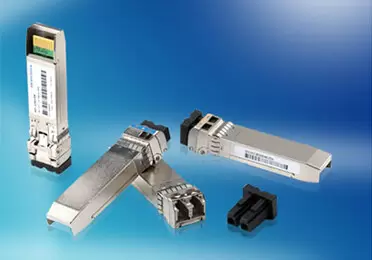
A Small Form-factor Pluggable (SFP) transceiver is a compact, hot-pluggable optical module that connects network switches, routers, and servers over fiber or copper. SFP modules use a single transmit lane and a single receive lane. That single-lane design makes them ideal for low-to-moderate bandwidth links where port flexibility and low power matter more than raw density.
The SFP ecosystem has evolved through several generations:
- •SFP (1G): the original gigabit form factor, still common in enterprise access and telecom access networks.
- •SFP+ (10G): a higher-speed variant with the same mechanical envelope but a 10 Gbps electrical interface.
- •SFP28 (25G): supports 25 Gbps per lane, widely used in modern server access and 5G fronthaul.
- •SFP-DD (50G/100G): SFP-DD (50G/100G): a double-density evolution of the SFP form factor that adds a second row of electrical contacts, enabling two electrical lanes and supporting up to 100 Gbps transmission.
SFP modules typically use LC duplex connectors for fiber variants or RJ45 connectors for copper variants. Their small size lets switch vendors pack many ports into a 1U faceplate, which is why SFP and SFP+ dominate access-layer designs.
A network manager we work with in Singapore standardized on SFP28 for server access in a colocation facility. The links were short, the power budget was tight, and the team wanted to reuse existing LC duplex cabling. The single-lane form factor kept port costs low and cable polarity simple.、
What Is a QSFP Transceiver?
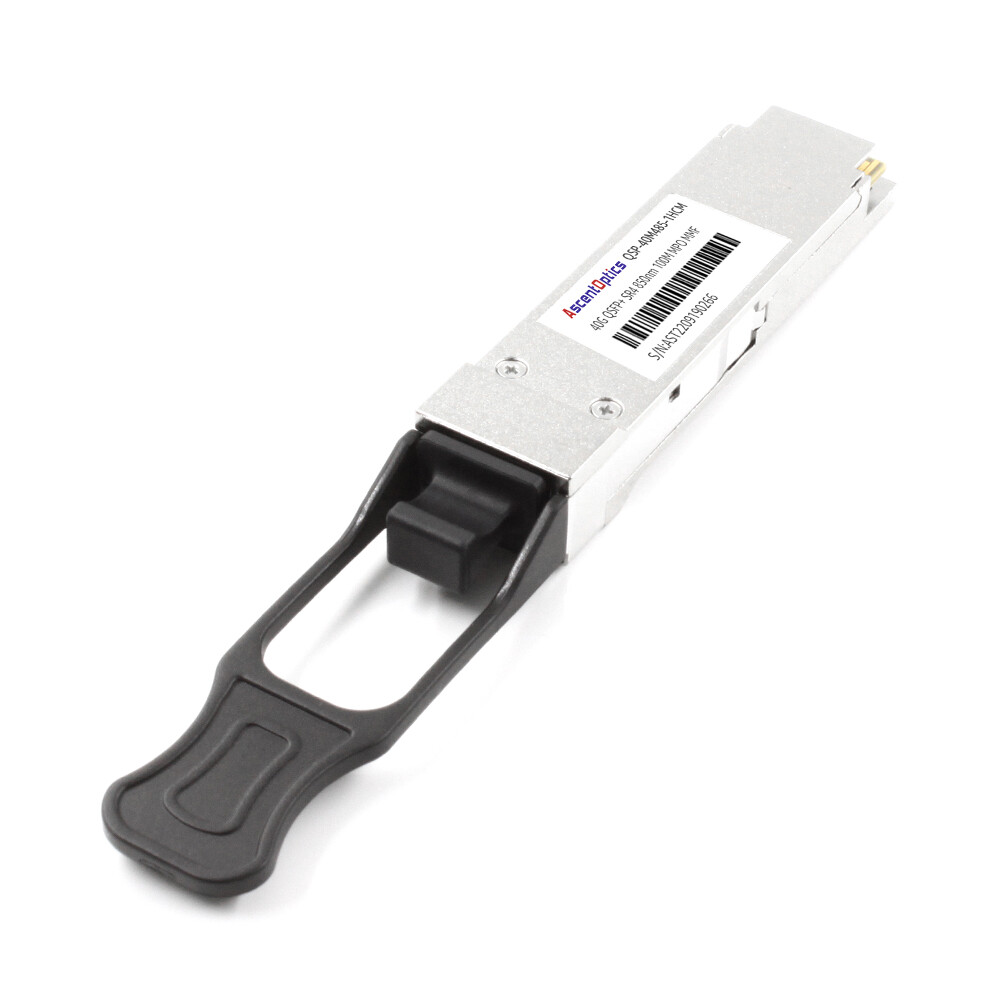
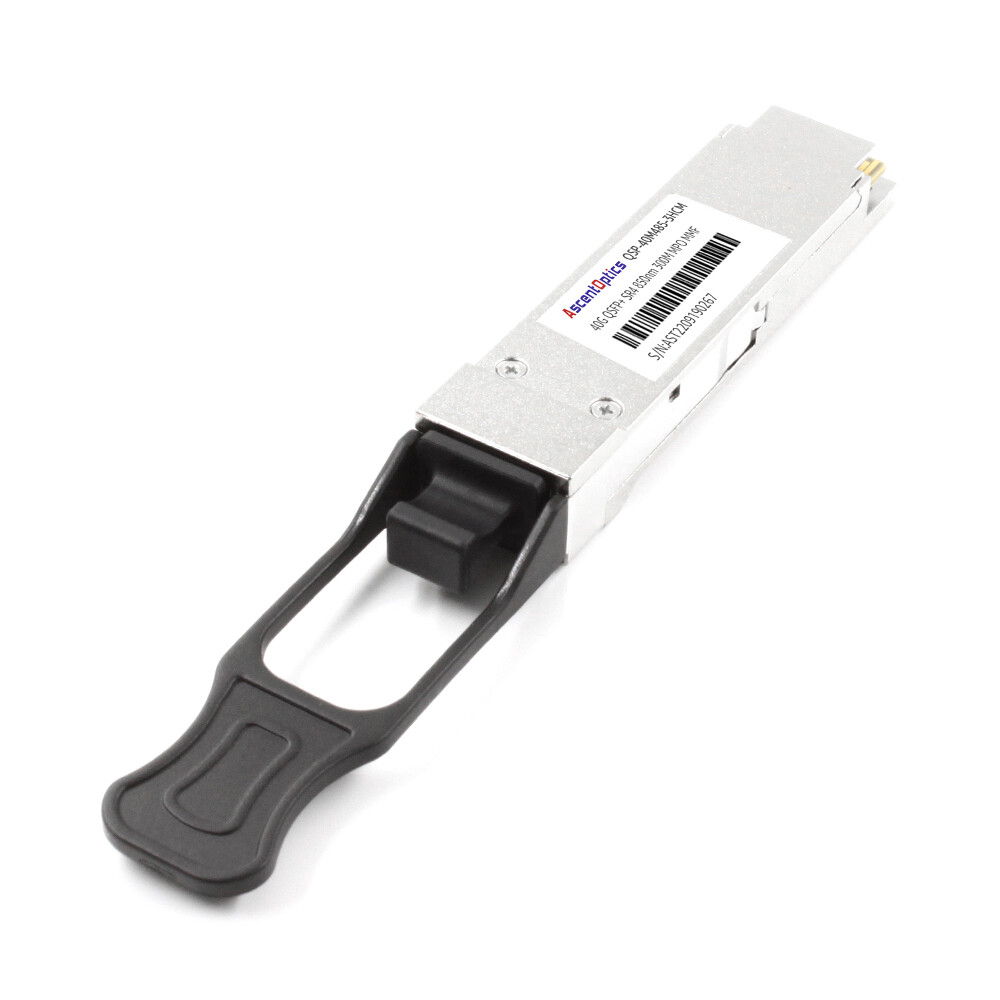
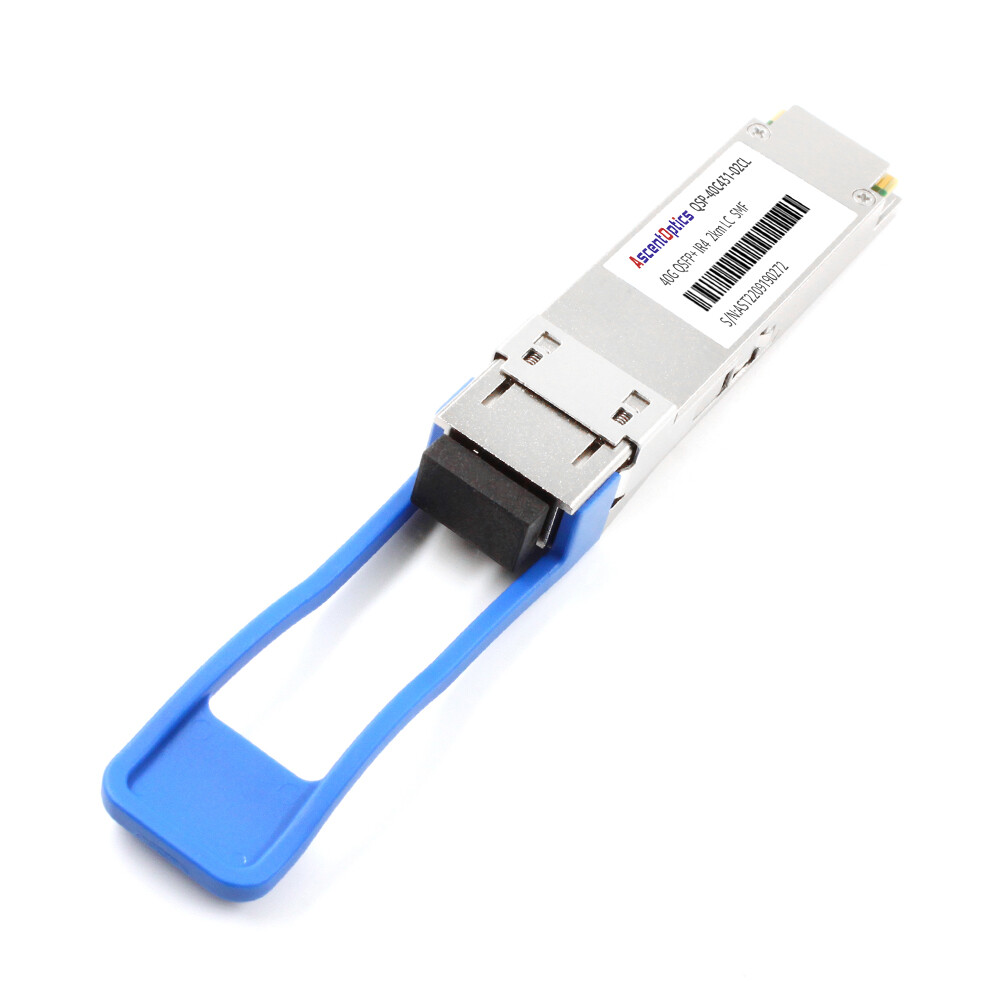
A Quad Small Form-factor Pluggable (QSFP) transceiver packs four transmit and four receive lanes into one module. The parallel-lane architecture multiplies bandwidth without multiplying port count. A single QSFP28 module delivers 100 Gbps — the equivalent of four SFP28 links — through one switch port.
The QSFP family has its own generational ladder:
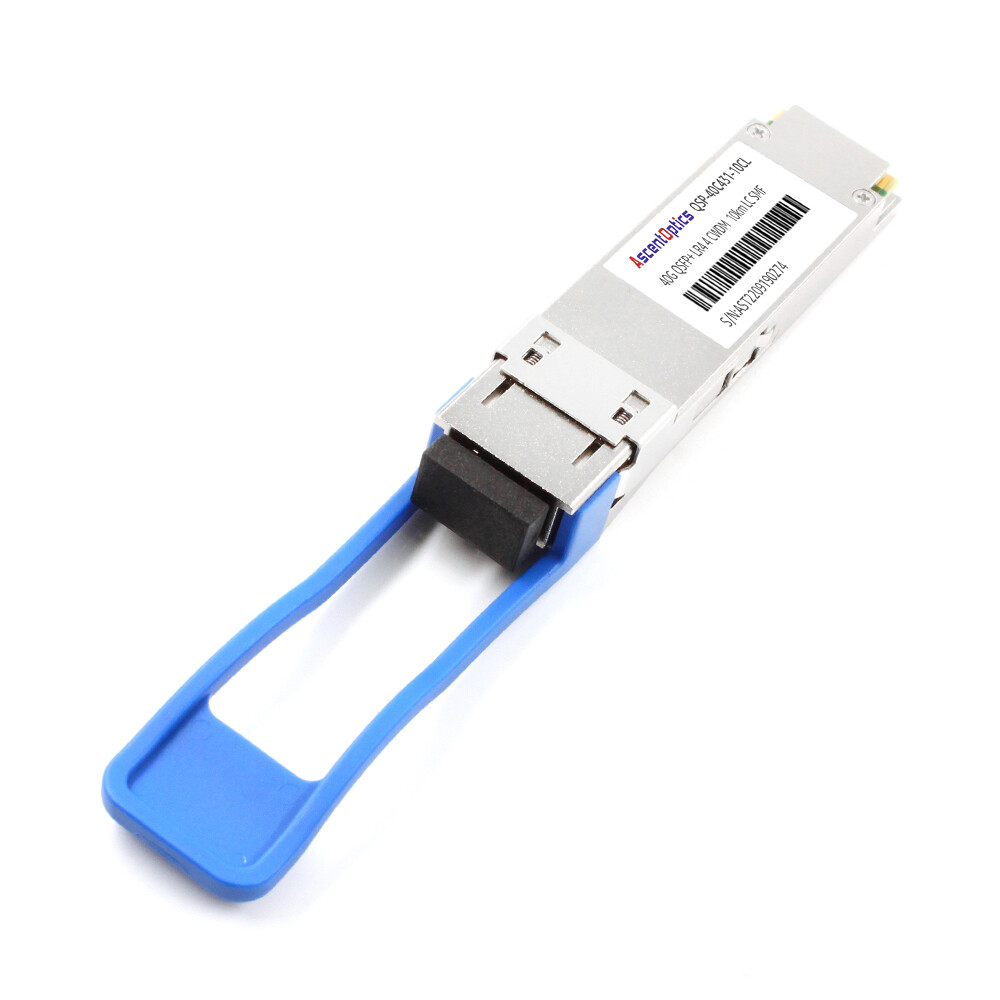
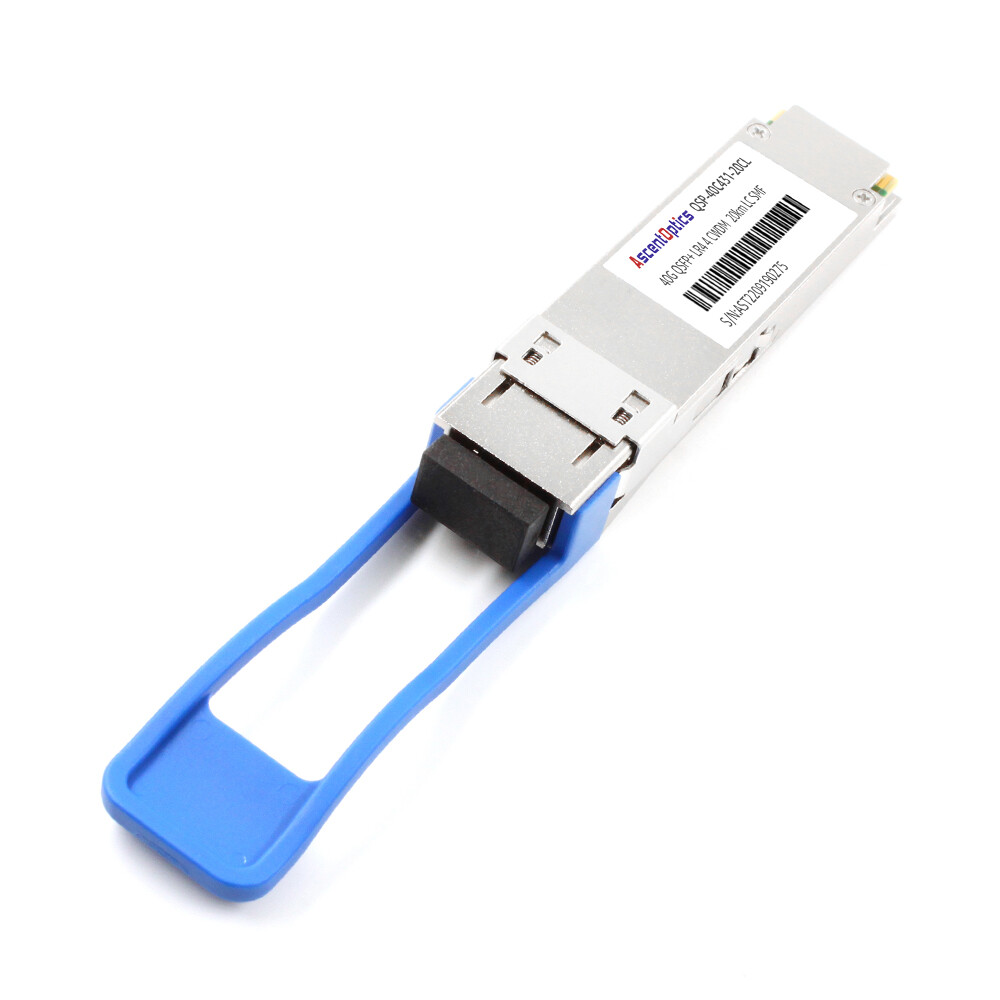
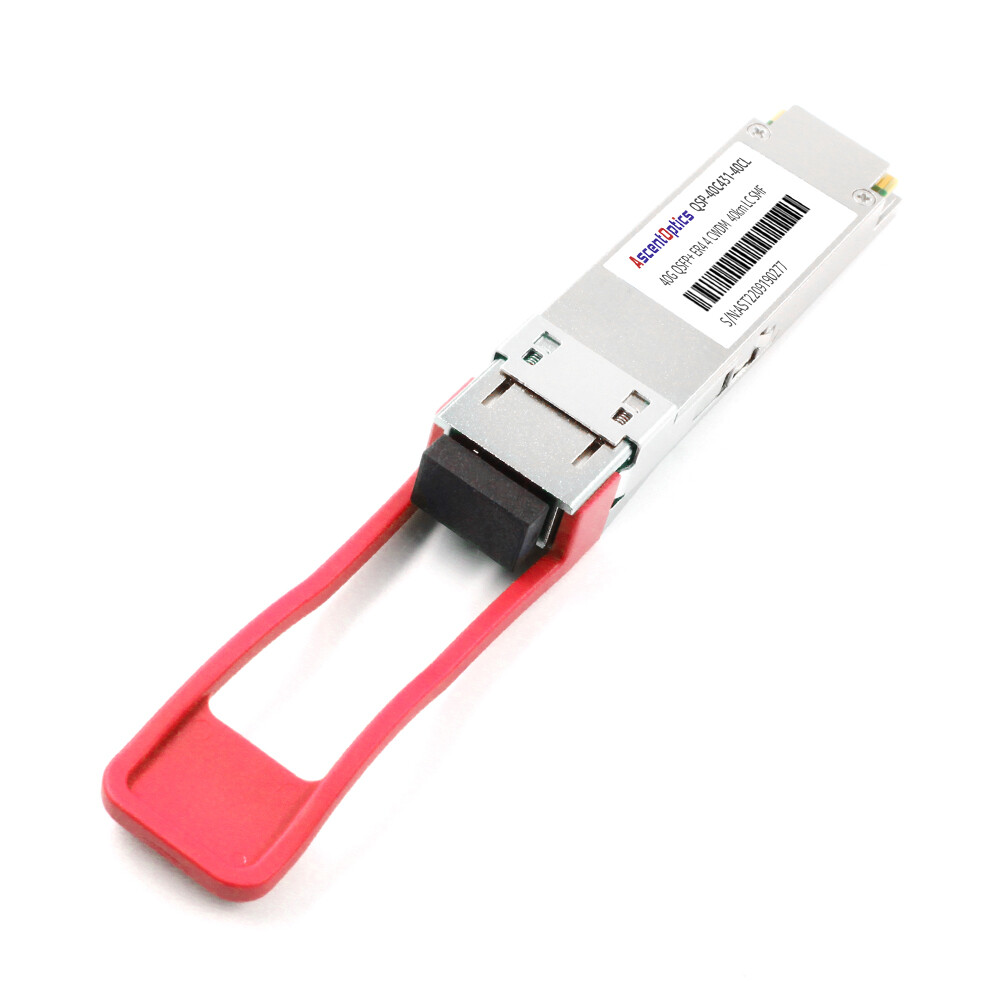
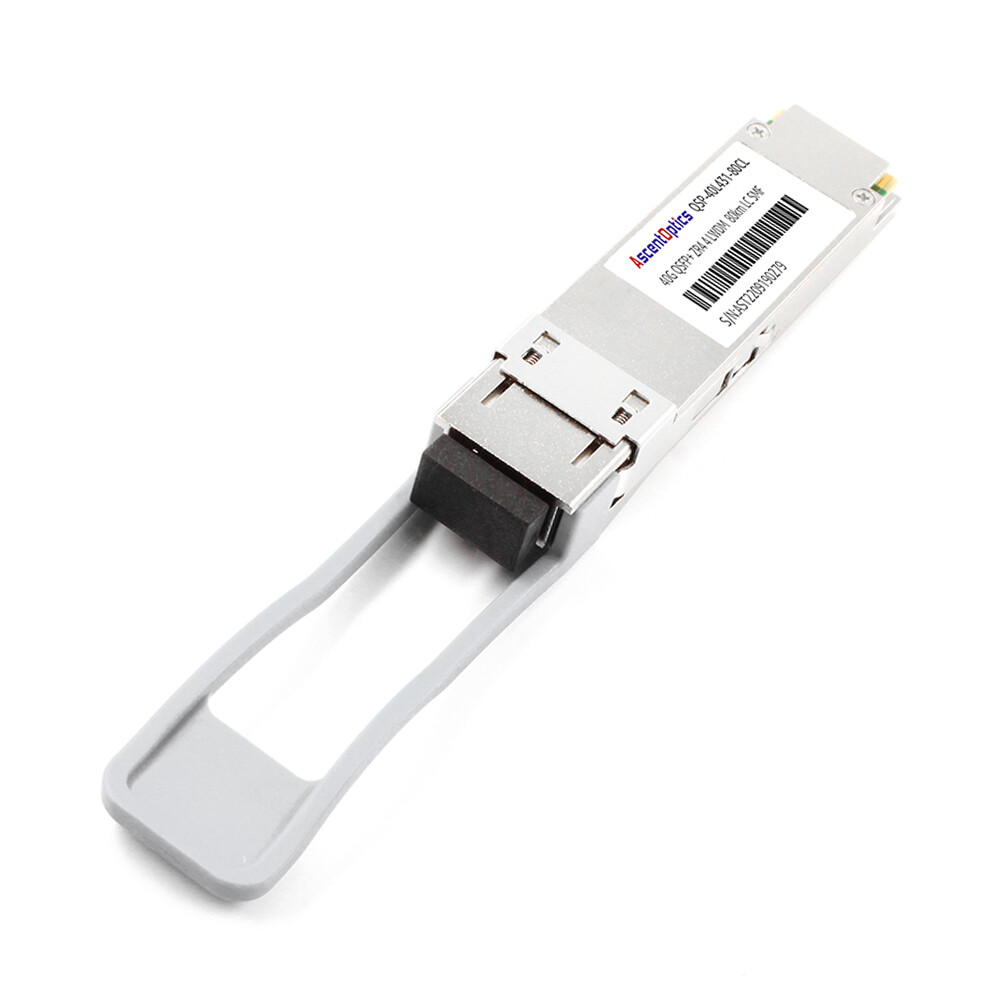
- •QSFP+ (40G): four 10 Gbps lanes, common in legacy aggregation and early 40G data center fabrics.
- •QSFP28 (100G): four 25 Gbps lanes, the current standard for data center spine and leaf uplinks.
- •QSFP56 (200G): four 50 Gbps lanes using PAM4 modulation, popular in HPC and cloud clusters.
- •QSFP112 (400G): four 100 Gbps lanes, a compact 400G option that keeps the QSFP mechanical envelope.
- •QSFP-DD (400G/800G): double-density with eight lanes, the leading form factor for hyperscale and AI networking.
QSFP modules typically use MPO/MTP connectors for parallel variants or LC duplex for wavelength-division variants. Standard SFP modules cannot be inserted directly into QSFP ports. In some cases, special QSA (QSFP-to-SFP Adapter) solutions allow certain QSFP ports to operate with SFP or SFP+ modules, but support depends on the switch platform.
If you want a deeper dive into the QSFP family, our QSFP module guide maps every generation, optical variant, and compatibility rule.
QSFP vs SFP: Technical Comparison
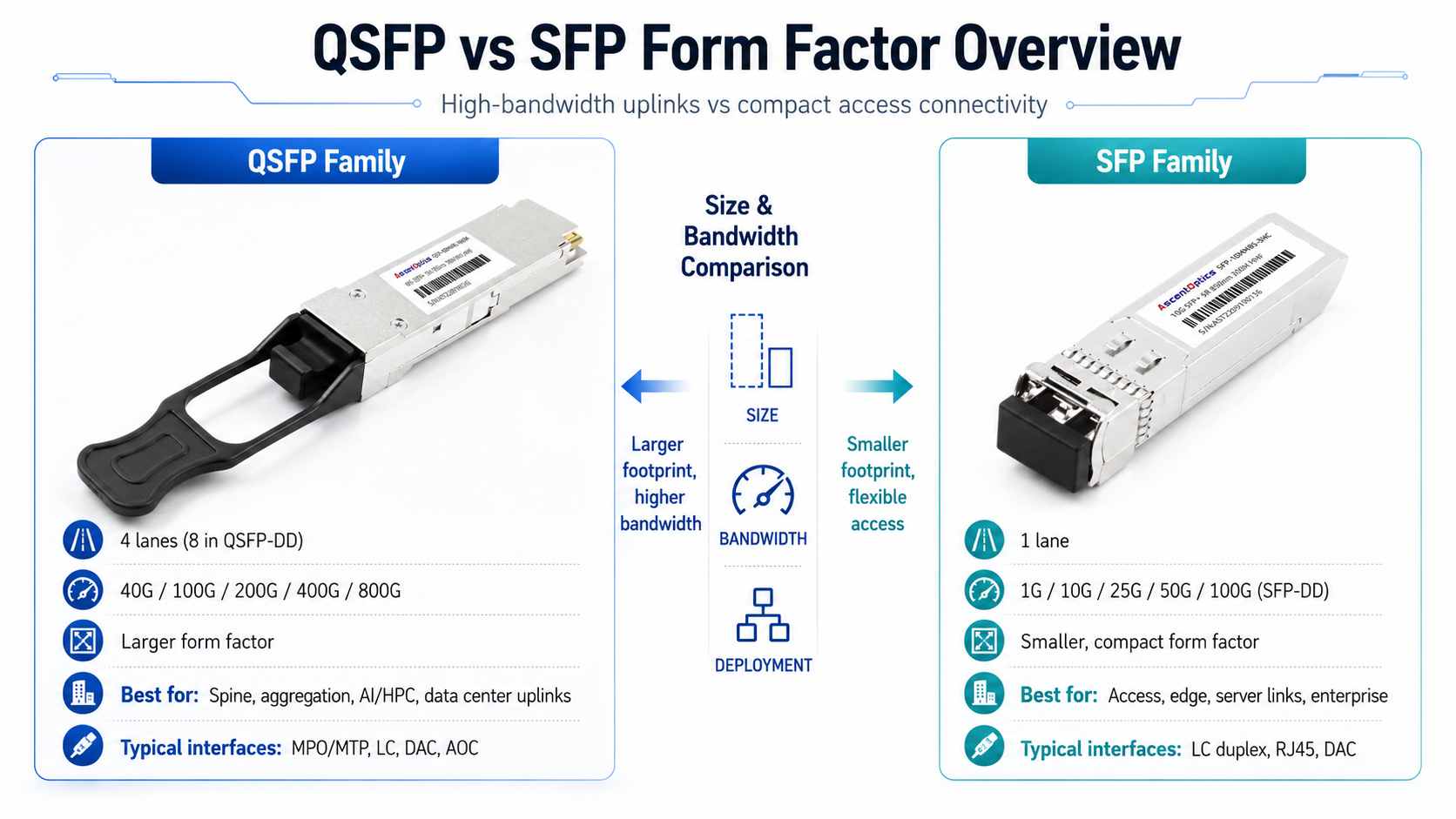
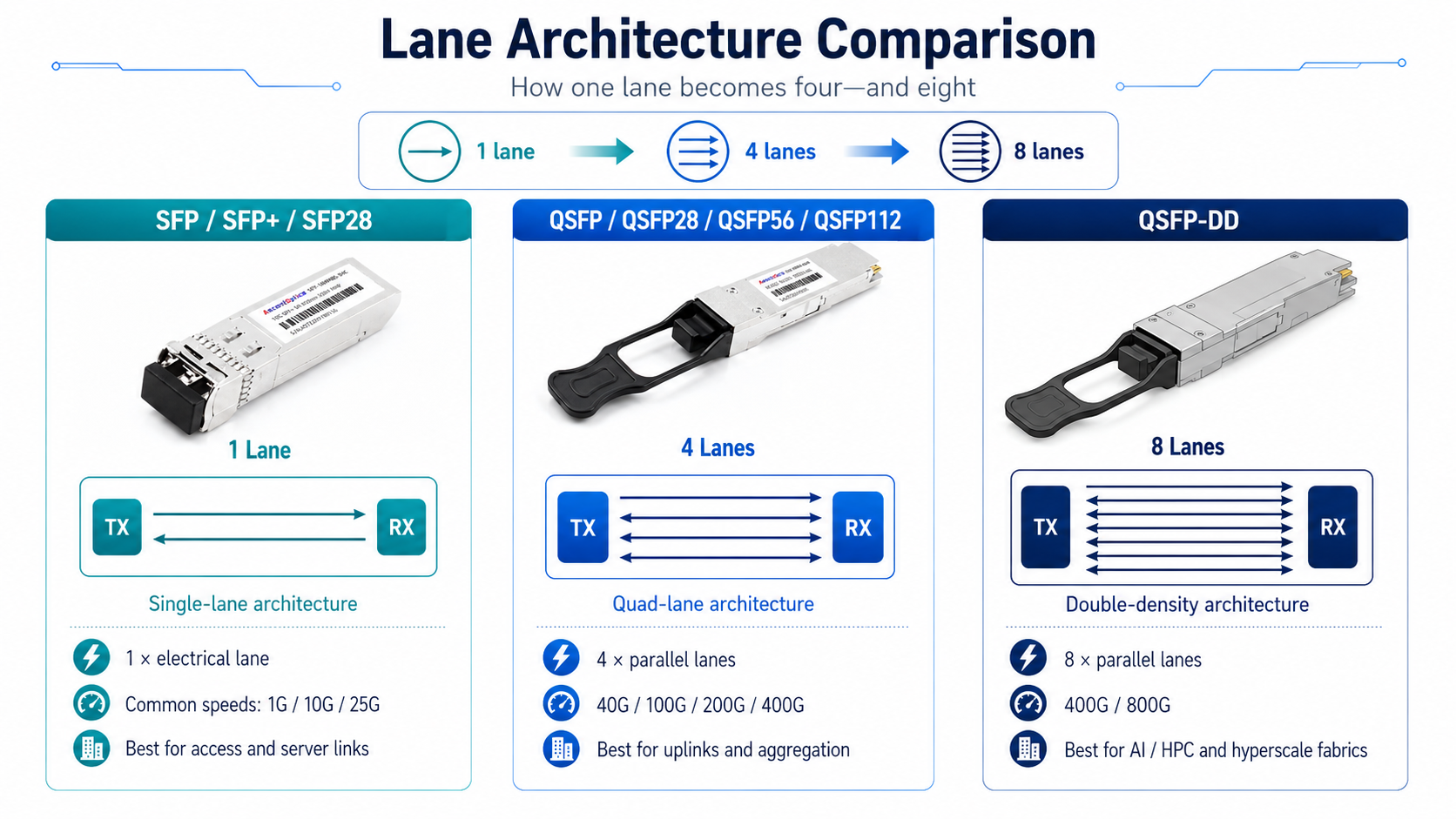
The core difference between QSFP and SFP is lane architecture. SFP uses one lane. QSFP uses four lanes, and QSFP-DD uses eight. That single architectural choice drives differences in speed, density, power, and cabling.
| Feature |
SFP Family |
QSFP Family |
| Full name |
Small Form-factor Pluggable |
Quad Small Form-factor Pluggable |
| Lanes |
1 lane |
4 lanes (8 in QSFP-DD) |
| Common speeds |
1G, 10G, 25G, 50G/100G (SFP-DD) |
40G, 100G, 200G, 400G, 800G |
| Form factor |
Smaller, narrower |
Larger, wider, deeper |
| Port density |
More ports per switch faceplate |
Higher bandwidth per port |
| Typical connectors |
LC duplex, RJ45, BiDi LC |
MPO/MTP, LC duplex, DAC, AOC |
| Typical power |
0.4–2.0 W |
1.5–3.5 W (QSFP+ / QSFP28), 12–20 W+ (QSFP-DD) |
| Best for |
Access/edge, server NICs, enterprise |
Aggregation, spine/core, AI/HPC clusters |
That table is the decision foundation. Engineers usually start with the required data rate, then confirm distance, fiber type, connector, and switch compatibility.
Lane Architecture and Data Rate
An SFP module sends one serial bit stream per direction. A QSFP module splits the data across four parallel lanes. For example, QSFP28 carries four 25 Gbps lanes to reach 100 Gbps. QSFP-DD doubles the lane count to eight, enabling 400G with 8 × 50 Gbps PAM4 or 800G with 8 × 100 Gbps PAM4.
This parallelism is why QSFP modules need different switch ASICs and SerDes than SFP modules. A switch designed for 10G SFP+ ports cannot accept a 40G QSFP+ module even if the cage looks similar, because the electrical interface is fundamentally different.
Form Factor and Port Density
SFP ports are smaller, so a 1U switch can offer 48 or 64 SFP/SFP+ ports. QSFP ports are wider, so the same 1U chassis might offer 32 or 36 QSFP28 ports. The trade-off is bandwidth per port, not just port count. A 32-port 100G switch delivers more aggregate bandwidth than a 48-port 10G switch in the same rack space.
Power Consumption and Thermal Design
Power is often the hidden cost of the QSFP vs. SFP decision. A 1G SFP module may draw 0.5–1.0 W. A 10G SFP+ optical module typically draws 0.6–1.2 W. An SFP28 module draws 1.0–2.0 W.
QSFP modules scale differently. QSFP+ typically draws 1.5–3.5 W. QSFP28 stays under 3.5 W for most variants. QSFP-DD modules for 400G and 800G can draw 12–20 W, and coherent ZR/ZR+ variants may exceed 20 W. A fully loaded 36-port QSFP-DD switch can dissipate over 700 W just from optics, which has major implications for rack power and cooling.
Teams designing high-density AI clusters report that power and thermal planning often become the limiting factor before port count does. That is why newer form factors like OSFP exist: they offer better thermal headroom than QSFP-DD for the highest-power modules.
When to Use SFP vs QSFP in Network Design
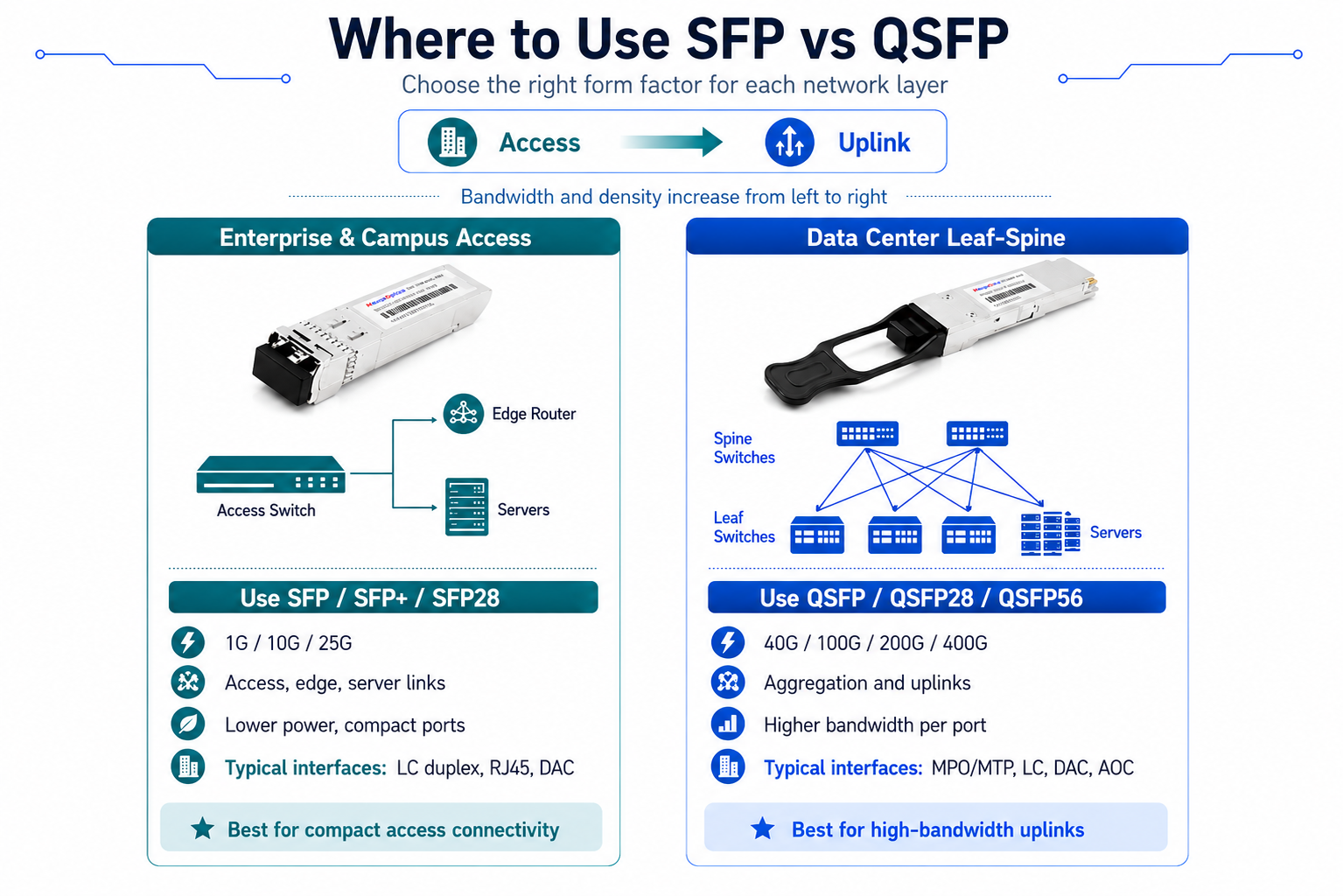
The right form factor depends on where the link sits in the network hierarchy and how much bandwidth it must carry.
Enterprise and Campus Networks
SFP and SFP+ remain the default for enterprise access layers. Desktop switches, building routers, and campus aggregation links rarely need more than 1G or 10G per port. The lower power, lower cost, and simpler LC duplex cabling of SFP modules make them the practical choice.
For example, a university IT team upgrading residence halls and classrooms typically deploys SFP+ for 10G uplinks to the core. The existing fiber plant is already LC duplex, and the power budget per switch is modest.
Data Center Leaf-Spine Fabrics
QSFP28 is the dominant choice for leaf-to-spine uplinks in modern data centers. A leaf switch with 48 SFP28 server-facing ports and 6 QSFP28 uplink ports can deliver 4.8 Tbps of server bandwidth while using only six spine-facing ports. That consolidation reduces cable count, simplifies patching, and lowers switch port costs at the spine layer.
A cloud operator we support in Europe replaced twelve 10G SFP+ uplinks between each leaf and spine pair with three 100G QSFP28 links. The change reduced cable complexity by 75% and freed spine switch slots for future growth.
5G Fronthaul and Midhaul
SFP28 is widely used in 5G fronthaul because the links between radio units and distributed units are typically 25G eCPRI. SFP28 keeps power low, which matters for cell-site equipment. Common 5G fronthaul optics include 25G SFP28 LR, ER, and BiDi transceivers supporting eCPRI transport. QSFP28 appears in 5G midhaul and backhaul, where multiple 25G streams are aggregated into 100G links.
AI and HPC Clusters
AI training clusters are pushing optical interconnects to 400G and 800G. QSFP-DD and OSFP dominate these environments because they deliver the lane count and bandwidth density required by GPU-to-switch and switch-to-switch fabrics. According to TrendForce, the AI-focused optical transceiver market is projected to reach $26 billion in 2026, driven largely by 800G and 1.6T interconnect demand.
Why AI Networks Prefer QSFP-DD
Modern AI training clusters may require hundreds of terabits of aggregate network bandwidth. Deploying equivalent capacity with SFP-based links would consume significantly more switch ports, optics, cabling, and power. QSFP-DD and OSFP provide the bandwidth density necessary for large-scale GPU fabrics while simplifying network architecture.
If your project involves AI or HPC networking, our QSFP-DD AI data center guide explains how 400G and 800G modules fit into GPU cluster architectures.
Breakout Cables and Port Compatibility
One of the most common questions in the QSFP vs. SFP debate is whether the two form factors can coexist in the same network. The answer is yes, but only through breakout cables or switches that support port breakout modes.
Can SFP Fit into a QSFP Port?
No. A standard SFP module cannot be inserted directly into a QSFP port. The mechanical size, electrical pinout, and lane structure are different. Some switches offer adapter brackets or special cages, but these are exceptions, not the rule.
Can QSFP Replace SFP?
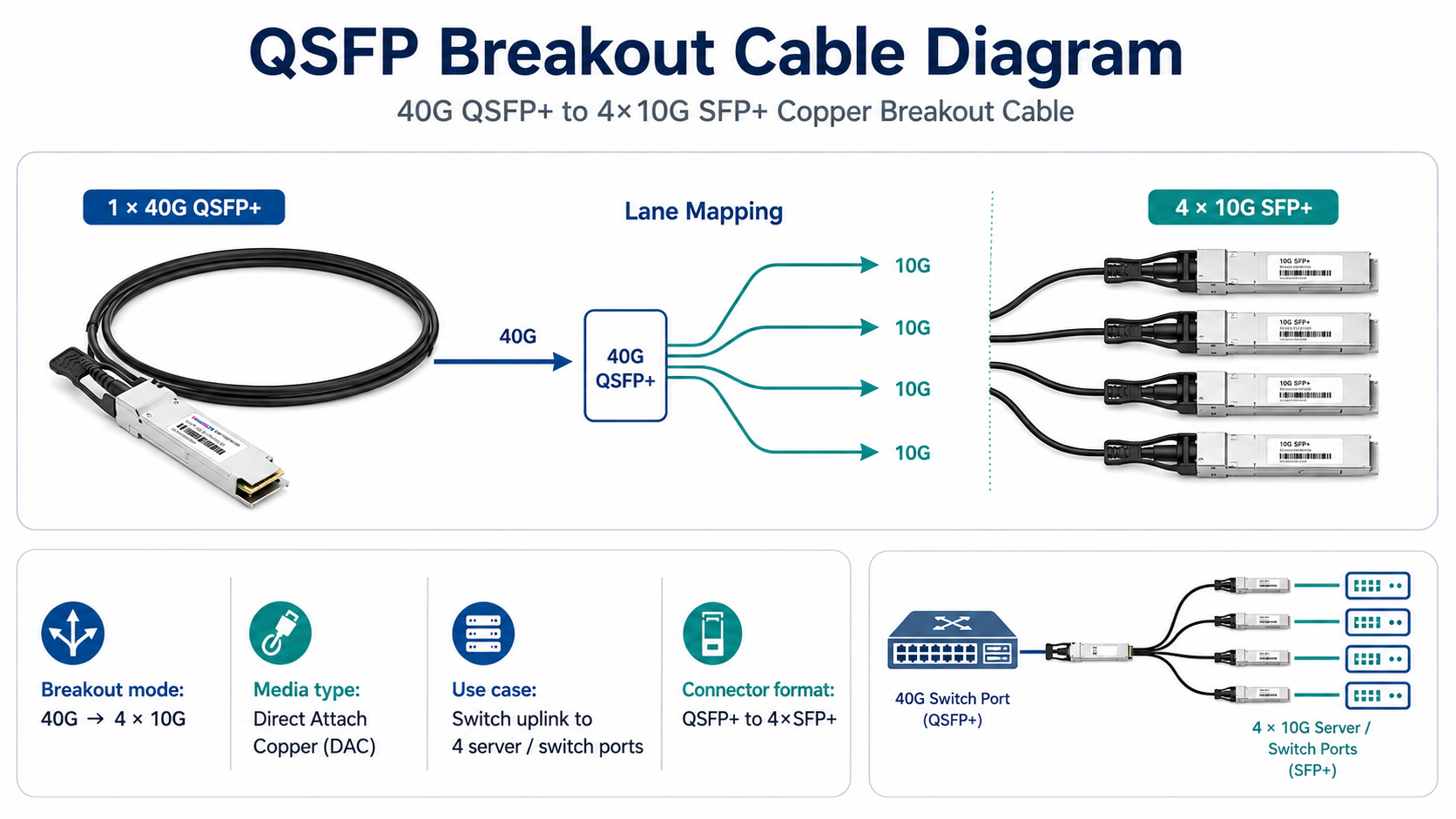
Not directly. A QSFP module cannot plug into an SFP port. However, many QSFP ports support breakout cables that split one high-speed QSFP port into multiple lower-speed SFP ports. Common breakout configurations include:
- •40G QSFP+ → 4 × 10G SFP+
- •100G QSFP28 → 4 × 25G SFP28
- •400G QSFP-DD → 4 × 100G QSFP28
Breakout cables let a spine switch with QSFP28 uplinks fan out to four leaf switches or servers with SFP28 ports. This flexibility is one reason QSFP form factors are so widely deployed in mixed-speed fabrics.
The catch is switch support. The switch ASIC, firmware, and license must explicitly support breakout mode. Always verify the platform documentation before ordering breakout cable assemblies.
Cost, Power, and TCO Considerations
Module cost is only one part of the total cost of ownership. Power, cooling, cabling, and switch port costs also matter.
Module Cost
SFP modules are generally less expensive per unit than QSFP modules. A 1G SFP or 10G SFP+ module costs less than a 40G QSFP+ or 100G QSFP28 module. However, the comparison changes when you normalize by bandwidth. Four 10G SFP+ modules plus four switch ports plus four fiber pairs may cost more than one 40G QSFP+ module plus one port plus one cable.
Power and Cooling
SFP modules draw less power, which reduces switch heat and data center cooling load. QSFP modules draw more power per module but deliver far more bandwidth per watt when measured across the entire link. QSFP-DD modules are the exception: their 12–20 W power draw requires careful thermal planning.
Cabling and Port Costs
QSFP links reduce cable count by consolidating multiple lower-speed links into one higher-speed link. Fewer cables mean simpler cable management, less patching, and lower risk of polarity errors. They also reduce the number of switch ports consumed at the aggregation layer.
A telecom engineer in Southeast Asia told us his team saved both capital and operational budget by replacing sixteen 10G SFP+ inter-office links with four 40G QSFP+ links. The cable count dropped, the patch panels simplified, and the monthly power draw fell because fewer switch ports were active.
How to Choose Between SFP and QSFP
Use this five-step framework to make the QSFP vs. SFP decision for any link.
- 1. Determine required bandwidth per link.
If the link needs 1G, 10G, or 25G, SFP/SFP+/SFP28 is usually the right choice. If the link needs 40G, 100G, or more, QSFP is required.
- 2. Match distance and fiber type.
Short-reach multimode links typically use SR variants. Longer single-mode links use LR, ER, or ZR variants. Confirm whether the existing fiber plant is LC duplex or MPO/MTP before selecting a module.
- 3. Choose the connector and cable type.
Parallel optics use MPO/MTP. Wavelength-division variants use an LC duplex. DAC and AOC cables are alternatives for very short links inside racks.
- 4. Verify switch compatibility and firmware.
Check the switch vendor’s compatibility matrix. Confirm that the module is recognized, that the correct power class is supported, and that breakout mode is enabled if needed.
- 5. Plan for power, cooling, and future upgrades.
Calculate the thermal load of fully loaded ports. Consider whether future upgrades will move from SFP to QSFP or from QSFP28 to QSFP-DD, and whether the platform supports that migration.
Conclusion
SFP and QSFP are not competing technologies but complementary building blocks within modern network architectures. SFP-based transceivers remain the preferred choice for access-layer connectivity, server links, and cost-sensitive deployments, while QSFP form factors provide the bandwidth density required for aggregation, data center fabrics, AI clusters, and high-performance computing environments.
The best choice depends on your bandwidth requirements, network architecture, cabling infrastructure, and future scalability plans. By understanding the differences in lane architecture, speed, power consumption, and deployment scenarios, network designers can select the most efficient transceiver platform for both current needs and future growth.
Explore our complete portfolio of QSFP transceivers or contact our technical team to find the right solution for your application, from short-reach data center links to long-distance enterprise and telecom deployments.
Frequently Asked Questions
What is the difference between QSFP and SFP?
SFP is a single-lane transceiver form factor used for 1G, 10G, and 25G links. QSFP is a quad-lane form factor used for 40G, 100G, 200G, 400G, and 800G links. QSFP modules are physically wider, use more power, and typically require MPO/MTP or LC duplex connectors depending on the optical variant.
Is QSFP faster than SFP?
Yes. QSFP modules support much higher aggregate data rates. SFP28 tops out at 25 Gbps, while QSFP28 reaches 100 Gbps and QSFP-DD reaches 400G or 800G.
Can QSFP replace SFP?
A QSFP module cannot plug directly into an SFP port. However, QSFP ports can often use breakout cables to connect to multiple SFP ports, allowing a higher-speed uplink to fan out to lower-speed devices.
Can SFP fit into a QSFP port?
No. The form factors are mechanically and electrically incompatible. Some switches support adapter solutions, but standard SFP modules do not fit QSFP cages.
Which is better for AI networking, SFP or QSFP?
QSFP, especially QSFP-DD and OSFP, is better suited for AI networking because it provides the bandwidth density required by GPU clusters. AI training fabrics commonly use 400G and 800G optical interconnects.
Is SFP cheaper than QSFP?
SFP modules generally have lower per-unit costs and lower power consumption. However, QSFP can reduce the total cost of ownership in high-density environments by consolidating ports and cables.
Can QSFP28 break out to SFP28?
Yes. A 100G QSFP28 port can often be configured as four independent 25G SFP28 links using a breakout cable, provided the switch supports breakout mode.
Post Views: 2,098