What is a QSFP28 Cable?
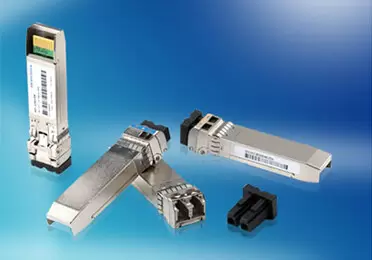
QSFP28 cables are high-speed, quad-small form-factor pluggable (QSFP) transceiver cables used in data centers and other networking applications. They provide a compact and efficient interface for transferring large amounts of data quickly and reliably. This article looks closely at QSFP28 technology and explores its key features and benefits.
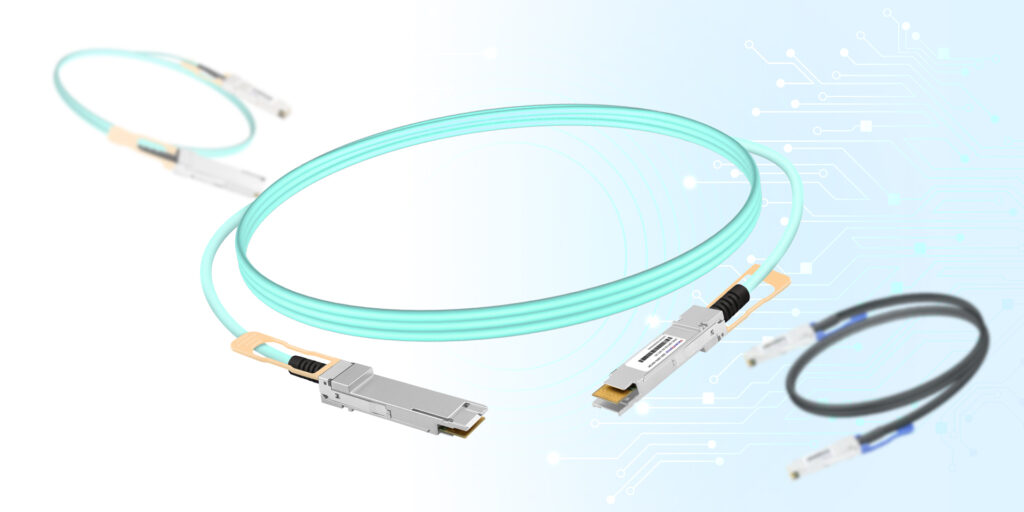
Understanding QSFP28 Technology
QSFP28 cables consist of four optical lanes that transmit data up to 28Gbps per lane(100 Gbps aggregate). This makes them well-suited for high-bandwidth applications like cloud computing, machine learning, and extensive data analysis. The cables use a compact form factor that saves space and reduces power consumption, essential for large-scale data center deployments.
The QSFP28 transceiver form factor is based on the QSFP+ standard with additional features enabling higher transmission speeds. QSFP28 cables are backward-compatible with QSFP+ connectors, but they offer more bandwidth and can transmit data over longer distances when paired with appropriate media. They also support a wider range of protocols and applications, including Ethernet, InfiniBand, and Fibre Channel.
Passive vs. Active QSFP28 Cables
There are two types of QSFP28 cables: passive and active. Passive cables provide a direct electrical connection between the transceivers without signal amplification or regeneration. Active lines use an integrated circuit to amplify the signals and extend the transmission distance. The choice between passive and active lines depends on the required transmission distance and the type of interface used.
Benefits of QSFP28 Cables
QSFP28 cables offer several benefits over other types of transceiver cables. They provide faster transmission speeds and higher bandwidth, essential for handling large volumes of data. They also have a smaller form factor and lower power consumption, which reduces the cost and complexity of data center deployments. In addition, QSFP28 cables are easy to install and maintain, thanks to their plug-and-play design.
Differences Between QSFP28 and Other Transceivers
QSFP28 cables are similar to other QSFP transceiver cables but have some key differences. They have a higher transmission speed and support broader applications and protocols. They are also more compact and energy-efficient, which makes them ideal for data center deployments. However, they may not be compatible with all types of equipment, so checking compatibility before using them in a particular application is essential.
In conclusion, QSFP28 cables are a powerful and efficient technology for data centers and networking applications. They offer fast transmission speeds, a compact form factor, and a range of advanced features that make them ideal for handling large volumes of data. Whether building a new data center or upgrading an existing one, QSFP28 cables are an intelligent choice for high-performance networking.
What are the Different Types of QSFP28 Cables?
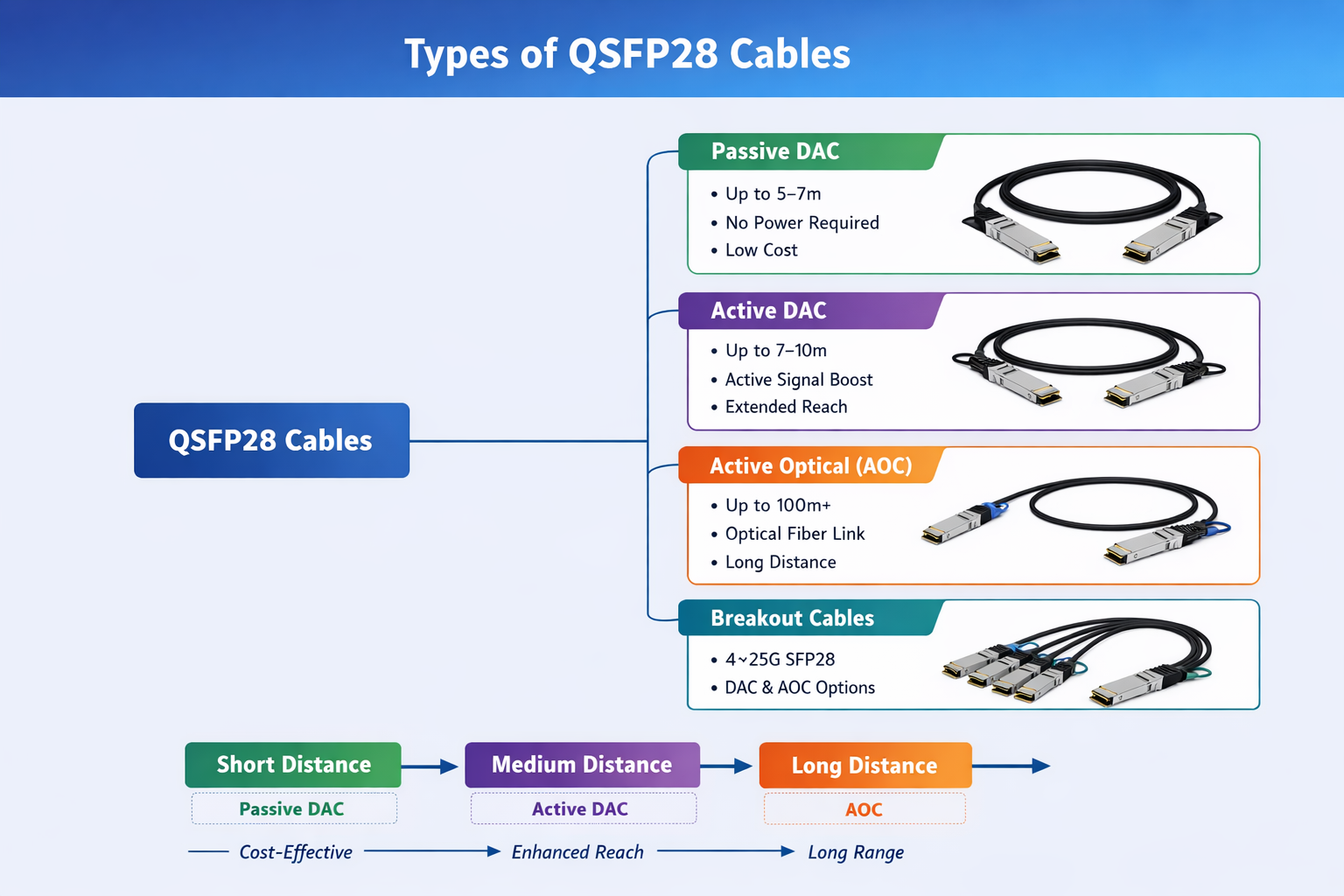
QSFP28 cables can be broadly classified based on technology (copper vs optical) and signal design (passive vs active). The main types include:
QSFP28 Passive Direct Attach Copper (DAC)
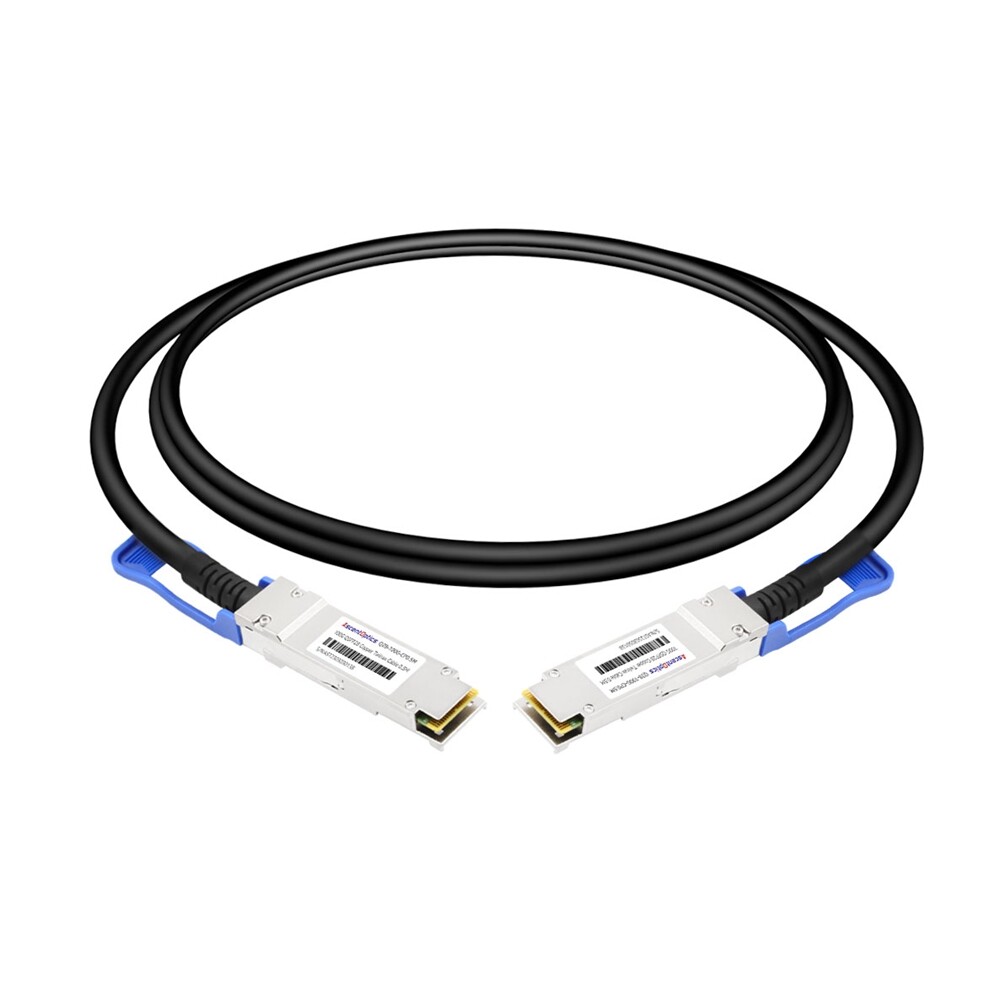
QSFP28 Passive DAC cables are the most commonly used and cost-effective solution for short-reach connections. These cables use a passive copper design and do not require additional power.
- Typical reach: up to 5 meters (some support up to 7 meters)
- Power consumption: None (passive)
- Use cases: Intra-rack and adjacent-rack connections
- Advantages: Low cost, low latency, high reliability
QSFP28 Active Direct Attach Copper (Active DAC)
Active DAC cables include built-in signal conditioning components to extend transmission distance and improve signal integrity.
- Typical reach: up to 7–10 meters
- Power consumption: Low (active circuitry)
- Use cases: Slightly longer rack-to-rack connections
- Advantages: Better performance than passive DAC over longer distances
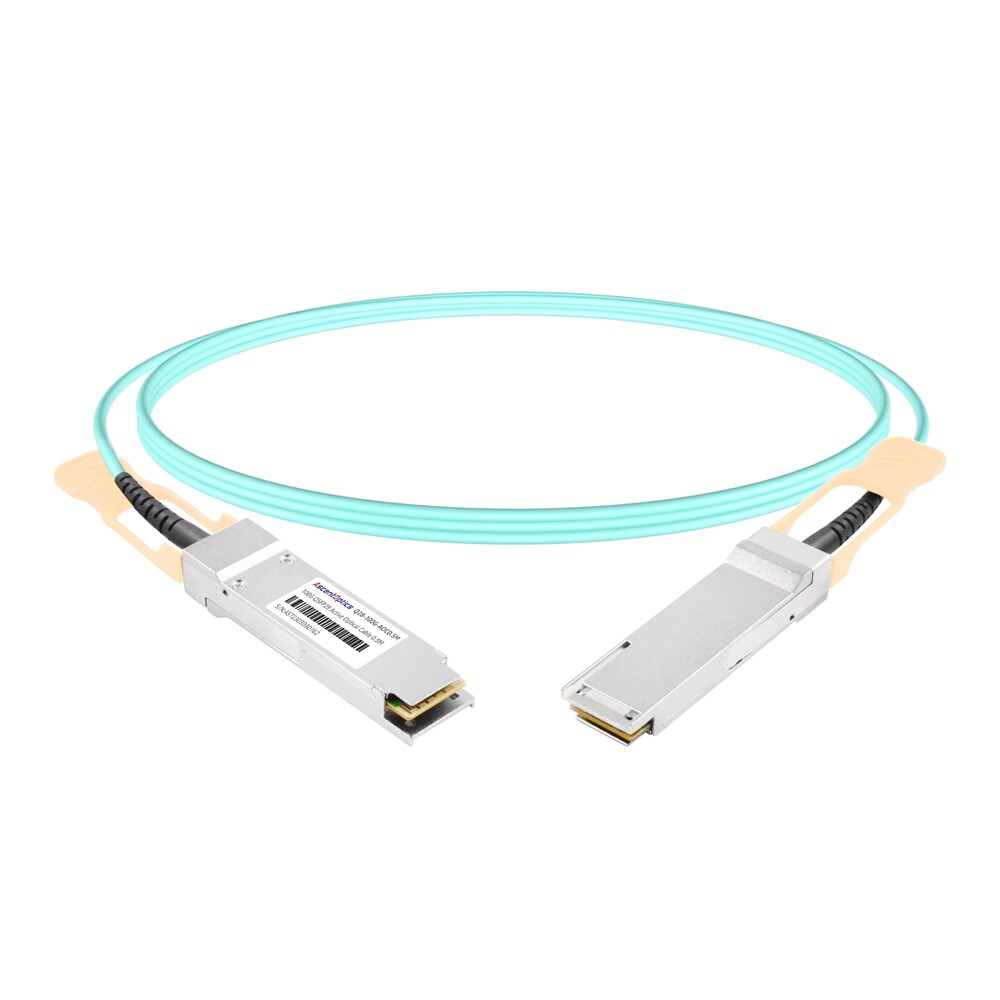
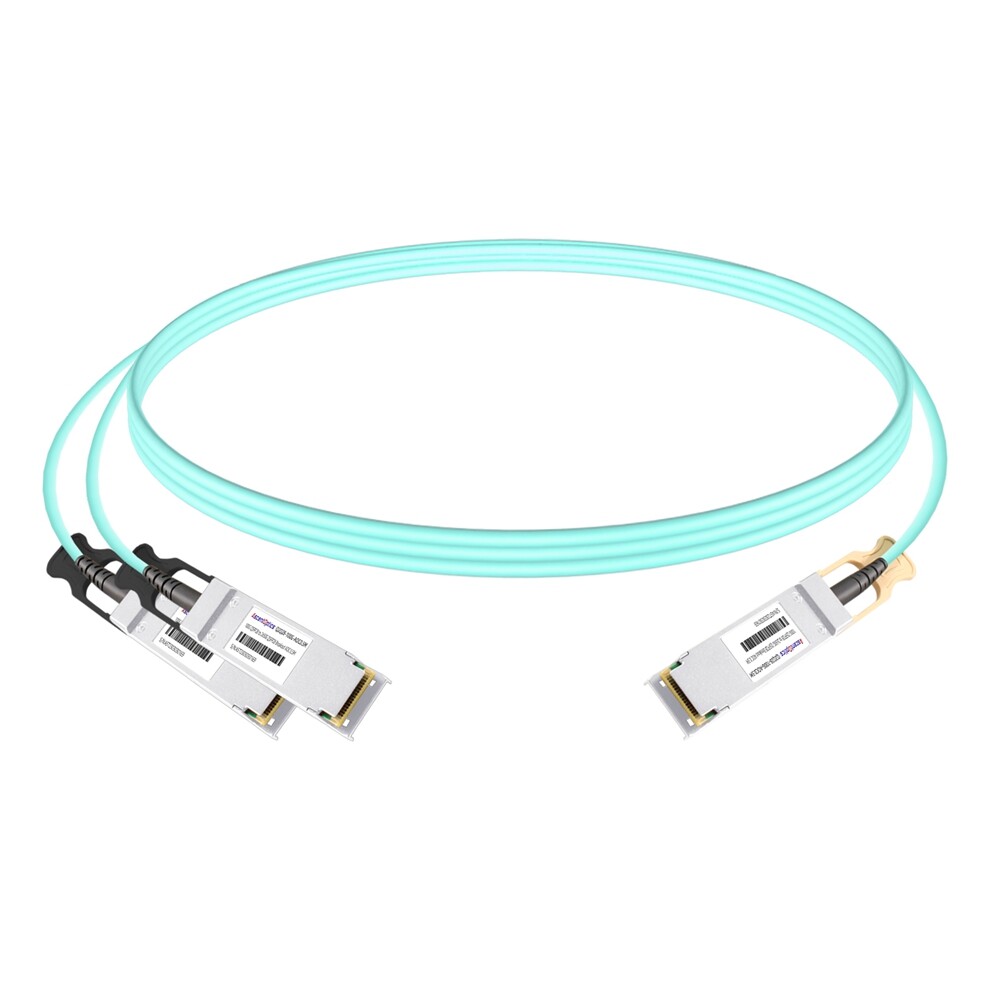
QSFP28 Active Optical Cables (AOC)
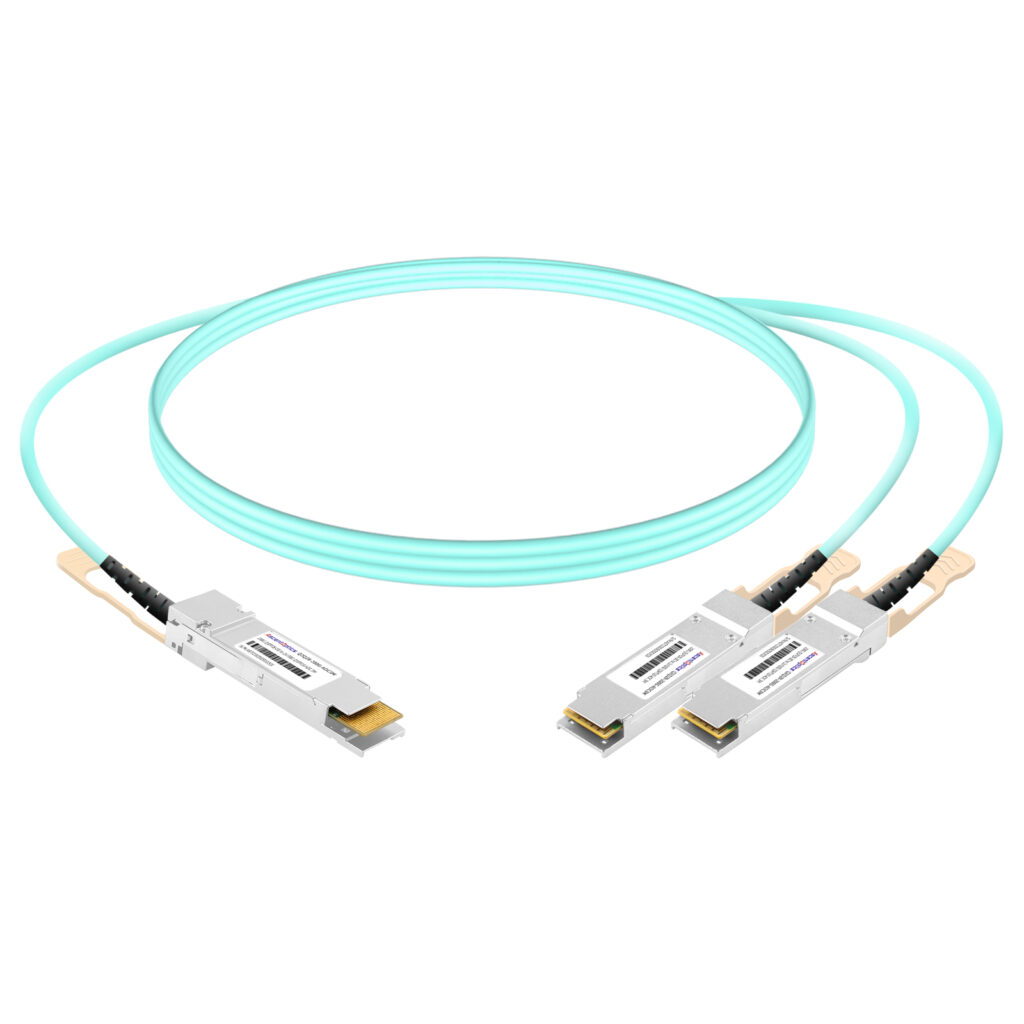
The QSFP28 AOC cables convert electrical signals into optical signals, enabling longer transmission distances compared to copper cables.
- Typical reach: 10–100 meters (or more)
- Power consumption: Higher than DAC
- Use cases: Data center interconnects across rows or rooms
- Advantages: Lightweight, longer reach, immune to electromagnetic interference
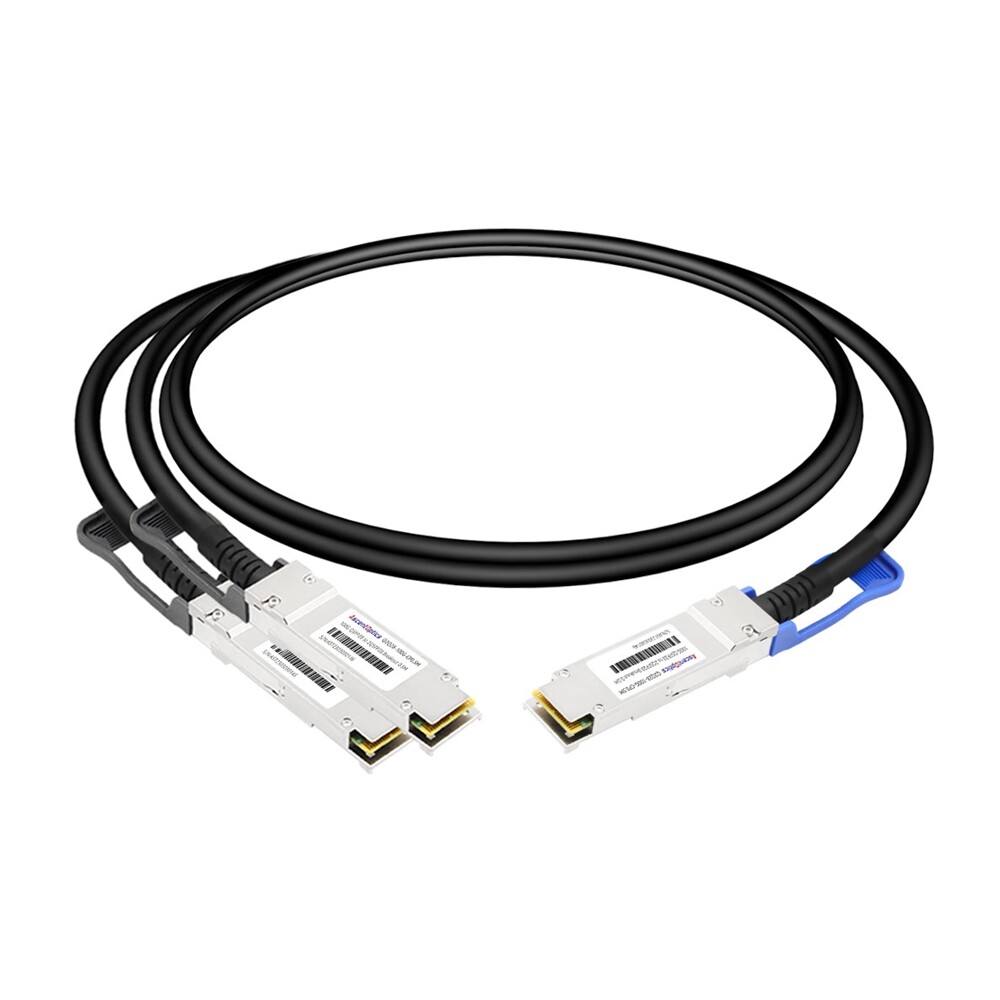
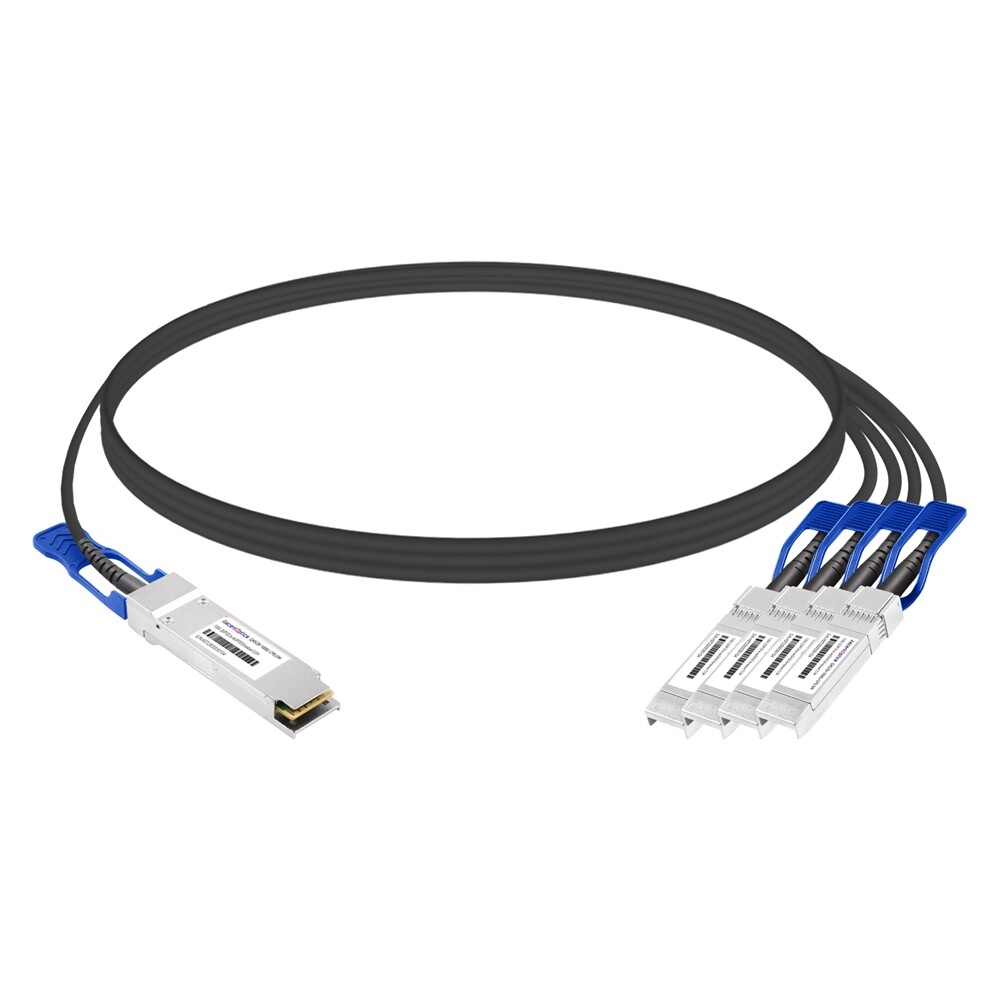
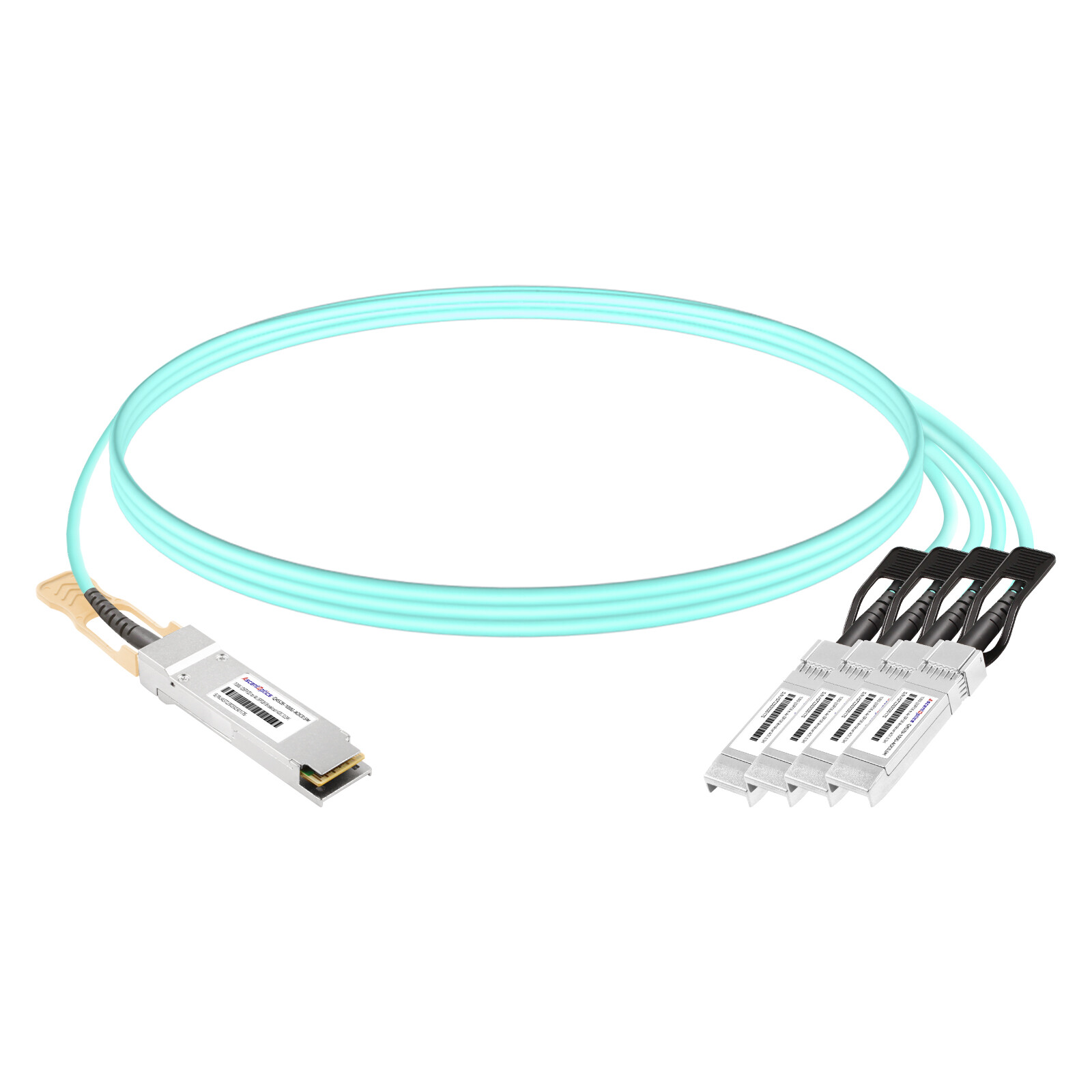
QSFP28 Breakout Cables (DAC/AOC)
Breakout cables split one QSFP28 port into multiple lower-speed interfaces, such as 4×25G SFP28.
QSFP28 to 4×SFP28 DAC
QSFP28 to 4×SFP28 AOC
DAC: up to 5 meters
AOC: up to 100 meters
- Use cases: High-density 100G to 25G fan-out connections
Conclusion
QSFP28 cables can be broadly categorized into Passive DAC, Active DAC, AOC, and Breakout cables, each designed to meet different networking requirements. For ultra-short distances, Passive DAC remains the most cost-effective and efficient solution, while Active DAC is better suited for medium-range connections where improved signal integrity is needed. For longer distances, AOC is the preferred choice due to its superior reach and resistance to electromagnetic interference. Ultimately, selecting the right QSFP28 cable depends on your specific deployment needs, including transmission distance, power consumption, and overall network architecture.
What Are the Compatibility Considerations for QSFP28 Cables?
QSFP28 cables are high-speed network cables commonly used in data center applications. They are designed to transmit data at fast rates of up to 100 Gbps, making them an essential component for modern networks. These hot-swappable cables can be plugged in and removed while the network runs, reducing downtime and maintenance costs.
Device and Transceiver Compatibility
When choosing QSFP28 cables, it’s vital to consider the compatibility of your devices and transceivers. QSFP28 cables are not compatible with all devices and transceivers, so checking the manufacturer’s compatibility list before purchasing is crucial. Choosing the suitable cable compatible with your devices and transceivers can prevent network issues, including intermittent disconnections, performance degradation, and data loss.
MSA and Industry Standards
Multisource Agreements (MSAs) and industry standards are also crucial considerations when selecting QSFP28 cables. MSAs are agreements made among manufacturers to establish interoperability and compatibility between manufacturers’ devices and transceivers. These agreements help ensure that products from different manufacturers work together seamlessly. Furthermore, adhering to industry standards ensures network efficiency and compatibility across other equipment manufacturers.
Cisco Compliant QSFP28 Cables
Cisco is a leading provider of networking equipment. They have developed a series of compliance standards to ensure compatibility with their devices and transceivers. Cisco-compliant QSFP28 cables are tested and verified to ensure they are compatible with Cisco devices. Compliant cables can reduce compatibility complaints and incompatibility issues, protecting your network investment.
What are the Technical Specifications of QSFP28 Cables?
Data Rate and Transmission Distance
The data rate of QSFP28 cables defines the maximum transmission capacity per second. QSFP28 supports up to 100 Gbps (4×25G lanes), making it ideal for high-bandwidth applications such as cloud computing, AI clusters, and data center interconnects.
Transmission distance varies depending on the cable type. Passive DAC cables are typically limited to short reaches of up to 5–7 meters, while active DAC can extend slightly further. For longer distances, active optical cables (AOC) can support up to 100 meters over multimode fiber. For distances up to 10 km, QSFP28 optical transceivers used with single-mode fiber are required.
Cable Type and Form Factor
QSFP28 cables are primarily available as Direct Attach Copper (DAC) and Active Optical Cables (AOC). These cables can be deployed in standard point-to-point (QSFP28 to QSFP28) configurations or as breakout assemblies, such as QSFP28 to 4×SFP28.
Breakout cables are widely used in high-density data center environments, enabling flexible network expansion and efficient port utilization.
Connector Type and Polarity
Connector type is a key consideration in QSFP28 deployments. DAC and AOC cables typically feature integrated QSFP28 connectors on both ends. In contrast, optical transceiver-based solutions commonly use LC connectors for duplex transmission or MPO connectors for parallel optics.
For MPO-based systems, polarity (Type A, B, or C) must be carefully managed to ensure correct transmit and receive alignment, which is essential for maintaining link performance.
Power Consumption and Thermal Performance
Power consumption varies by cable type. Passive DAC cables consume no power, making them highly energy-efficient. Active DAC and AOC solutions require additional power but provide improved signal integrity and extended reach.
This trade-off is particularly important in high-density deployments, where power consumption and thermal management directly impact overall system performance.
Reliability and Vendor Compatibility
In practical deployments, factors such as product reliability, compatibility with network equipment, and vendor support are also critical. Choosing cables that are fully compatible with target switches and servers helps avoid interoperability issues.
Working with a reliable supplier that offers strong technical support and consistent product quality ensures long-term network stability.
Cost and Deployment Considerations
Cost-effectiveness should be evaluated not only based on initial price but also long-term performance. Passive DAC cables offer the lowest upfront cost for short distances, while AOC and optical solutions provide better scalability for longer links.
Balancing cost, performance, and scalability is key to optimizing data center cabling infrastructure.
QSFP28 Cable Technical Specifications Overview
|
Parameter
|
Specification Details
|
Notes
|
|
Aggregate Bandwidth
|
100 Gbps (4 × 25 Gbps)
|
28 Gbaud PAM4 signaling
|
|
Media Type
|
Copper (DAC) / Optical (AOC)
|
Copper for short reach, optical for longer
|
|
Max Distance (Passive DAC)
|
5–7 meters
|
Use Active DAC or AOC for longer distances
|
|
Max Distance (AOC)
|
100 meters (multimode) / 10 km (single-mode)
|
Requires matching transceiver modules
|
|
Connector Types
|
MPO / LC
|
MPO for 4-lane parallel, LC for duplex
|
|
Backward Compatibility
|
QSFP28 / QSFP+
|
Verify MSA support on target equipment
|
|
Hot-Swappable
|
Yes
|
Minimizes downtime during maintenance
|
Recommended Products:10G DAC High-Speed Cable VS 10G AOC Active Optical Cable: Who is better?
What are the Benefits of QSFP28 Cables?
QSFP28 cables have become famous for high-speed connectivity in data centers and networks. QSFP28 stands for Quad Small Form-factor Pluggable 28 and refers to a small, hot-pluggable transceiver module that supports data rates up to 100 Gbps per channel. These cables are designed to provide high-speed communication over short distances, making them ideal for bandwidth-intensive applications.
High-Speed Connectivity for Data Centers and Networks
QSFP28 cables offer lightning-fast communication, enabling data centers and networks to transfer large volumes of data quickly and efficiently. With their small form factor, QSFP28 cables allow higher-density connectivity, making it easier to manage and organize cables within a server or networking rack. Additionally, QSFP28 cables can be used in various applications, including Ethernet, InfiniBand, and Fibre Channel, making them versatile solutions for networking and data center needs.
Reliable and Efficient Data Transmission
QSFP28 cables offer reliable and efficient data transmission, providing a stable and consistent performance even during heavy network traffic. These cables use advanced signal processing techniques to minimize errors and ensure data integrity, making them an ideal solution for high-performance computing and mission-critical applications. Additionally, QSFP28 cables are designed to minimize electromagnetic interference, increasing their reliability and reducing the risk of signal losses.
Flexible and Versatile Design Options
QSFP28 cables offer a wide range of flexible and versatile design options, making them suitable for various applications and networking setups. They come in passive and active design options, allowing for different cable lengths and transmission distances. QSFP28 cables can also be used in various form factors, such as QSFP28 to QSFP28, QSFP28 to SFP28, and QSFP28 to four SFP28 breakout cables.
Cost-Effective and Easy to Implement
QSFP28 cables are a cost-effective solution for data centers and networks, offering high-speed connectivity at a reasonable price point. Additionally, they are easy to implement and require minimal configuration or setup, making them ideal for organizations seeking a simple solution for their networking needs. QSFP28 cables also support hot-swappable capabilities, allowing for hassle-free replacement in case of failure or upgrades.
Compatible with a Wide Range of Devices
QSFP28 cables are compatible with various devices, including switches, routers, servers, and storage solutions. This compatibility allows seamless integration with existing infrastructure, reducing the need for expensive hardware upgrades or replacements. Additionally, the widespread adoption of QSFP28 cables in the networking industry has led to a large market of QSFP28-enabled devices, making it easier for organizations to find compatible equipment and solutions.
QSFP28 Cable Advantages vs Traditional Solutions
|
Advantage Dimension
|
QSFP28 Cable
|
Traditional SFP+/QSFP+ Solution
|
Improvement
|
|
Bandwidth
|
100 Gbps
|
10 Gbps / 40 Gbps
|
2.5–10× higher
|
|
Port Density
|
Higher (4 channels integrated)
|
Lower
|
Up to 4× better
|
|
Power Consumption
|
Significantly lower
|
Higher
|
30–50% savings
|
|
Deployment Complexity
|
True plug-and-play
|
Requires more patch cables
|
Simplified cabling
|
|
Cost per Gbps
|
Lower long-term
|
Higher
|
Better TCO
|
Conclusion
In conclusion, QSFP28 cables deliver a compelling combination of 100 Gbps high-speed performance, compact form factor, and low power consumption, making them the preferred choice for modern data centers, cloud environments, and high-performance computing applications. Whether you need short-reach passive DAC cables for intra-rack connectivity or longer-reach AOC solutions for inter-rack links, understanding the different types, technical specifications, and compatibility considerations ensures you select the right cable for your infrastructure. With excellent backward compatibility, hot-swappable design, and proven reliability, QSFP28 cables not only future-proof your network but also help reduce operational costs and simplify deployment.
If you are planning a 100G upgrade or optimizing your current data center cabling, explore our full range of QSFP28 DAC and AOC cables or contact our technical team for personalized recommendations.
Frequently Asked Questions
Q: What is the difference between DAC and optical cables?
A: DAC stands for Direct Attach Copper, which uses copper cables to transmit electrical signals between networking devices. On the other hand, optical cables use light signals to share data. DAC cables have a shorter range than optical cables but are faster and have lower latency.
Q: What is the maximum length of a QSFP28 DAC cable?
A: The maximum length of a QSFP28 DAC cable depends on the cable length and the networking device’s capabilities. Generally, QSFP28 DAC cables are available in sizes of 0.5m, 1m, 2m, 3m, and 5m.
Q: What is the difference between an active DAC and a passive DAC?
A: An active DAC has active circuitry that amplifies the signal, allowing for longer cable lengths than passive DACs. Passive DACs do not have any active components and have a shorter maximum distance.
Q: What is the difference between 100G QSFP28 DAC and Twinax Copper?
A: 100G QSFP28 DAC and Twinax Copper are two types of Direct Attach Copper (DAC) cables that connect networking devices. The main difference is that 100G QSFP28 DAC cables have an integrated transceiver module, while Twinax Copper cables do not.
Q: What are the advantages of using QSFP28 cables?
A: QSFP28 cables have several advantages, including high-speed data transmission, low power consumption, and compatibility with various networking devices. They also come in a range of lengths to fit different networking needs.
Q: What is the difference between 100G QSFP28 DAC cable and compatible 100G QSFP28 passive direct cable?
A: 100G QSFP28 DAC cable is an active DAC cable with integrated transceiver modules that support a range of networking protocols. Compatible 100G QSFP28 passive direct cables are passive copper cable assemblies with no integrated transceiver modules and a shorter maximum length than active DAC cables.
Post Views: 5,846