Introduction
The rapid evolution of global data networks has created strong demand for next-generation connectivity solutions that are high-quality, reliable, high-performance, and scalable. The rise of cloud computing, artificial intelligence (AI), big data analytics, and hyperscale data centers has significantly increased the volume of east-west traffic within networks, placing unprecedented pressure on bandwidth and latency.
In this context, traditional interconnect technologies are no longer sufficient. Modern infrastructures require compact, high-speed, and energy-efficient solutions that can scale with growing workloads. QSFP (Quad Small Form-factor Pluggable) has emerged as a key enabler of this transformation, offering a balance between performance, density, and flexibility.
This article provides a comprehensive overview of QSFP technology, including its definition, evolution, core features, practical applications, and selection criteria.
What Does QSFP Stand For?
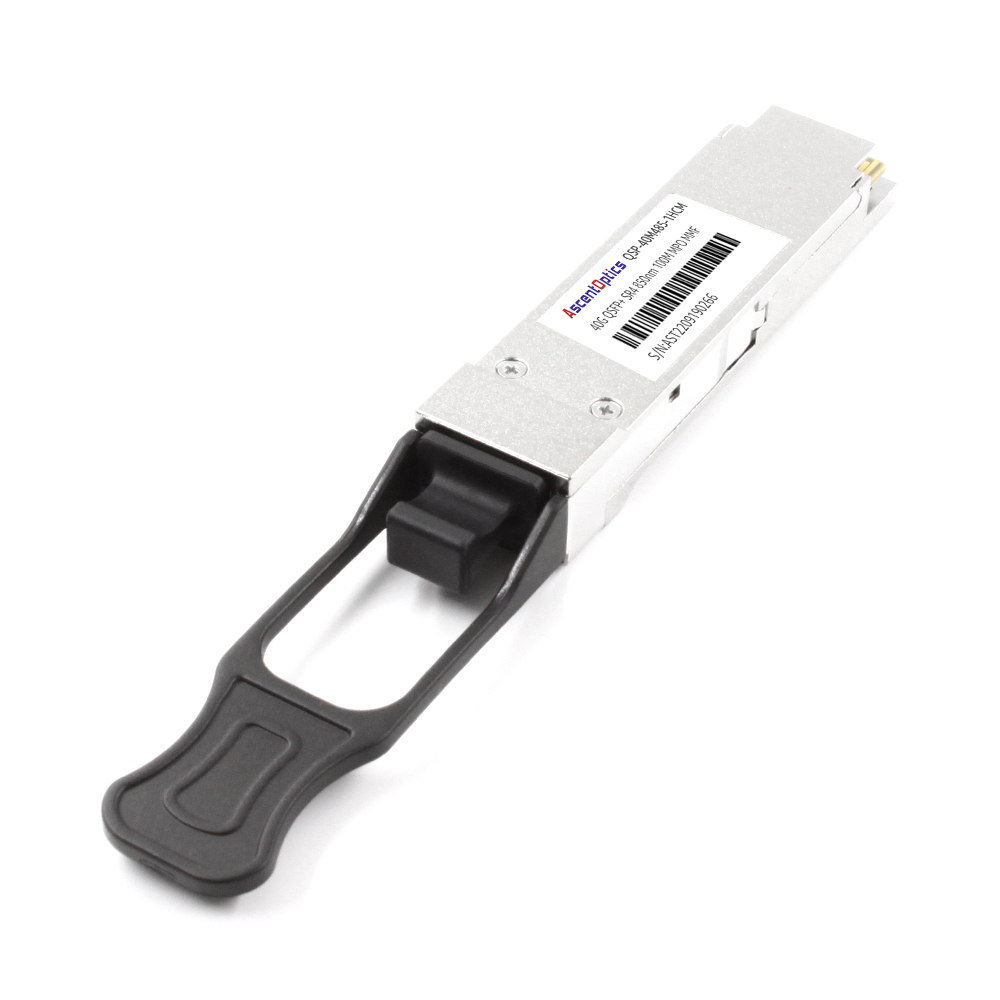
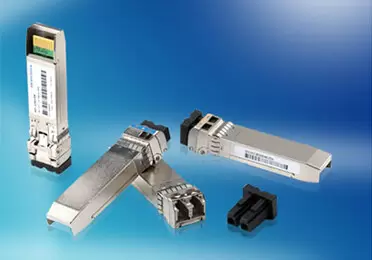
QSFP stands for Quad Small Form-factor Pluggable, a standardized form factor for high-speed pluggable transceivers. It is widely used in Ethernet and InfiniBand networks to enable high-bandwidth data transmission.
The term “Quad” refers to the presence of four independent transmit and receive channels within a single module. This multi-lane architecture allows QSFP modules to achieve significantly higher data rates compared to single-lane solutions, while maintaining a compact footprint that fits modern switch designs.
The short form ‘QSFP’ can be translated to mean Quad Small Form-factor Pluggable. This component is classified as a miniaturized, hot-pluggable transceiver used in data communication applications. The word “Quad” shows that there are four channels of data in one module which means its readiness for high wired data environments.
Evolution of QSFP Modules
QSFP technology has undergone several generations of development, each designed to meet increasing bandwidth demands:
- QSFP (4G): Early implementations with limited adoption
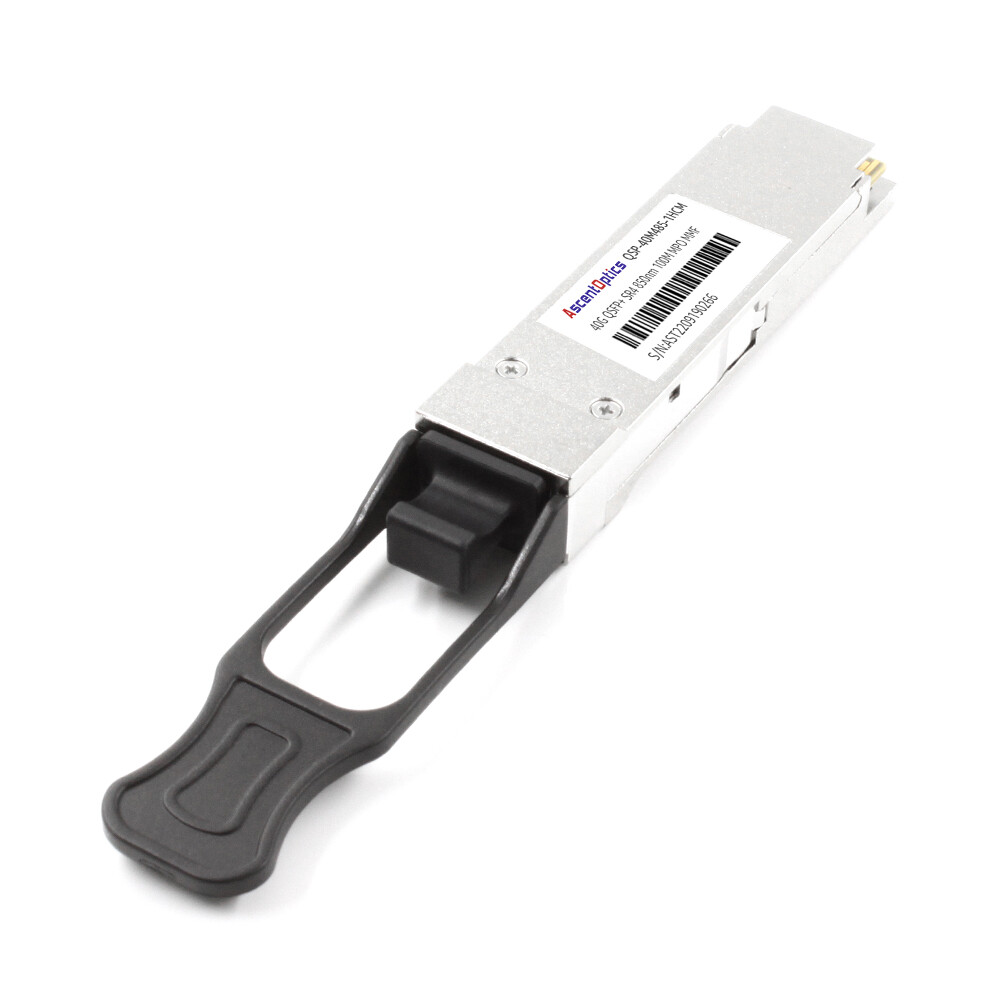
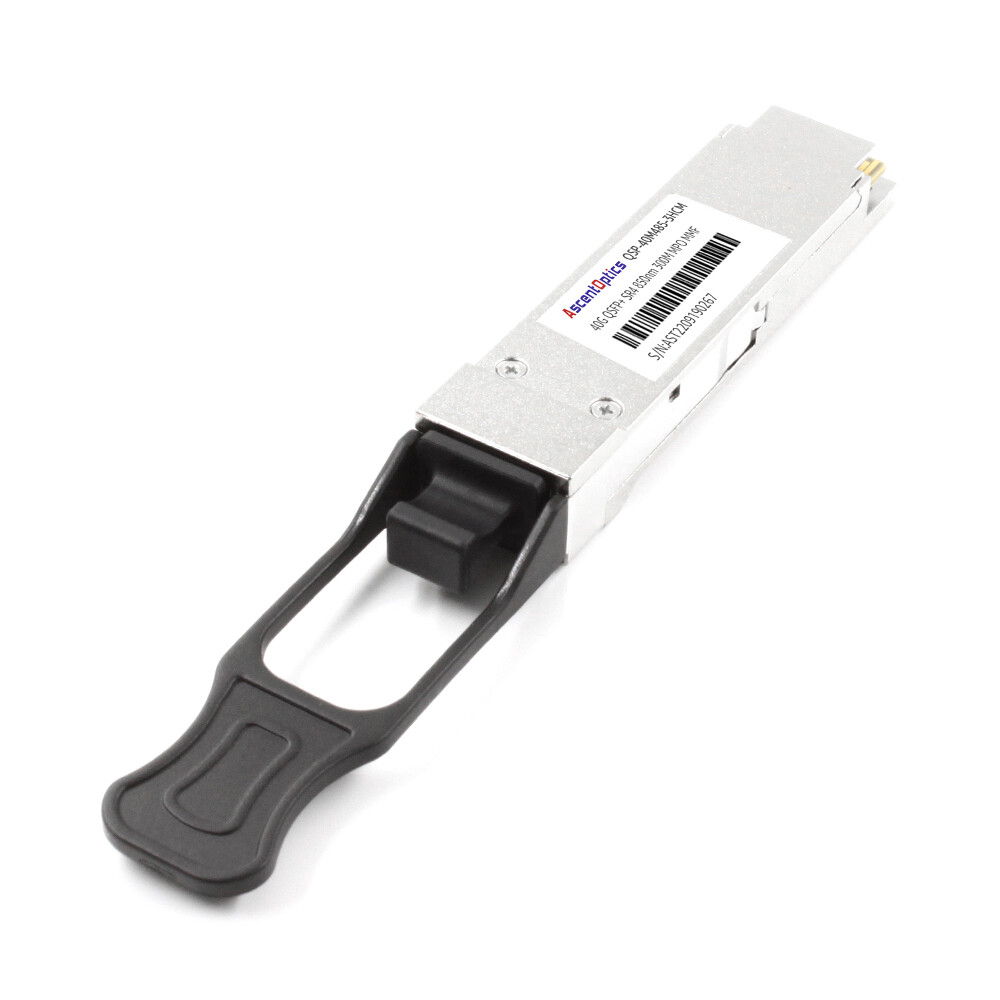
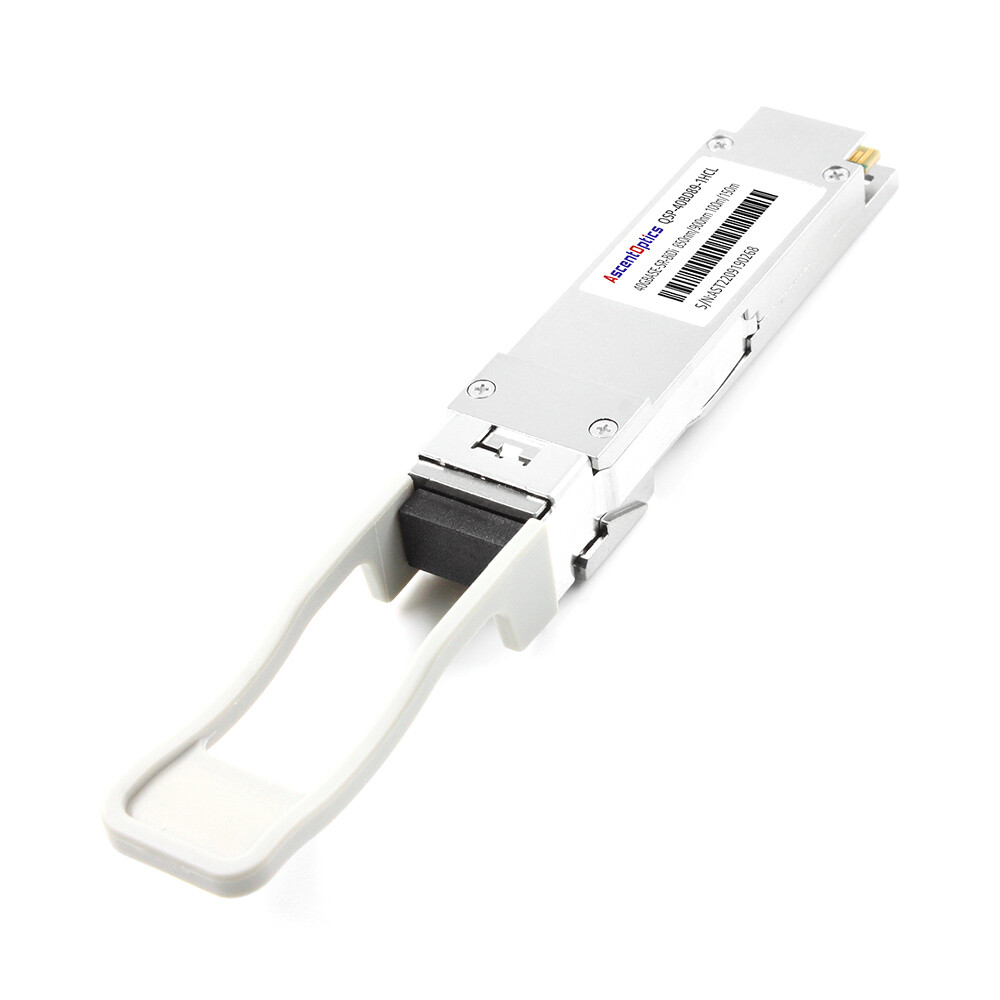
- QSFP+ (40G): Became widely deployed in enterprise and data center environments
- QSFP28 (100G): Established as the standard for modern data centers
- QSFP-DD (400G): Designed for AI workloads and hyperscale infrastructures
Each generation improves lane speed and encoding efficiency. For example, the transition from NRZ to PAM4 modulation enables higher data rates without increasing the number of physical lanes.
Key Features of QSFP Modules
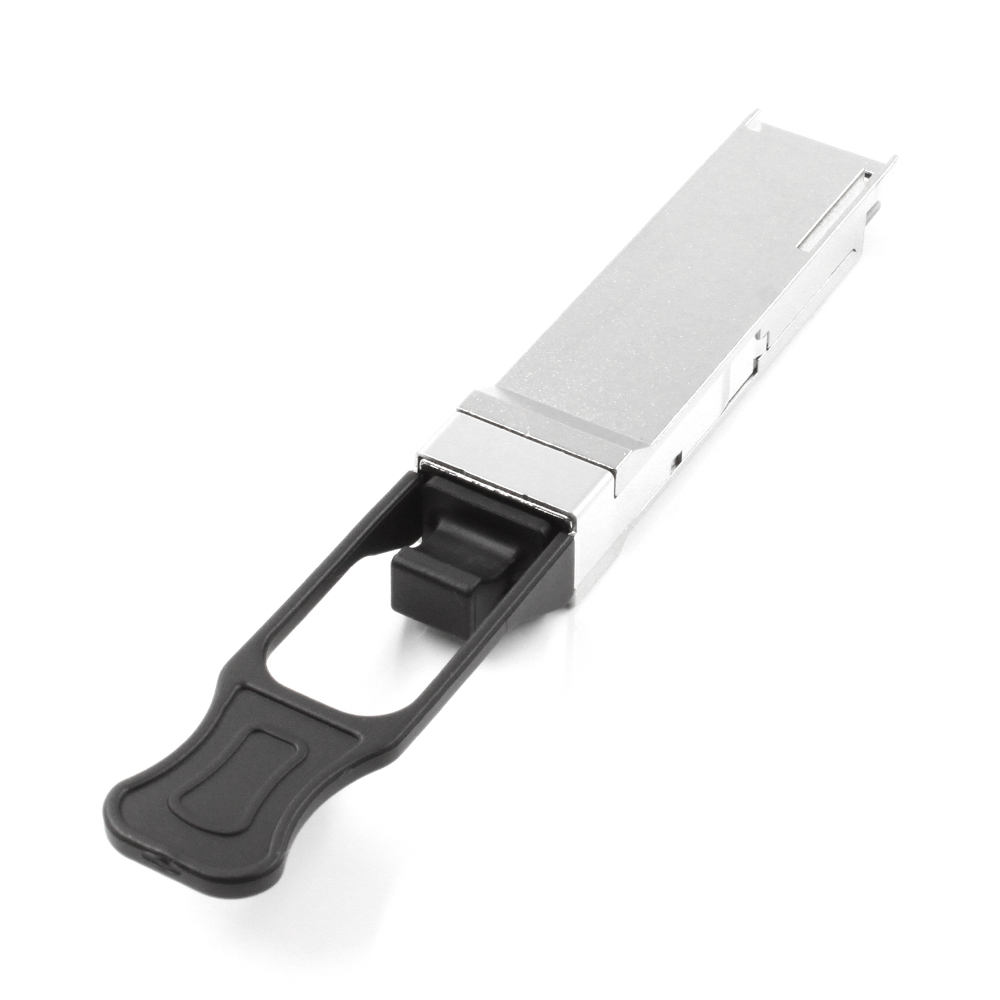
QSFP modules offer several advantages that make them indispensable in modern networking:
- High Bandwidth: Capable of supporting up to 400G and beyond, enabling large-scale data transfer
- High Port Density: Compact design allows more ports per switch, reducing hardware footprint
- Energy Efficiency: Optimized power consumption helps reduce operational costs in large deployments
- Hot-Swappable Capability: Enables maintenance and upgrades without downtime
- Versatile Connectivity: Supports copper (DAC), active optical (AOC), and optical transceivers
These features collectively improve network scalability, efficiency, and performance.
Role of QSFP in Modern Networking
Modern high-speed networks have evolved rapidly with advances in transceiver technology. QSFP modules play a central role in enabling these networks to scale efficiently while maintaining high performance.
They are widely used in:
- Data center fabrics (spine-leaf architecture)
- AI and machine learning clusters
- Cloud computing platforms
- High-performance computing (HPC) systems
By delivering high throughput and low latency, QSFP modules ensure smooth data exchange across distributed systems and compute clusters.
QSFP vs SFP: Key Differences
| Feature |
SFP
|
QSFP
|
| Channels |
1
|
4
|
| Max Data Rate |
Up to 10G
|
Up to 400G
|
| Port Density |
Lower
|
Higher
|
| Typical Use |
Access layer
|
Data center / core
|
While SFP modules remain suitable for lower-speed applications, QSFP modules are designed for high-bandwidth environments where scalability and efficiency are critical.
Types of QSFP Modules and Use Cases
Different QSFP variants are designed to address specific bandwidth requirements and deployment scenarios across evolving network infrastructures. As network demands continue to grow, each generation of QSFP modules plays a distinct role in balancing performance, cost, and deployment flexibility.
QSFP+ (40G):
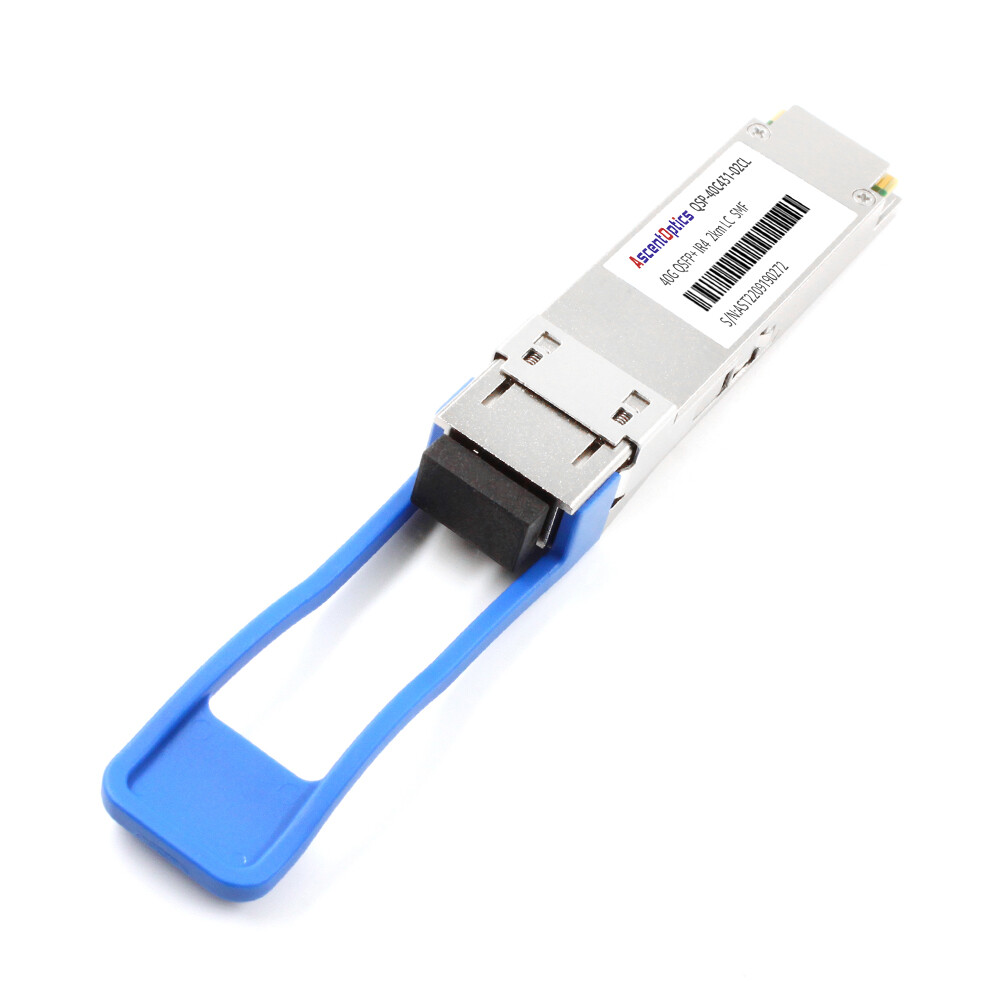
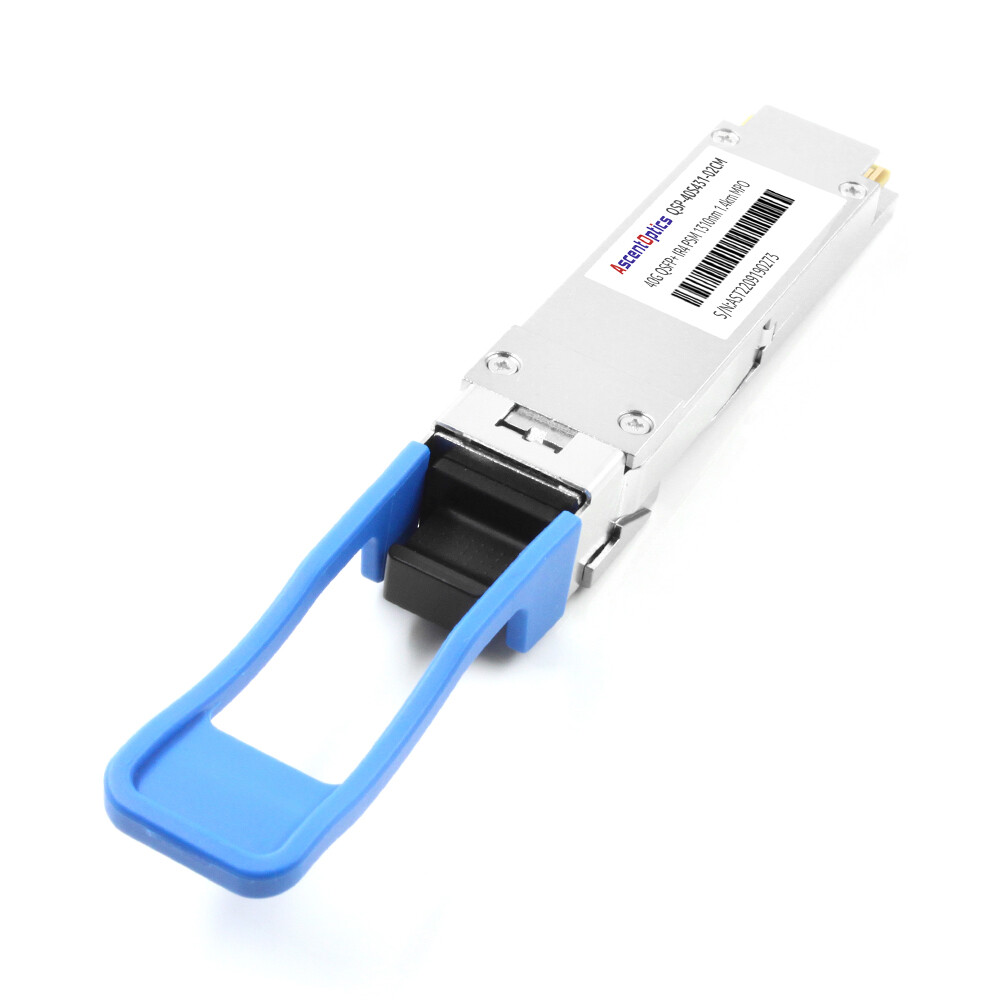
Traditionally, QSFP+ modules have been widely deployed in legacy data centers and enterprise aggregation layers. They are commonly used for 40G Ethernet links, providing a cost-effective upgrade path from 10G infrastructure. In practice, typical applications include switch-to-switch interconnects, aggregation layers, and short- to medium-distance connections using SR4 or LR4 optics.
QSFP28 (100G):
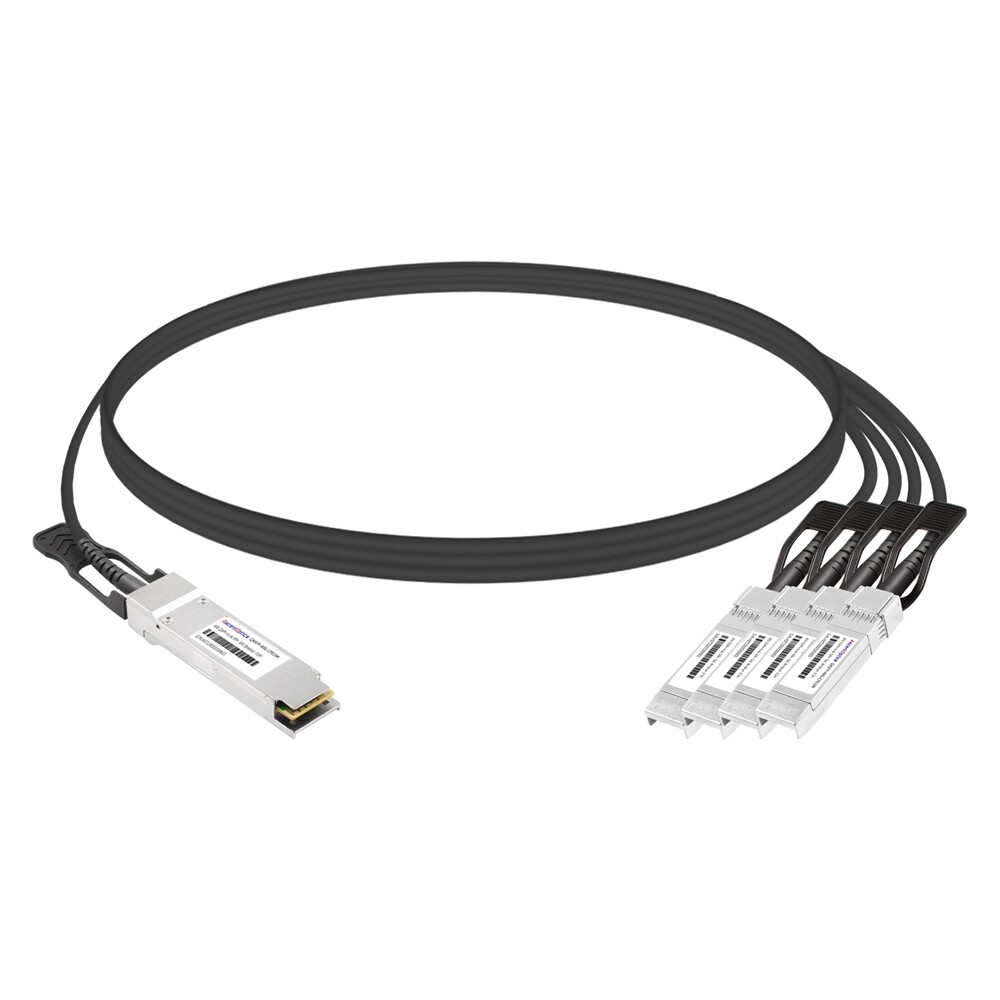
As data center architectures evolved, QSFP28 became the mainstream choice for modern deployments, supporting 100G Ethernet through 4×25G lanes. It is extensively used in spine-leaf architectures, enabling high-bandwidth and low-latency communication between switches. In addition, QSFP28 modules support breakout configurations (e.g., 4×25G), making them highly flexible for mixed-speed environments.
QSFP-DD (400G):
Looking ahead, QSFP-DD represents the next stage of evolution, delivering 400G bandwidth through 8×50G PAM4 lanes. It is specifically designed for AI clusters, hyperscale data centers, and high-performance computing environments where ultra-high bandwidth and port density are critical. Notably, QSFP-DD maintains backward compatibility with QSFP28 and QSFP+ interfaces, enabling smooth and cost-efficient network upgrades.
Overall, each QSFP type reflects a different stage in network evolution, allowing organizations to select the most appropriate solution based on current infrastructure, performance requirements, and future scalability needs.
Transmission Media and Distance Options
QSFP modules support multiple transmission media, enabling flexible deployment:
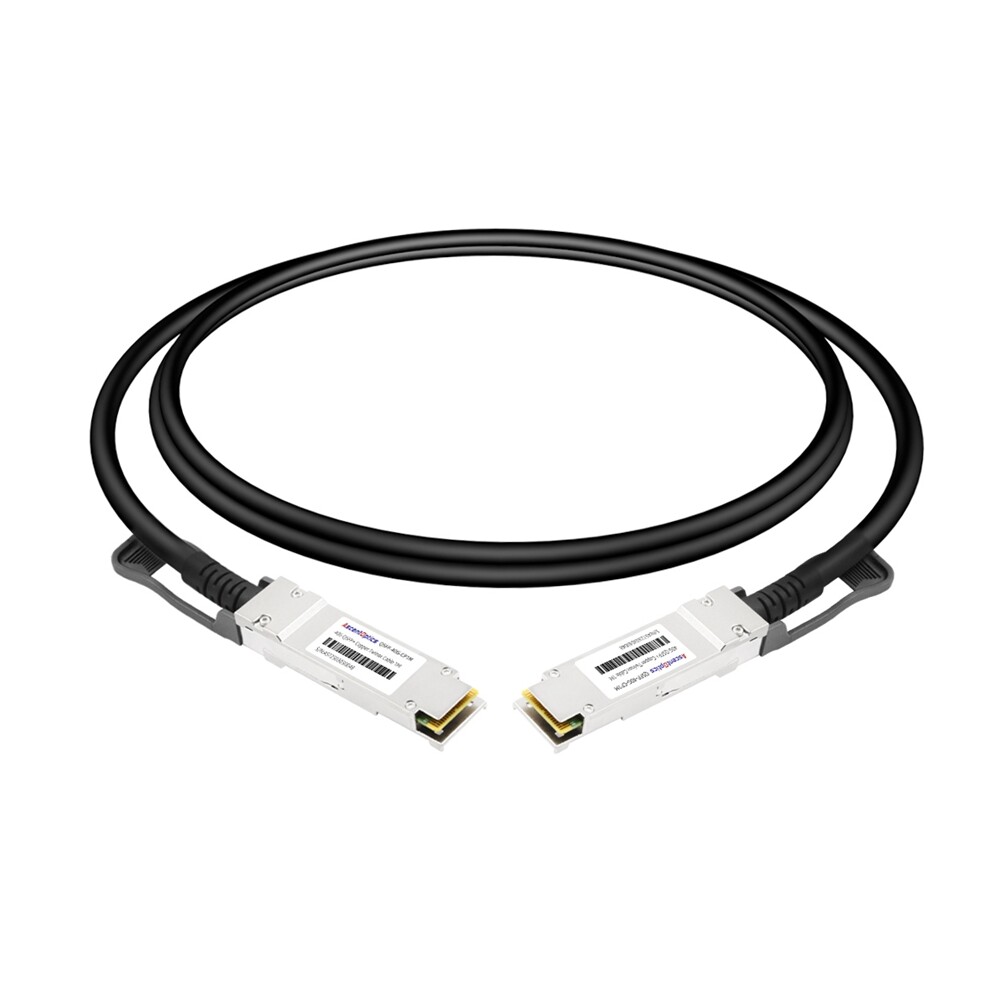
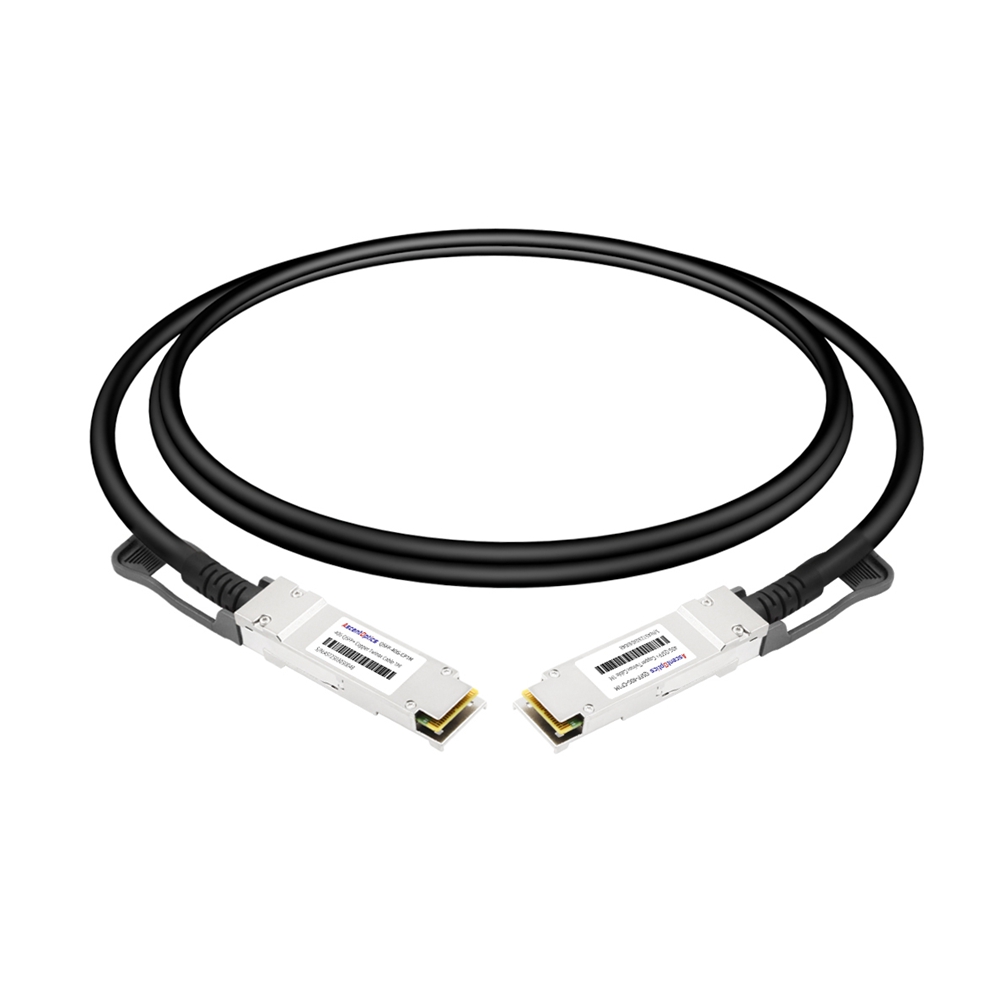
- DAC (Direct Attach Cable): Cost-effective for very short distances (≤5m)
- AOC (Active Optical Cable): Suitable for medium distances (≤100m)
- Optical Transceivers: Enable long-distance communication over fiber
Distance classifications include:
- SR (Short Reach): Up to 100m using multimode fiber
- DR (Data Center Reach): Around 500m using single-mode fiber
- LR (Long Reach): Up to 10km
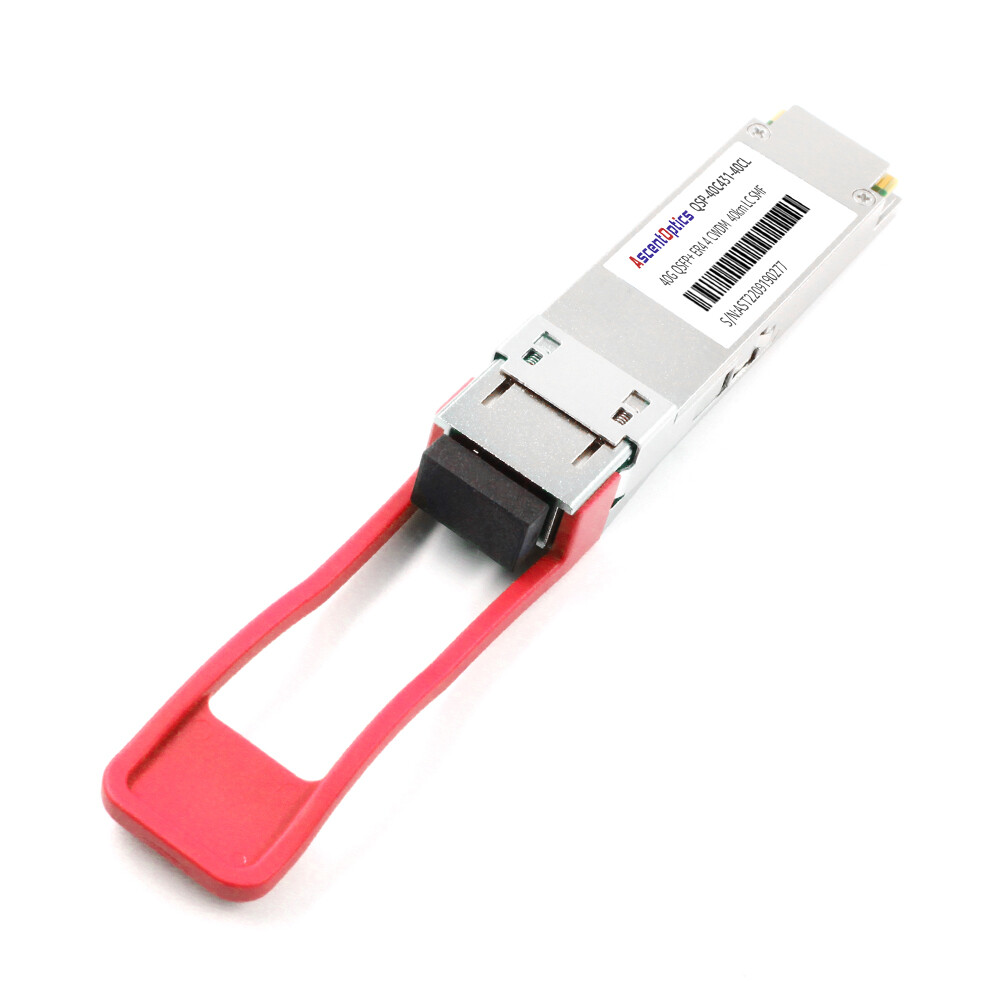
- ER (Extended Reach): 40km or more
Selecting the right option depends on network layout and deployment scale.
How to Choose the Right QSFP Module
Choosing the appropriate QSFP module requires careful evaluation of several factors:
- Data Rate: Match module speed with network requirements
- Distance: Ensure the module supports required transmission range
- Fiber Type: Select between multimode and single-mode fiber
- Connector Type: MPO for parallel optics, LC for duplex transmission
- Compatibility: Verify switch and vendor support
- Power Consumption: Critical for high-density deployments
A structured selection process helps ensure optimal performance and long-term scalability.
Conclusion
QSFP modules are a cornerstone of modern networking, enabling high-speed, scalable, and efficient data transmission. As data demands continue to grow—driven by AI, cloud computing, and digital transformation—QSFP technology will remain essential for building future-ready network infrastructures. QSFP modules are a cornerstone of modern networking, enabling high-speed, scalable, and efficient data transmission. As technologies such as AI, cloud computing, and big data continue to grow, the demand for higher bandwidth and lower latency will only increase.
In this context, QSFP—and especially next-generation variants like QSFP-DD—will remain critical to building future-proof network infrastructure.
Frequently Asked Questions (FAQs)
Q: Define the QSFP transceiver module and explain its relevance to the optical network?
A: In data communication applications, a QSFP transceiver module serves as a hot swappable optical transceiver. The device is built to transfer a comparatively larger volume of data at high speeds. It is also common to find them in network devices such as switches and routers where they connect to a fiber optic network. In simple terms, a QSFP transceiver receives an electrical signal and converts it into an optical signal and reversely converts an optical signal back to an electrical signal when it’s sent to the QSFP transceiver.
Q: What is the key difference between a QSFP-DD and great standard QSFP modules?
A: QSFP-DD or Quad Small Form-Factor Pluggable Double Density is a superior type of standard QSFP whereby it contains an eight lane electrical interface. As a result, despite the use of dense connectors, QSFP-DD achieves twice the density and data capacity of the standard QSFP, reaching 400 Gbps data rates. The use of QSFP-DD form factor is not a problem for existing users of the network since it is backward compatible with current port types.
Q: What is the difference between QSFP and SFP transceivers?
A: The primary distinction between QSFP and SFP transceivers is the amount and kind of function they possess. For instance quad small connectorable transceiver (QSFP) has greater data speed of about 400 Gbps making it more ideal for core to core network link which as the name suggests is designed to allow four connections simultaneously. On the other hand, SFP or Smart Form Factor Pluggable, has less data rates and is mainly employed as an attachment for devices like routers and switches. Moreover, as QSFP’s ports are bigger than SFP’s, it reasons why greater data connections are available.
Q: How does Gigabit Ethernet utilize SFP transceivers?
A: SFP Transceivers are a common feature in gigabit network as they enable connection between fiber cable/optic cable with the SFP ports located on network devices such as Gigabit Ethernet which is one of the best features about SFPs as they are versatile and lend themselves to various network combinations. Furthermore, SFP transceivers allows for integration with Gigabit Ethernet networks by providing diverse types of media and lengths enabling fiber or copper cables.
Q: What are the benefits of using QSFP-DD MSA in optical networks?
A: The most distinct feature of the QSFP-DD MSA is that it is a Multi-Source Agreement, which describes a system of standard interfaces in QSFP-DD modules. This secures a compatible operation of separate engineers’ developments. These advantages include higher port concentration thanks to pluggable double density design, maintenance of existing QSFP standard modules, and ability to grow the bilateral data rates making the network more versatile.
Q: How do SFP ports on a switch differ from QSFP ports?
A: SFP ports on a switch are meant for SFP transceivers which operate at lower data rates aimed at connecting servers and routers. However, QSFP ports have a larger size and accept QSFP transceivers operating at higher data rates for interconnecting mainstream network devices. Depending on the actual bandwidth requirements and topology of the network, one would use either SFP ports or QSFP ports.
Q: What is the function of a fiber cable in conjunction with a QSFP-DD module?
A: Fiber cables in association with a QSFP-DD module facilitate the transmission of optical signals within a network over long distances. Moreover, the fiber cables carry the embedded optical signals, which previously have been converted by the QSFP-DD modules from electrical signals. This configuration is significant for high-speed data transfer in data centers as well as in strong network structures.
Q: What is the difference between QSFP28 and the other types of QSFPs?
A: The QSFP28, a fiber multi-source agreement (MSA) transceiver, is one of the, supports 100 Gbps data adapter and hence suited for such applications that requires high bandwidth. In terms of its implementation architecture, it has four lanes, each of which transmits 28 Gbps, thus named as QSFP28. When put side by side with the other types of QSFPs like the QSFP+ or the QSFP-DD, QSFP28 is well suited for deployments of 100G Ethernet in that it is able to achieve nearly perf0rmance with respect to power efficiency.
Ethernet
Data communication
Everything You Need to Know About 100G QSFP28 Transceivers
Post Views: 6,633