QSFP-DD Compatible Switches: A Complete Guide by Vendor
March 31, 2026
For Mr. Marcus Chen, a senior network architect at a Midwest cloud service provider, the past three weeks have been spent evaluating 400G switch platforms for a new hyperscale data center deployment. The team had already standardized on QSFP28 optics for existing 100G leaf switches. The original requirement was clear: identify QSFP-DD compatible switches that could reuse existing modules while supporting 400G uplinks for the spine layer.
However, as the evaluation progressed, it became evident that not all switches labeled as “400G-ready” guarantee QSFP-DD backward compatibility.
If you’re planning a similar upgrade, you’ve likely encountered the same challenges. This guide provides a comprehensive overview of QSFP-DD compatible switches across major vendors, explains the fundamentals of backward compatibility at the port level, and outlines how to verify transceiver compatibility before procurement.
A switch is considered QSFP-DD compatible when its physical ports, electrical signaling, power delivery, and firmware all comply with QSFP-DD standards.
QSFP-DD (Quad Small Form-factor Pluggable Double Density) is designed to increase port density by adding a second row of electrical contacts, enabling 8 lanes of 50 Gbps PAM4 signaling for an aggregate bandwidth of 400 Gbps.
Physical Cage Requirements
Compared to standard QSFP28 ports, QSFP-DD cages are deeper and designed to accommodate both QSFP-DD modules and legacy QSFP form factors. This allows a single port to support multiple generations of transceivers.
However, this compatibility depends on proper mechanical design. Switches not specifically built with QSFP-DD cages cannot support QSFP-DD modules.
Electrical Signaling and Speed Negotiation
QSFP-DD switches must support 50 Gbps PAM4 signaling per lane to achieve 400G transmission. Ideally, they should also support downshifting to 25 Gbps NRZ for compatibility with legacy QSFP28 and QSFP+ modules.
This electrical flexibility is the foundation of backward compatibility.
Power Budget Considerations
Modern QSFP-DD modules typically fall into Class 6–8 power categories, consuming approximately 10W to 25W per port.
Older switch line cards that only support lower power classes (e.g., Class 4, up to 8.5W) may fail to power these modules. In such cases, the switch may shut down the port or fail to recognize the transceiver.
Module Class
Power Budget
Typical Applications
Class 4
Up to 8.5W
Early 100G/200G modules
Class 6
Up to 10W
Standard 400G SR8
Class 7
Up to 12W
400G FR4, DR4
Class 8
Up to 15W+
400G ZR, 800G modules
Cisco QSFP-DD Compatible Switches
Among major vendors, Cisco was one of the early adopters of QSFP-DD in enterprise and cloud data center environments. The company integrates QSFP-DD across its Nexus 9000 switches and 8000 Series routers.
Nexus 9000 Series
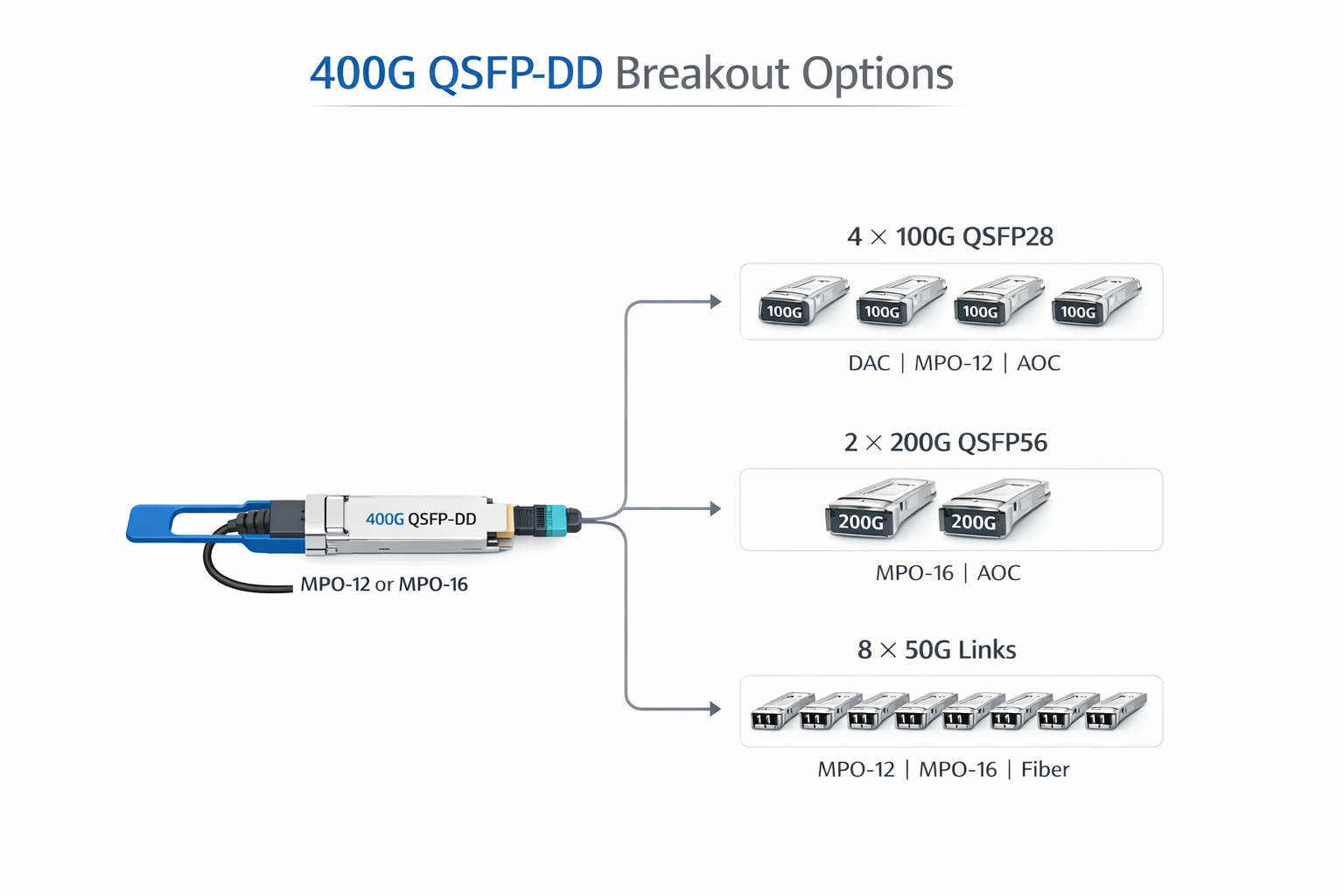
The Nexus 9300-GX2 series represents Cisco’s primary 400G QSFP-DD switch family, supporting high-density deployments and flexible breakout configurations such as 4×100G or 2×200G.
Nexus 9364D-GX2A: 64 ports of 400G QSFP-DD in a 2RU chassis
Nexus 9332D-GX2B: 32 ports of 400G QSFP-DD in 1RU
Nexus 9316D-GX2A: 16 ports of 400G QSFP-DD for smaller spine deployments
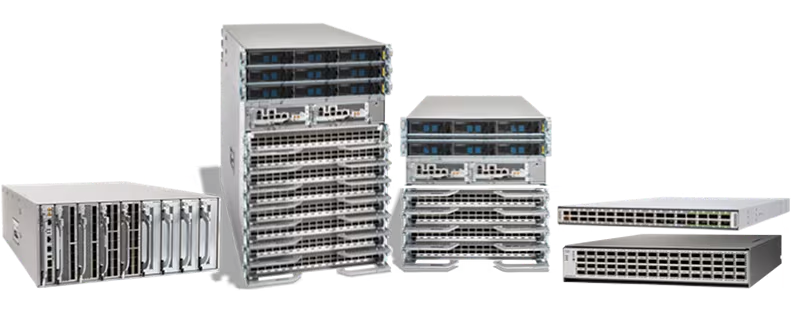
Nexus 9300-GX2 series (Image source: Cisco)
These switches support Cisco’s cloud-scale networking architecture in hyperscale and large enterprise data centers. The GX2 line also supports breakout configurations such as 400G to 4×100G QSFP28 and 400G to 2×200G QSFP56.
Cisco 8000 Series Routers
Cisco 8000 Series, which is a line of routers, also has support for QSFP-DD form factors for choice line cards specific to a customer organization and a WAN edge. These platforms were never prized for pure Layer 2 switching but rather have been largely utilized for the high-capacity routing. In any case, these systems have the same sort of port behavior as the Nexus 9000 family.
Key Compatibility Notes for Cisco Platforms
Cisco maintains strict transceiver compatibility policies. While third-party MSA-compliant modules often work, they may trigger warning messages in the operating system. Across the industry, network engineers use compatible optics from a reputable vendor in order to manage the cost of deploying 400G and to maintain performance.
Arista Networks has standardized QSFP-DD as the preferred form factor for 400G switching, particularly for customers requiring backward compatibility with existing QSFP28 deployments.
7060X6 Series
The Arista 7060X6 series supports full backward compatibility with QSFP+, QSFP28, and QSFP56 modules, making it ideal for brownfield upgrades.
7060DX5-64S: 64x 400G QSFP-DD ports
7060DX5-32: 32x 400G QSFP-DD ports
7060X6-64PE: Enhanced power handling for high-wattage modules
Arista’s official documentation has officially mentioned that the 7060X6 series is capable of strict backward compatibility with 40G QSFP+, 100G QSFP28, and 200G QSFP56 modules. The very idea of this makes it the best option for brownfield upgrades where a consideration must be given for the reusability of already installed optics.
Arista 7280CR3MK and Other Platforms
32x QSFP28 100G portes are merged with 4x QSFP-DD 400G ports with 7280CR3MK-32D4S, thereby offering a migratory path to transition networks, which are capable of either running the 100G leaf or the 400G spine architecture. Arista also comes up with 800G-capable platforms with dual-density QSFP-DD cages.
Backward Compatibility and Thermal Design
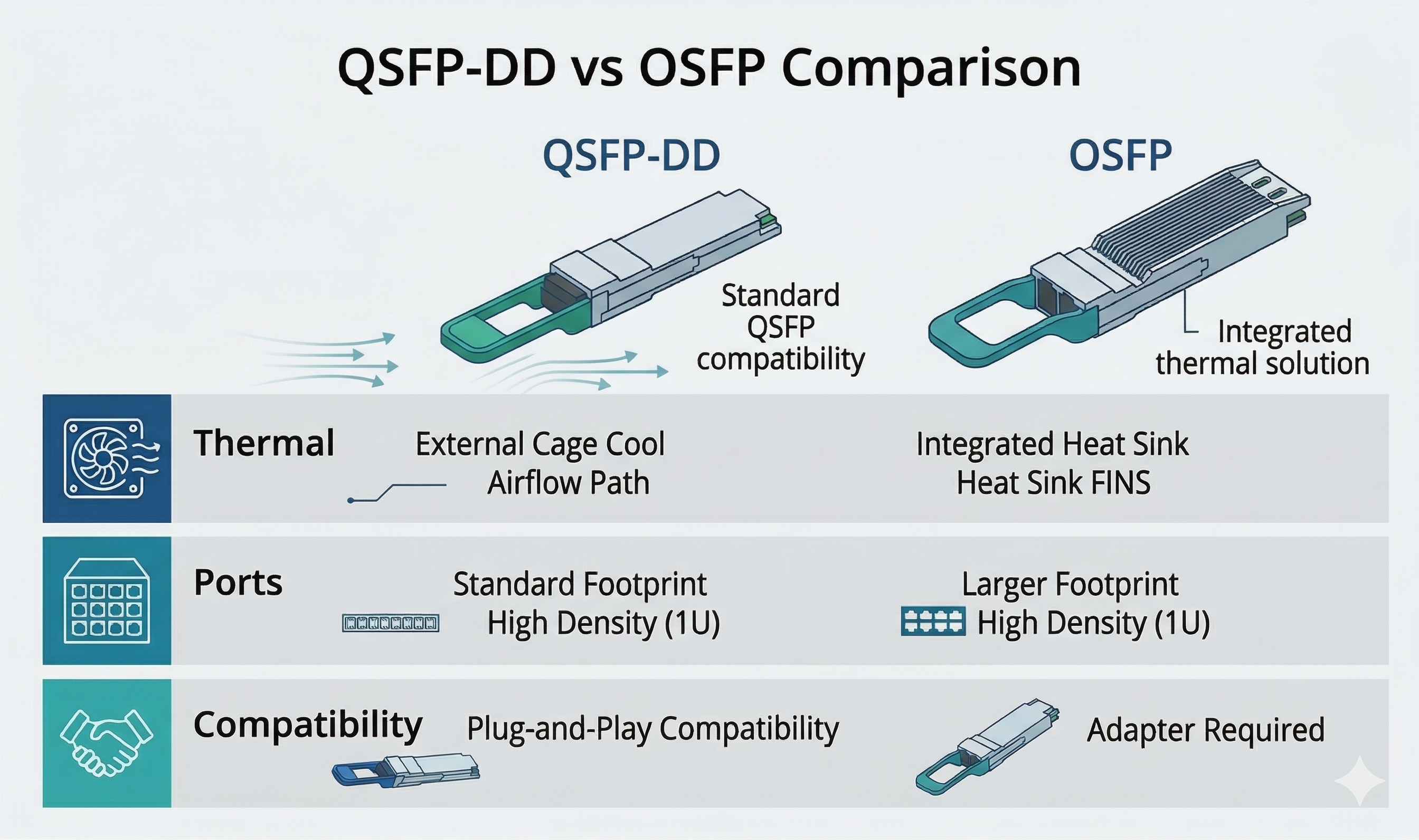
Arista’s 400G Optics FAQ highlights an important thermal consideration: QSFP-DD modules rely on an external heatsink provided by the switch cage, while OSFP modules use an integrated heatsink. In dense 1RU 32-port switches, this external heatsink design can result in temperatures 5°C to 15°C higher than equivalent OSFP implementations. Network engineers should factor this into cooling and power planning.
NVIDIA / Mellanox QSFP-DD Compatible Switches
NVIDIA’s networking portfolio, built on Mellanox technology, includes both QSFP-DD and OSFP-based platforms depending on application requirements. Spectrum-3 and Spectrum-4 switches widely support QSFP-DD for Ethernet-based AI and HPC clusters.
Spectrum-3 and Spectrum-4 Switch Families
NVIDIA QSFP-DD compatible switches include:
•Spectrum-4 SN5000 series
•SN4700 series: 32x 400G QSFP-DD in 1RU
•SN5400 series: Mixed-density platforms for AI/HPC fabrics
AI training clusters, high-performance computing environments, and cloud data centers using RoCEv2 (RDMA over Converged Ethernet) highly incorporate those switches.
ConnectX-7 NIC Compatibility
For 400G host connectivity, NVIDIA offers NICs such as the MCX75310AAS-NEAT and MCX75310AAC-NEAT with QSFP-DD ports. This delivers end-to-end QSFP-DD compatibility from server NIC to top-of-rack switch in high-performance environments.
QSFP-DD vs OSFP in the NVIDIA Portfolio
However, higher-end AI systems often adopt OSFP due to its superior thermal performance. OSFP modules integrate larger heatsinks, making them better suited for high-power GPU interconnect environments. AI clusters with dense GPU interconnects generate significantly more heat than standard data-center workloads, and OSFP provides a higher-margin integrated heatsink.
Need help choosing between QSFP-DD and OSFP for your data center? Read our detailed QSFP-DD vs OSFP comparison to make the right form factor decision.
HPE Aruba and Juniper QSFP-DD Platforms
In enterprise and service provider networks, both HPE Aruba and Juniper Networks provide vast QSFP-DD switch portfolios beyond Cisco, Arista, and NVIDIA.
HPE Aruba CX 9300 and CX 10000 Series
HPE Aruba’s 400G switching strategy centers on the CX 9300 family, with select models also available in the CX 10000 intelligent switch line. According to HPE Aruba’s AOS-S and AOS-CX Transceiver Guide, certified QSFP-DD optics for these switches include:
Breakout DACs: Including 200G QSFP-DD to 8x SFP28 configurations
Aruba emphasizes that QSFP-DD modules cannot be installed in QSFP28 or QSFP+ ports on their switches, even though QSFP-DD ports are capable of backward compatibility. Upfront, this issue is a source of common confusion when upgrades are done.
Aruba emphasizes that QSFP-DD modules cannot be inserted into QSFP28 or QSFP+ ports, even though QSFP-DD ports themselves support backward compatibility. This is a common source of confusion during upgrades.
Juniper PTX10008 and QFX Fixed Switches
Juniper supports QSFP-DD primarily on its high-end packet transport and data center switching platforms:
PTX10008: Uses the PTX10K-LC1201-36CDline card with 36x 400G QSFP-DD ports
PTX10016: Scales to larger chassis with multi-terabit capacity
QFX10002-60C: Fixed-configuration switch with QSFP-DD support for data center fabrics
Juniper’s PTX10008 Hardware Guide provides detailed specifications for power budgets, port breakout modes, and supported transceiver types on these platforms.
White-Box and Edge-Core QSFP-DD Switches
Organizations pursuing open networking architectures are deploying white-box switches based on Broadcom Tomahawk 4/5 silicon that support QSFP-DD at both 400G and 800G densities. Edgecore, UfiSpace, and other ODMs offer QSFP-DD switches that accept MSA-standard optics and run SONiC, DANOS, or vendor NOS software.
QSFP-DD Backward Compatibility on Switch Ports
One of the biggest advantages of QSFP-DD over OSFP is its excellent backward compatibility. Understanding this helps avoid costly procurement mistakes.
What QSFP-DD Ports Accept
A QSFP-DD port on a compatible switch can mechanically and electrically accept the following module types:
Inserted Module
Resulting Speed
Supported?
QSFP+ (40G)
40 Gbps
Yes
QSFP28 (100G)
100 Gbps
Yes
QSFP56 (200G)
200 Gbps
Yes (on most 400G switches)
QSFP112 (400G)
400 Gbps
Yes, if ASIC supports 112G PAM4
QSFP-DD (400G)
400 Gbps
Yes (native)
QSFP-DD800 (800G)
800 Gbps
Yes, on QSFP-DD800 switches
This is possible because QSFP-DD cages can ignore the second row of electrical contacts when a legacy module is inserted, allowing the switch ASIC to negotiate the appropriate signaling rate.
What You Cannot Do
It is physically impossible to insert a QSFP-DD module into a QSFP28 or QSFP+ port due to the extra height and pin layout. This is a unidirectional compatibility relationship: QSFP-DD ports accept legacy modules, but legacy ports do not accept QSFP-DD modules.
Real-world scenario: The network team at a financial company procured around 400G QSFP-DD SR8 modules to satisfy their latest layer switches, for their new spine switches, and attempted to adapt the spare modules to their older 100G leaf switches. The modules did not physically fit. So, the team had to rethink and order QSFP28 SR4 optics for the leaf layer. This explains why backward-compatibility planning should be considered at an architecture level, not just at the port level.
Breakout Cable Support by Vendor
Breakout cabling is one of the most effective ways to integrate QSFP-DD switches with existing infrastructure. A single 400G QSFP-DD port can be split via breakout cable or AOC into lower-speed links.
Common breakout configurations include:
400G QSFP-DD to 4x 100G QSFP28
400G QSFP-DD to 2x 200G QSFP56
800G QSFP-DD to 2x 400G QSFP-DD
Not every switch supports every breakout mode; some require firmware-based port-profile configuration. For example, most modes are natively supported on the Arista 7060X6 series, while certain Cisco Nexus models require explicit port-profile settings.
How to Verify Switch and Transceiver Compatibility
Before placing a large order, network engineers must follow a structured compatibility checklist to avoid the most common integration issues.
1. Check the Vendor Optics Matrix
Each primary switch vendor creates and maintains a valid vendor list. Cisco refers to this list as the “Optics Compatibility Matrix,” Arista publishes the Transceiver Data Sheet, and NVIDIA gives you a Validated Cables & Switches List. Take the part number for the desired transceiver in order to check it against the SKU for the specific switch+\bundle and software version.
2. Validate Power Class Alignment
To start with, ensure that the switch ports can feed the specifie d class of power that your module needs. Members like High power coherent optics (400G ZR, 800G modules) often require Class 8. Older line cards are unable to provide this. Have a look at the maximum power per port and the total chassis power budget in the switch datasheet.
3. Confirm Firmware and CMIS Version
The transceivers of 400G/800G leverage the Common Management Interface Specification (CMIS) 4.0 or 5.0 for digital monitoring and configuration. If versions of CMIS do not match between the switch firmware and the transceiver, it becomes a major reason why the link fails to come up. Update the switch firmware to the vendor’s recommended release before sticking on new optics.
4. Test Breakout Configurations
Always stage breakout cables in a lab before deploying to production, as they can come up unexpectedly with a variety of issues like FEC mismatches, lane map errors, port profile problems, or a mix of all that can be really hard to diagnose in a live network.
Third-Party QSFP-DD Transceivers for Compatible Switches
While OEM optics are guaranteed to work, they are typically much more expensive. MSA-compliant QSFP-DD modules from high-quality third-party manufacturers offer 40–60% cost savings with no performance compromise.
Shenzhen Ascent Optics manufactures MSA-compliant QSFP-DD transceivers that are compatibility-tested with the major switch platforms covered in this guide, including:
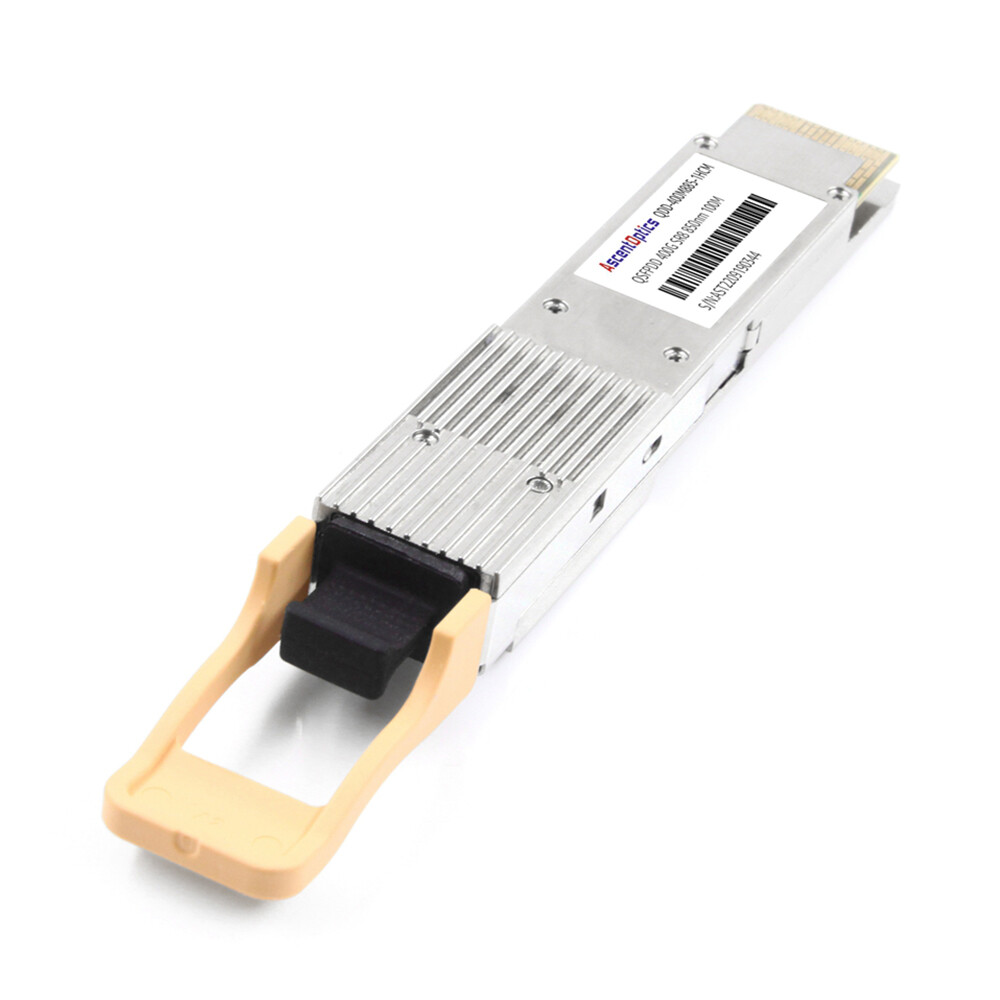
400G QSFP-DD SR8: 100m over OM4 multimode fiber, MPO-16 connector
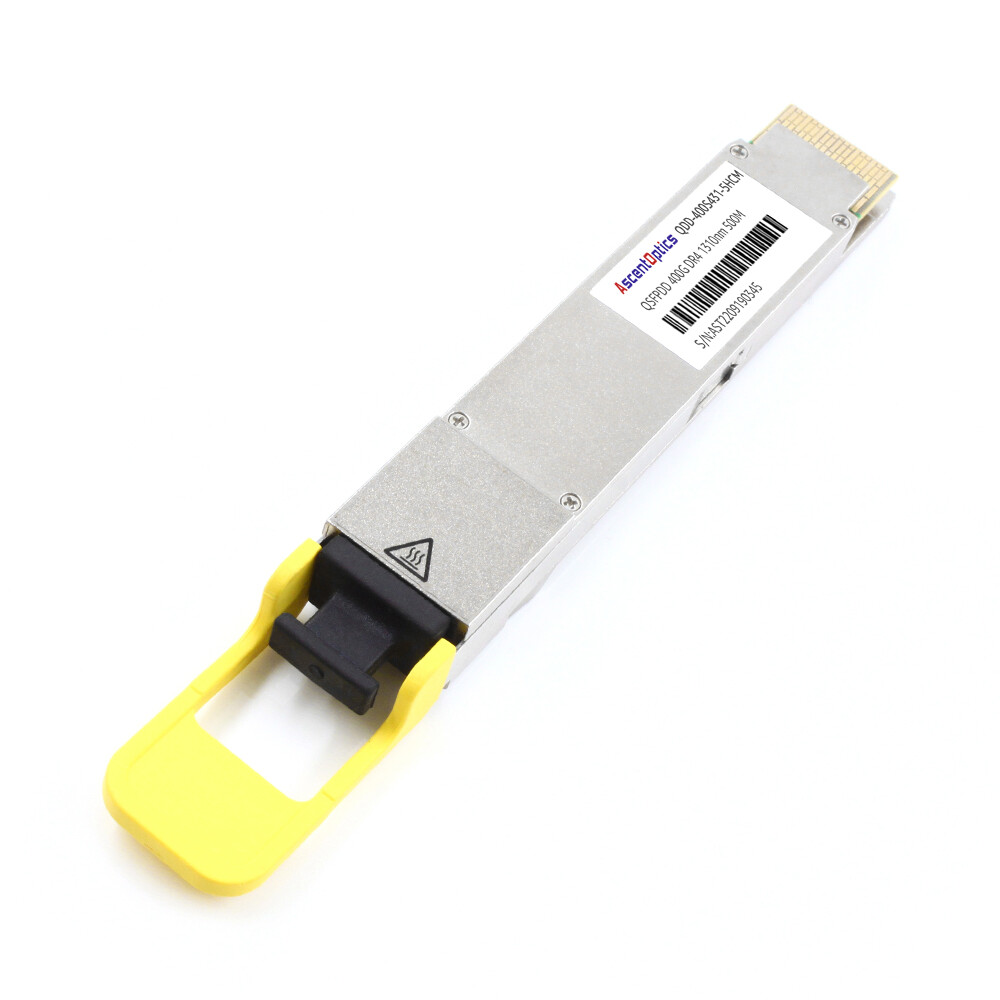
400G QSFP-DD DR4: 500m over single-mode fiber, MPO-12 breakout
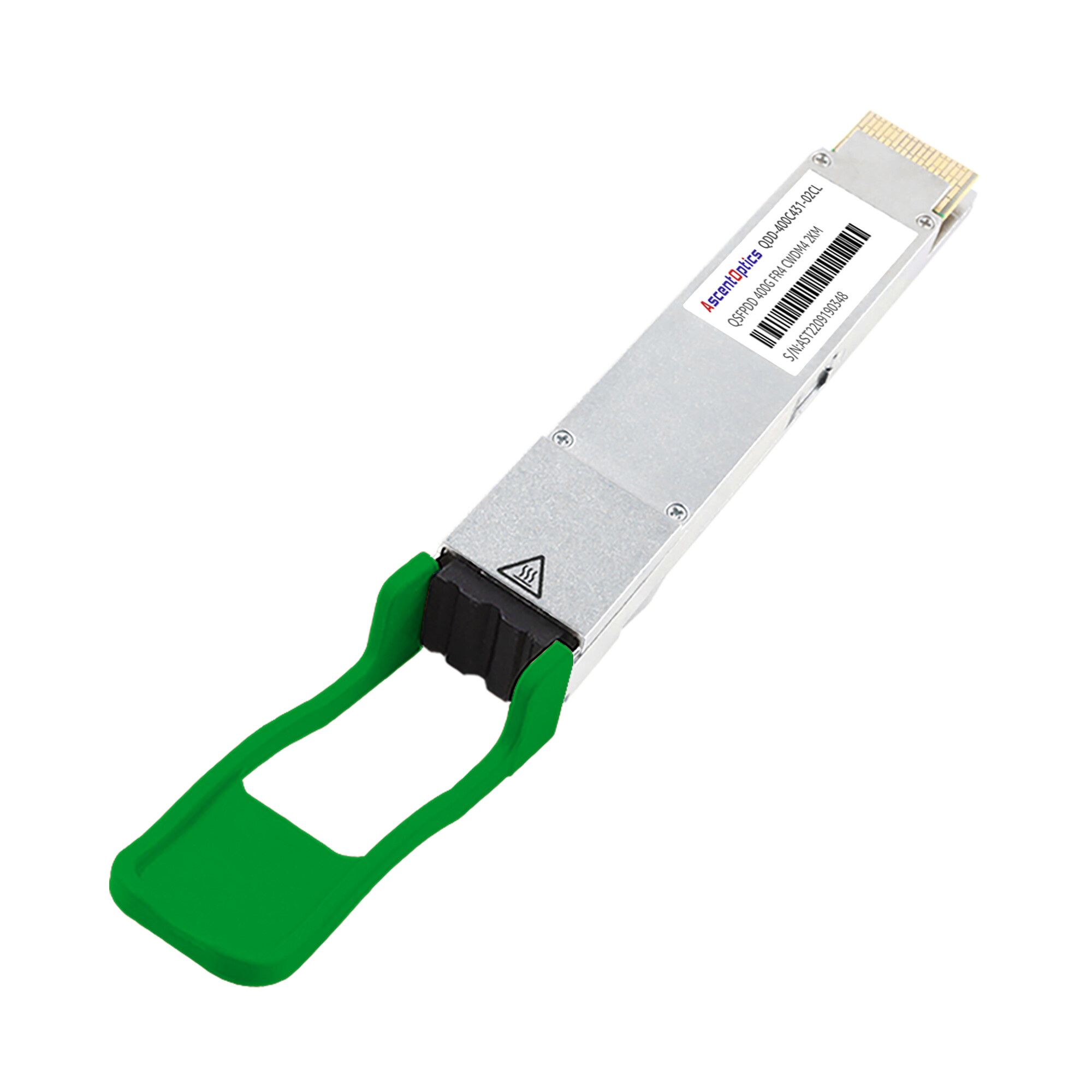
400G QSFP-DD FR4: 2km over single-mode fiber, duplex LC
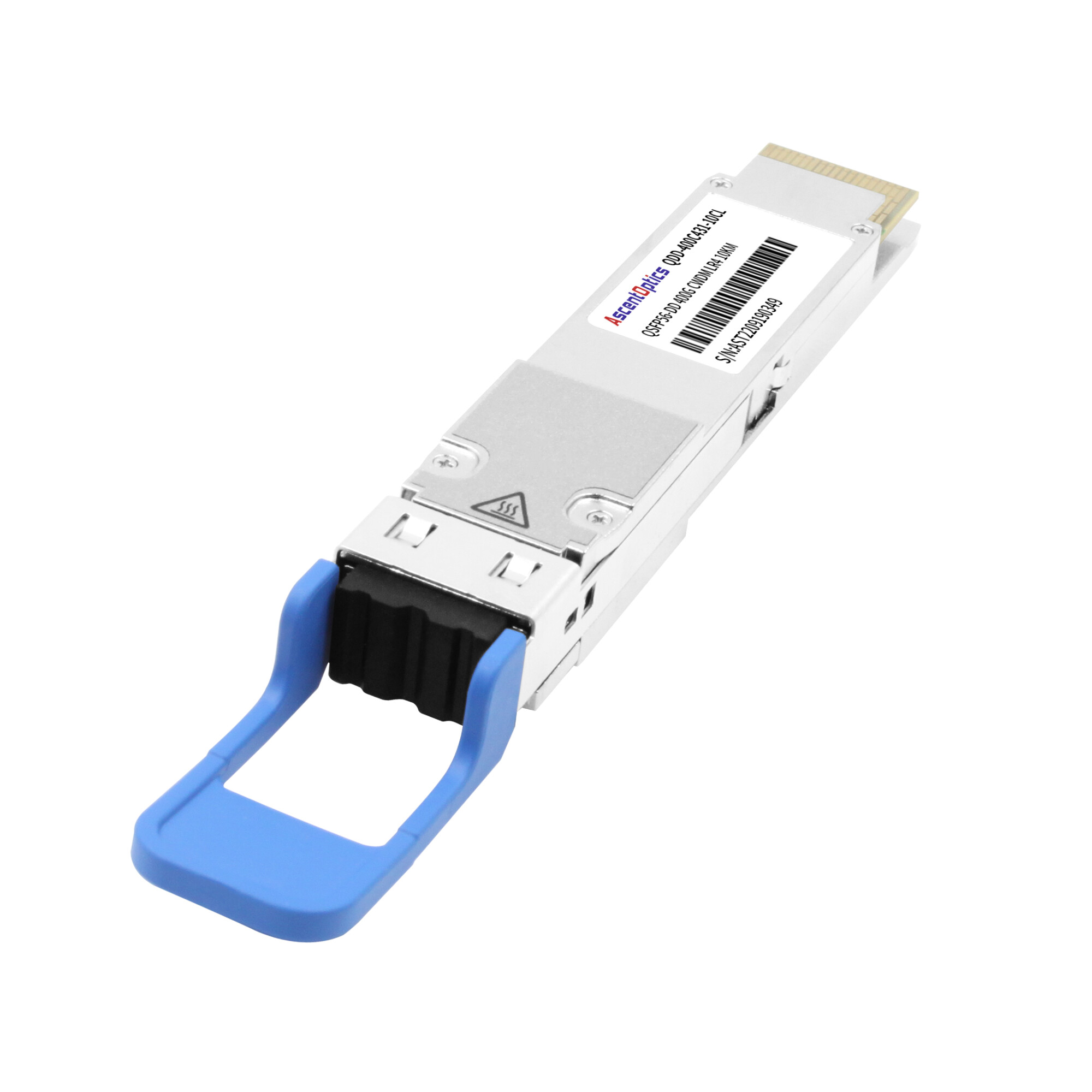
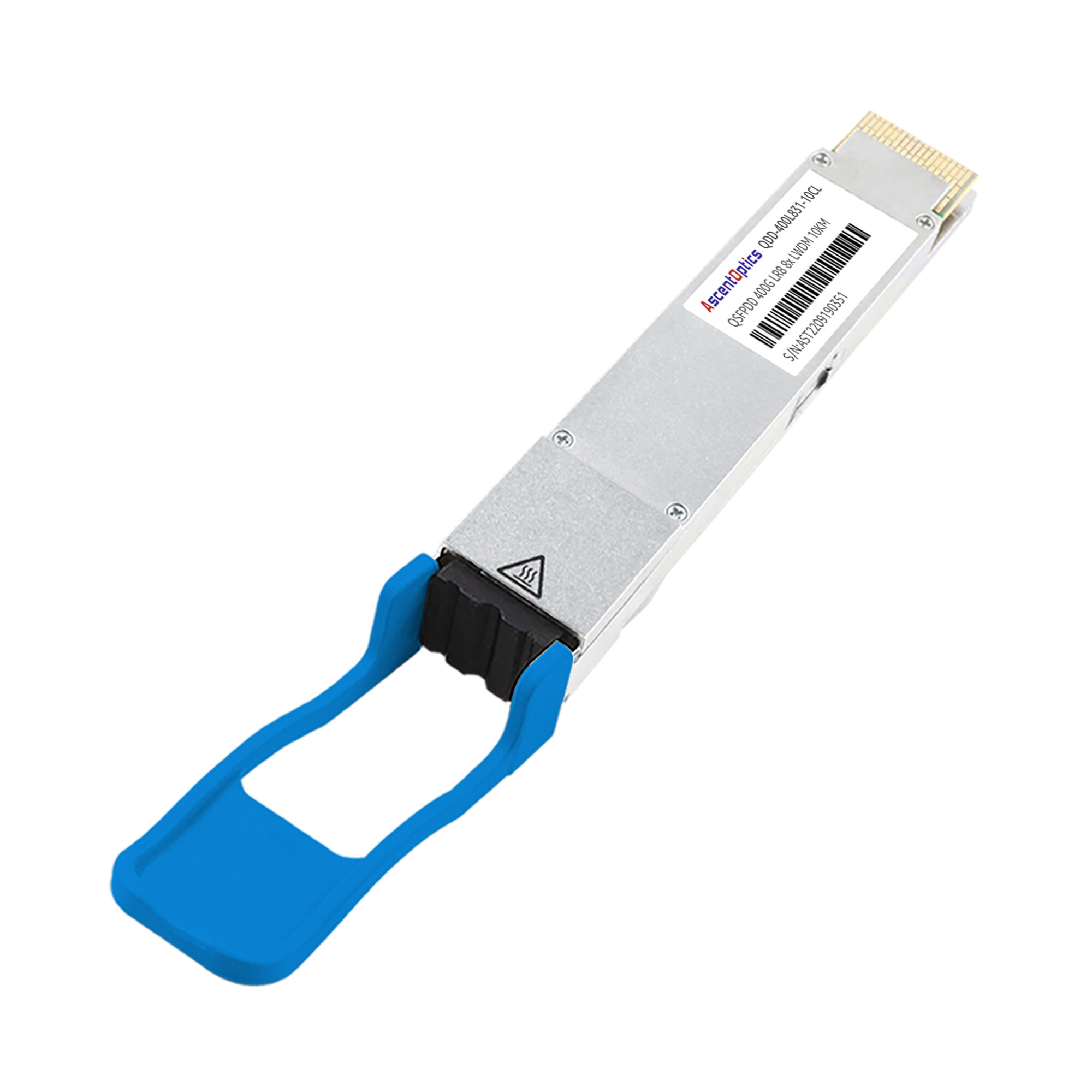
400G QSFP-DD LR4/LR8: 10km over single-mode fiber
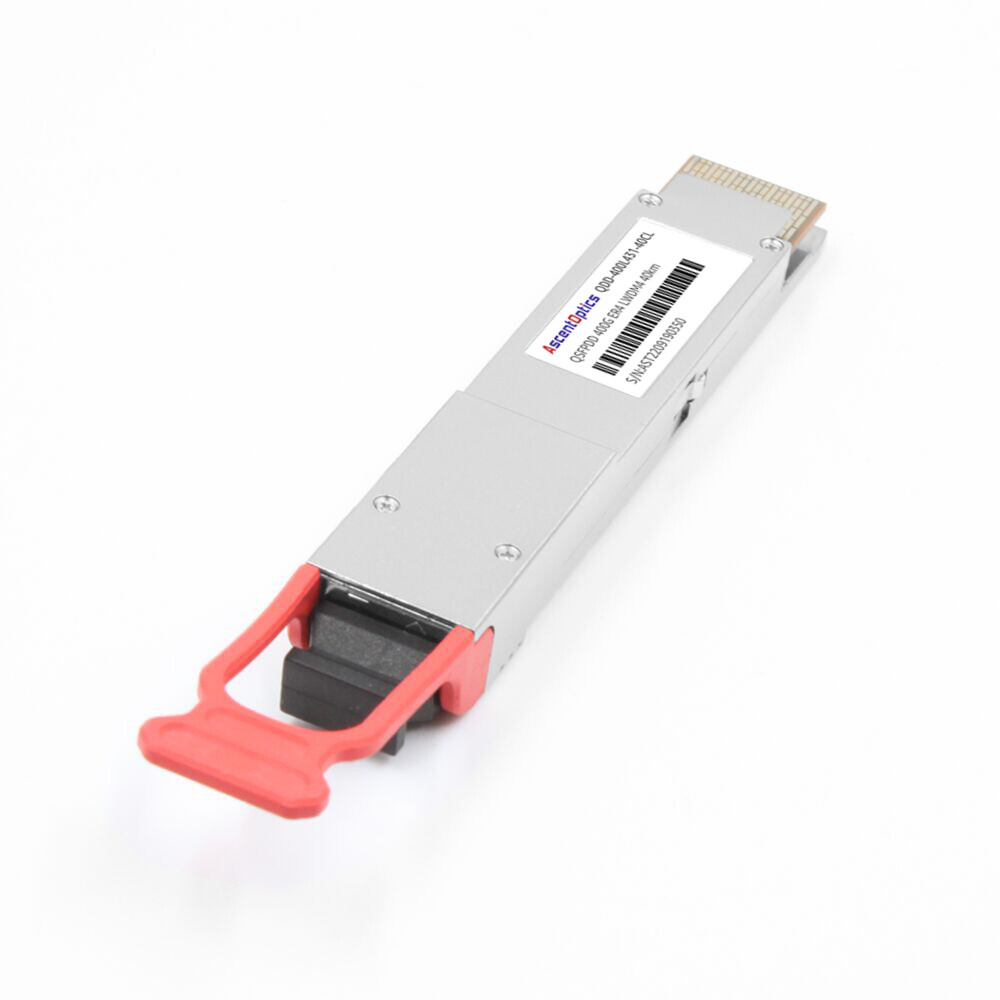
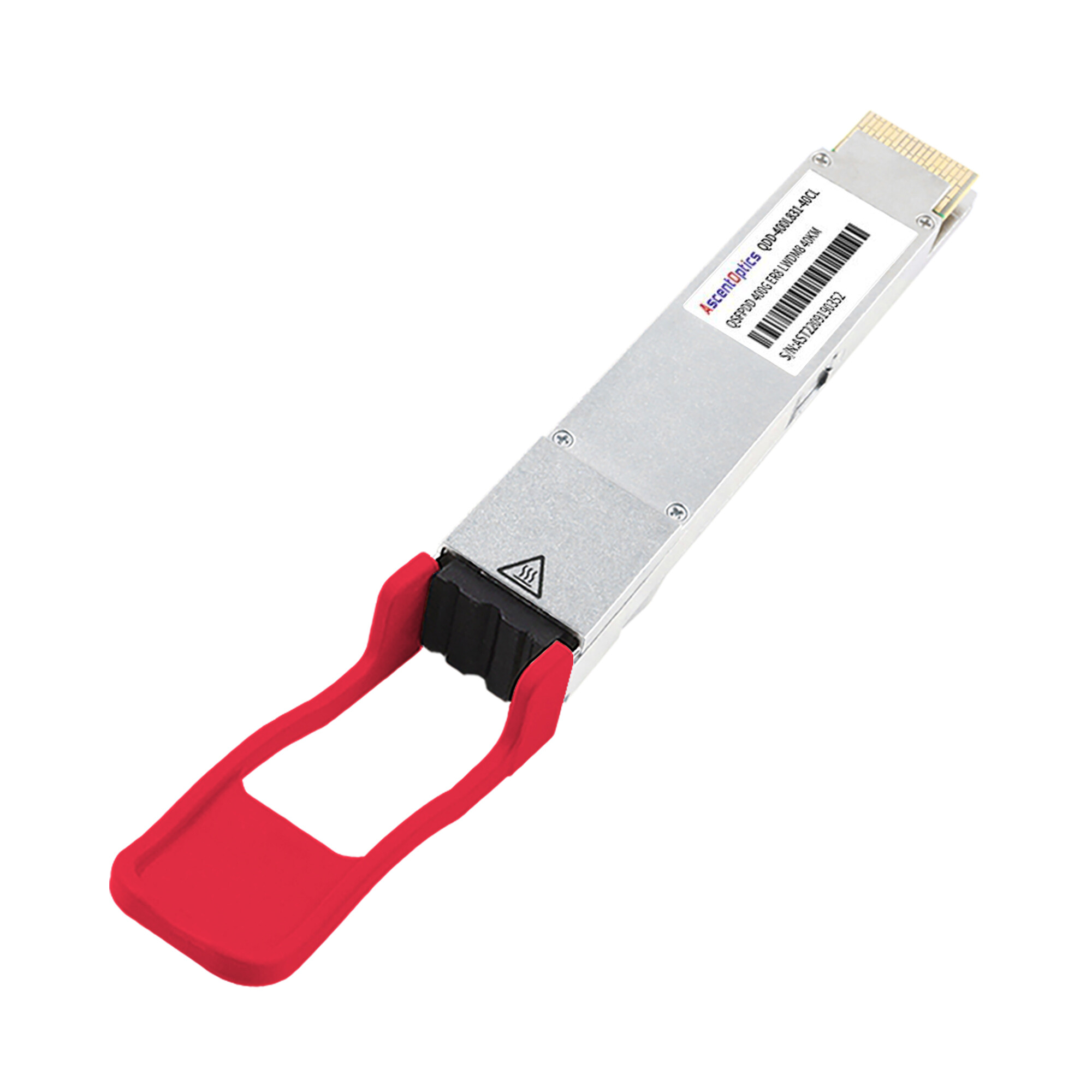
400G QSFP-DD ER4 / ZR: 40km to 80km long-haul applications
800G QSFP-DD: Next-generation modules for 800G-capable switches
Each module undergoes compatibility testing against Cisco, Arista, Juniper, HPE Aruba, Dell, and NVIDIA/Mellanox switch platforms. Custom firmware coding is available for specific switch part numbers.
Most large organizations have widely adopted QSFP-DD switches, known for their robust design to provide higher bandwidth without too much overhead and bustiness. Cisco, Arista, Mellanox/NVIDIA, HPE Aruba, and Juniper all deliver a comprehensive range of QSFP-DD switches, each with its strengths aimed at different deployment scenarios.
QSFP-DD switches have become the mainstream choice for high-bandwidth data center networks, offering a balance of performance, density, and backward compatibility.
Leading vendors—including Cisco, Arista, NVIDIA, HPE Aruba, and Juniper—provide a wide range of QSFP-DD platforms tailored to different deployment scenarios.
When planning your next upgrade, keep in mind:
•QSFP-DD ports are backward compatible with QSFP+, QSFP28, and QSFP56 modules, but legacy ports cannot accept QSFP-DD modules
•Power class alignment matters: Verify that your switch ports can supply the wattage required by your optics
•Firmware and CMIS version mismatches are a leading cause of 400G link failures
•Breakout cable support varies by vendor and switch model: Test configurations in a lab before production
•Third-party compatible optics can significantly reduce deployment costs while maintaining MSA compliance
By carefully selecting QSFP-DD compatible switches, you can build a scalable and future-ready optical network while protecting your existing infrastructure investment.
Frequently Asked Questions (FAQs)
1. What exactly is a QSFP-DD compliant switch?
The principal type of switch that has been configured to support QSFP-DD transceivers is the QSFP-DD (Quad Small Form-factor Pluggable Double Density) compliant switch. These QSFP-DD connection ports subject QSFP-DD modules to a variety of high speeds, which is like having nothing out of the ordinary of a data rate (up to 400Gbps) that is desired for use in data centers, cloud computing, and enterprise networks. The doubling in the “doubles density” also doubles the lane number as well when compared to ordinary QSFP modules, issuing higher lane number with various new spectrums of bandwidth within the same physical shape.
2. How Does QSFP-DD Boost Network Performance Specifically?
Improvement in network performance with QSFP-DD is achieved by accelerating the rate of data transmission and by higher port density. The switch enables the data transfer rate up to 400Gbps per port to reach a higher pace and reduce the time for data exchange in high-throughput applications. The QSFP-DD compatible switches retain backward compatibility with older QSFP module standards, ensuring easier docking with the network architecture already in place while expecting a demand for more bandwidth in the near future.
3. Is QSFP-DD Switch Backward Compatible with QSFP Modules?
Yes, with QSFP-DD standardized switches, you can squarely forecast backward compatibility with older QSFP, QSFP+, and QSFP28 modules. It will allow the network operator to use already deployed transceivers and cables, and the network operator can gradually move forward in technology as money becomes available. This way, cost savings prompt an easy shift to higher-speed networks while saving an old infrastructure.
4. Which Specific Applications Can Benefit Most from Having QSFP-DD-Compatible Switches?
For any instance, QSFP-DD compatible switches are good for apps with high bandwidth and low latency. These include data centers for hyperscale, cloud-based computing platforms, artificial intelligence (AI) operations and machine training for (ML), as well as 5G networks. Their mastery of massive data flows and support of advanced technologies make these switches critical to modern networking practices.
5. What should you consider when choosing a QSFP-DD compatible switch?
When having to pick a QSFP-DD compatible switch, some of the considerations include the number of ports, power consumption, cooling requirements, and compatibility with already existing network hardware. Understanding the scalability of the switch to manage it while facing future network needs should be there. And certainly, look for compliance with industry standards like the QSFP-DD MSA (Multi-Source Agreement) to ensure interoperate ability with various devices.