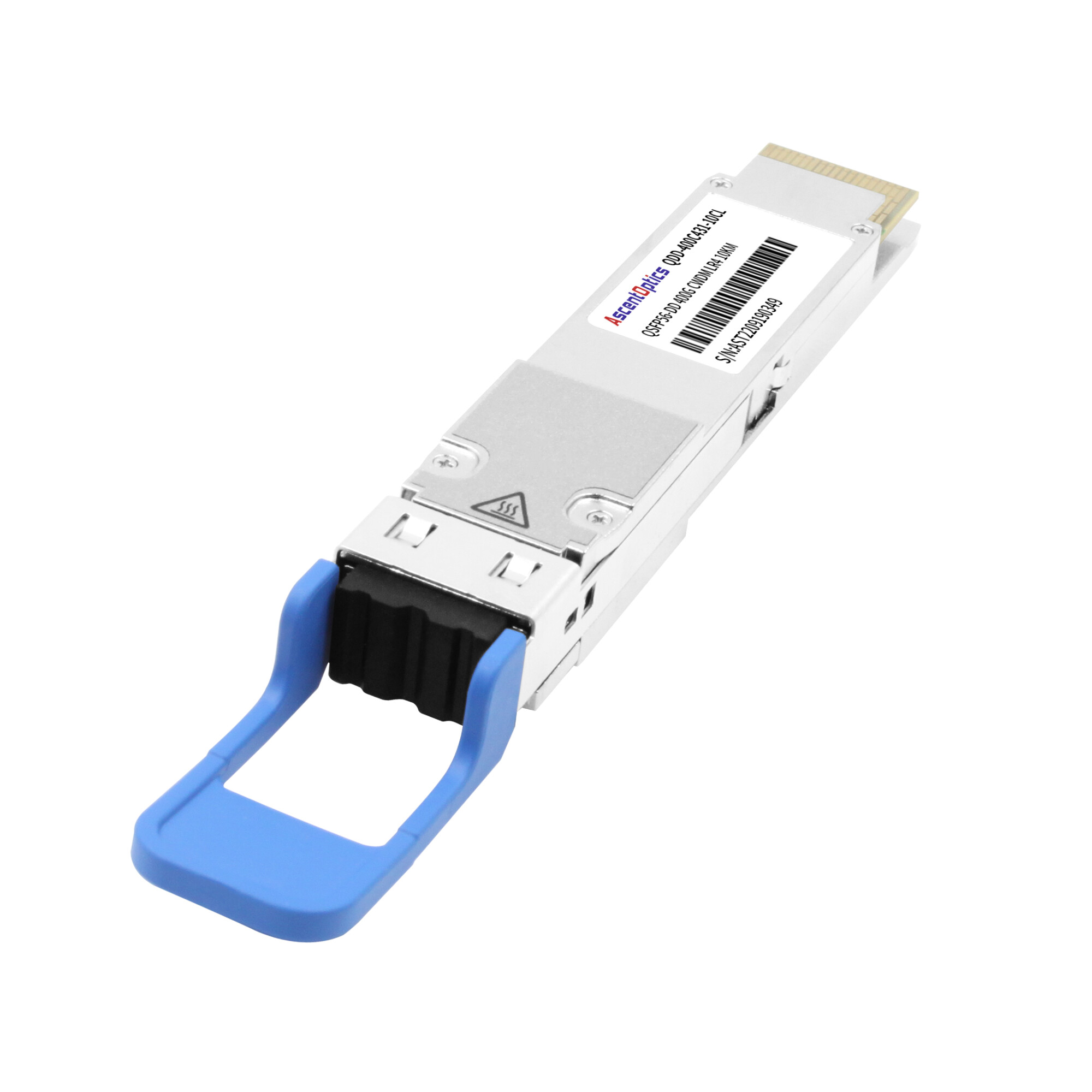
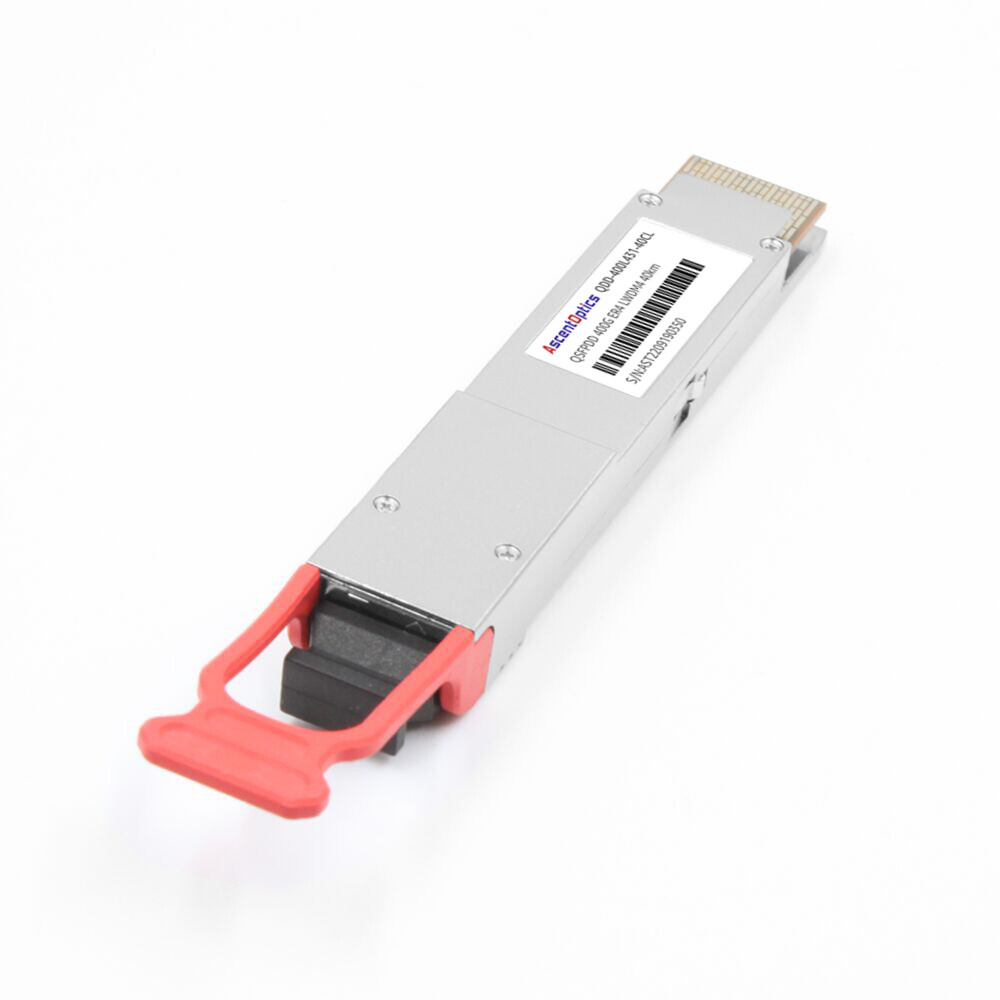
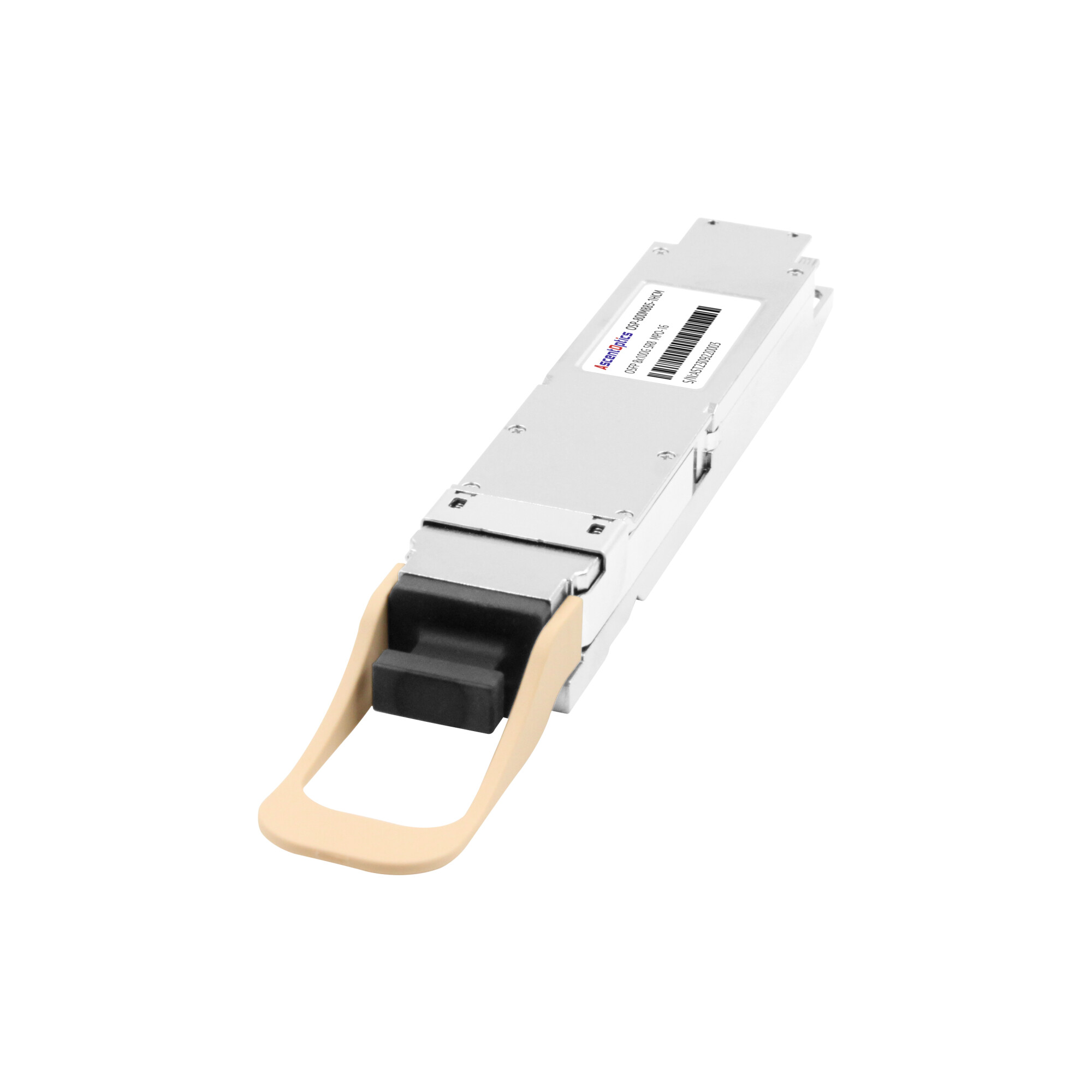
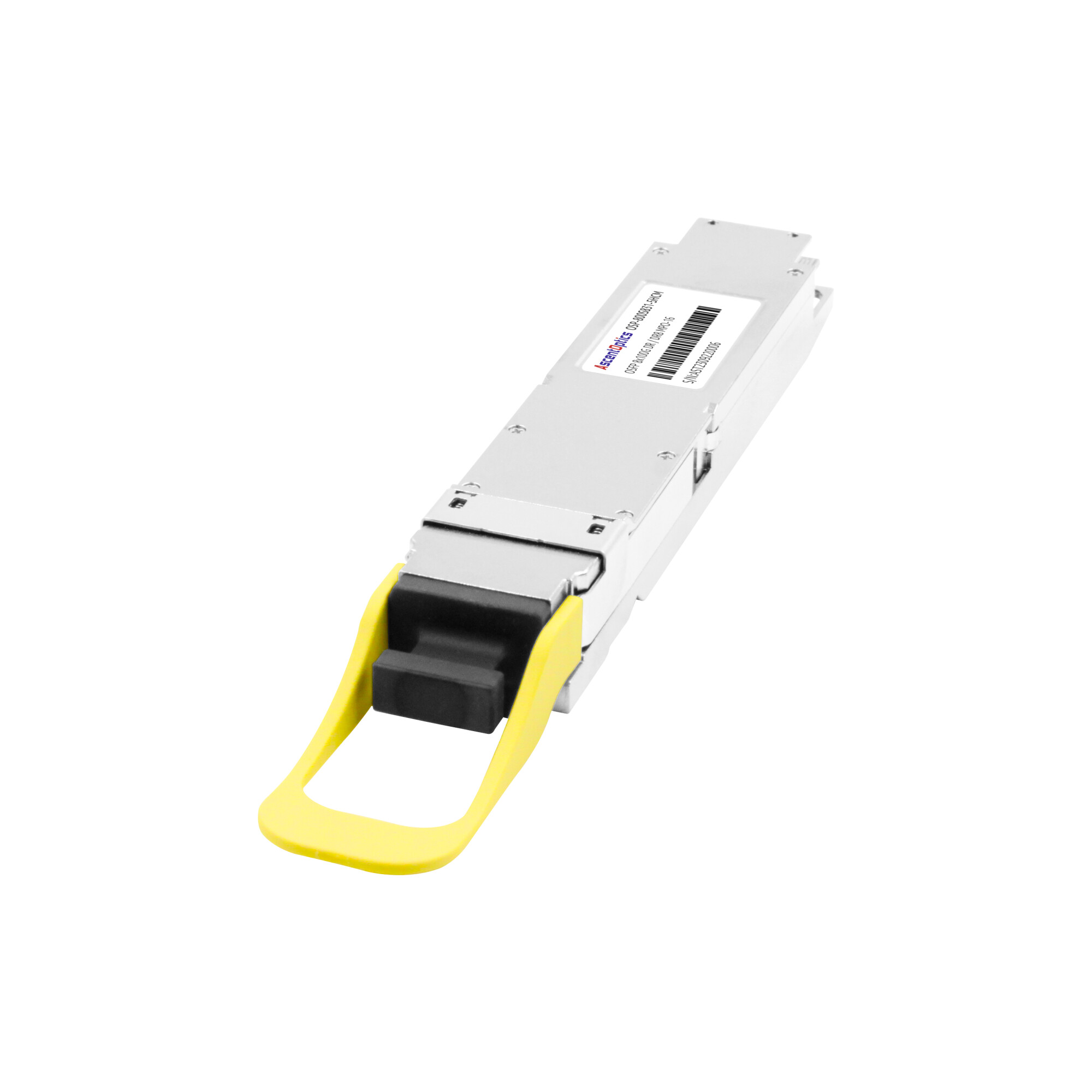
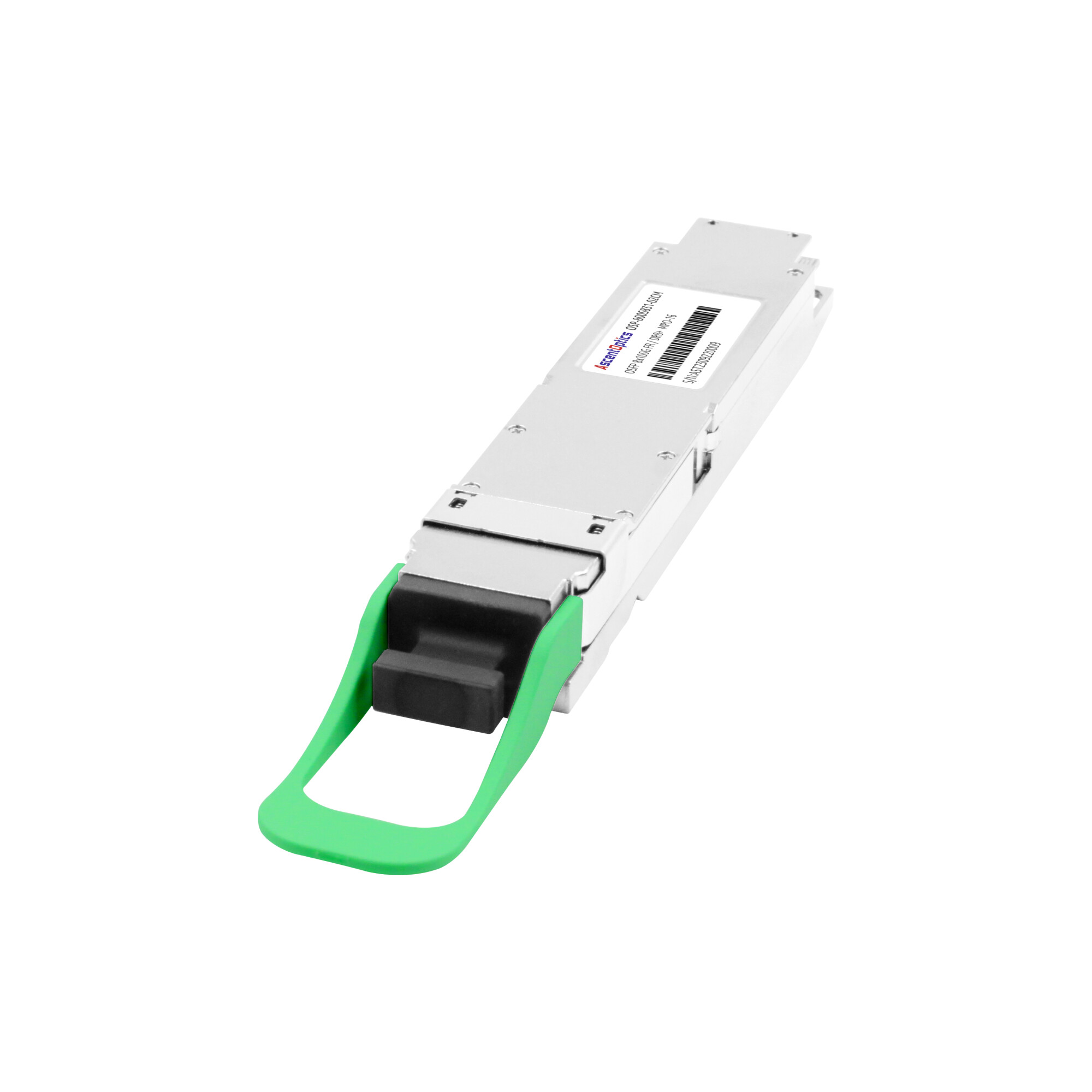
In 2025, 400G remains the dominant mainstream speed in data center networks, especially for standard cloud computing, enterprise-grade deployments, and mid-scale AI clusters. However, 800G is rising rapidly and has become the preferred choice for AI-driven hyperscale data centers and all new greenfield builds. It is expected to gradually surpass 400G between late 2025 and 2026.
Driven by the explosive growth of AI training clusters and cloud computing scale, data center network bandwidth is now firmly transitioning from 400G to 800G.
Six Factors Driving 400G as the Data Center Mainstream
For the vast majority of large-scale deployments — including cloud providers and hyperscalers — 400G remains the mainstream and most cost-effective solution for core networks and general-purpose data center fabric links (leaf-spine architecture).
Over the past few years, data center networking has rapidly progressed from 100G and 200G to 400G. Today, whether in traditional enterprise data centers, cloud computing platforms, or AI/HPC environments, 400G has completely replaced 100G as the most widely deployed and most mature speed with the richest ecosystem.
For the majority of enterprise and general-purpose cloud data centers, 400G remains the most widely adopted speed for the following key reasons:
First and foremost: the highest level of technology maturity.
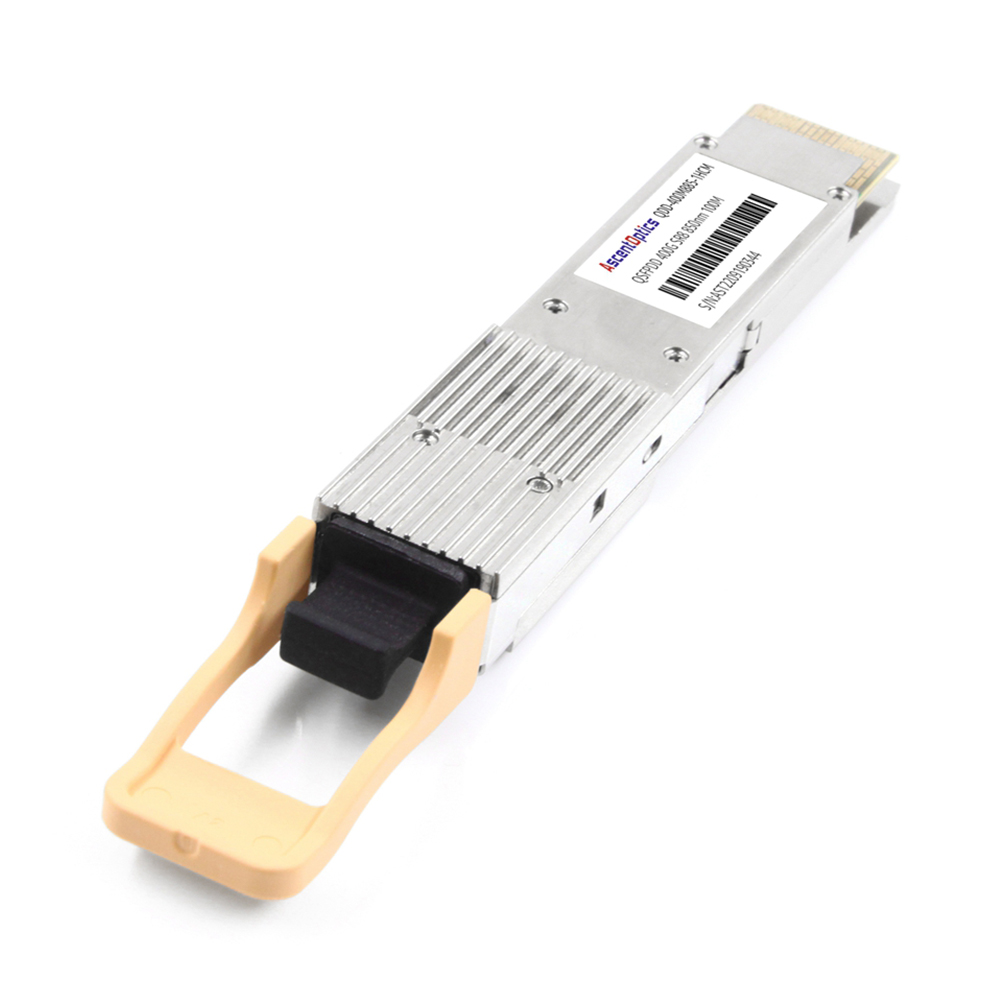
400G was the first generation of PAM4-based high-speed optical transceivers to achieve true mass production. Built on either 8×50G or 4×100G architectures, it has undergone nearly six years of continuous refinement and validation since 2019. Today, it boasts exceptional maturity across the board:
Highly stable DSP solutions
Extremely high-yield EML and DML lasers
Fully standardized optical interfaces (FR4, DR4, LR4, ZR, etc.)
Dozens of leading global manufacturers (including Cisco, Arista, Broadcom, Innolight, Coherent, and many others) can now deliver consistent, high-volume supply. Performance consistency, interoperability, and long-term reliability have all reached the highest industry standards. For risk-averse data center operators, 400G is currently the safest and most reliable choice.
Secondly, the cost-performance ratio is far ahead.
As the supply chain has fully matured, the cost per bit of 400G ($/Gbps) has dropped significantly for three consecutive years—now even lower than 100G in its peak adoption phase. Improvements in laser efficiency, DSP pricing, packaging yield, economies of scale, and fierce competition among QSFP-DD/OSFP vendors have jointly pushed prices down. Many operators now find that the total cost of ownership (TCO) for building with 400G is lower than sticking with 100G, directly driving a massive wave of upgrades.
Third, the ecosystem is the most complete and deployment is the easiest.
400G has the industry’s most comprehensive ecosystem: multiple form factors (QSFP-DD, OSFP, QSFP112), full module types (SR8/DR4/FR4/LR4/ZR/ZR+), and abundant cabling options (DAC, AOC, MPO patch cords). Nearly all mainstream switches and NICs—Cisco, Arista, Juniper, Huawei, NVIDIA, Dell, HPE, and more—support it natively. Operations teams face almost zero learning curve; it simply works out of the box, which greatly accelerates adoption.
Fourth, data center traffic is growing explosively.
AI model training, cloud services, 8K video, AR/VR, and digital transformation are driving east-west traffic growth of over 50% annually. As a result, 100G/200G rapidly become bottlenecks. With 4× the bandwidth, lower latency, fewer links, and simpler cabling, 400G delivers the optimal balance of performance, density, and cost within the classic spine–leaf architecture.
Fifth, the upgrade path is the smoothest and clearest.
400G is the industry’s “pivot speed”: existing 100G fiber infrastructure can be reused; current 400G switches and cabling can be smoothly upgraded to 800G and eventually 1.6T with minimal changes. Even large-scale AI clusters typically adopt a phased approach—deploy 400G as the backbone and add 800G selectively. Choosing 400G avoids dead-end technology paths entirely.
Lastly, 400G offers the broadest range of application scenarios.
Whether it is enterprise data centers, cloud providers, AI training clusters, CDNs, ISP backbones, DCI interconnects, or metro DWDM transport, 400G fits all of them. The wider the application scope, the larger the shipment volume, the faster the cost drops—creating a powerful positive cycle.
For all these reasons, 400G has become the most mainstream, balanced, and cost-optimized speed choice for data centers in 2025.
How to Choose the Right Transceivers, Cables, and Accessories?
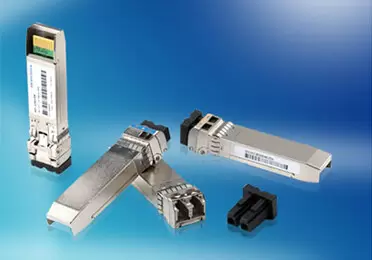
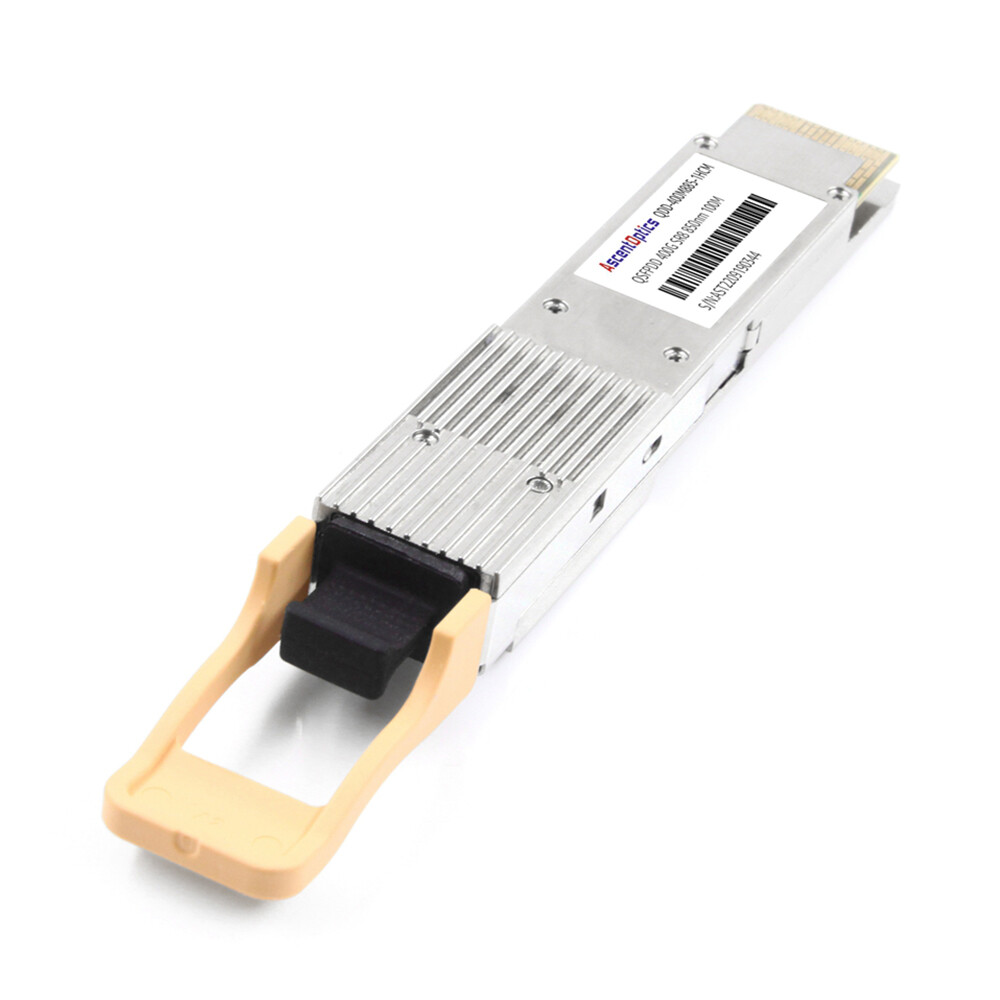
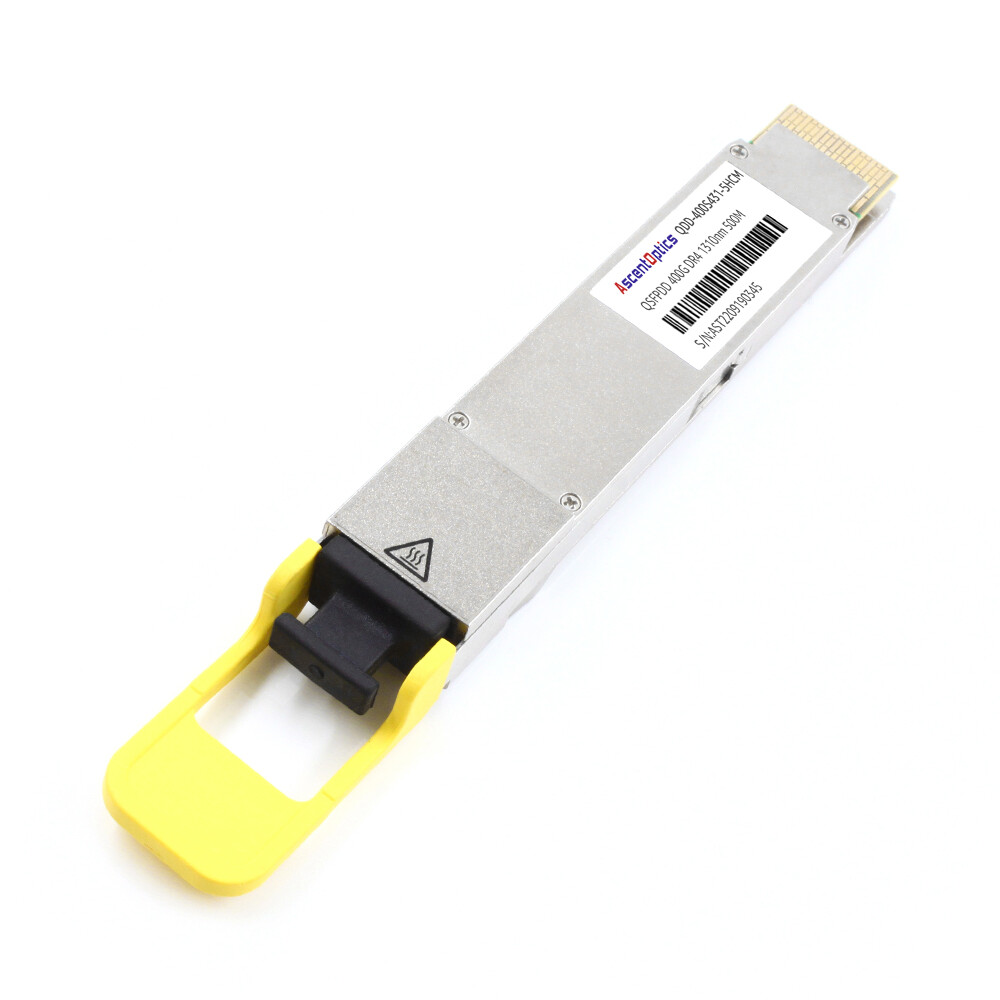
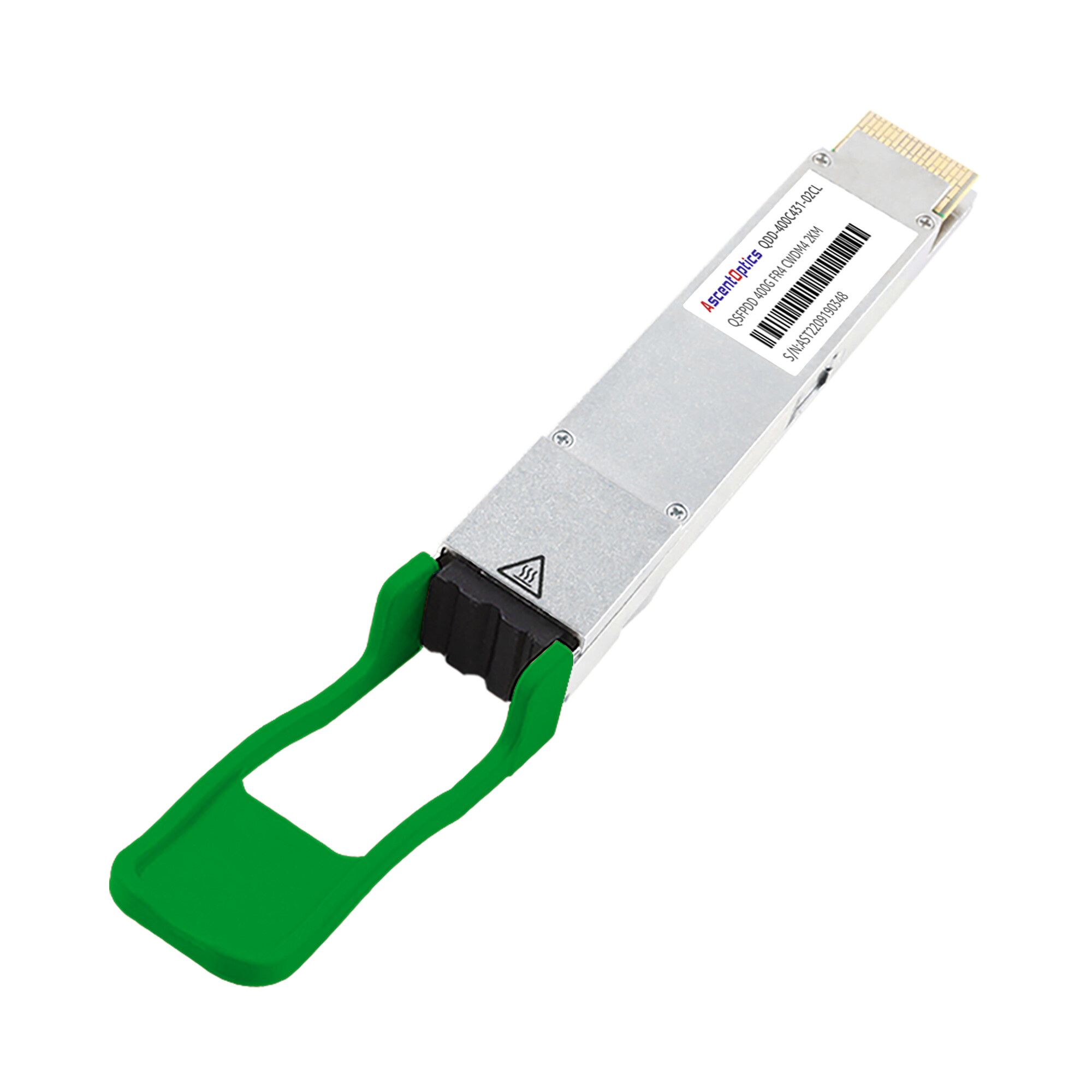
With the explosion of AI workloads (such as NVIDIA DGX H100/H200 clusters and large language model training), data center networks are accelerating the migration to 400G and 800G. Transceivers (e.g., QSFP-DD/OSFP modules), cables (e.g., DAC/AOC and optical fiber), and accessories (e.g., adapters, cleaning tools) form the core components for building high-efficiency leaf-spine fabrics.
1. Selecting Transceivers: Match Speed, Reach, and Hardware
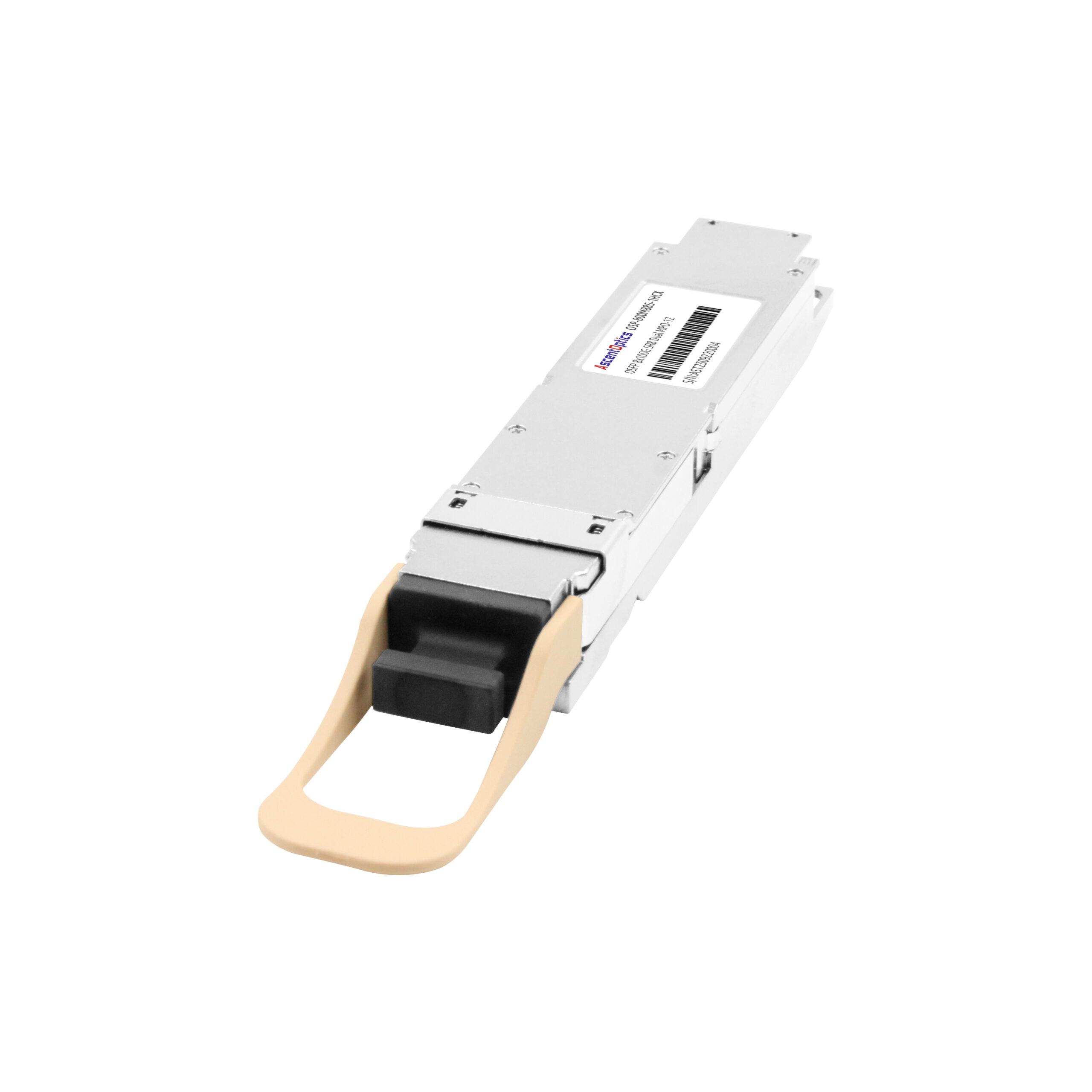
Speed & Modulation
400G (8×50G PAM4): ideal for mid-scale Pods
800G (8×100G PAM4): targeted at hyperscale AI clusters, reducing required ports by ~30%
Form Factor
QSFP-DD: highest density, backward compatible with 400G/200G/100G
OSFP: superior thermal design, preferred for hot 800G modules (>15 W)
Reach & Type
SR8/DR8: short reach <500 m (multimode or single-mode)
FR4/LR4: medium/long reach 2–10 km
ER8: extended reach >10 km
Power & Compatibility
In AI environments, prioritize low power consumption (<15 W per module) and immersion-cooling compatibility; verify DDM (Digital Diagnostic Monitoring) for real-time temperature/power monitoring
Protocol
Ethernet (IEEE 802.3) or InfiniBand (NDR 800G)
Recommended Choices:
Mid-scale AI Pods: 400G QSFP-DD DR4 (up to 500 m, fully compatible with NVIDIA Spectrum switches)
Hyperscale clusters: 800G OSFP SR8 (<100 m, optimal for GPU-to-GPU synchronization)
During migration/transition periods: QSFP-DD (backward compatible with legacy QSFP28/QSFP56 ports)
2. Selecting Cables: Balancing Density, Reach, and Cost
Cables connect transceivers and must match fiber type and polarity. With AI workloads dominated by east-west traffic, high-density MTP/MPO cabling is prioritized to simplify deployment.
Key Factors:
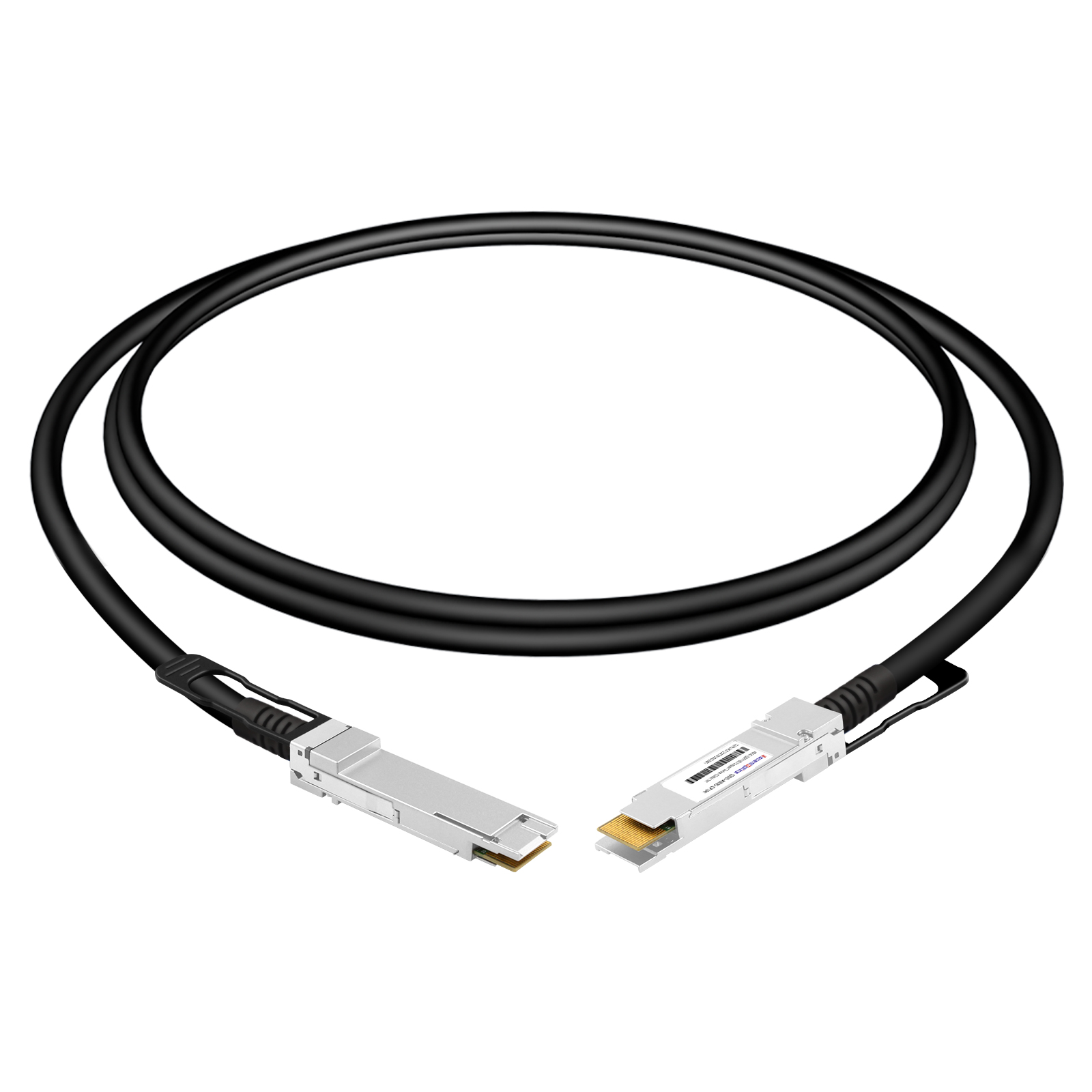
Type
DAC (copper): short reach <5 m, lowest cost
AOC (active optical): medium reach <100 m
Structured fiber trunk (MTP/MPO): long reach >100 m, highly scalable
Fiber Type
OM4/OM5 multimode: short reach
OS2 single-mode: long reach
Parallel optics (MPO-12/16) or duplex (LC)
Density & Polarity
MTP-8/12 trunks for 400G/800G upgrades; always ensure correct A-B polarity to avoid signal loss
Environment & Compliance
Sealed/armored cables for immersion cooling; TAA/NDAA-compliant cables for government projects
Recommended Choices:
Intra-rack: DAC or AOC (QSFP-DD to OSFP breakout/hybrid cables — saves up to 40% in migration cost)
Inter-rack: MTP/MPO trunks (OM4, <100 m, supports 400G → 800G breakout)
Long-reach DCI: OS2 single-mode FR4 cables (2 km and beyond)
Comparison Table: 400G vs. 800G Component Selection
| Component Type |
400G Recommendation (Medium-Scale Deployment) |
800G Recommendation (AI Hyperscale) |
Selection Tips |
| Transceivers |
QSFP-DD DR4/LR4 (<2 km, 12–15 W) |
OSFP SR8/DR8 (<500 m, 15–20 W) |
Match the switch port; prioritize OSFP for better thermal performance |
| Cables |
MPO-12 DAC/AOC (<5 m); OM4 trunk |
MPO-16 AOC (<100 m); OS2 FR4 |
DAC for short distance cost savings; use fiber for longer reach |
| Accessories |
LC–MTP breakout; cleaning kits |
OSFP-to-QSFP adapters; immersion-sealed panels |
Ensure A–B polarity; enable DOM monitoring |
| Typical Scenarios |
Leaf-layer backbone, DCI interconnects |
Spine aggregation, GPU cluster synchronization |
Choose 800G if AI traffic grows >30% annually |
| Cost / TCO |
Low (cost per bit < $1), easy to upgrade |
Medium (20% cost reduction), high density |
Gradual upgrades reduce forklift costs by ~40% |
3. Selecting Accessories: Ensuring Reliability and Maintainability
Accessories support installation and ongoing monitoring — overlooking them can increase failure rates by over 10%.
Key Factors:
Full compatibility with form factors
Support for hot-pluggable operation
Built-in cleaning and testing capabilities
Recommended Choices:
Adapters: QSFP-DD to OSFP hybrid adapters (ideal for phased upgrades)
Cleaning tools: MTP one-click cleaners or cleaning cassettes (prevents dust-induced BER > 10⁻¹²)
Panels & Cassettes: FHX high-density fiber enclosures (support 12× MTP-8 cassettes, reducing installation time by up to 40%)
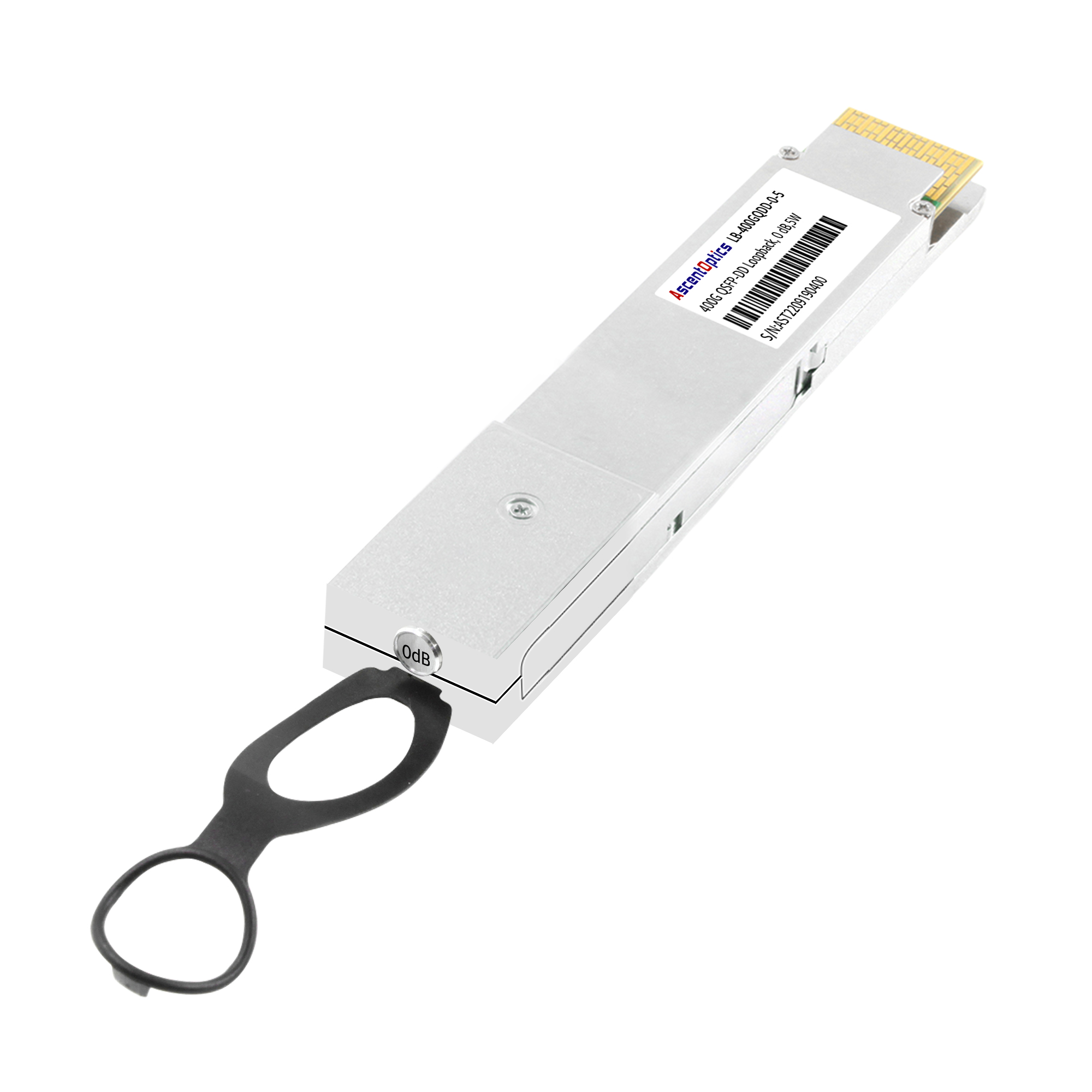
Monitoring & Testing: Loopback plugs and DOM-enabled testers for real-time diagnostics
Summary
The core logic for selecting optical transceivers and cabling can be distilled into one sentence:
First determine speed and reach → then match the form factor → then choose fiber type and associated accessories → finally verify vendor interoperability and compatibility. Following this workflow not only guarantees stable link operation and minimizes overall TCO, but also lays a solid, future-proof foundation for seamless migration to 800G and 1.6T in the years ahead.
In 2025, 400G remains the most reliable and cost-effective mainstream choice, while 800G is rapidly emerging as the new standard for AI-driven data centers. Regardless of your current deployment stage, planning ahead for form-factor compatibility, cabling scalability, and interoperability ensures a stable network today and a smooth upgrade path tomorrow. Choosing the right components is the key to building a future-ready infrastructure.
Post Views: 10,951