400G Optical Transceivers: Powering the Next Generation of Data Center Networks
February 11, 2026
Driven by the rise of AI and cloud computing, network traffic is outgrowing the capacity of traditional 100G/200G systems. 400G optical modules are now the essential building blocks for modern data centers, providing the high bandwidth and scalability needed to meet today’s demands.
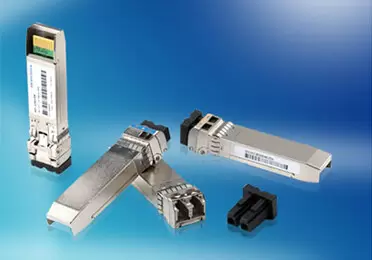
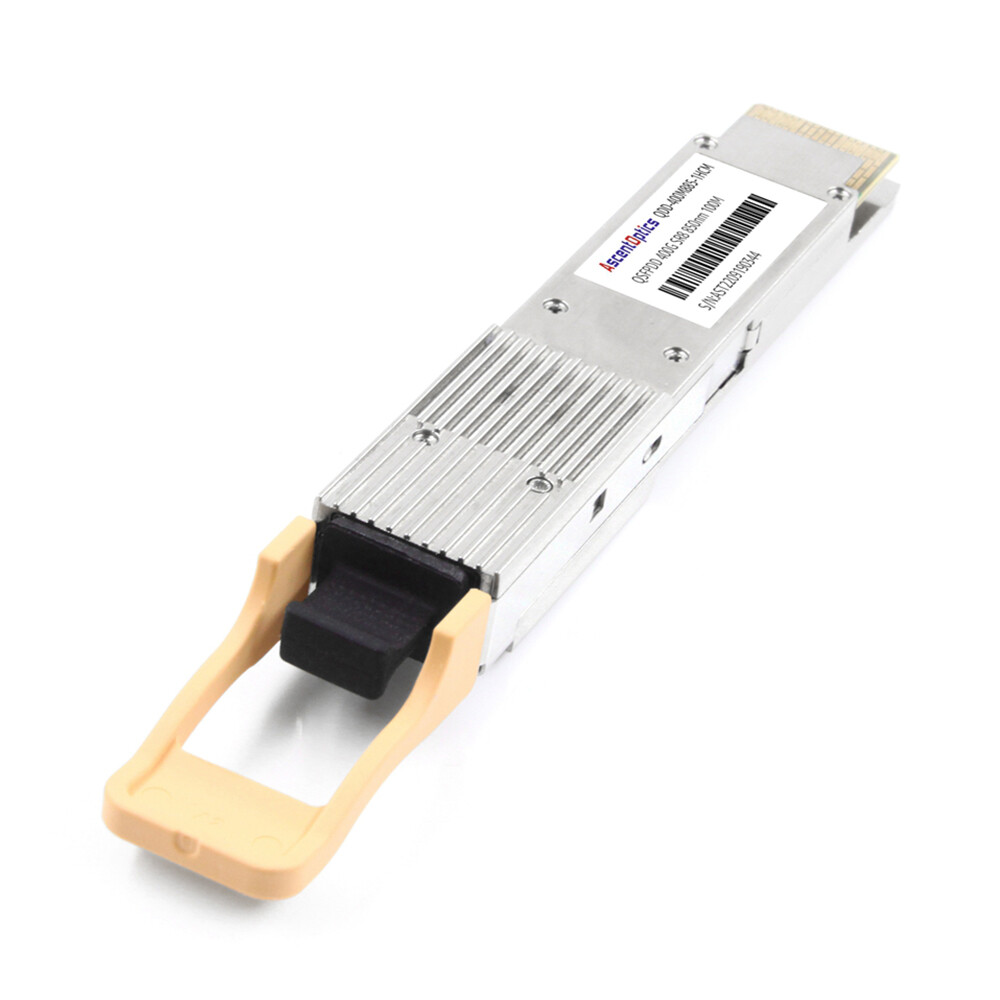
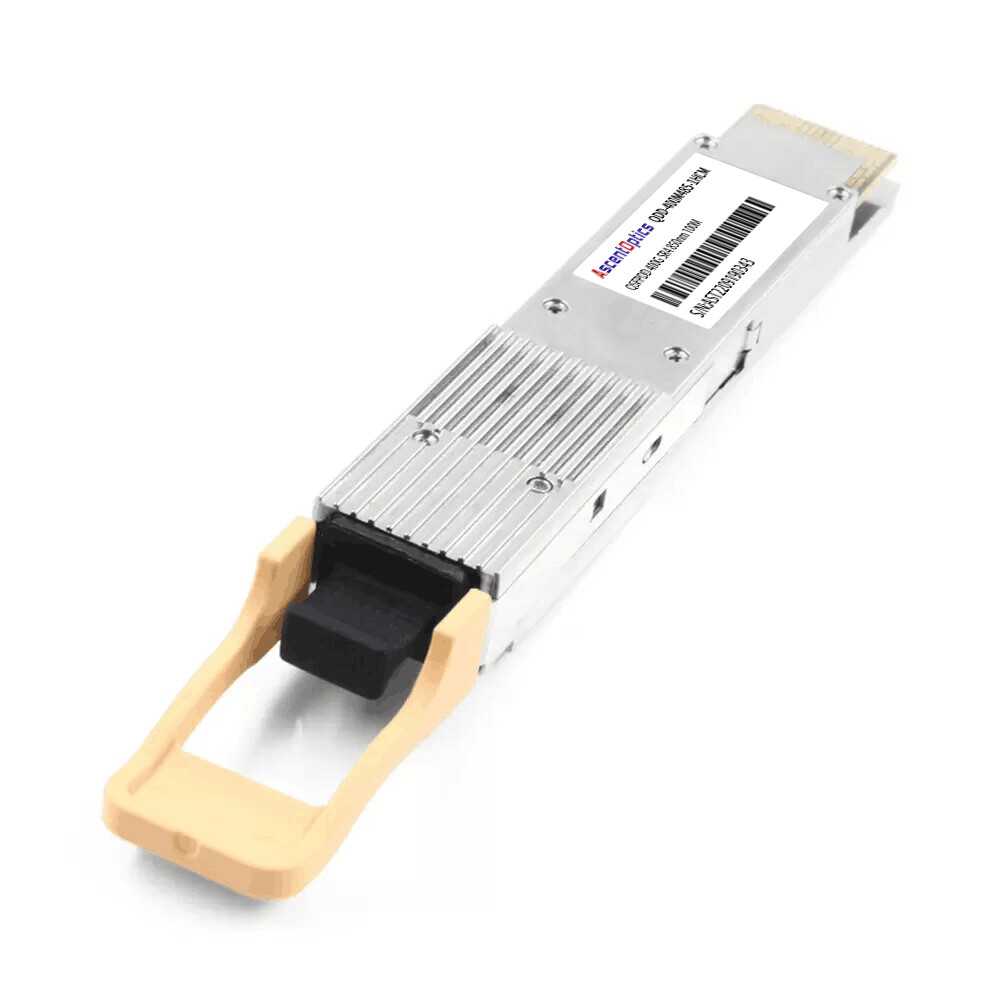
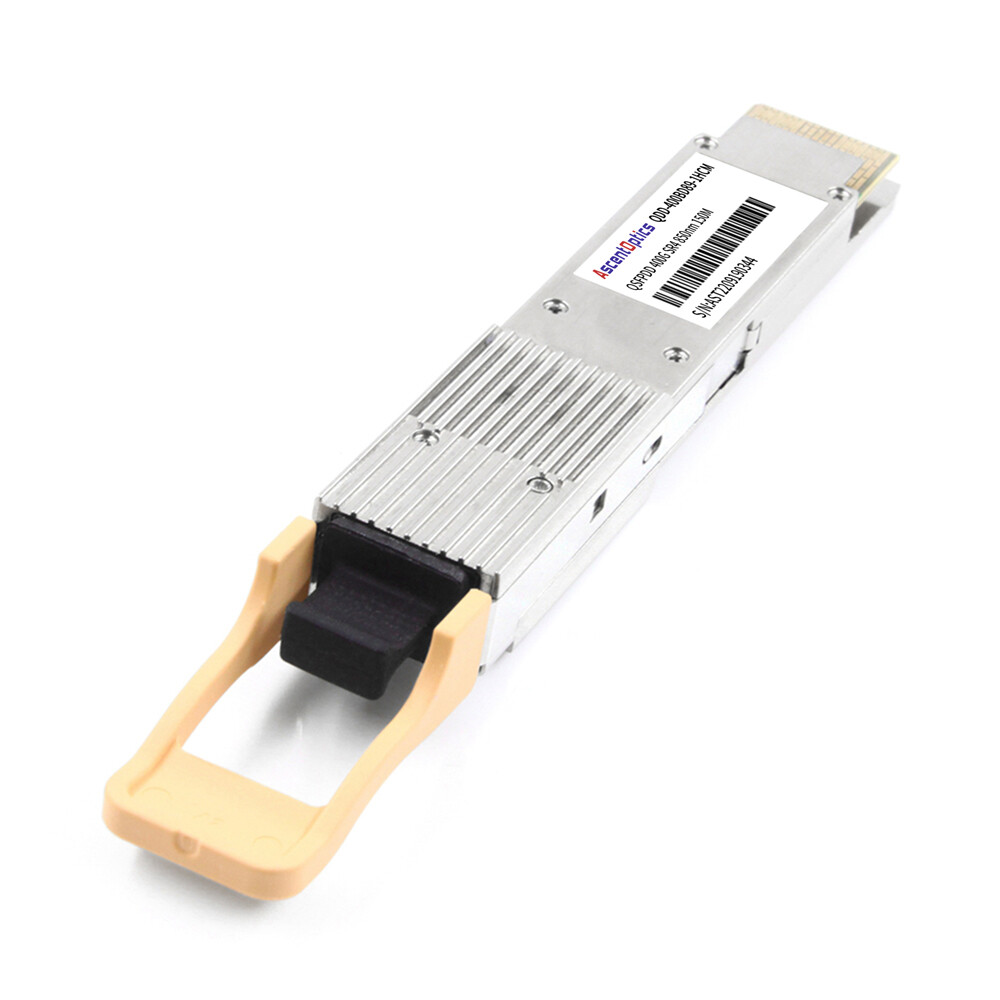
A 400G optical module is a transceiver designed for 400Gbps total throughput. It converts electrical signals to optical signals (and vice versa) to facilitate data transmission between network devices—such as switches and routers—and fiber optic links.
Form Factors and Architecture: Typically utilizing QSFP-DD or OSFP packaging, these modules achieve high-speed transmission via 8×50G PAM4 or 4×100G PAM4 electrical interfaces. This design significantly boosts bandwidth density within limited port spaces.
Key Technologies:
PAM4 Modulation: Unlike traditional NRZ, PAM4 carries 2 bits per symbol, significantly increasing data rates without drastically expanding bandwidth requirements.
DSP & FEC: Digital Signal Processing and Forward Error Correction are utilized to enhance signal integrity and link reliability during high-speed transmission.
Diverse Optical Architectures: Depending on distance and application, 400G modules employ various designs, such as parallel optics or Wavelength Division Multiplexing (WDM).
Power & Thermal Management: As higher speeds increase power consumption, optimizing thermal design and energy efficiency has become a critical priority in module development.
400G Optical Modules: Key Types and Applications
To meet diverse network architectures and transmission requirements, 400G optical modules feature highly differentiated optical designs and application profiles. Mainstream types—including DR4, FR4 / LR4, and ZR / ZR+—are specifically optimized for intra-data center, metro-level, and long-haul Data Center Interconnect (DCI) scenarios.
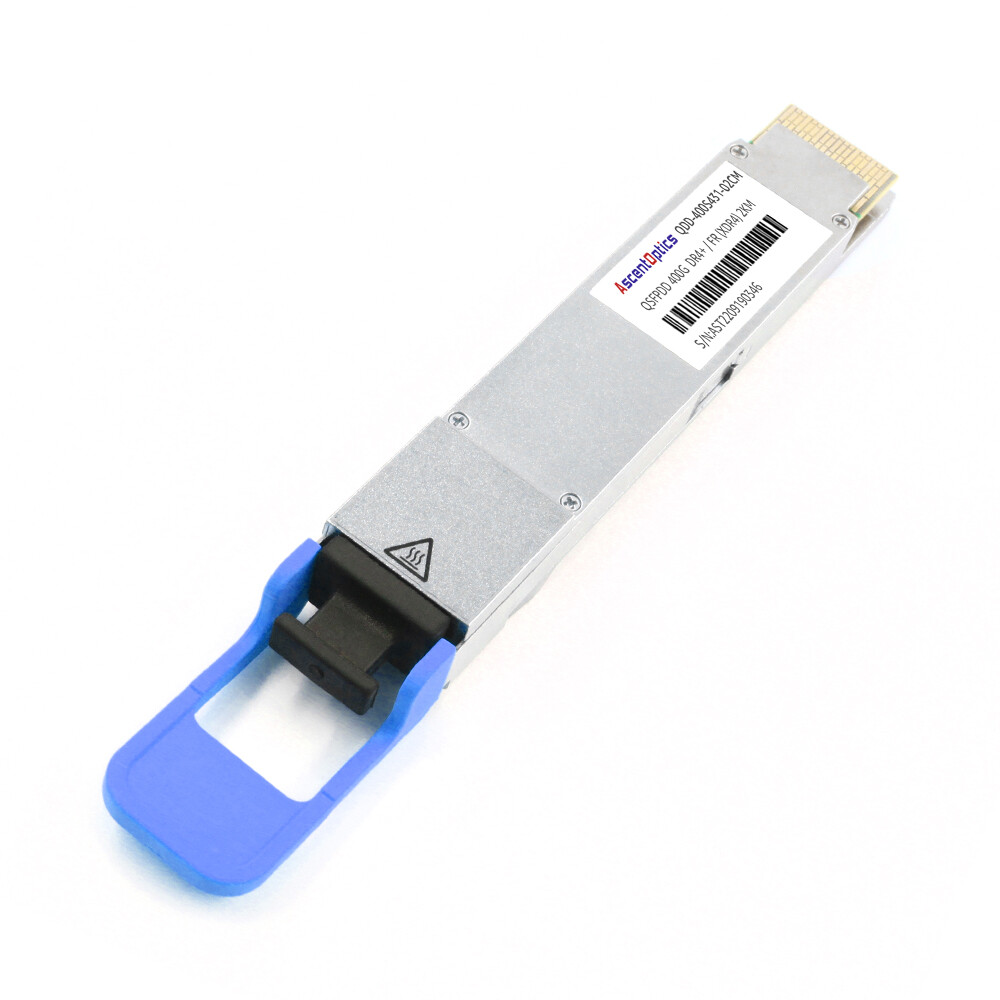
400G DR4: High-Speed Intra-Data Center Interconnects
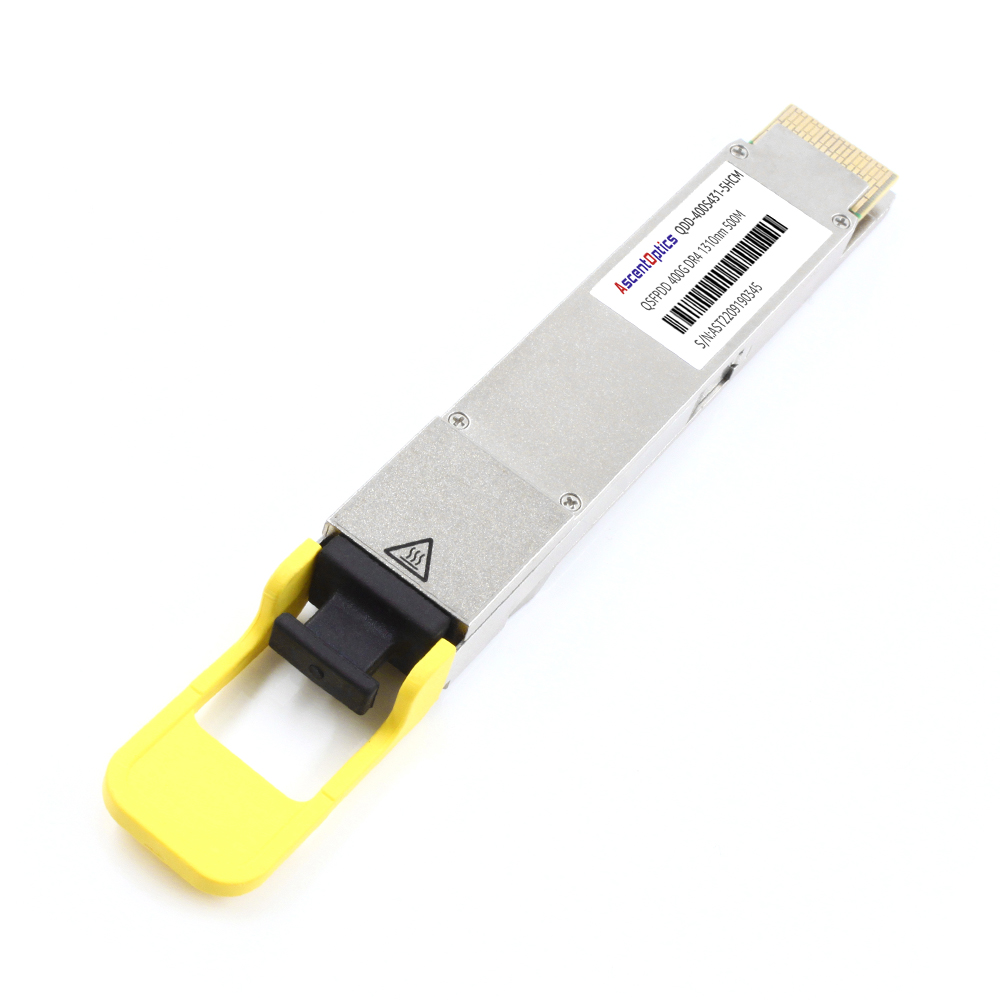
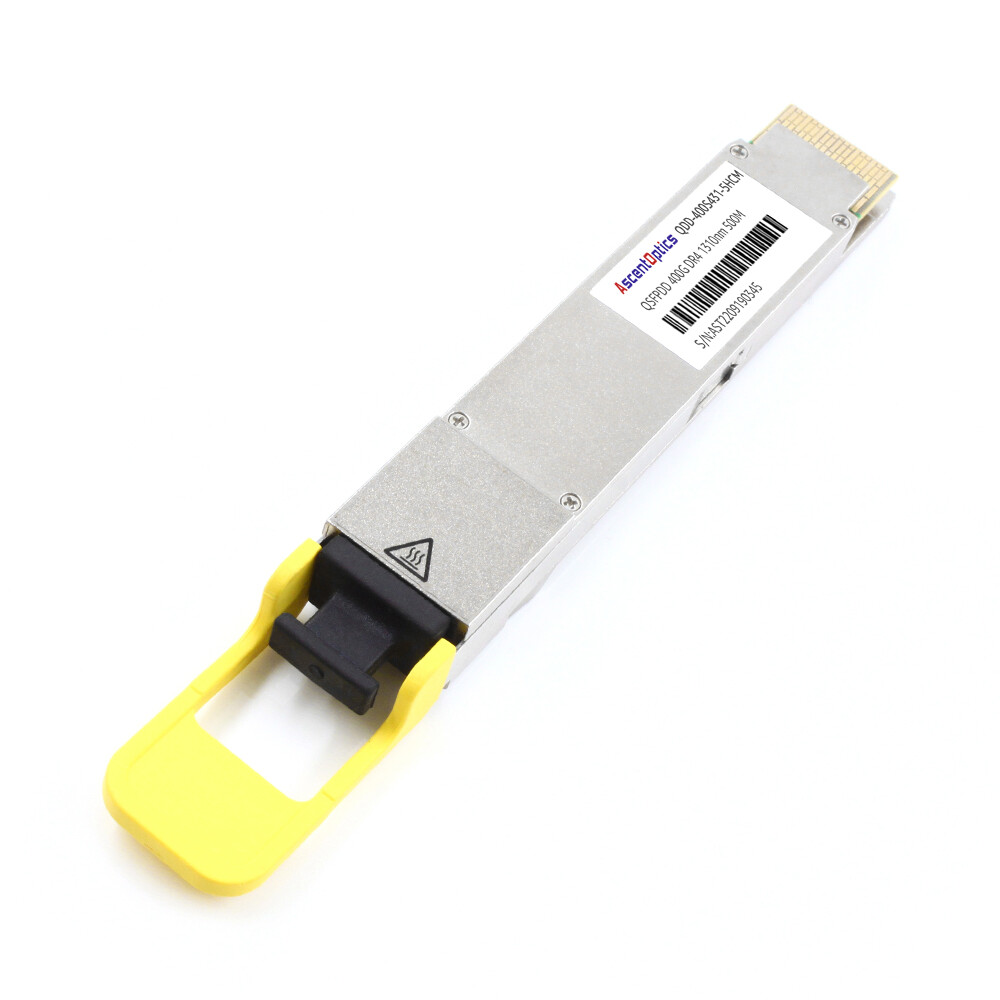
The 400G DR4 module is designed for high-speed, short-reach connections within data centers, typically covering distances up to 500 meters over single-mode fiber (SMF).
Key Specifications & Architecture
Architecture: Utilizes a 4-lane parallel single-mode design.
Interface: Uses an 8-fiber MPO connector (4 lanes for transmitting and 4 for receiving).
Core Strengths: Features a simplified internal structure, low power consumption, and minimal latency.
400G QSFP-DD DR4
Ideal Applications
Because it avoids the complexity of Wavelength Division Multiplexing (WDM) or coherent technology, it is the preferred choice for:
Leaf-Spine Architectures: Facilitating high-bandwidth links between servers and switches, or between switches.
Hyperscale Data Centers: Cost-effective scaling for massive internal traffic.
AI Computing Clusters: Providing the low-latency throughput required for intensive GPU-to-GPU communication.
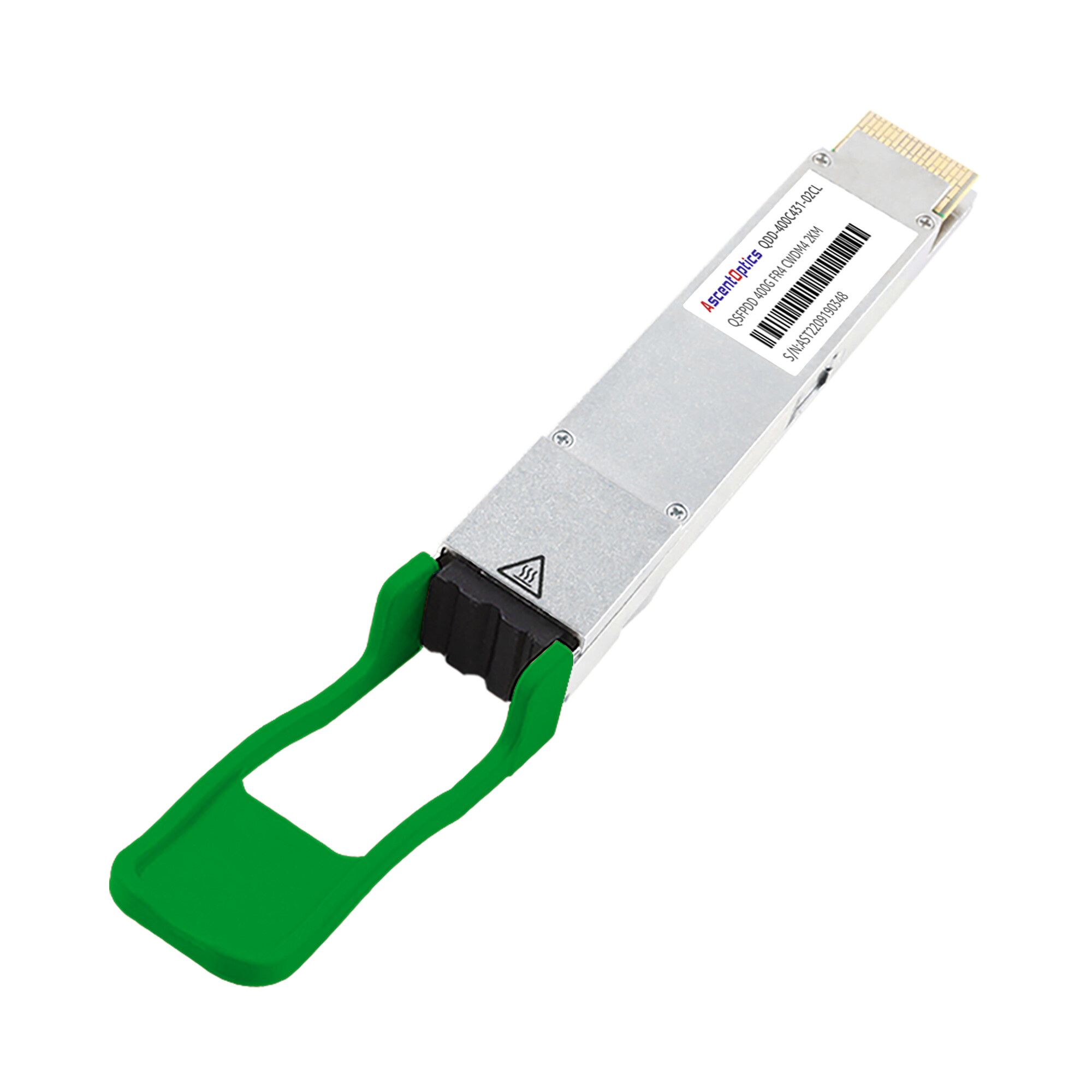
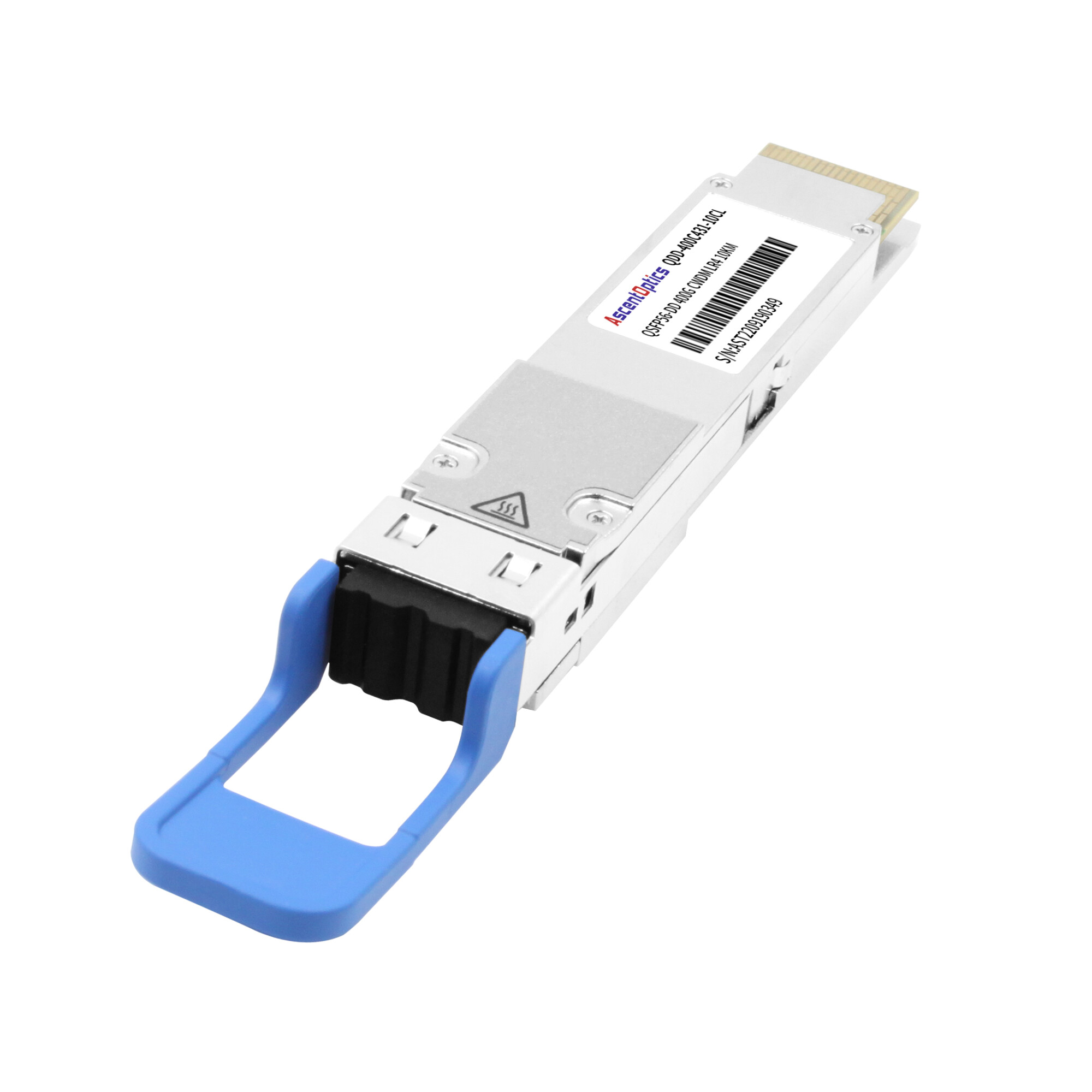
400G FR4 & LR4: Medium-Reach Connectivity
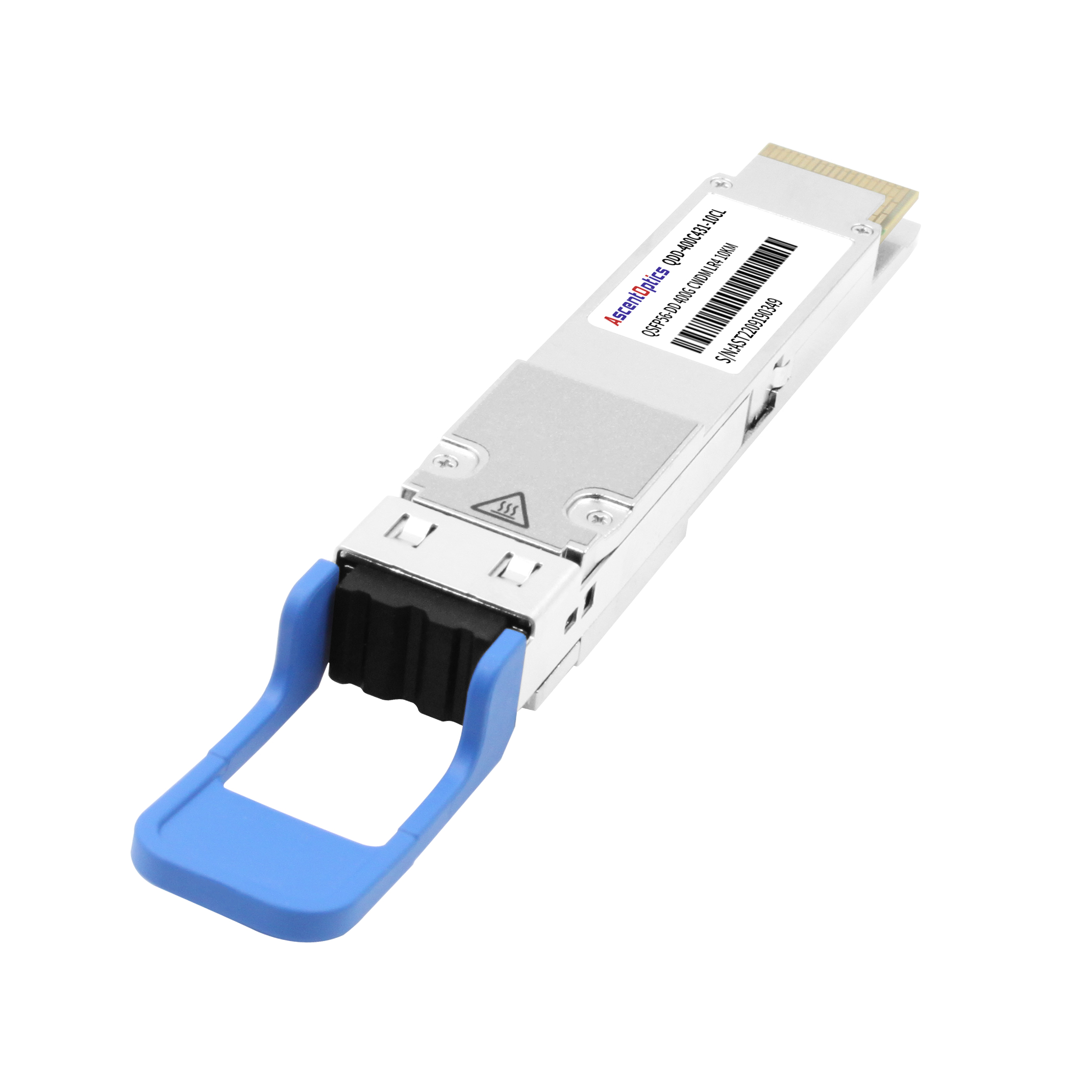
400G FR4 and 400G LR4 modules are optimized for medium-distance transmission, typically covering 2 km to 10 km over single-mode fiber (SMF).
400G QSFP-DD LR4
Key Technology: CWDM
Unlike the parallel design of DR4, these modules utilize CWDM (Coarse Wavelength Division Multiplexing). This technology enables multi-wavelength transmission over a single pair of fibers, significantly saving fiber resources and simplifying complex cabling.
Primary Application Scenarios
These modules are the preferred choice for environments where fiber efficiency is critical:
Campus-Level DCI: High-speed links between buildings within a campus.
Intra-city & Metro DCI: Interconnecting data centers across a metropolitan area.
Strategic Trade-offs
Advantage: Offers much higher deployment flexibility for varied distances compared to DR4.
Consideration: Comes with higher power consumption and cost due to the complexity of the optical multiplexing components.
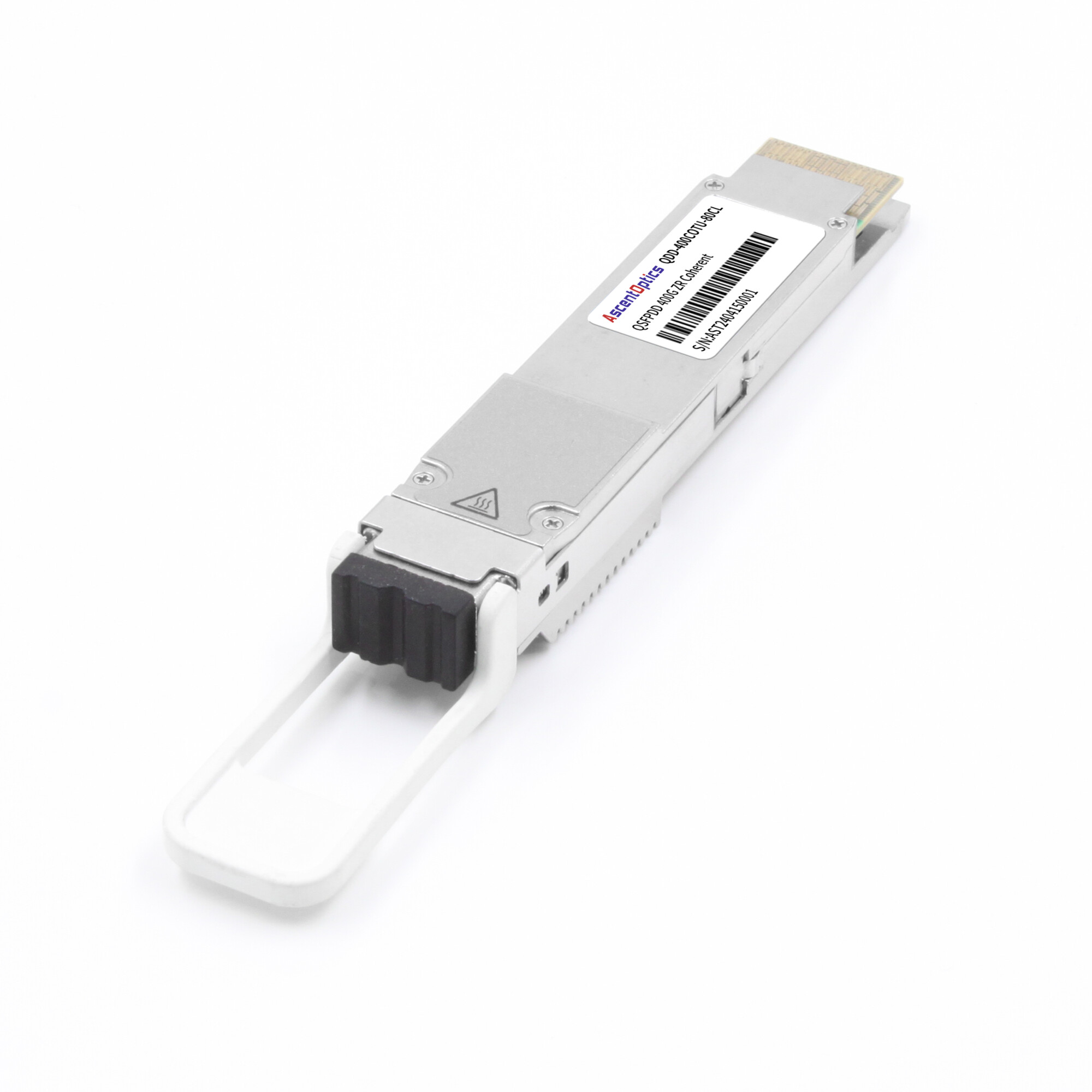
400G ZR & ZR+: Coherent Solutions for Long-Haul Connectivity
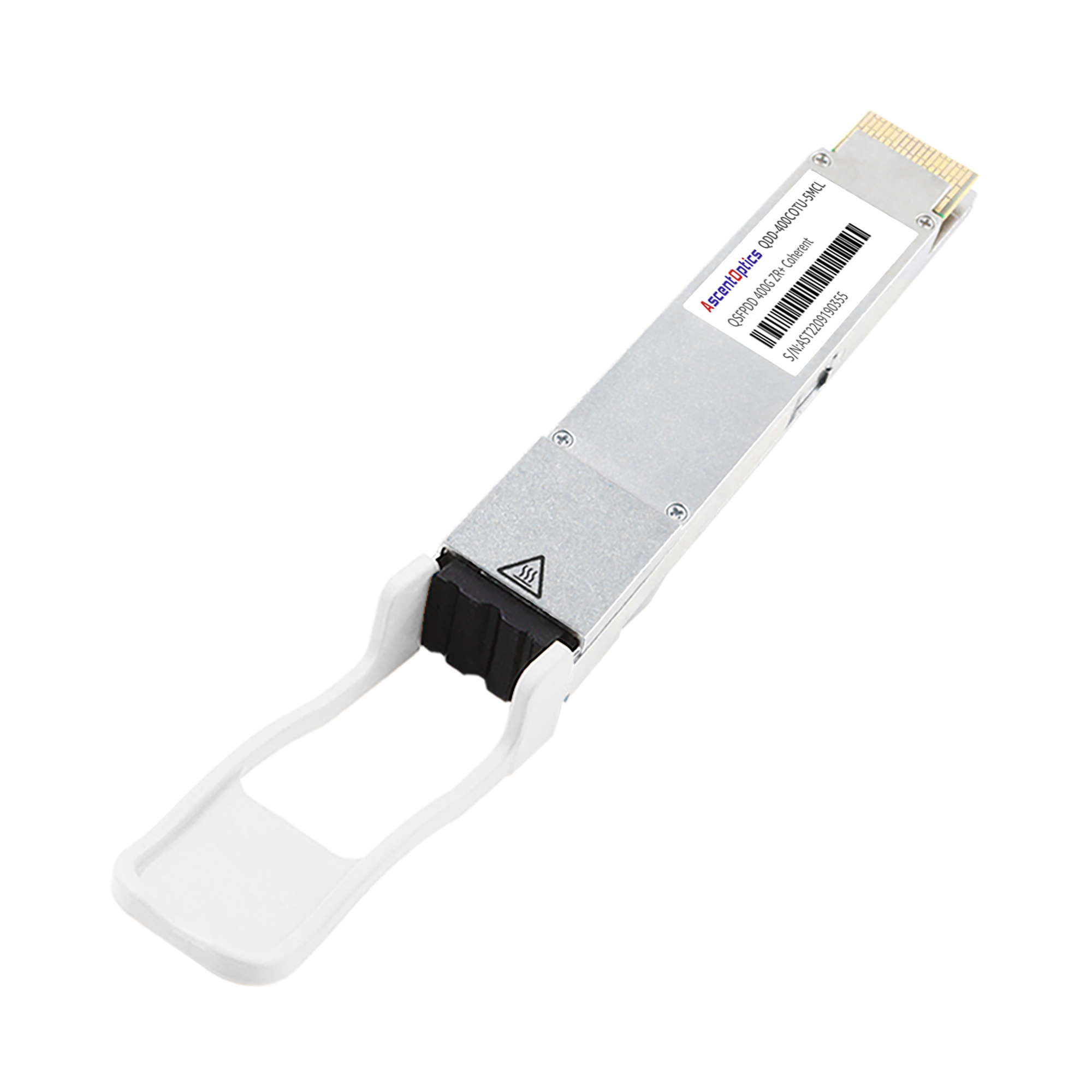
For extended-reach requirements, 400G ZR and ZR+ leverage coherent optical technology to support high-speed transmission over 80 km and beyond. They serve as the cornerstone for next-generation, long-haul Data Center Interconnect (DCI).
Key Features & Advantages
Direct Integration: 400G ZR modules can be plugged directly into router or switch ports, eliminating the need for external coherent transponders or complex standalone transport hardware.
Regional Interconnect: This technology enables seamless high-bandwidth links across cities and regions, streamlining network architecture.
Strategic Considerations: While significantly reducing system integration complexity, these modules demand higher power consumption, advanced thermal management, and superior fiber quality.
Summary
Overall, different types of 400G transceivers serve distinct roles in terms of reach, power consumption, cost, and deployment complexity.
DR4 is designed for high-density, short-reach connections inside data centers. FR4/LR4 are better suited for flexible mid-range deployments in campus and metro networks. ZR/ZR+ play a key role in long-distance DCI applications.
Choosing the right module type based on your specific application scenario is essential to building an efficient and scalable 400G network.
Conclusion: The Future of 400G Optical Transceivers
400G optical transceivers represent a major milestone in the evolution of optical communication. They not only address the immediate demand for high bandwidth driven by cloud computing and AI, but also provide a solid foundation for the continued evolution of future networks.
In the foreseeable future, 400G will continue to serve as a core high-speed interconnect technology, playing a critical role in modern network architectures.