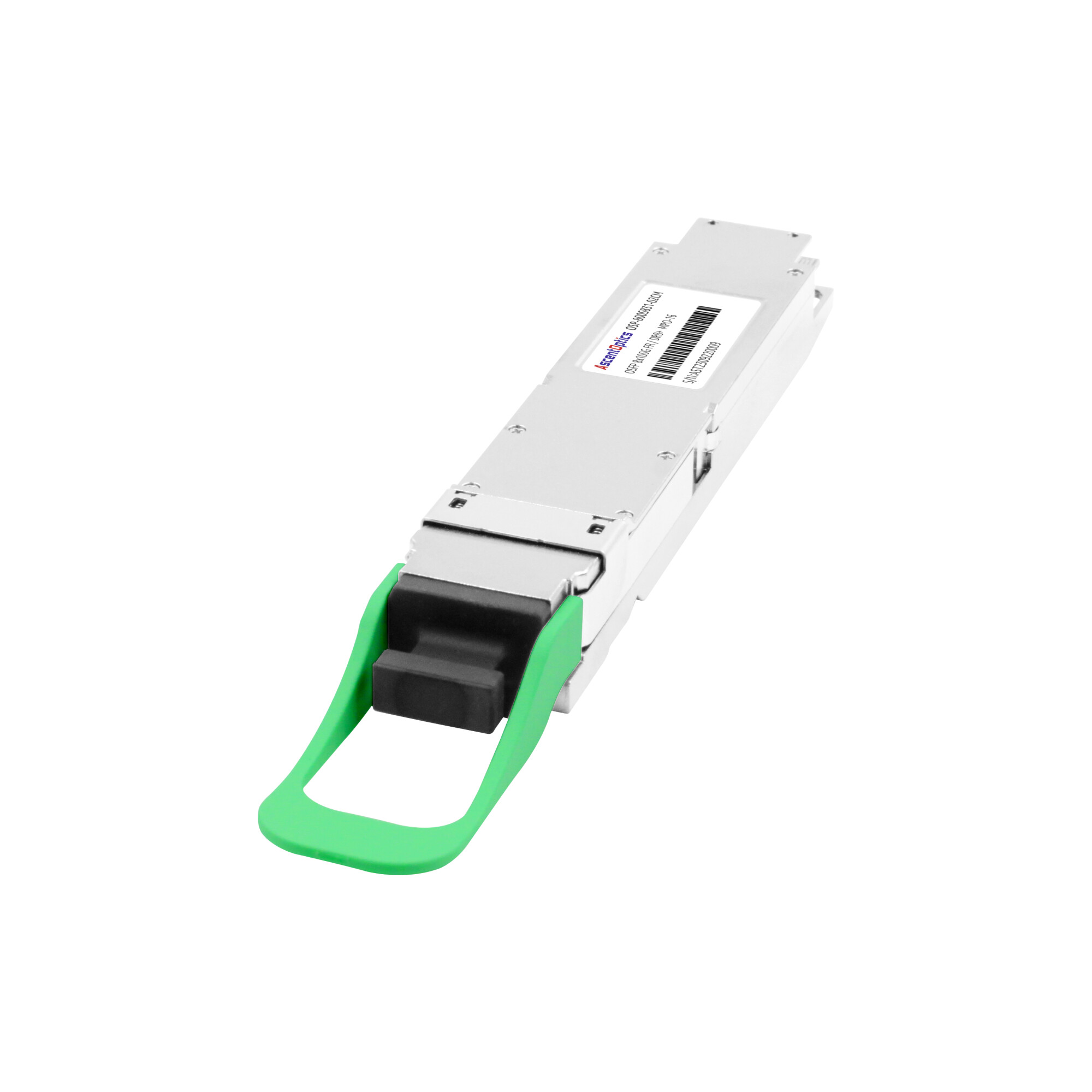
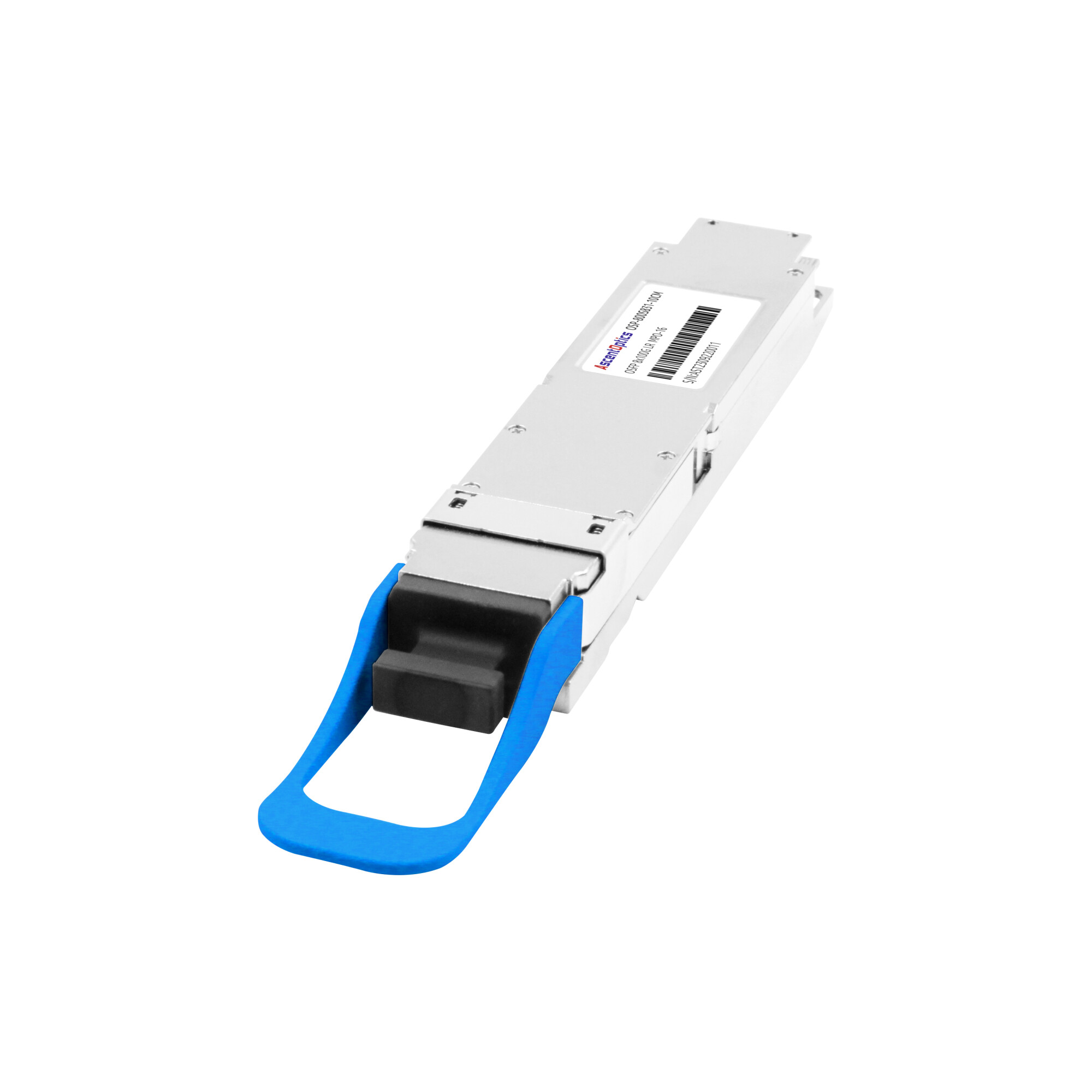
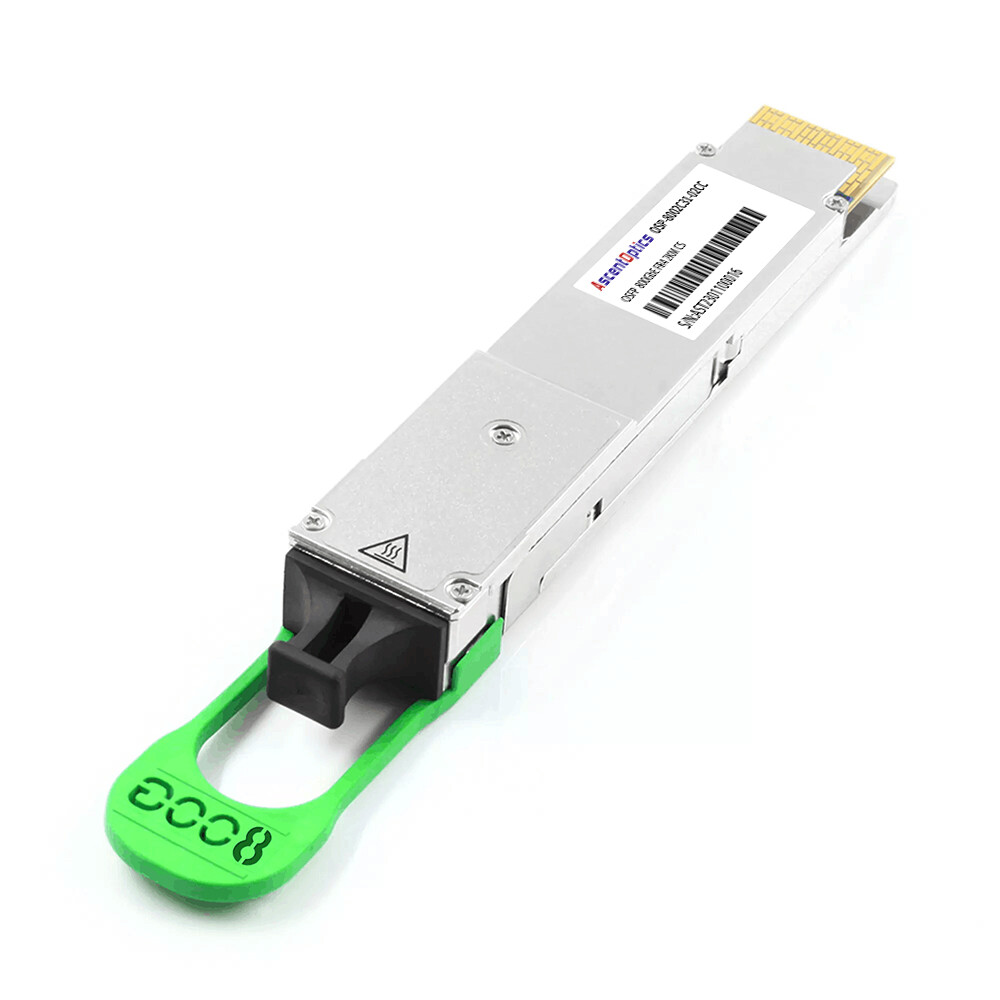
With the rapid advancement of AI applications and large-scale model training, computing power has become one of the most critical infrastructures of the AI age. The continuous expansion of compute scale directly drives the demand for higher bandwidth and lower-latency networks. Against this backdrop, 800G optical transceivers are emerging as a core component in next-generation AI data centers.
Why 800G Has Become an Inevitable Trend
In modern AI data centers, massive numbers of GPUs must collaborate in parallel. During model training and inference, enormous east-west traffic is generated. As the number of GPUs continues to scale upward, if the network fails to deliver matching increases in bandwidth and efficiency, communication latency will directly bottleneck the full release of overall compute performance.
Compared to 100G, 200G, or even 400G solutions, 800G optical transceivers represent a qualitative leap in per-port bandwidth and network efficiency. They can carry significantly larger data volumes within the same physical space and port density, making 800G the practical and realistic choice for ultra-scale AI clusters today.
The Technological Evolution of 800G Optical Modules
The core function of an optical module is to convert electrical signals into optical signals and vice versa. As device integration continues to improve and transmission speeds increase, optical modules are evolving toward higher data rates, smaller form factors, and lower power consumption.
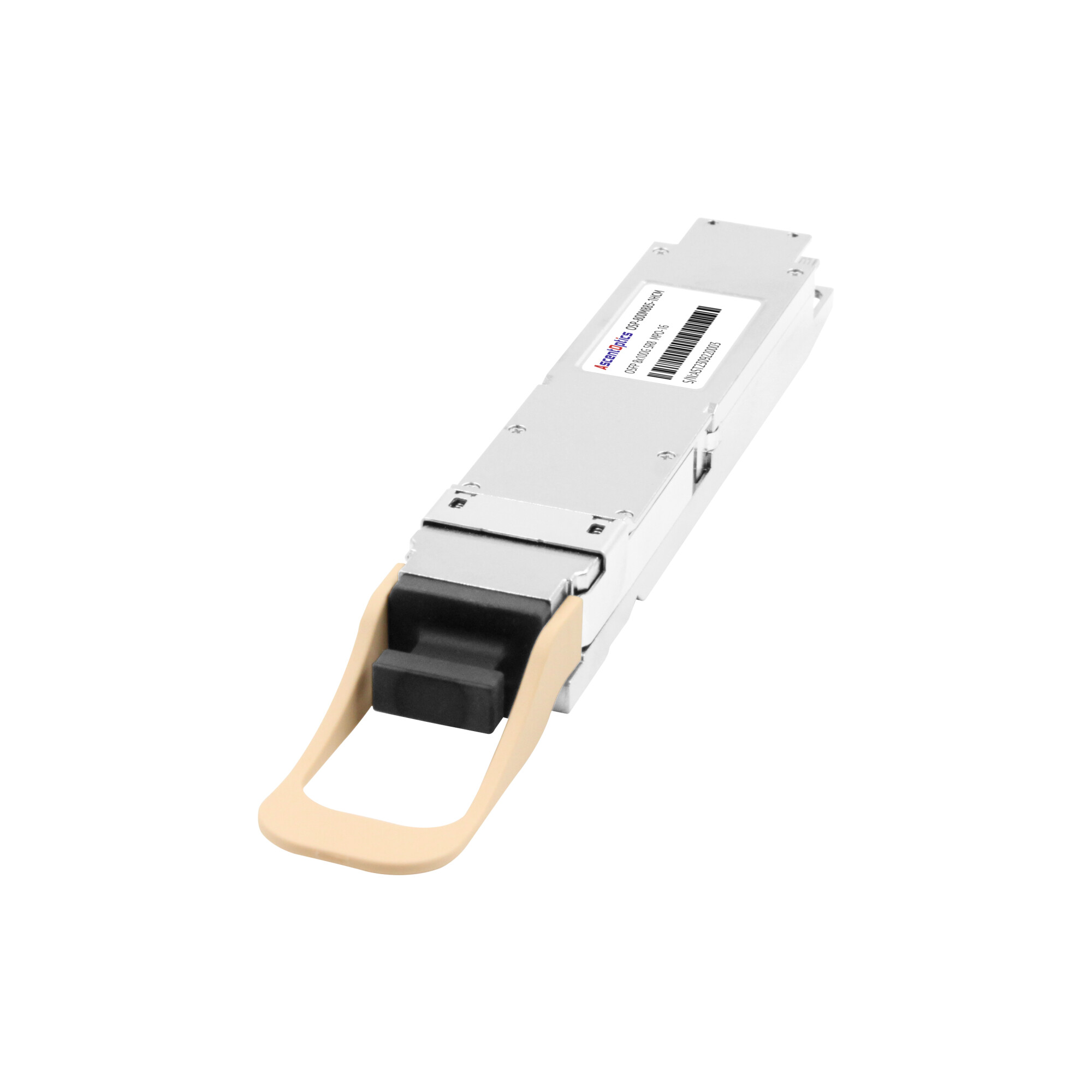
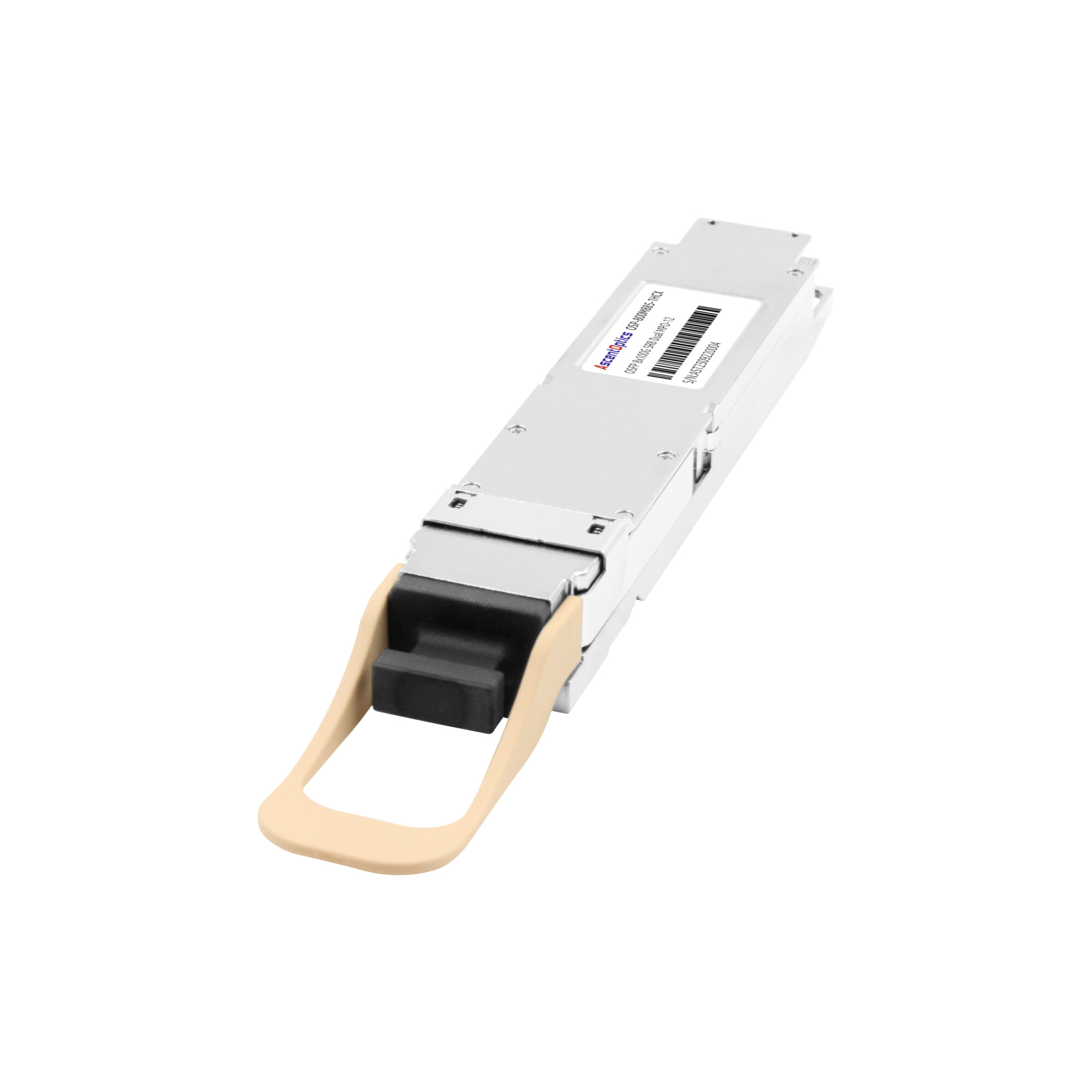
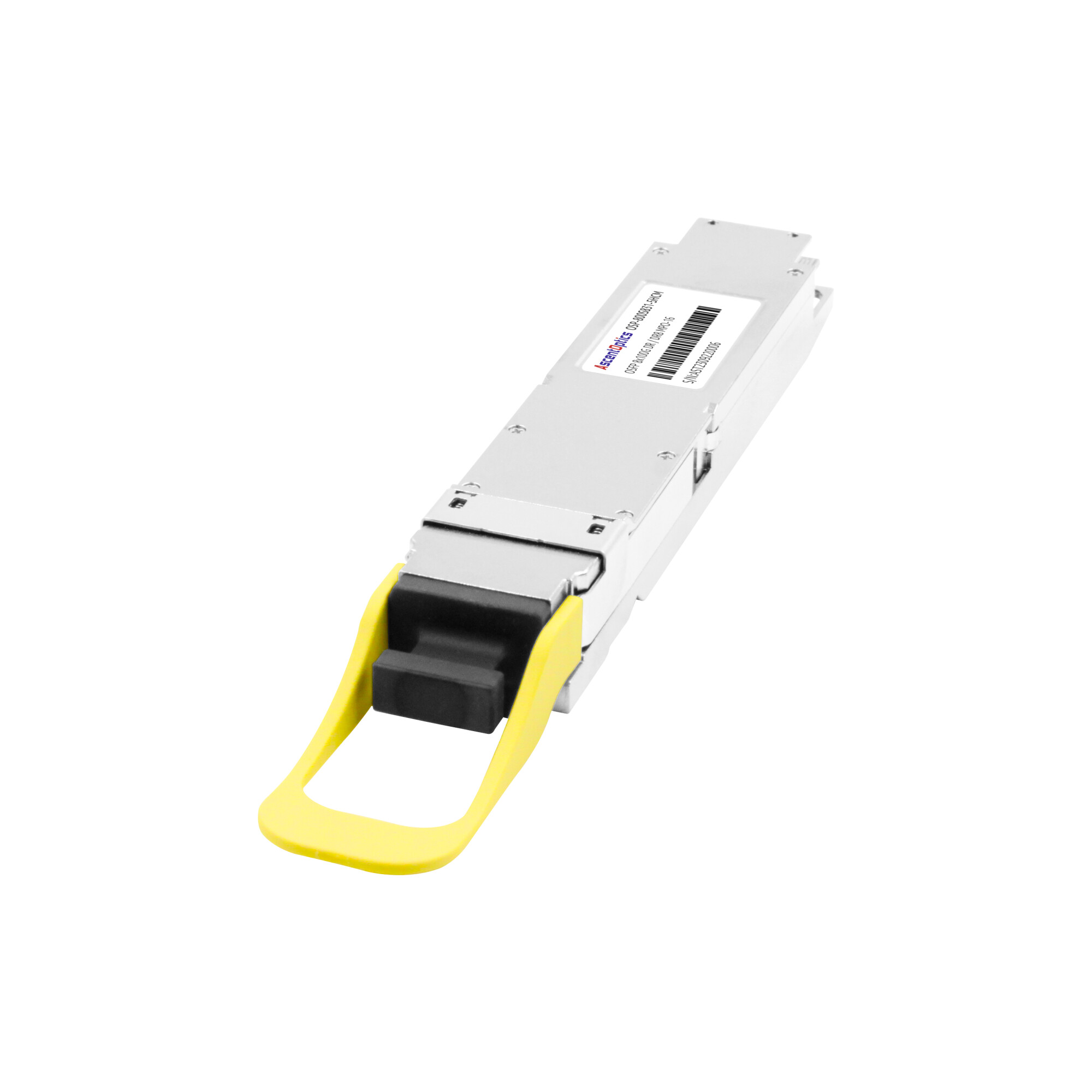
In the 800G era, two form factors dominate the market: QSFP-DD and OSFP. QSFP-DD offers strong backward compatibility and shares a mature ecosystem with 400G QSFP-DD, enabling a smoother and more cost-effective upgrade path for data centers. OSFP, on the other hand, provides advantages in power handling and thermal performance, making it better suited for high-power, high-density computing environments.
The coexistence of these two form factors gives data centers greater flexibility in designing network architectures to meet different performance, power, and scalability requirements.
Changes Brought by LPO Technology
In the era of 800G optical modules, LPO (Linear-drive Pluggable Optics) has begun to gain significant attention. Compared with traditional DSP-based solutions, LPO eliminates complex signal processing stages, resulting in substantially lower power consumption and reduced latency. This makes LPO particularly well suited for short-reach, high-bandwidth, low-latency interconnects in AI data centers.
As cloud service providers continue to scale their infrastructure and AI clusters grow in size, 800G LPO solutions are expected to see accelerated adoption in specific use cases.
Packaging Evolution of 800G Optical Modules
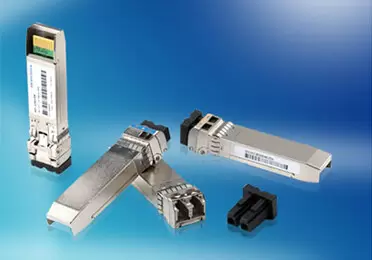
As transmission speeds continue to increase, the form factors of optical modules have evolved accordingly. From early GBIC and SFP modules, to QSFP-DD in the 400G era, and now to QSFP-DD and OSFP for 800G, packaging evolution has consistently focused on three core goals: higher bandwidth, higher port density, and improved power and thermal efficiency.
In the 800G era, QSFP-DD and OSFP coexist as the two dominant form factors, providing flexibility for different network architectures and deployment requirements.
QSFP-DD: The Mainstream Choice for Smooth Upgrades
QSFP-DD (Quad Small Form-factor Pluggable Double Density) is currently the most widely adopted form factor for 800G optical modules. By maintaining the same physical footprint as traditional QSFP modules while doubling electrical interface density, QSFP-DD enables data centers to upgrade bandwidth without redesigning switch front panels or port layouts.
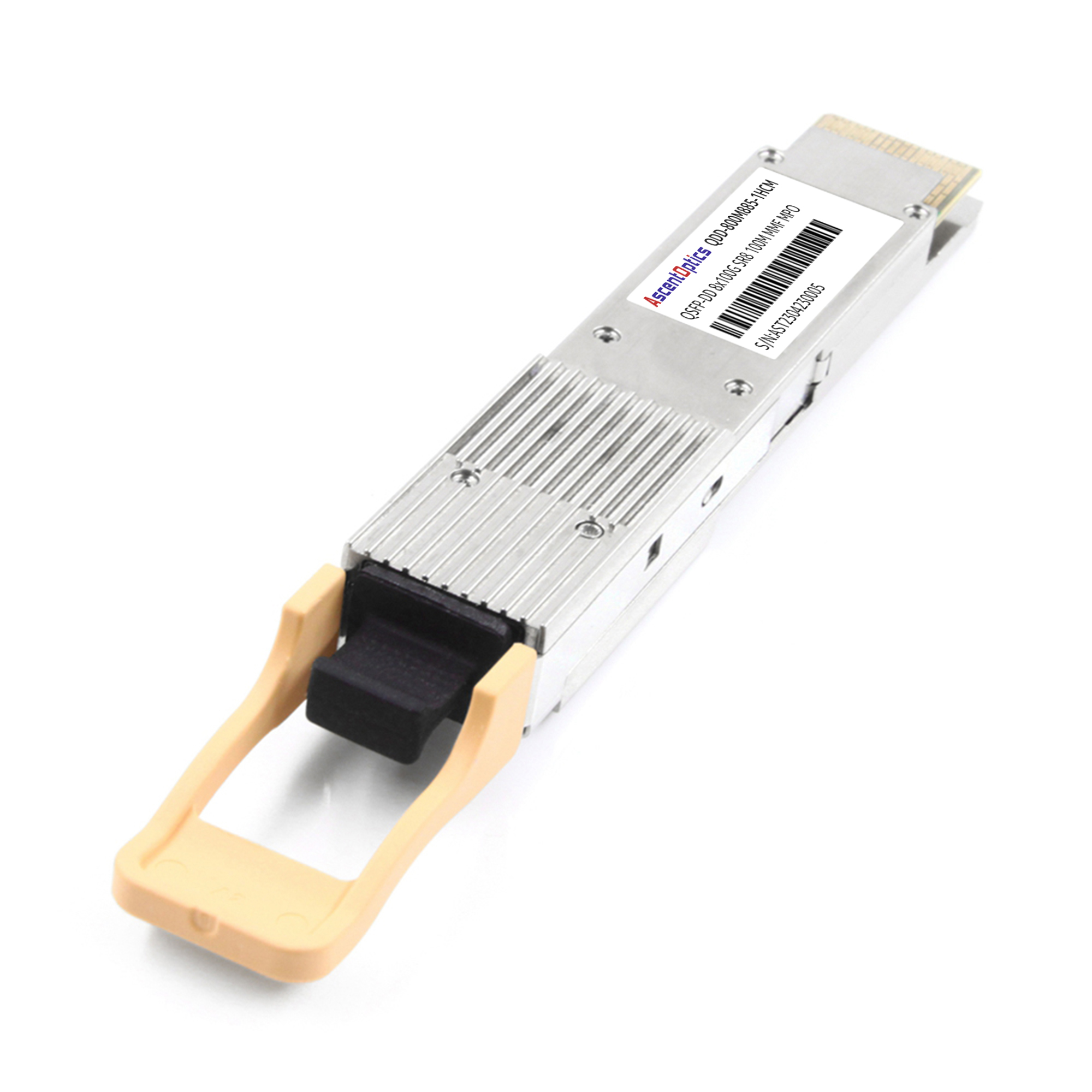
Key advantages of QSFP-DD include:
1.Strong backward compatibility, supporting QSFP+/QSFP28/QSFP56
2. A mature ecosystem, ideal for smooth migration from 400G to 800G
3. A well-balanced trade-off between port density, power consumption, and thermal performance
4. As a result, QSFP-DD is often the preferred option for Ethernet-based and telecom data center networks.
OSFP: Designed for High Power and Future Speeds
OSFP (Octal Small Form-factor Pluggable) is slightly larger than QSFP-DD, but offers greater power handling and thermal headroom. This makes OSFP well suited for high-density GPU clusters and HPC environments, while also providing a clear path toward 1.6T and beyond.
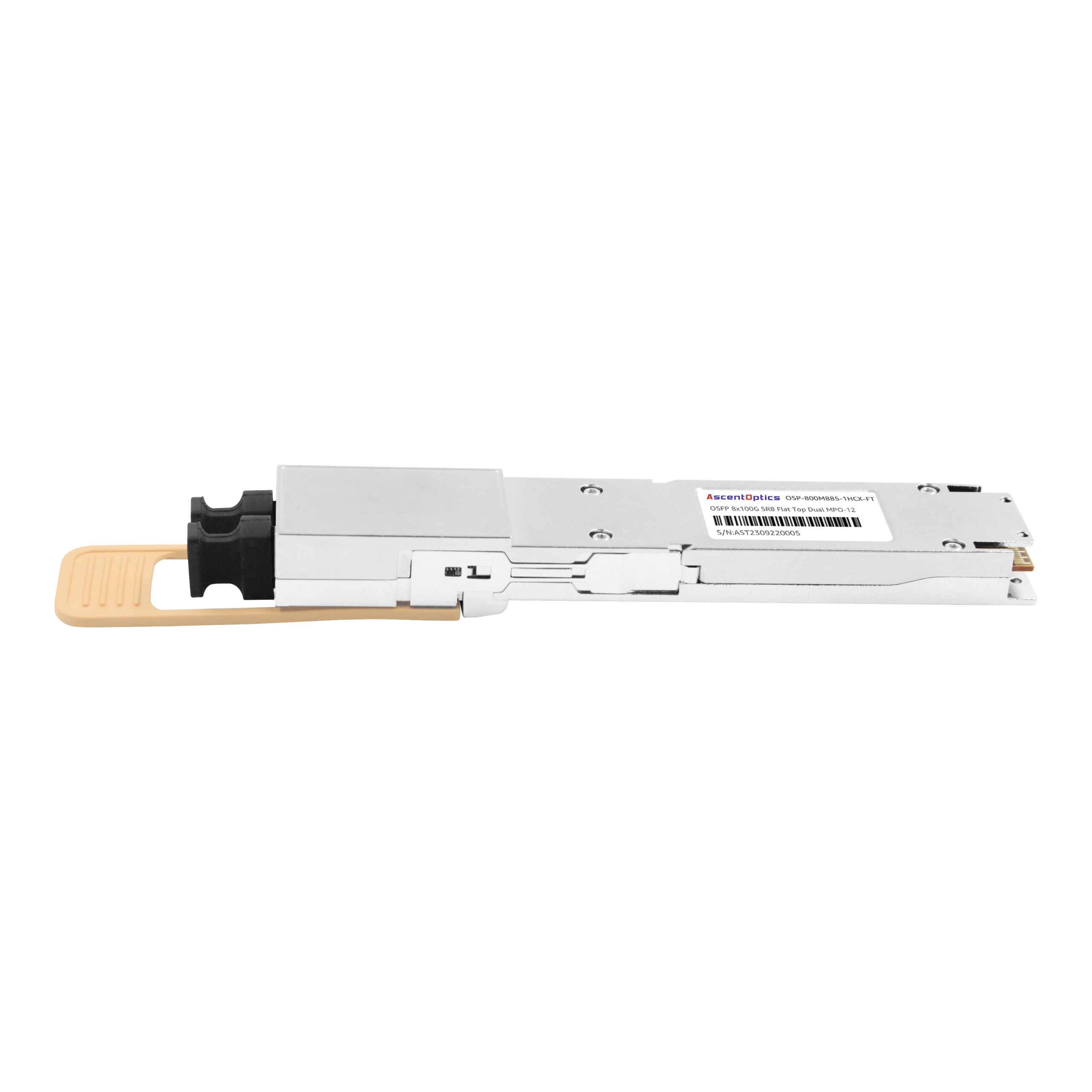
In practice:
QSFP-DD prioritizes compatibility and deployment flexibility
OSFP prioritizes power, cooling, and long-term scalability
Rather than replacing each other, the two form factors are expected to coexist for the foreseeable future, serving different use cases.
800G Optical Module Application Scenarios
AI Data Centers and GPU Cluster Interconnects
800G optical modules deliver high-bandwidth, low-latency internal connectivity required for large-scale AI training and inference. They enable fast data synchronization between GPU nodes, reduce communication bottlenecks, and support efficient scale-out architectures for modern AI clusters.
Cloud Data Center Network Upgrades
In hyperscale cloud environments, 800G optical modules facilitate the evolution of Spine-Leaf network architectures by doubling port bandwidth and increasing port density. This helps reduce network tiers, simplify cabling, and improve space utilization and energy efficiency within data centers.
Data Center Interconnect (DCI)
Using solutions such as FR4, LR4, and ZR, 800G optical modules support high-bandwidth interconnection from campus-scale to metro-scale distances. They enable reliable, high-capacity links between distributed data centers, supporting workload mobility and data replication.
High-Performance Computing (HPC) and Generative AI
HPC and large-scale generative AI platforms demand extreme bandwidth to handle intensive data exchange and model training. 800G optical modules are well suited for high-density rack deployments, helping systems absorb traffic bursts, maximize compute utilization, and maintain stable performance under peak workloads.
The Impact of AI on the Deployment of 800G Optical Modules

Why is 800G more important than 400G for AI servers?
First, AI servers demand high data transmission rates and low latency, requiring top-of-rack (ToR) switches with matching underlying bandwidth. These switches may also need to account for latency overhead, which calls for high-speed optical modules.
For example, the NVIDIA DGX H100 server is equipped with 8 H100 GPU modules, where each GPU requires 2×200G optical modules. Therefore, each server needs at least 16×200G modules, and the corresponding ToR switch must provide at least 4×800G ports to support this connectivity efficiently.
Second, 800G optical chips offer higher cost efficiency and economic benefits. They utilize 100G EML (Electro-absorption Modulated Laser) chips, whereas 200G/400G solutions rely on 50G optical chips. Data shows that, at the same aggregate rate, the cost of one 100G optical chip is about 30% lower than that of two 50G optical chips. This cost advantage becomes particularly significant in large-scale AI cluster deployments, where the number of modules scales dramatically, making 800G a more economical choice for high-bandwidth, AI-driven infrastructures.
Despite this, 400G optical modules still hold significant importance in the industry. While they may not match the speed of 800G optical modules, they represent a substantial bandwidth improvement over older technologies and remain the preferred solution for many enterprises. Additionally, certain applications do not require the full capabilities of 800G Ethernet, making 400G Ethernet more practical and cost-effective for them.
As the demand for faster and more efficient data transmission continues to surge, the era of 800G optical modules has arrived. With their exceptional bandwidth capabilities and ongoing advancements in LPO technology, 800G optical modules are set to transform the AI industry and modern data centers, enabling the next generation of high-performance computing and large-scale AI workloads.
Post Views: 6,716