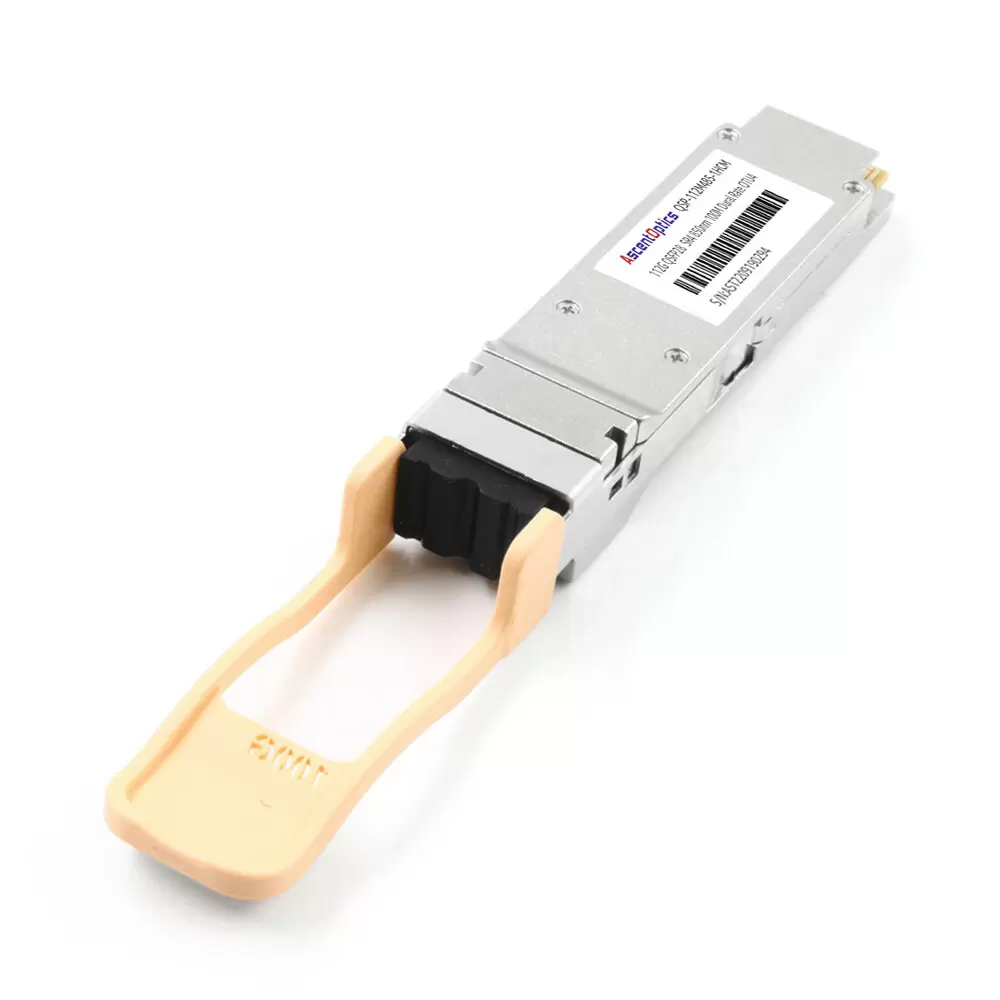
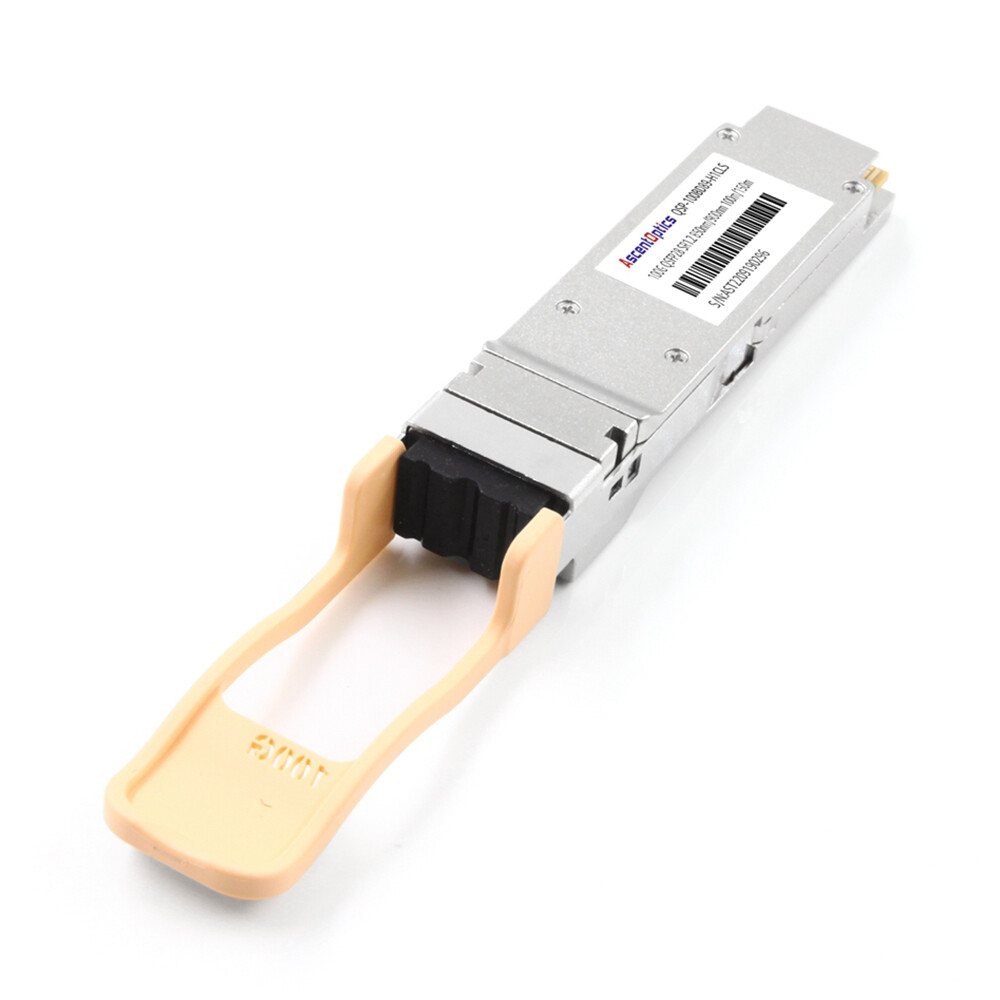
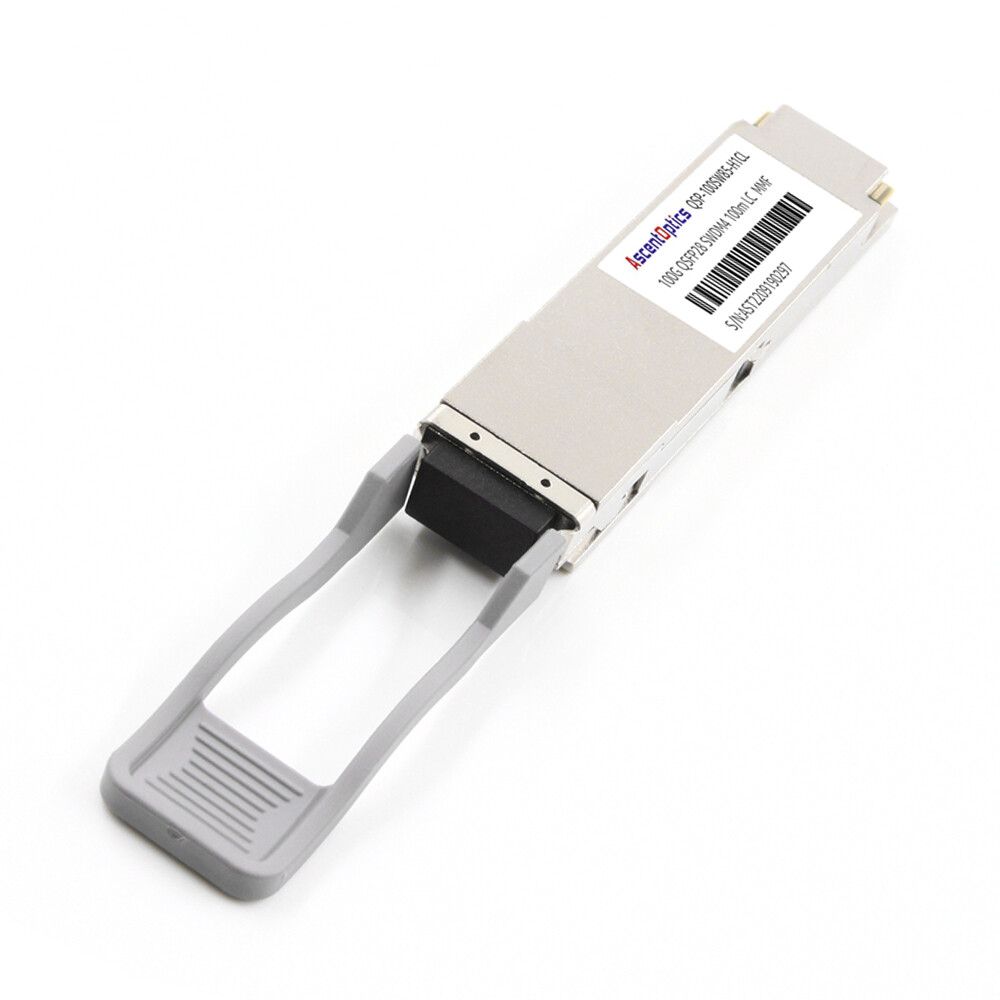
As data center traffic continues to grow, 100G connectivity has become a standard requirement for modern network infrastructures. Among various short-reach optical solutions, 100G SR4, SR10, and BiDi SR are commonly used for high-speed multimode fiber connections. While these modules all support 100Gbps transmission, their cabling requirements, deployment complexity, and upgrade flexibility differ significantly.
Choosing the right module is not just a technical decision — it directly impacts infrastructure costs, scalability, and future upgrade paths. This article provides a clear comparison of 100G SR4, SR10, and BiDi SR to help you understand their key differences and select the most suitable solution for your data center.
What Is 100G SR4?
Technical Overview
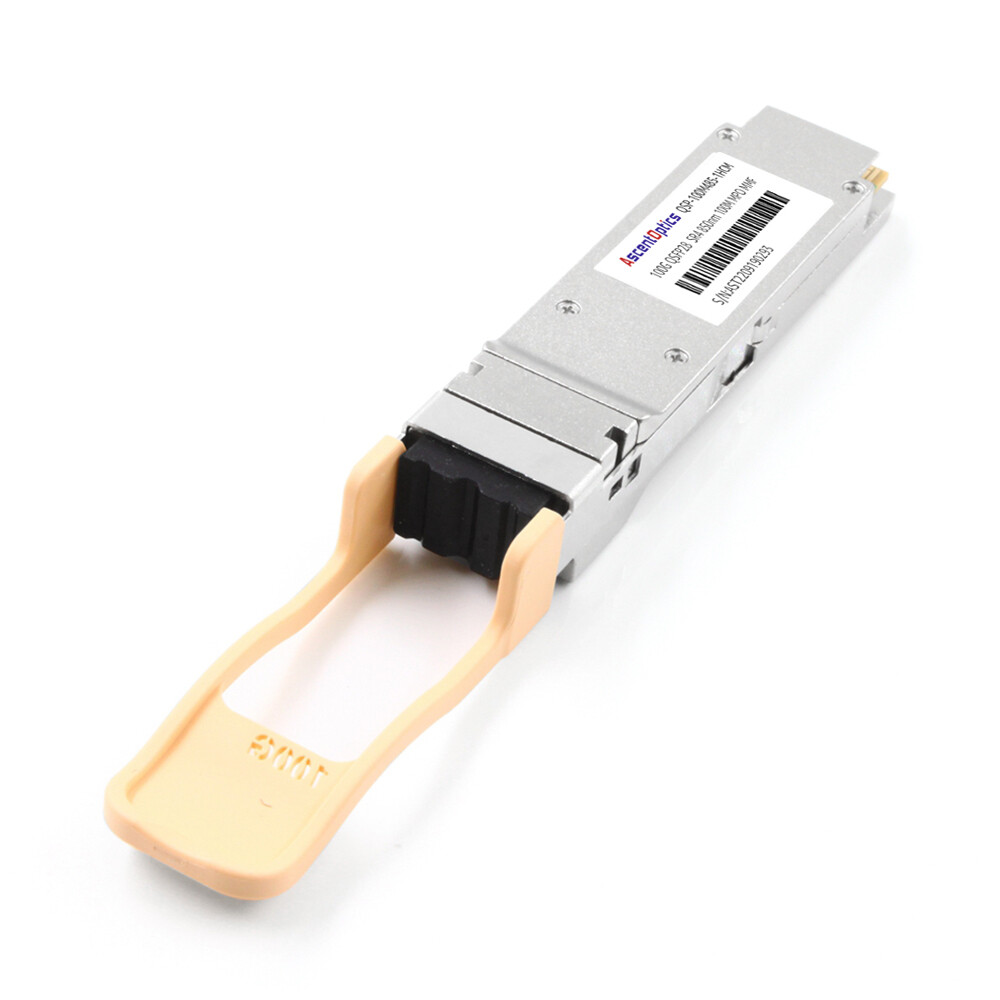
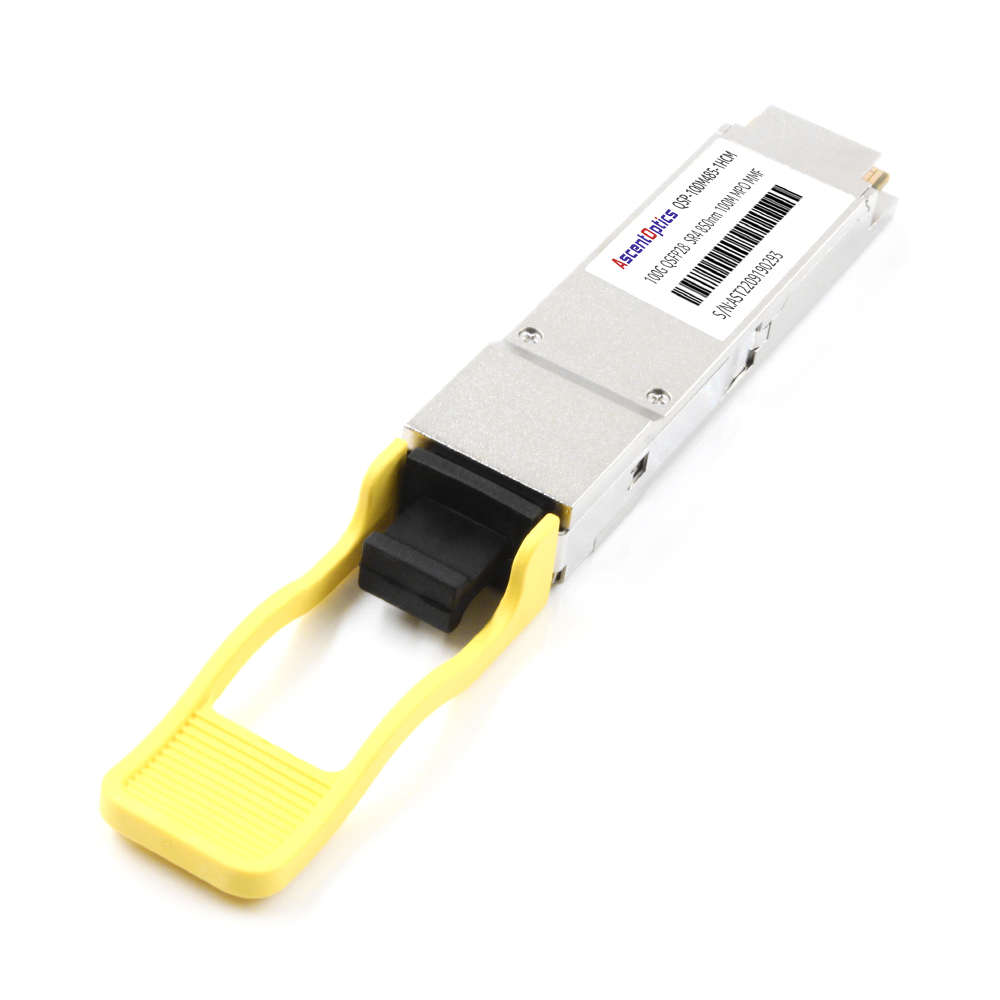
The 100G SR4 optical module is one of the most widely deployed short-reach transceivers in modern data centers. It is typically built in a QSFP28 form factor, enabling high port density and easy integration with mainstream switches and network equipment.
100G SR4 operates using four parallel optical lanes, each transmitting 25G data signals (NRZ modulation), which together deliver an aggregated data rate of 100Gbps. The module uses an MPO-12 connector, where eight fibers are actively used for transmission — four for transmitting and four for receiving signals.
This parallel transmission design makes SR4 highly suitable for high-bandwidth, short-distance interconnections inside data centers.
Key Specifications
100G SR4 modules are designed for multimode fiber (MMF) environments and support short-reach transmission distances of up to 70 meters over OM3 fiber and 100 meters over OM4 fiber. By transmitting data across multiple fibers simultaneously, SR4 achieves stable high-speed performance with low latency, making it ideal for dense networking environments.
SR4 offers a balanced combination of performance, power efficiency, and cost effectiveness. While it requires MPO cabling infrastructure, it provides reliable scalability for large-scale deployments and has become a standard choice for new data center builds.
Typical Applications
100G SR4 is commonly used for high-speed connections within data centers, especially in architectures that require large east-west traffic flows.
Typical deployment scenarios include:
- Spine–Leaf interconnections, where high bandwidth and low latency are critical
2. Top-of-Rack (ToR) switch connections to aggregation or spine switches
3. High-density cloud and enterprise data center networks
Its mature ecosystem and broad compatibility make SR4 a preferred solution for organizations building scalable and future-ready network infrastructures.
What Is 100G SR10?
Technical Overview
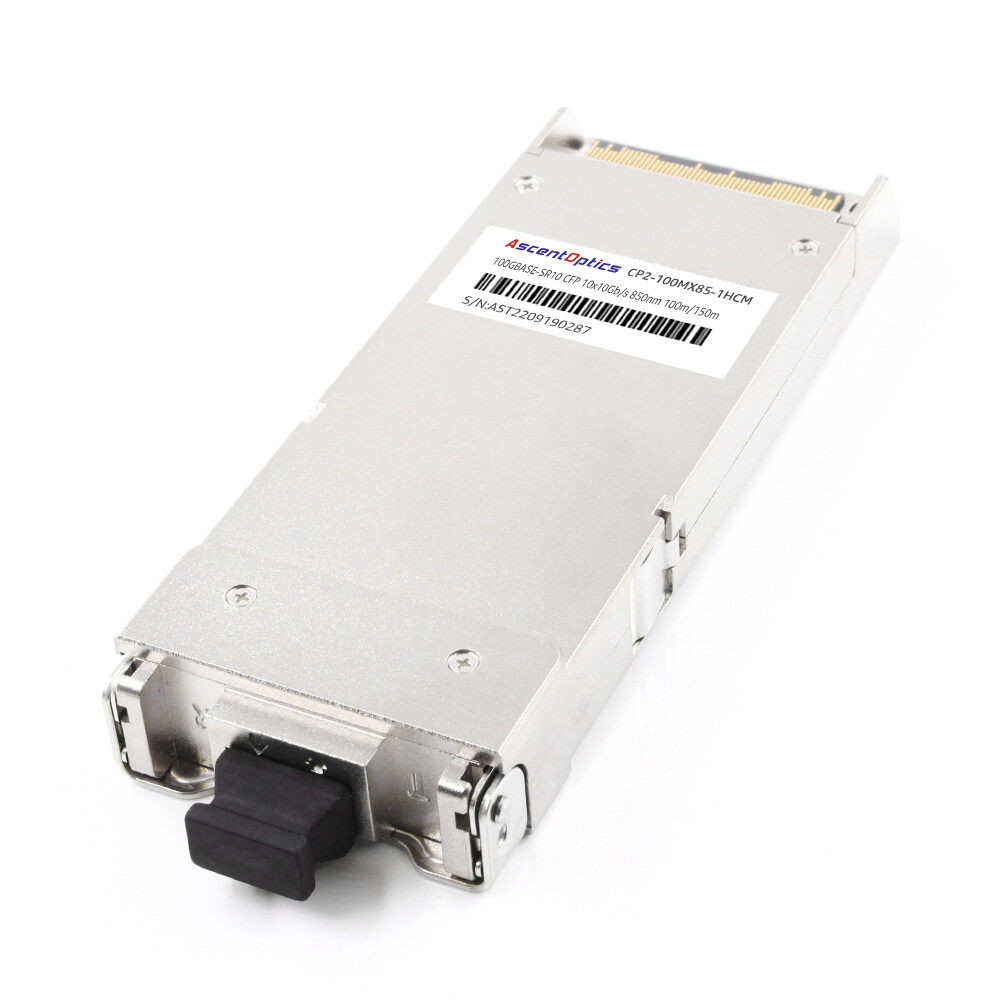
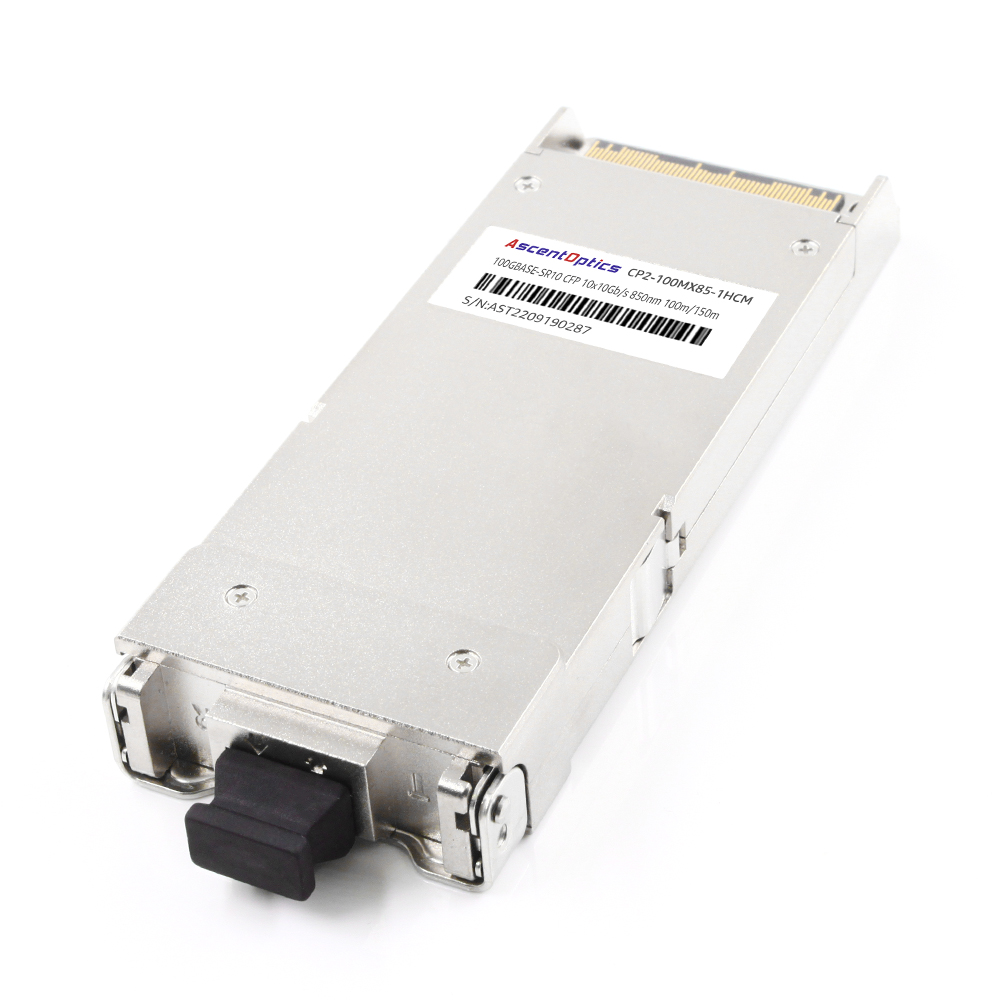
The 100G SR10 optical module is an early-generation short-reach solution developed during the initial adoption of 100G Ethernet. Unlike newer designs, SR10 transmits data through ten parallel optical lanes, each operating at 10Gbps to achieve an overall data rate of 100Gbps.
SR10 modules typically use CFP2 form factors and rely on an MPO-24 connector, requiring a total of 20 fibers for transmission and reception. This architecture reflects early high-speed networking designs before higher-lane-rate technologies became widely available.
Today, SR10 is mainly found in legacy data center environments rather than modern deployments.
Typical Use Cases
SR10 modules are primarily used in:
- Legacy 100G network infrastructures
- Early data center deployments using CFP-based equipment
- Environments where upgrading cabling or hardware is not immediately feasible
In most modern data centers, SR4 or BiDi SR solutions have replaced SR10 due to improved efficiency and flexibility.
What Is 100G BiDi SR?
Working Principle
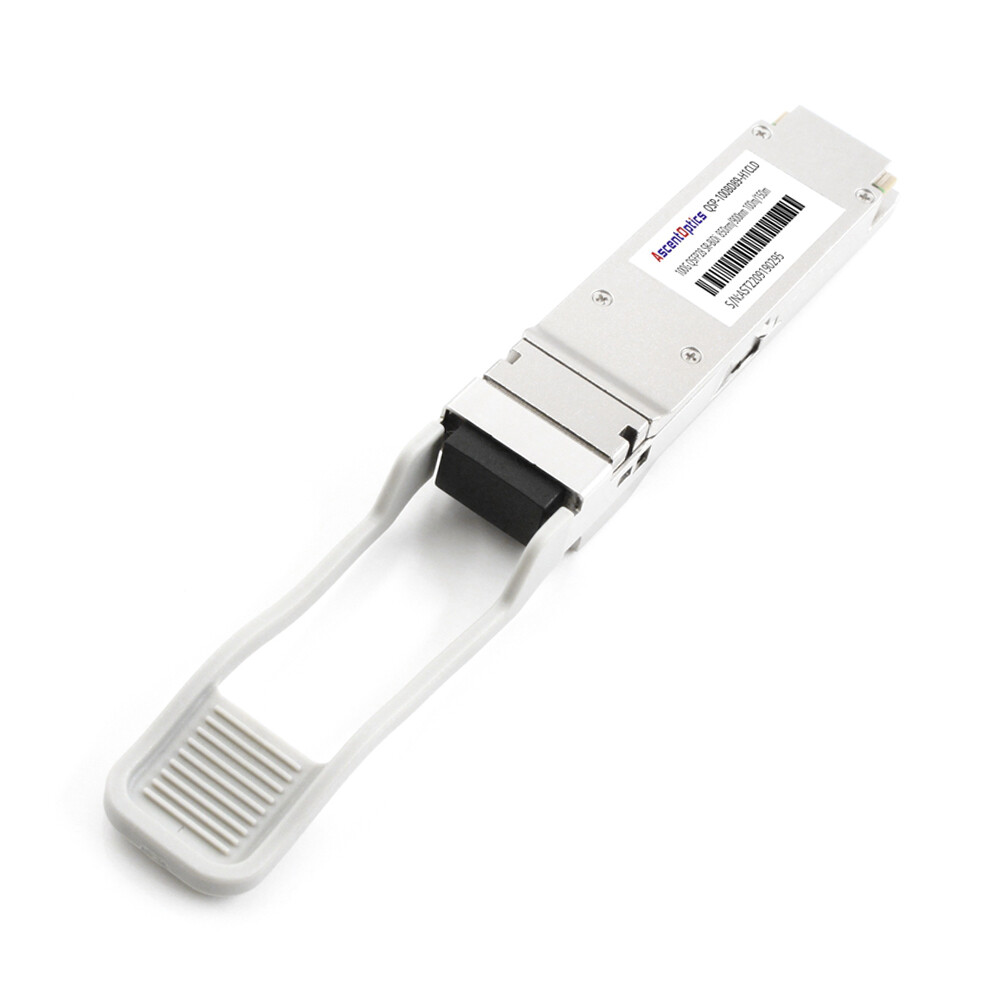
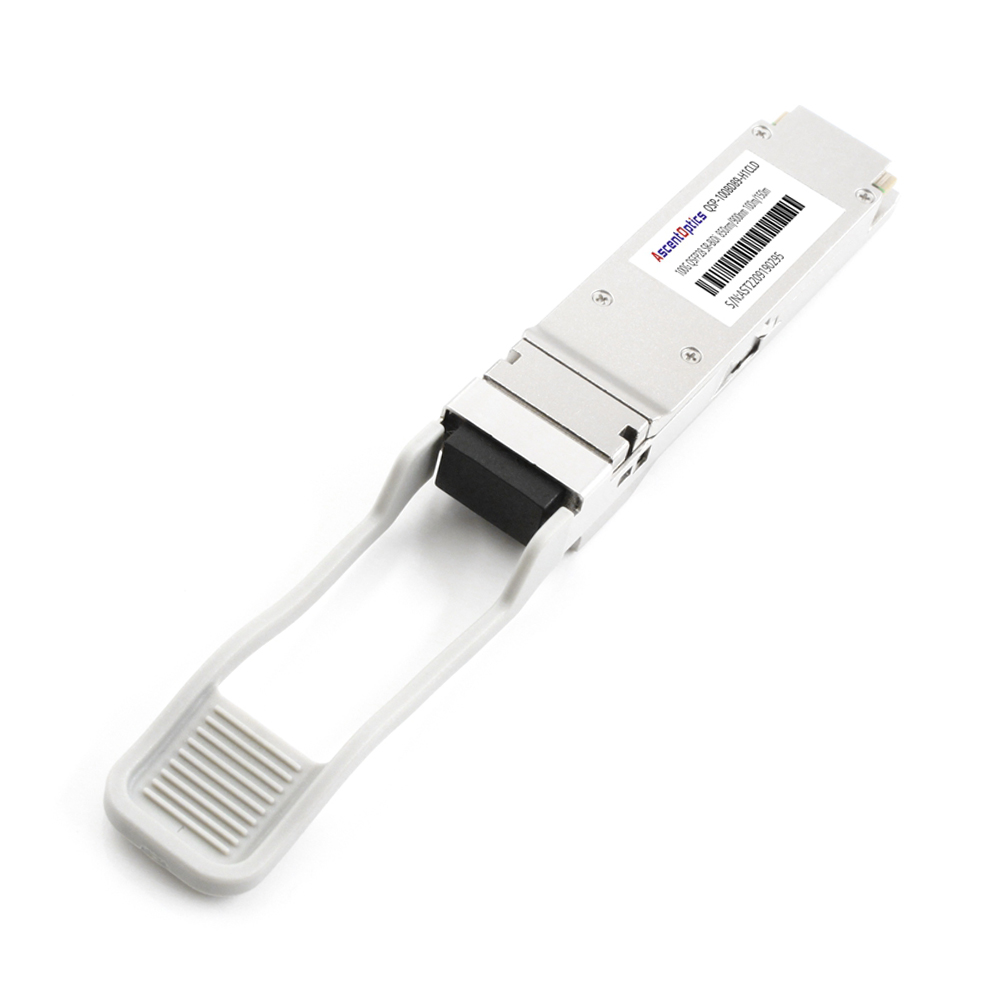
The 100G BiDi SR optical module is designed to deliver 100G transmission over existing duplex multimode fiber infrastructure. Unlike SR4 and SR10, which rely on parallel fibers, BiDi technology enables bidirectional transmission over a single pair of fibers.
It uses two different wavelengths to simultaneously transmit and receive signals on the same fiber pair through LC connectors. This allows data centers to upgrade from 10G or 25G networks to 100G without replacing existing cabling.
Typical Use Cases
100G BiDi SR is widely used in scenarios such as:
- Upgrading 10G/25G networks to 100G using existing cabling
- Data centers with limited fiber resources
- Enterprise networks seeking cost-efficient bandwidth expansion
Its flexibility and cost efficiency make BiDi SR a practical solution for incremental network upgrades.
Which One Should You Choose?
Choosing the right 100G optical module largely depends on your existing infrastructure, cabling conditions, and long-term upgrade plans. Instead of focusing only on module price, buyers should consider deployment complexity, fiber availability, and future scalability.
New Data Center Deployments → 100G SR4
SR4 is the best choice for new builds where MPO cabling can be deployed from the beginning. It offers high density, mature ecosystem support, and strong scalability for future upgrades.
Network Upgrades Using Existing Fiber → 100G BiDi SR
BiDi SR is ideal when upgrading from 10G or 25G networks without replacing existing LC duplex fiber. It minimizes cabling changes and significantly reduces upgrade costs.
Legacy Infrastructure Compatibility → 100G SR10
SR10 is mainly suitable for environments that already rely on older CFP-based equipment and cannot be upgraded immediately.
Simple Decision Guide
In general, the best choice depends on your network deployment stage and infrastructure conditions. If you are building a new data center or deploying new network infrastructure, 100G SR4 is typically the preferred option due to its scalability and high-density design. If your goal is to upgrade network bandwidth while keeping existing cabling, 100G BiDi SR offers a more cost-effective solution by reusing duplex LC fiber. However, if compatibility with older systems or legacy equipment is required, 100G SR10 remains a practical choice.
Conclusion
Although 100G SR4, SR10, and BiDi SR all serve short-reach data center connectivity, each solution is designed for different deployment scenarios. SR4 has become the mainstream option for new data center builds thanks to its scalability and efficiency. BiDi SR offers a practical and cost-effective upgrade path by reusing existing duplex fiber infrastructure, while SR10 mainly remains in legacy environments requiring backward compatibility.
Ultimately, there is no single “best” solution — only the one that best fits your network architecture and long-term planning. By evaluating cabling resources, upgrade goals, and operational costs, organizations can select a 100G optical solution that balances performance, cost, and future scalability.
Post Views: 993